Sapa
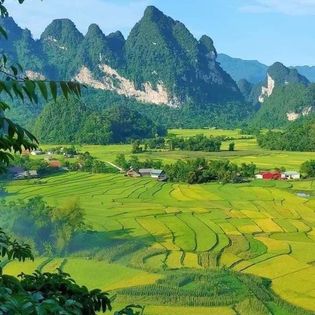
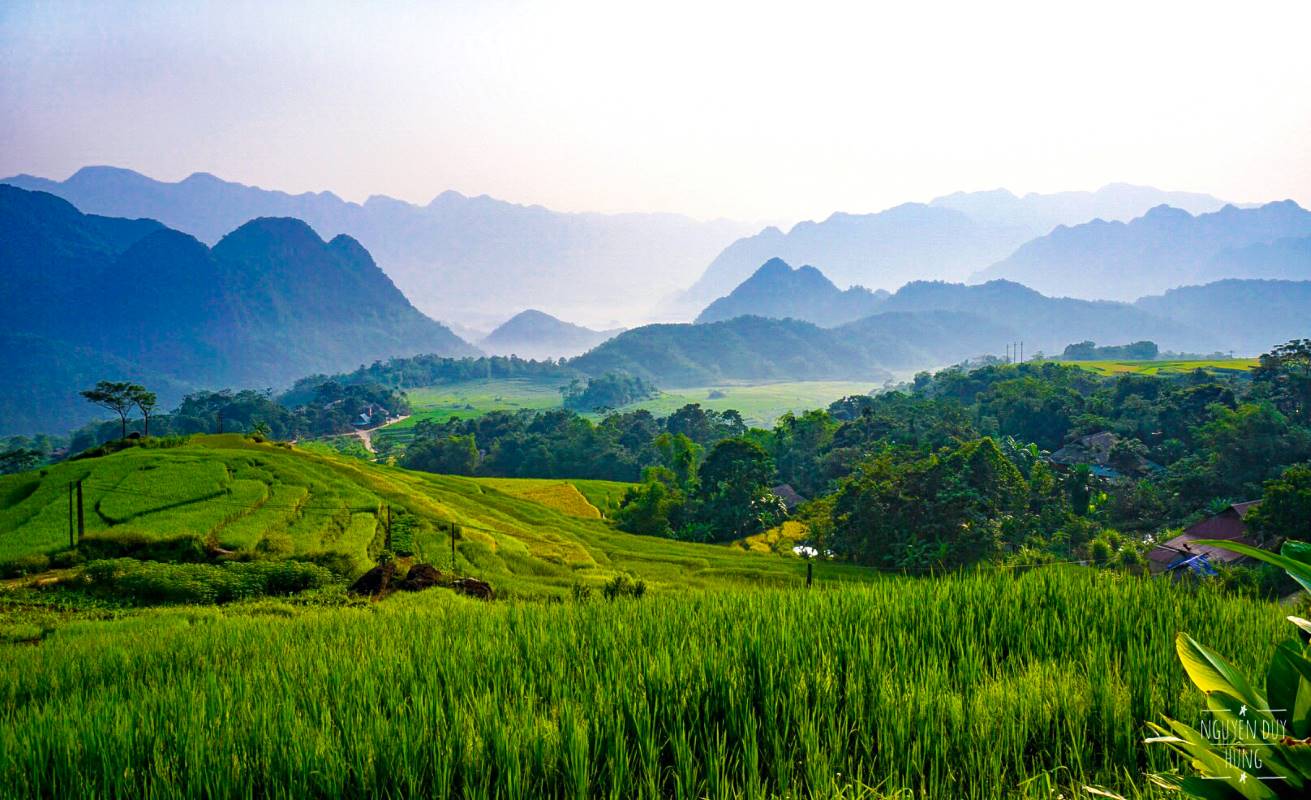
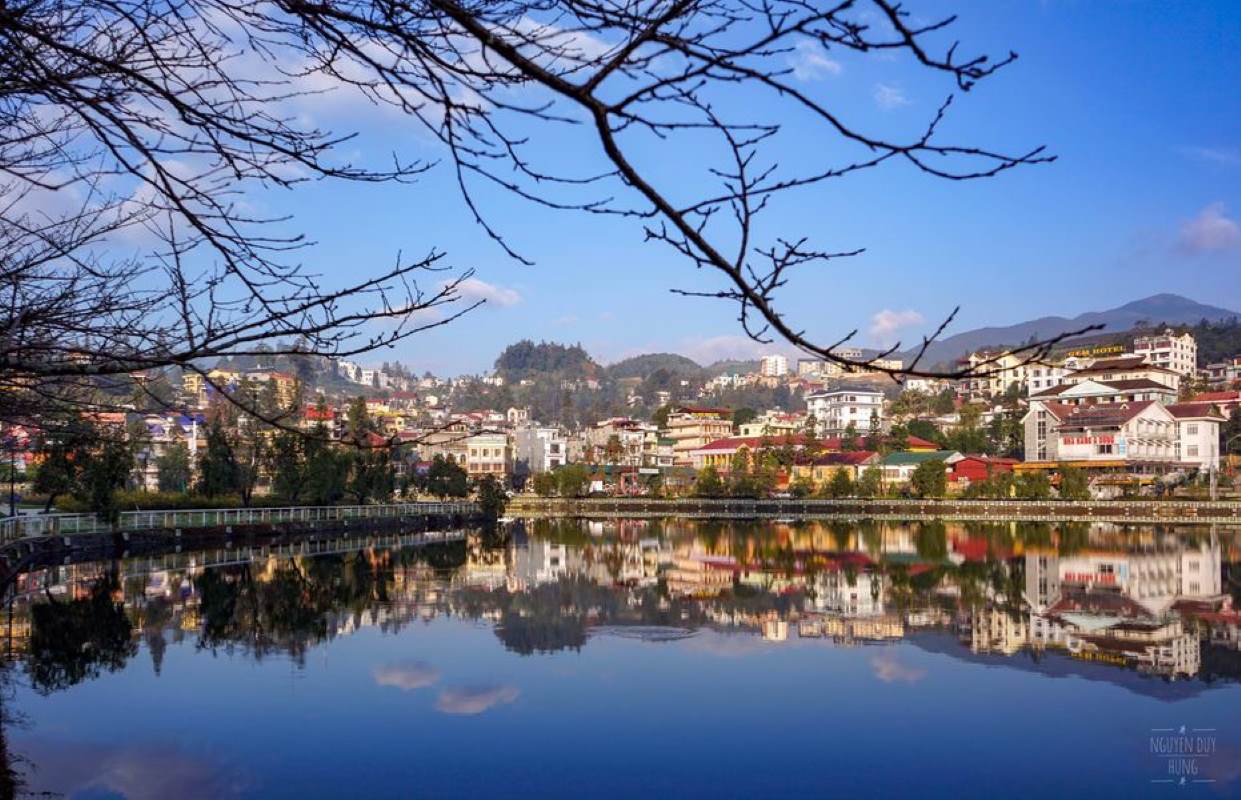
Sapa is a mountain destination known for its terraced rice fields, deep valleys and diverse ethnic communities. Beyond the town, walking trails lead through villages and farmland, offering a closer look at everyday life in Northern Vietnam. The scenery changes throughout the year, from green terraces in summer to golden rice fields during harvest season and cooler, misty days in winter. With mountain walks, local markets and Fansipan nearby, Sapa is a rewarding place to slow down and experience a quieter side of Vietnam.

The Character of Sapa
Life in the mountains of Northern Vietnam
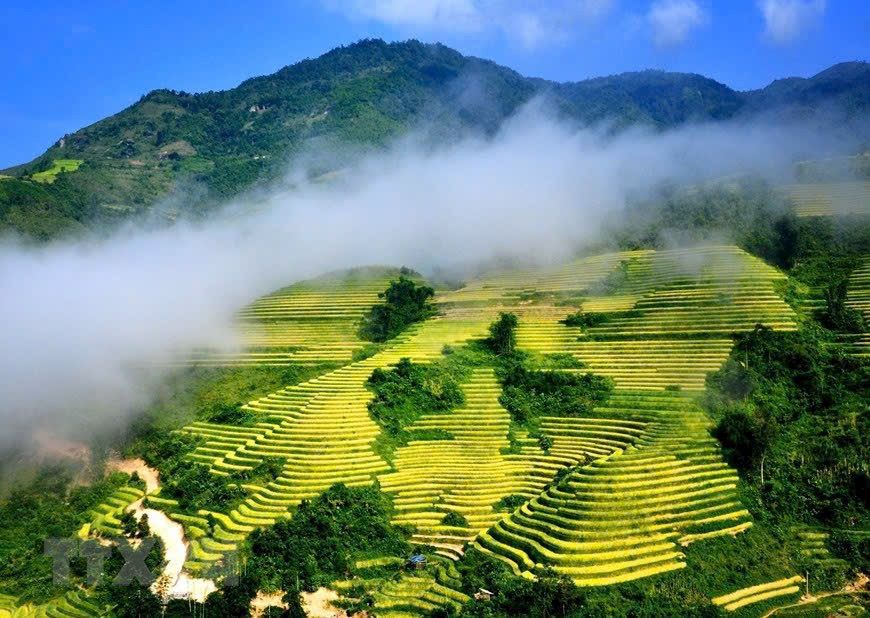
Sapa is shaped as much by the people of the surrounding valleys as by its mountains. Hmong, Dao, Tay, Giay and other ethnic communities have lived across this region for generations, each with their own traditions, clothing, languages and ways of life. Walk beyond the town and the landscape quickly changes to rice terraces, small villages, streams and narrow paths winding between the hills.
For many travelers, the most rewarding way to experience Sapa is on foot. A short village walk can offer an introduction to the countryside, while longer routes through areas such as Lao Chai, Ta Van and Ta Phin bring you deeper into the valleys. The experience changes throughout the year, from green rice terraces during the warmer months to golden fields around harvest time and quieter, mistier landscapes in winter.
Sapa Town itself is lively, with hotels, restaurants, cafés and a central market, while Fansipan rises above the region as the highest mountain in Vietnam. The cable car makes the summit accessible to travelers who do not want to undertake a demanding climb, offering dramatic views when the weather is clear.
Yet Sapa is at its best when there is enough time to move beyond the town. Early mornings in the valleys, a walk between villages, a conversation with a local family or simply watching clouds move across the mountains often leave a stronger impression than trying to see every attraction in a single day.
Why Visit Sapa
Mountain scenery at a slower pace
Sapa offers a welcome change from Vietnam’s busy cities. Terraced fields, mountain roads and deep valleys surround the town, with some of the best views found simply by walking between villages.
Meet the communities of the northern highlands
The valleys around Sapa are home to Hmong, Red Dao, Giay and other ethnic communities. Visiting with a knowledgeable local guide gives you a better understanding of village life, traditions and the changes taking place across the region.
Walk through rice terraces and villages
Walking is one of the best ways to experience Sapa. Routes range from gentle village visits to longer walks through Muong Hoa Valley, with plenty of flexibility depending on your interests and fitness level.
See a different side of Vietnam
Cooler weather, mountain villages and terraced farmland make Sapa feel very different from Hanoi, Halong Bay or Central Vietnam. It adds variety to a longer journey through the country.
Reach the top of Fansipan
At 3,143 m, Fansipan is the highest mountain in Vietnam. Today, the cable car makes the summit accessible without a multi day trek, weather permitting.
Experiences We Love in Sapa
• Walk through Muong Hoa Valley between rice terraces and small villages.
• Visit Lao Chai and Ta Van for an introduction to village life in the Sapa countryside.
• Spend time in Ta Phin, home to a large Red Dao community.
• Take the cable car towards the summit of Fansipan and enjoy views across the Hoang Lien Son mountains on a clear day.
• Explore Cat Cat Village on a shorter walk close to Sapa Town.
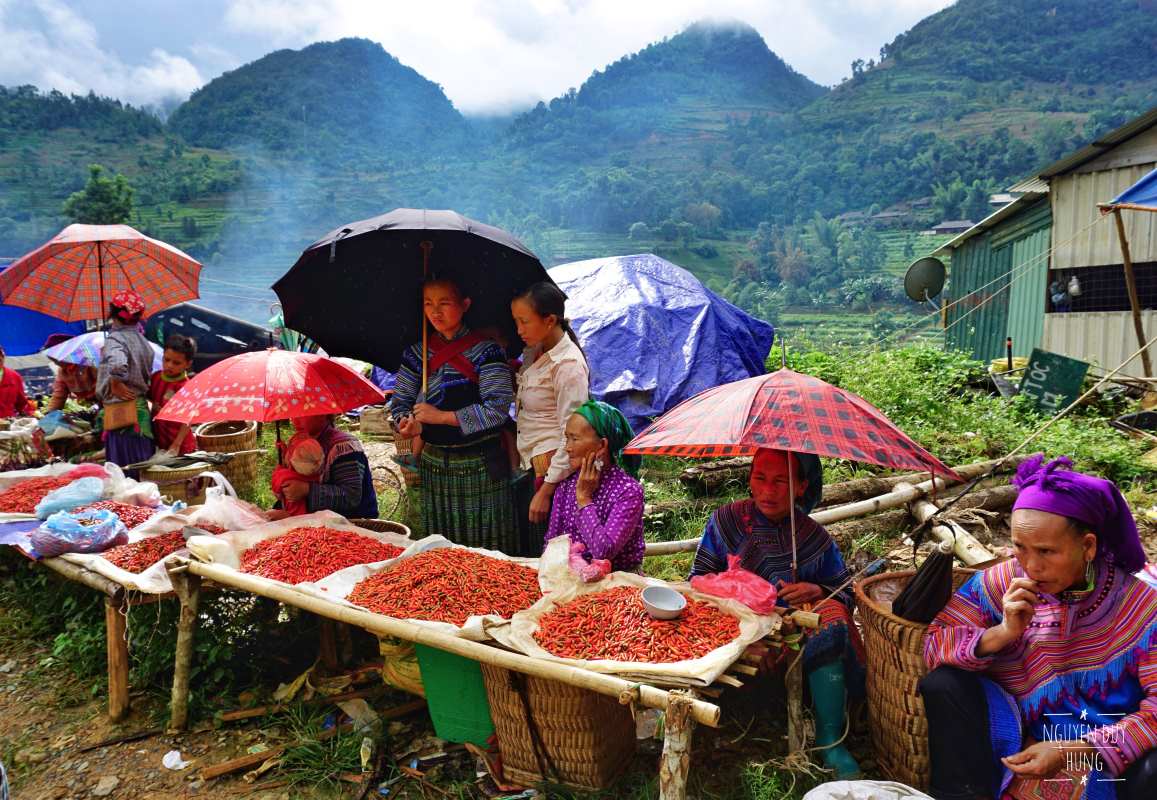
• Visit Bac Ha Market on Sunday for one of the region’s most colorful weekly gatherings.
• Stop at local homes and workshops to learn more about traditional textiles and handicrafts.
• Stay outside the center of town for quieter mornings and open views across the surrounding valleys.
Exploring Sapa’s Villages
Sapa Town is only the starting point. Much of what makes the region worth visiting lies in the valleys and villages beyond it.
Lao Chai and Ta Van are among the best known villages in Muong Hoa Valley and work well for travelers who want to combine walking with views of rice terraces and rural life.
Ta Phin offers a different experience, with Red Dao communities, farmland and quieter walking routes through the countryside.
Cat Cat is much closer to Sapa Town and can be visited on a shorter walk. It is more developed for visitors, but remains a convenient option for travelers with limited time.
For those willing to travel further, Bac Ha is known for its Sunday market, where people from surrounding highland communities gather to trade produce, livestock, textiles and everyday goods.
We recommend choosing villages according to the time available and the type of experience you want rather than trying to visit too many places in one day.
Walking and Trekking in Sapa
You do not need to be an experienced trekker to enjoy Sapa on foot.
Short walks can last a few hours and are suitable for travelers who simply want to spend time in the countryside. Longer routes can continue through several villages, with steeper paths and more varied terrain.
Conditions also depend on the season. Trails can become muddy after rain, while warmer months may be more humid. A local guide is particularly useful for choosing a suitable route and understanding the communities you pass along the way.
For families and multi generational travelers, we can keep walks shorter and combine them with private vehicle transfers so everyone can enjoy the countryside at a comfortable pace.
Best Time to Visit Sapa
Sapa can be visited throughout the year, but the scenery and weather change considerably from season to season.
March to May generally brings pleasant temperatures and good conditions for walking. The valleys become greener as the warmer months approach.
June to August is warm and often wet. The rice terraces are usually at their greenest during this period, although rain can make some walking trails slippery.
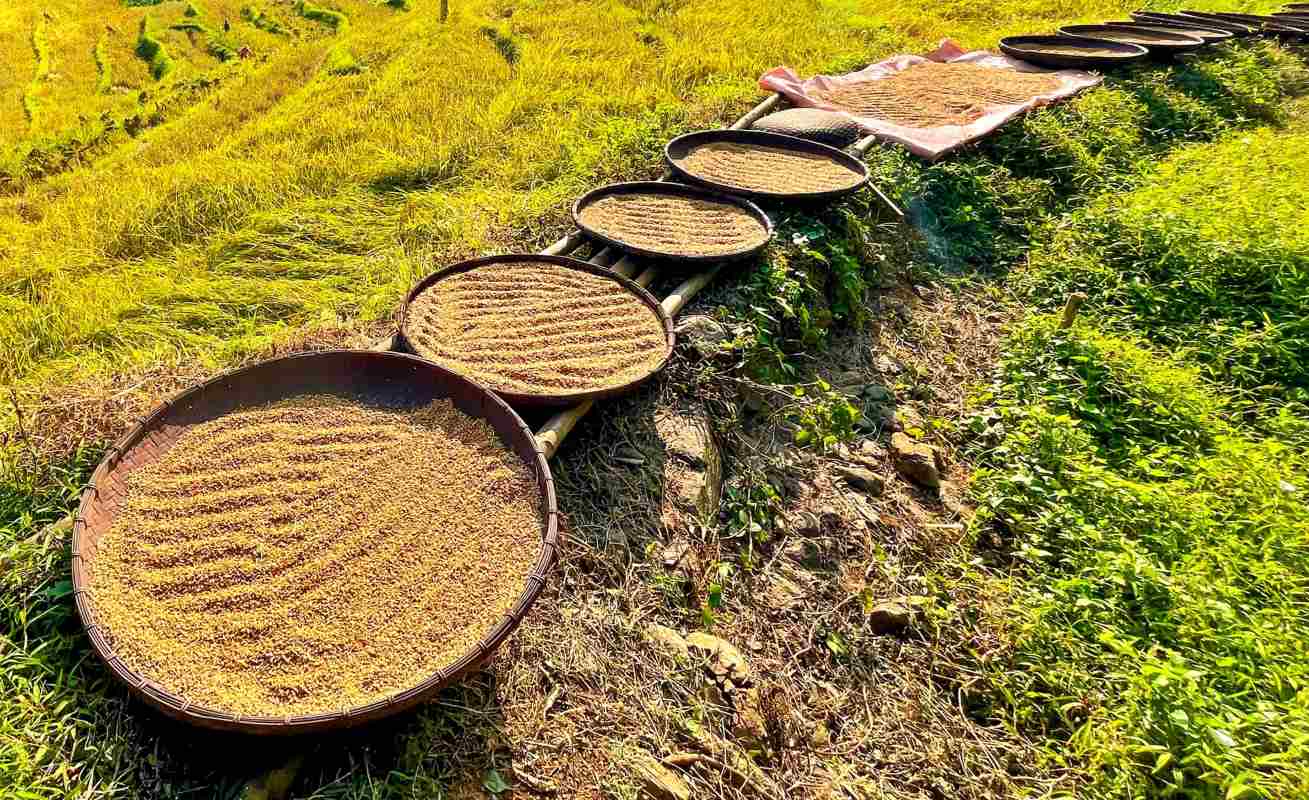
September and early October are particularly attractive around harvest season, when many of the rice terraces turn golden.
October to November usually brings cooler, drier weather and good visibility on clear days.
December to February can be cold, cloudy and misty, especially in the mornings and evenings. The atmosphere is quieter, but mountain views are less predictable.
Sapa’s weather can change quickly, so it is worth allowing some flexibility in outdoor plans.
How Long to Stay in Sapa
For most travelers, two to three nights works well.
Two nights gives enough time for a village walk, Fansipan and some time in Sapa Town.
Three nights allows a more relaxed pace and gives you the option to explore another valley, visit a local market or spend longer walking through the countryside.
Travelers who enjoy hiking, photography or rural experiences may want to stay longer.
Where to Stay
Sapa offers everything from small mountain lodges to comfortable hotels and luxury resorts.
Sapa Town is convenient for restaurants, cafés, the market and access to Fansipan. It suits travelers who prefer to stay close to the center and have plenty of facilities nearby.
The surrounding valleys are better for travelers who want more peace, mountain views and easier access to village walks. Several lodges and resorts outside town offer a quieter experience while remaining within reasonable driving distance of the main sights.
For LuxeTravel Asia journeys, we usually choose accommodation based on the view, location, service and overall atmosphere rather than star rating alone.
Sapa With LuxeTravel Asia
Sapa works best when the itinerary is not overloaded.
Rather than visiting village after village, we prefer to choose a few places that suit your interests and allow enough time to walk, stop and take in the surroundings.
A private local guide can adjust the route according to the weather, trail conditions and your preferred walking level. Families can choose shorter walks with vehicle support, while more active travelers can spend longer exploring the valleys on foot.
We can also combine Sapa with Fansipan, Bac Ha Market or quieter mountain areas depending on your schedule.
The aim is simple: enough structure to make the most of your time, but enough flexibility to enjoy the mountains without feeling rushed.
Continue Your Journey
Most journeys to Sapa begin and end in Hanoi, with comfortable road connections making the journey easier than in the past.
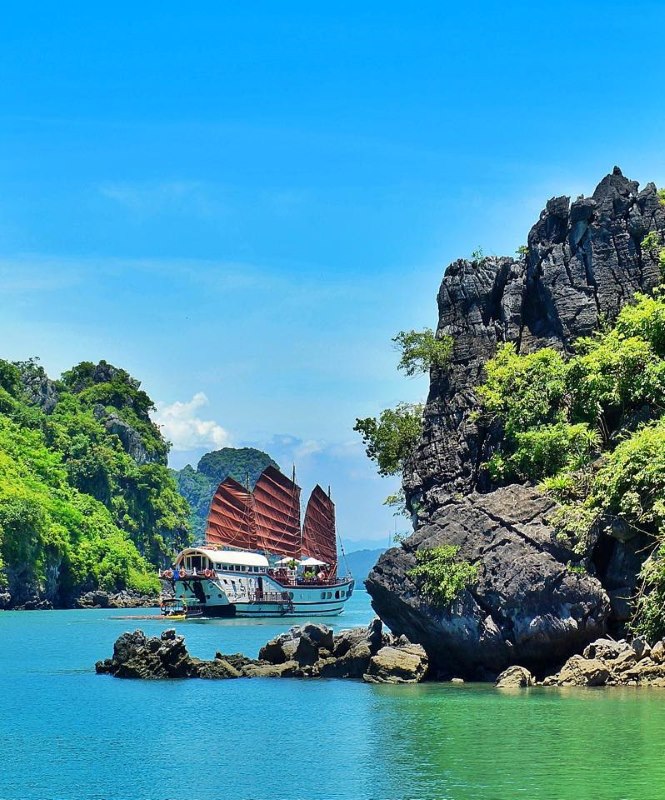
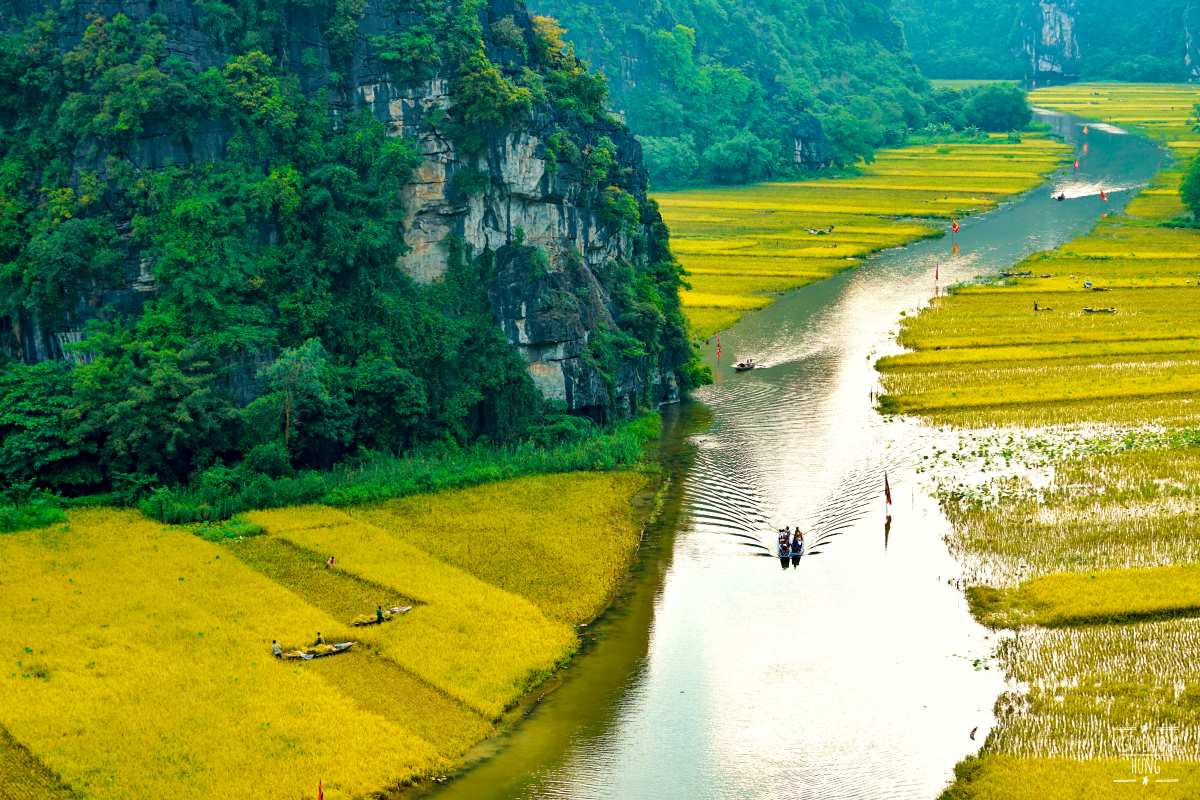
From Hanoi, continue to Halong Bay for an overnight cruise or travel south towards Ninh Binh for another side of Northern Vietnam’s countryside.
For travelers looking to explore further into the mountains, Sapa can also form part of a longer Northern Vietnam journey through Ha Giang and other remote highland areas.
Explore All Our Tours
Discover inspiring ways to experience Vietnam, from short escapes to in depth journeys across the country.