Hoi An
Hoi An is one of Central Vietnam’s most enjoyable places to spend a few unhurried days. Its historic centre is known for old merchant houses, temples, narrow streets and the Thu Bon River, while just beyond town are rice fields, vegetable gardens, craft villages and a long stretch of coastline. Explore the old town in the morning, cycle through the countryside in the afternoon, join a cooking experience or spend time at the beach before returning to the river after sunset. Hoi An is compact and easy to explore, but its appeal goes well beyond the streets of the ancient town.

The Character of Hoi An
A town best enjoyed without rushing
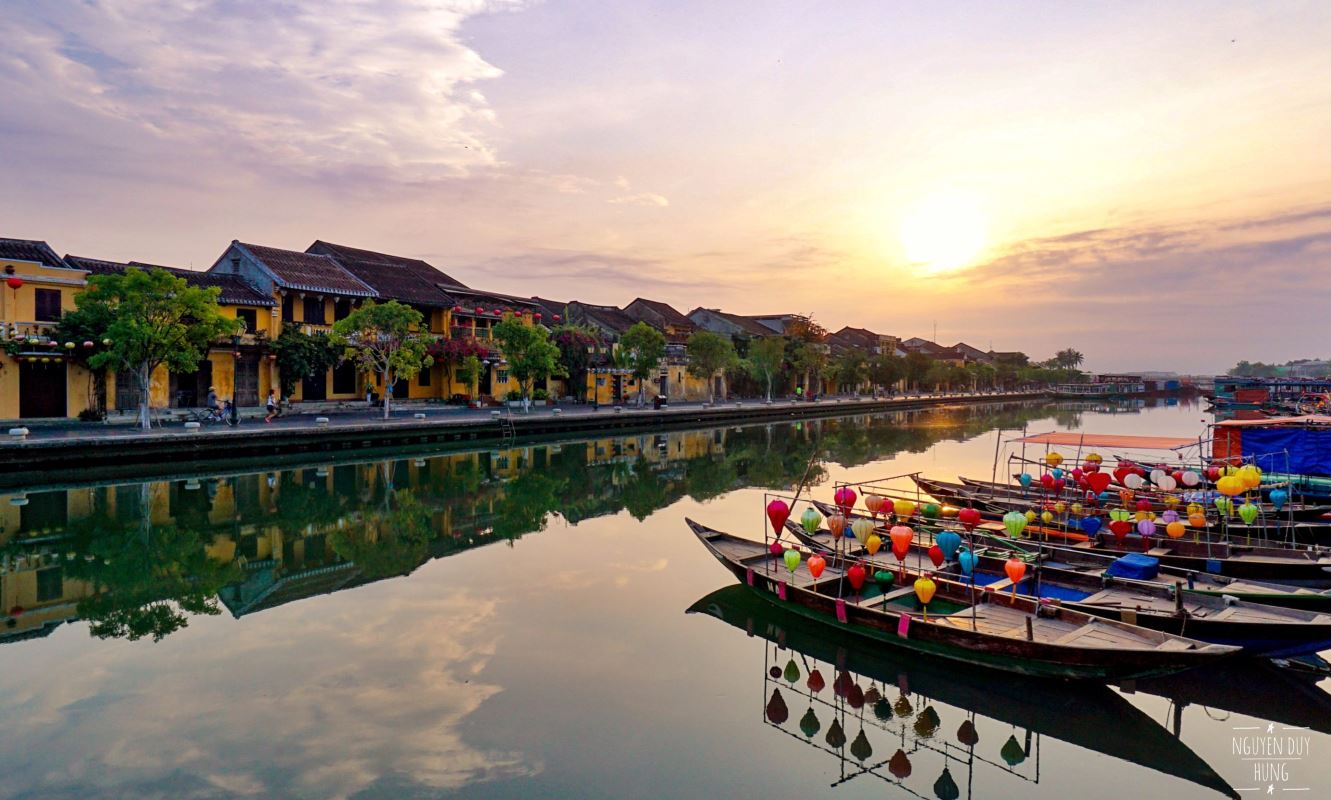
Hoi An has been a trading port for centuries, and its history can still be read in the architecture of the old town. Chinese assembly halls, Vietnamese family houses, temples and former merchant residences stand close together along narrow streets leading towards the Thu Bon River.
The historic center is small enough to explore on foot. In the morning, the streets are quieter and local markets are busy with everyday trade. Later in the day, cafés, shops and restaurants fill with visitors, and by evening the riverfront takes on a different character as lanterns light the streets and boats move slowly across the water.
But Hoi An becomes more interesting when you spend time beyond the old town.
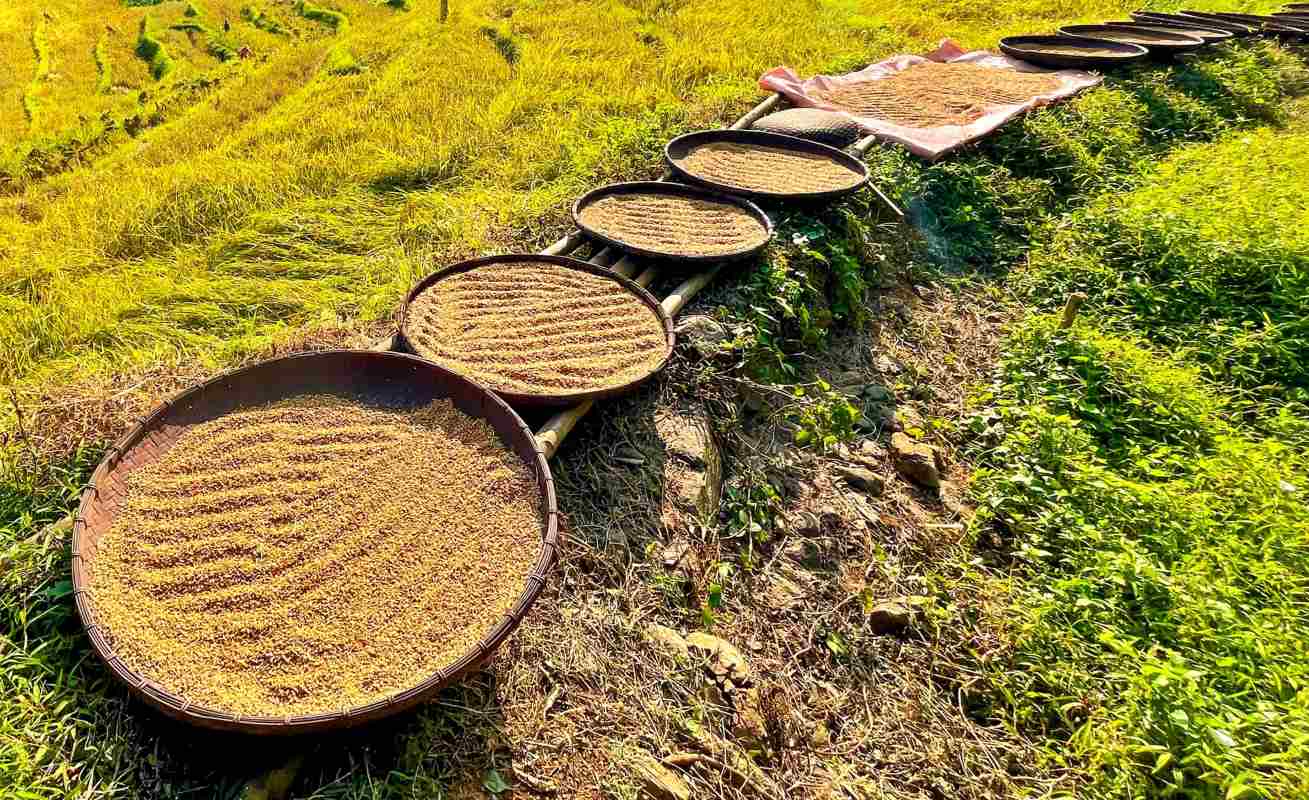
A short bicycle ride brings you into rice fields and small villages. Tra Que is known for its vegetable gardens, while Cam Kim has long been associated with traditional crafts and rural life. Further towards the coast, An Bang offers an easy place to spend an afternoon by the sea.
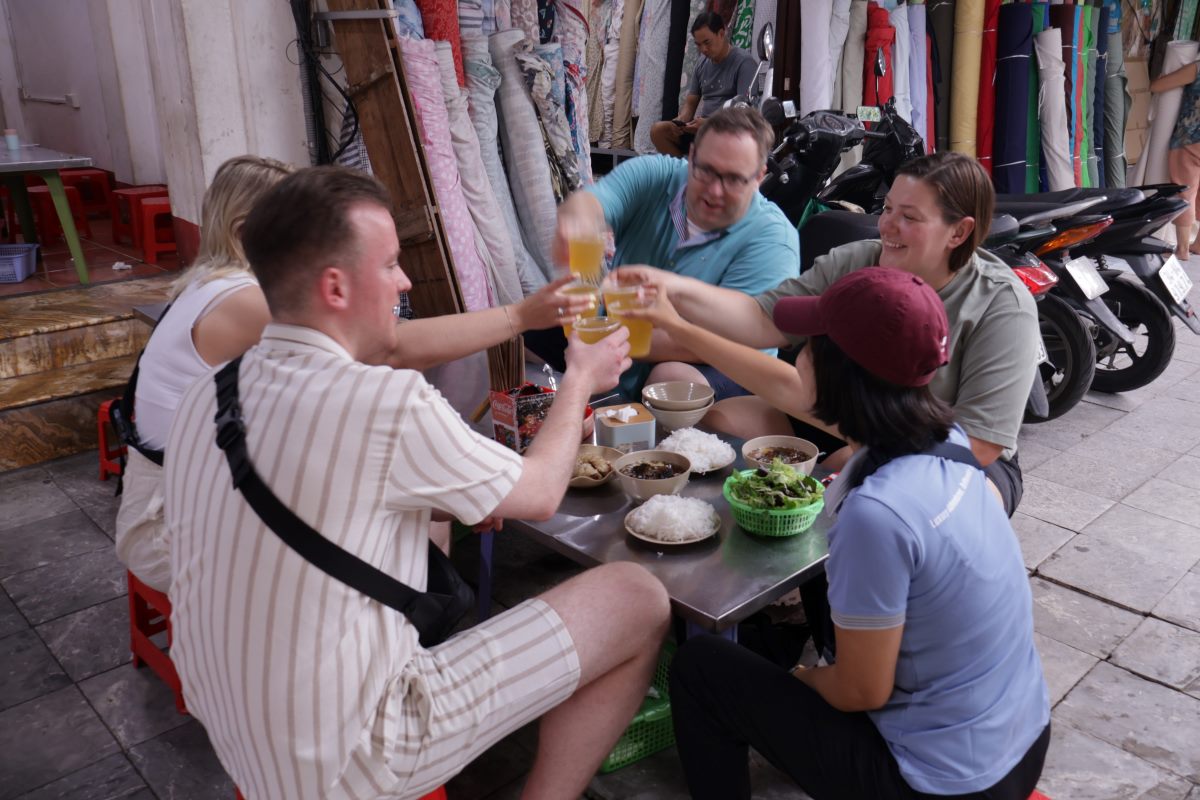
Food, craft and family traditions are also an important part of the experience here. Cooking with local ingredients, making a lantern, visiting a family workshop or sharing lunch in a village can provide a more personal introduction to Hoi An than simply walking from one historic building to another.
Hoi An is popular, particularly in the evening, but it is still possible to experience it at a quieter pace. The key is often timing. Early mornings, small countryside roads and a free afternoon can reveal as much about the destination as its best known sights.
Why Visit Hoi An
Walk through one of Vietnam’s best preserved historic towns
Hoi An’s old streets bring together architecture and cultural influences from centuries of regional trade. The town is compact enough to explore comfortably on foot.
Experience more than the ancient town
Rice fields, vegetable gardens, rivers and villages begin only a short distance from the historic centre, making it easy to combine culture with countryside experiences.
Discover local crafts
Tailoring, lantern making, woodworking and other crafts remain part of Hoi An’s identity. Carefully chosen workshops offer an opportunity to meet local artisans and understand how these traditions continue today.
Explore Central Vietnamese food
Hoi An has its own distinctive dishes alongside wider Central Vietnamese cuisine. Markets, family kitchens and small local restaurants provide plenty of ways to experience the destination through food.
Combine sightseeing with time by the sea
An Bang and the surrounding coast allow travelers to add a beach afternoon or several slower days without leaving the Hoi An area.
Travel at your own pace
Hoi An works particularly well for private journeys because there is no need to fill every day. Walking, cycling, food, crafts and beach time can be arranged around the pace that suits you.
Experiences We Love in Hoi An
• Explore the ancient town early in the morning before the streets become busier.
• Visit old merchant houses, assembly halls and small temples with a local guide.
• Cycle through rice fields and villages outside the town.
• Spend time in the gardens of Tra Que and learn how local families grow herbs and vegetables.
• Join a hands on cooking experience using ingredients from the surrounding countryside.
• Make a traditional lantern with a local artisan.
• Cross the Thu Bon River towards Cam Kim and visit family run craft workshops.
• Enjoy an evening walk beside the river once the lanterns begin to light the old town.
• Spend a relaxed afternoon at An Bang Beach.
Exploring Hoi An Ancient Town
The ancient town is the historic heart of Hoi An and is best explored on foot.
Old merchant houses stand beside Chinese assembly halls, temples and small family businesses, reflecting the town’s long history as an international trading port.
Japanese Covered Bridge
The Japanese Covered Bridge is one of Hoi An’s best known landmarks and a reminder of the Japanese community that once lived and traded here.
Its central location makes it an easy part of a walking exploration of the old town rather than a destination that needs to be visited on its own.
Old Merchant Houses
Several historic houses remain open to visitors and offer a closer look at traditional architecture, family altars and the way merchants once lived and worked.
Assembly Halls
Hoi An’s Chinese assembly halls are among the most decorative buildings in the town. Each was associated with different Chinese communities and served both social and religious purposes.
A local guide helps connect these individual sites into the broader story of Hoi An rather than treating them as a checklist of monuments.
Beyond the Ancient Town
Hoi An changes quickly once you leave the historic center.
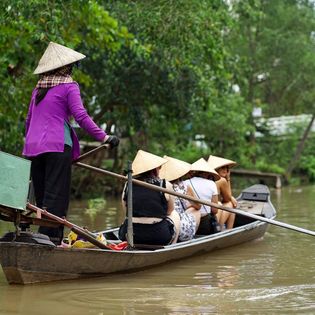
Small roads cross rice fields and connect farming and craft villages around the town. The pace is quieter, and cycling is often the easiest way to explore.
Tra Que Vegetable Village
Tra Que lies between Hoi An and the coast and is known for its gardens of herbs and vegetables.
Visits can include time with local farmers, gardening activities and cooking experiences using ingredients grown in the village.
Cam Kim
Across the Thu Bon River, Cam Kim offers a more rural setting with small roads, family homes and traditional crafts.
Cycling through the area allows time to visit workshops and see a quieter side of daily life around Hoi An.
The Thu Bon River
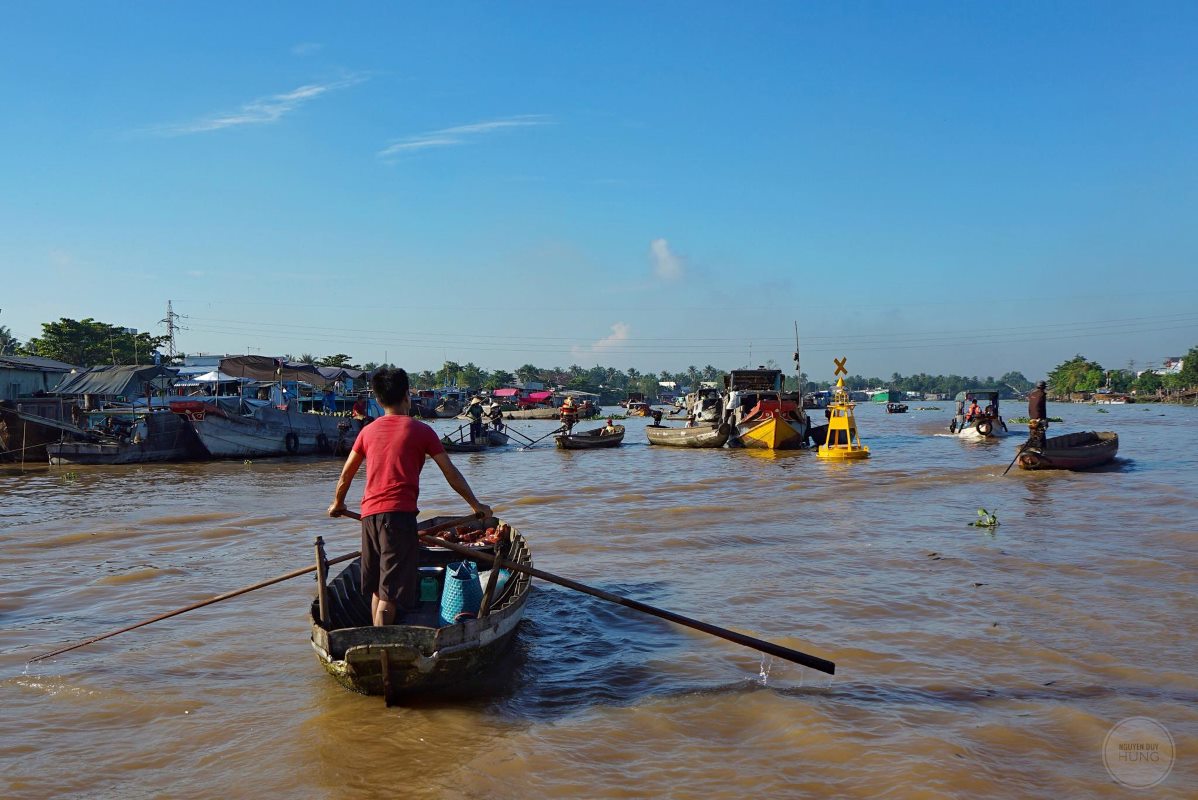
The river has played an important role in Hoi An’s history and remains central to the character of the town.
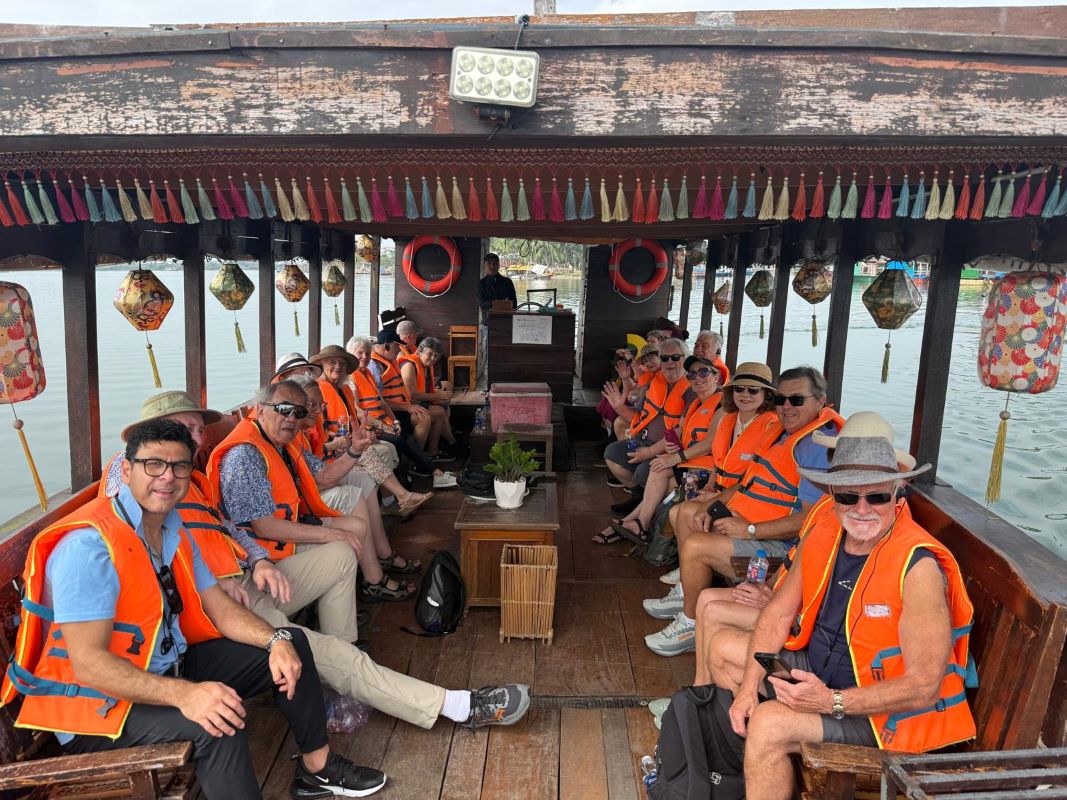
Short boat journeys can be combined with village visits or simply enjoyed towards the end of the day when the temperature is cooler.
Cycling Around Hoi An
Hoi An is one of the easiest places in Vietnam to explore by bicycle.
The countryside immediately outside the town is relatively flat, and quiet roads pass through rice fields, villages and gardens.
A short ride may last only a couple of hours, while longer routes can continue towards Cam Kim, Tra Que or the coast.
Cycling works particularly well for families because distances can be adjusted easily and private vehicle support can be arranged when needed.
We prefer routes that focus on the countryside and local communities rather than spending too much time cycling through busy urban traffic.
The Flavors of Hoi An
Hoi An has a number of dishes closely associated with the town.
Cao lau combines thick noodles, pork, herbs and crisp toppings and is perhaps the dish most strongly connected with Hoi An.
White rose dumplings, locally known as banh bao banh vac, are another speciality traditionally produced by local families.
Com ga Hoi An is the town’s version of chicken rice, served with herbs, shredded chicken and a flavorful rice base.
You will also find excellent banh mi, fresh seafood and many dishes shared with the wider cuisine of Quang Nam and Central Vietnam.
Food experiences can range from market visits and cooking classes to simple meals in small local restaurants. We usually prefer a mixture rather than turning every meal into an organised activity.
Hoi An and the Beach
Hoi An is close enough to the coast to combine cultural exploration with several hours or several days by the sea.
An Bang Beach
An Bang is the best known beach close to Hoi An and has a relaxed collection of restaurants, cafés and small accommodation options.
It works particularly well for an easy afternoon after sightseeing or as a quieter base for travelers who still want convenient access to the old town.
Beach Resorts
Several resorts are located between Hoi An and Da Nang, offering larger pools, gardens and direct access to the coast.
For families or couples planning a longer stay, combining a few days of exploration with resort time can create a more comfortable rhythm than moving immediately to another destination.
Local Crafts and Hands On Experiences
Hoi An has a long tradition of craft and small family businesses.
Lantern making is one of the easiest activities to include and works particularly well for families. A good workshop is less about producing a perfect souvenir and more about learning how the bamboo frame and fabric are put together.
The surrounding villages also offer opportunities to learn about woodworking, weaving and other local crafts.
Cooking experiences are another strong option. Some begin at a market or vegetable garden before continuing to a local kitchen, allowing guests to understand the ingredients before preparing the dishes.
We prefer smaller experiences where there is genuine interaction rather than large group activities designed mainly for photographs.
Best Time to Visit Hoi An
Hoi An can be visited throughout the year, but weather conditions vary considerably between seasons.
February to April is one of the most pleasant periods, with generally comfortable temperatures for walking and cycling.
May to August is warmer and works well for travelers who want to combine sightseeing with beach time. Outdoor activities are often more comfortable early in the morning or later in the afternoon.
September to December is the wetter season in Central Vietnam. Heavy rainfall can occur, and Hoi An’s low lying position means parts of the old town can occasionally experience flooding.
January is usually cooler, with variable sunshine and occasional rain.
For travelers particularly interested in beach time, we pay close attention to seasonal weather rather than assuming conditions will be the same as Southern Vietnam.
How Long to Stay in Hoi An
For most travelers, three nights works very well.
This gives enough time to explore the ancient town, spend half a day in the countryside and still have some free time for food, shopping or the beach.
Four nights is even better for families and couples who want a slower pace or would like to include cooking, cycling and a full free day.
Travelers using Hoi An as both a cultural destination and beach break may comfortably stay five nights or longer.
Hoi An is one of those places where an extra free day rarely feels wasted.
Where to Stay
Hoi An offers several distinct areas, and the right choice depends on how you want to spend your time.
Near the Ancient Town
Staying within walking or easy cycling distance of the historic center is convenient for first time visitors who want restaurants, shops and the evening atmosphere close by.
The Countryside
Properties among rice fields and villages offer a quieter setting while remaining only a short journey from the old town.
This can be an excellent choice for couples and travelers who value space and a more relaxed atmosphere.
An Bang and the Coast
Staying closer to the beach works well for longer visits, particularly for families who want to divide their time between sightseeing and the sea.
Resort Coast towards Da Nang
Larger luxury resorts offer extensive facilities, private beaches, swimming pools, spas and more room for families.
For LuxeTravel Asia journeys, we choose the location according to the balance you want between old town access, countryside atmosphere, beach time and resort facilities.
Hoi An With LuxeTravel Asia
Hoi An offers so much to do that it is easy to make the mistake of planning too much.
We prefer to leave room in the itinerary.
One morning might be spent cycling through the countryside and cooking with a local family. Another could begin with a guided walk through the old town before leaving the afternoon completely free.
Families can combine lantern making, gentle cycling and the beach without turning every day into sightseeing. Couples may prefer a private countryside experience followed by a long lunch and an evening beside the river.
We also plan around timing. Visiting the ancient town earlier in the day, choosing quieter countryside routes and allowing free evenings can make a significant difference in a destination as popular as Hoi An.
The aim is not simply to see Hoi An. It is to have enough time to enjoy being there.
Continue Your Journey
Hoi An combines naturally with Da Nang, which is also the main gateway for flights throughout Vietnam and the wider region.
Travel north and the road continues across the Hai Van Pass towards Hue, creating one of the classic cultural journeys through Central Vietnam.
Travelers with more time can also continue north towards Phong Nha Ke Bang, or fly from Da Nang to Hanoi, Ho Chi Minh City or other parts of Southeast Asia.
Explore All Our Tours
Discover inspiring ways to experience Vietnam, from short escapes to in depth journeys across the country.