Mekong River Delta
South of Ho Chi Minh City, the Mekong Delta spreads across a wide network of rivers, canals, farmland and towns before the river reaches the sea. Life here has long been closely connected to the water, from boats carrying produce between communities to orchards, coconut groves and family workshops along smaller canals. A good journey through the delta is less about one famous attraction and more about moving slowly between waterways, villages and local homes. Ben Tre offers an easy introduction to the countryside, while Can Tho brings a livelier riverside city and early morning activity on the Mekong. Stay overnight if time allows and the delta begins to feel very different from a quick day trip from Ho Chi Minh City.
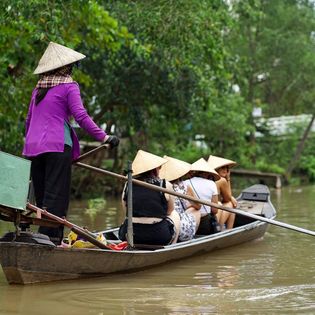
The Character of the Mekong Delta
Life follows the river
The Mekong Delta is not one destination but a large region of rivers, towns, islands and agricultural communities spread across Southern Vietnam.
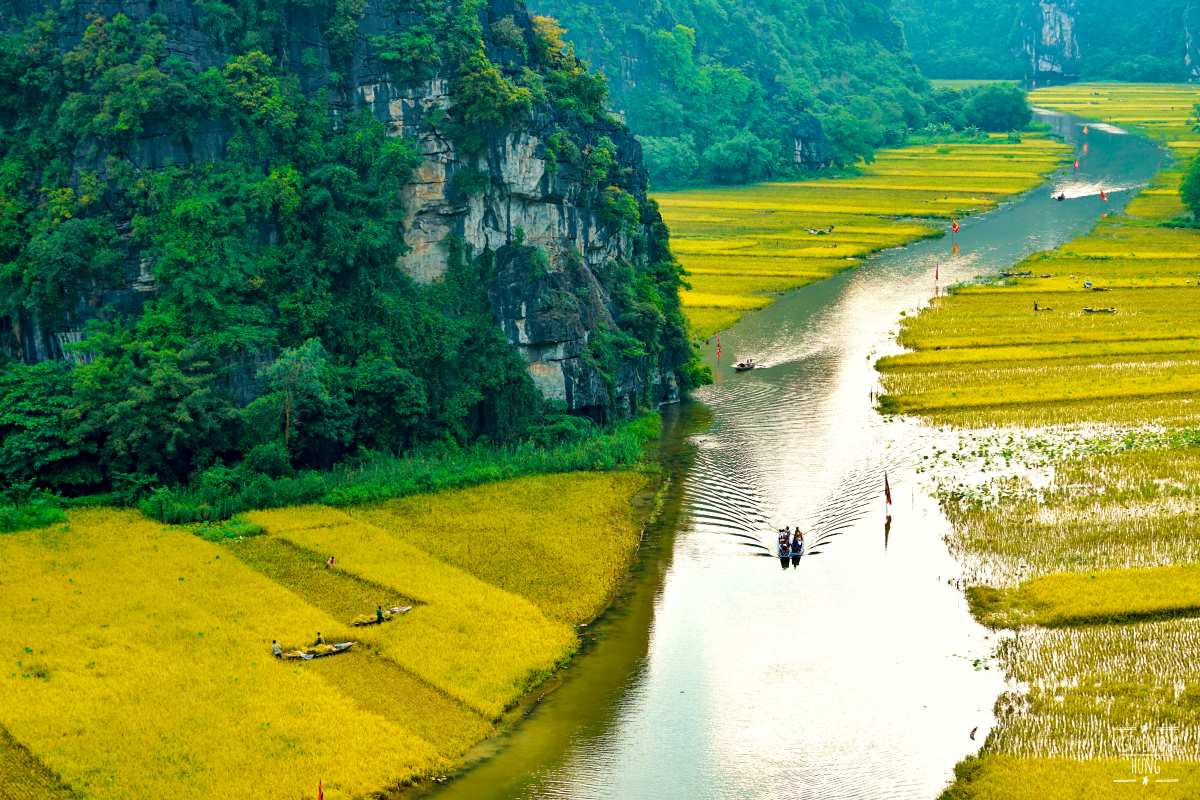
Water has influenced almost every aspect of life here. Rivers and canals have traditionally connected villages, carried produce to market and provided water for farms and orchards. Even as roads and bridges have changed how people travel, the waterways remain central to the character of the region.
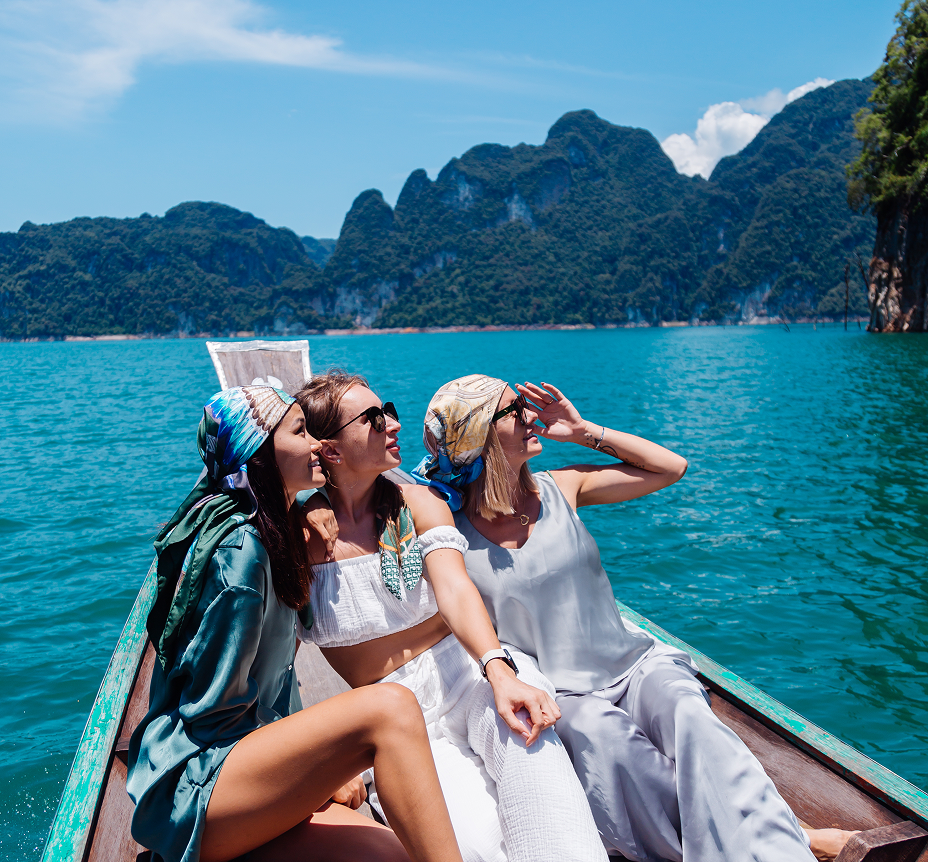
For travelers, the experience often begins on a boat.
Larger rivers gradually narrow into smaller channels lined with palms, fruit trees and houses facing the water. In areas such as Ben Tre, coconut groves extend across much of the countryside, while small workshops produce coconut candy, mats and other everyday goods. Narrow village roads are well suited to cycling, and simple meals in family homes or local restaurants offer a chance to experience the food of the south away from the city.
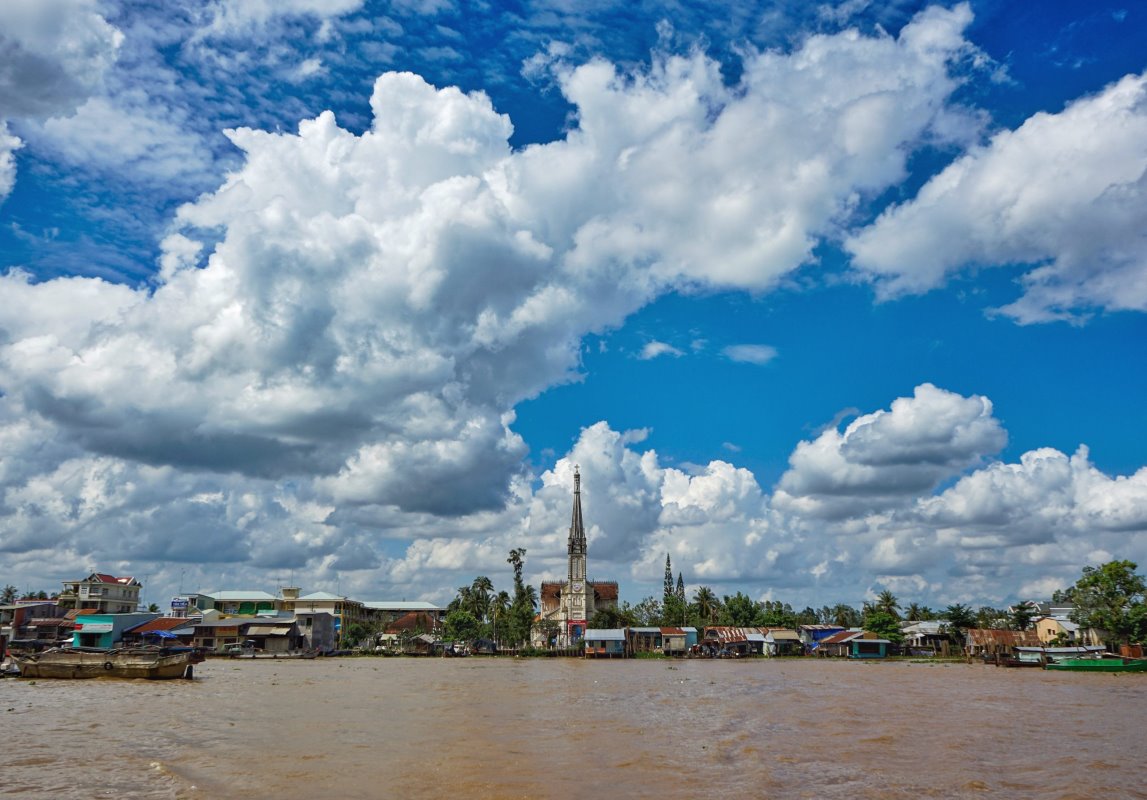
Further into the delta, Can Tho feels more urban. The riverside is lively in the evening, while early mornings bring boats onto the Hau River around Cai Rang. The floating market today is different from the much larger trading scenes of the past, but it remains closely associated with the river culture of the region.
The Mekong is at its best when the day is not rushed. A smaller boat through a quiet canal, a stop at an orchard, lunch beside the river and a bicycle ride through a village often tell you more about the delta than trying to cover several provinces in one day.
Why Visit the Mekong Delta
Experience life beyond Vietnam’s major cities
The delta offers a complete change from Ho Chi Minh City, with waterways, orchards, farms and small communities replacing busy urban streets.
Travel along the waterways
Boats remain one of the most enjoyable ways to explore the region, particularly on smaller canals where the landscape becomes more intimate.
Visit farms and family workshops
Coconut products, rice noodles, tropical fruit and other local goods are produced throughout the delta, often by small family businesses.
Cycle through the countryside
Flat village roads make parts of the Mekong Delta particularly suitable for relaxed cycling through orchards, fields and rural communities.
Discover Southern Vietnamese food
Fresh fruit, river fish, coconut, herbs and locally grown produce are central to meals throughout the region.
Stay overnight and see a different side of the delta
Once the day visitors return to Ho Chi Minh City, evenings and early mornings offer a much quieter experience.
Experiences We Love in the Mekong Delta
• Travel by small boat through narrow canals lined with palms and riverside homes.
• Cycle along quiet village roads through orchards and coconut groves.
• Visit a family workshop producing coconut candy, rice noodles or other local products.
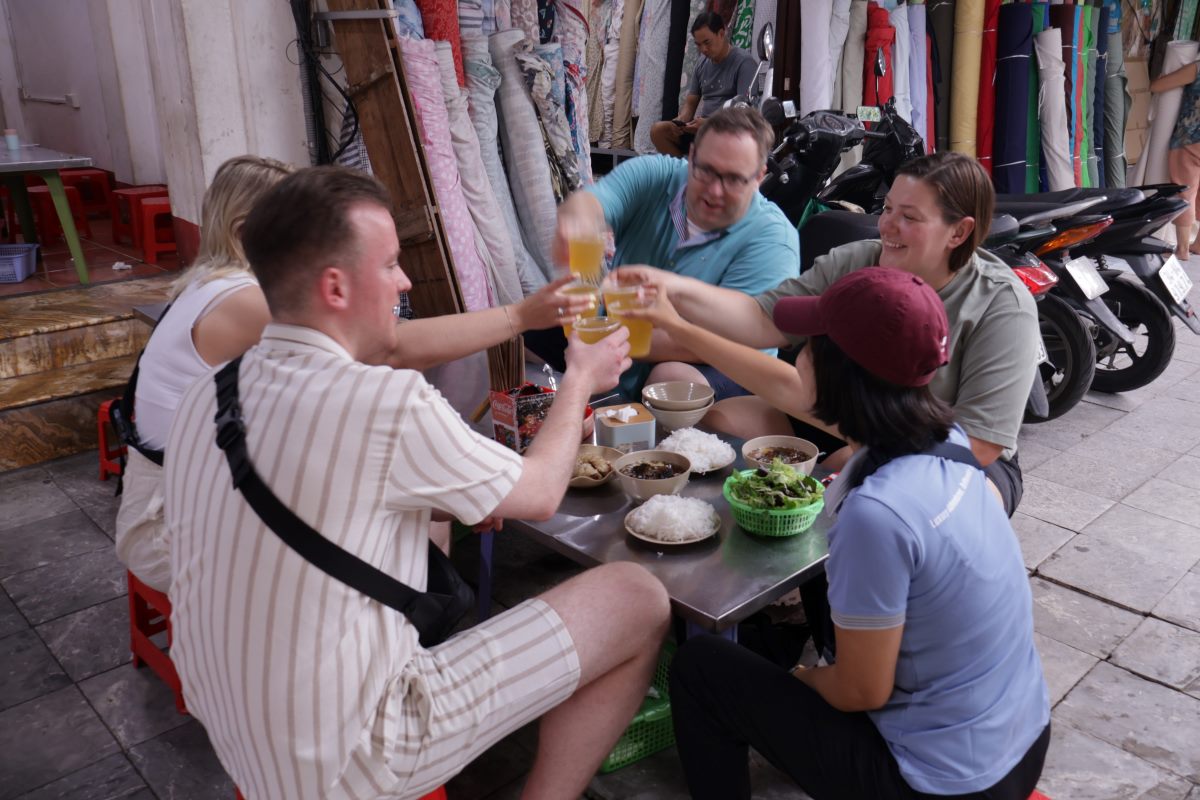
• Share lunch in a local home or countryside restaurant.
• Taste tropical fruit in an orchard when produce is in season.
• Spend a night beside the river rather than returning immediately to Ho Chi Minh City.
• Leave before sunrise in Can Tho to experience the early morning activity around Cai Rang.
• Walk through a local market and see the ingredients used in everyday Southern Vietnamese cooking.
• Travel deeper into the delta towards Chau Doc for a different mix of river life, agriculture and cultural influences.
Where to Go in the Mekong Delta
The Mekong Delta covers a large area, and choosing where to go matters more than trying to see everything.
Ben Tre
Ben Tre is one of our favorite introductions to the delta.
Coconut groves dominate much of the countryside, while small canals, village roads and family workshops make the area well suited to boat journeys and cycling.
Its relative proximity to Ho Chi Minh City means Ben Tre can be visited in a day, although staying overnight creates a much more relaxed experience.
Can Tho
Can Tho is the largest city in the delta and works particularly well for travelers who want to experience both urban river life and the surrounding countryside.
The riverside becomes lively in the evening, while early morning boat trips head towards Cai Rang and smaller communities outside the city.
Can Tho is also a useful base for travelers continuing deeper into the region.
Chau Doc
Close to the Cambodian border, Chau Doc has a different atmosphere again.
The area brings together Vietnamese, Khmer, Cham and Chinese cultural influences, while the surrounding landscape includes waterways, rice fields and the low hills around Sam Mountain.
Chau Doc is particularly useful for travelers continuing by river towards Phnom Penh, creating a natural connection between Vietnam and Cambodia.
Ben Tre and the Coconut Country
Coconut palms are part of the landscape almost everywhere in Ben Tre.
Local families use different parts of the coconut for food, sweets, oil, household products and handicrafts. Small workshops can be found throughout the countryside, many of them still operating as family businesses.
A typical day may begin on a larger branch of the Mekong before transferring to a smaller boat or sampan to explore narrower canals.
Cycling can then take you further into the villages, where roads pass between gardens, houses and coconut groves.
We prefer experiences that give enough time to see how people actually live and work rather than moving rapidly between staged demonstrations.
Can Tho and Cai Rang
Can Tho offers one of the delta’s most familiar river experiences.
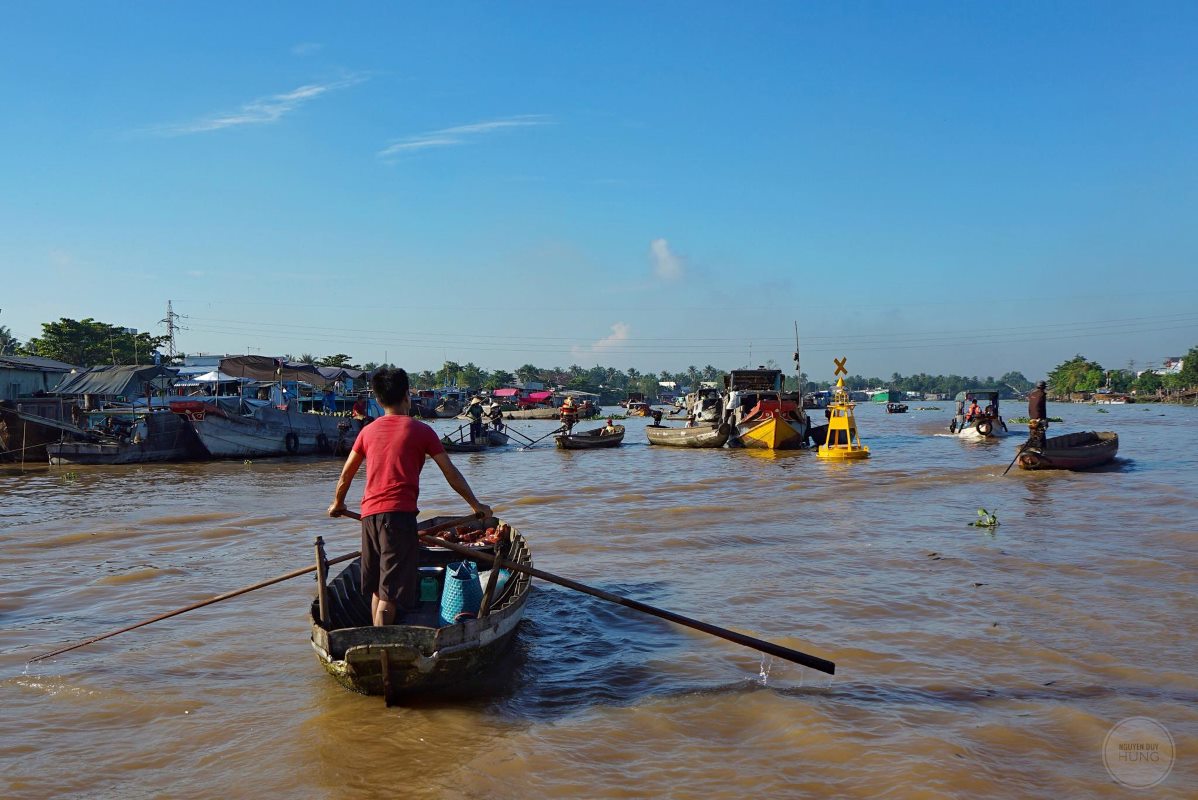
Early in the morning, boats travel along the Hau River towards Cai Rang, where produce is still traded from vessel to vessel.
The market has changed considerably as road transport has developed, and it should not be expected to resemble the enormous floating markets often shown in older photographs.
For us, the value of the morning lies in experiencing the river itself.
Leaving the city while it is still quiet, watching riverside communities begin their day and continuing into smaller waterways can make the journey more interesting than the market alone.
Afterwards, visits to noodle workshops, orchards or countryside communities can be included before returning to Can Tho.
Exploring by Boat and Bicycle
Boat and bicycle journeys complement each other particularly well in the Mekong Delta.
A boat allows you to understand how settlements developed around the rivers, while cycling takes you into areas that cannot be seen from the main waterways.
Much of the countryside is flat, so cycling can be gentle and suitable for families as well as occasional riders.
Routes can be kept short and combined with private vehicle transfers where necessary.
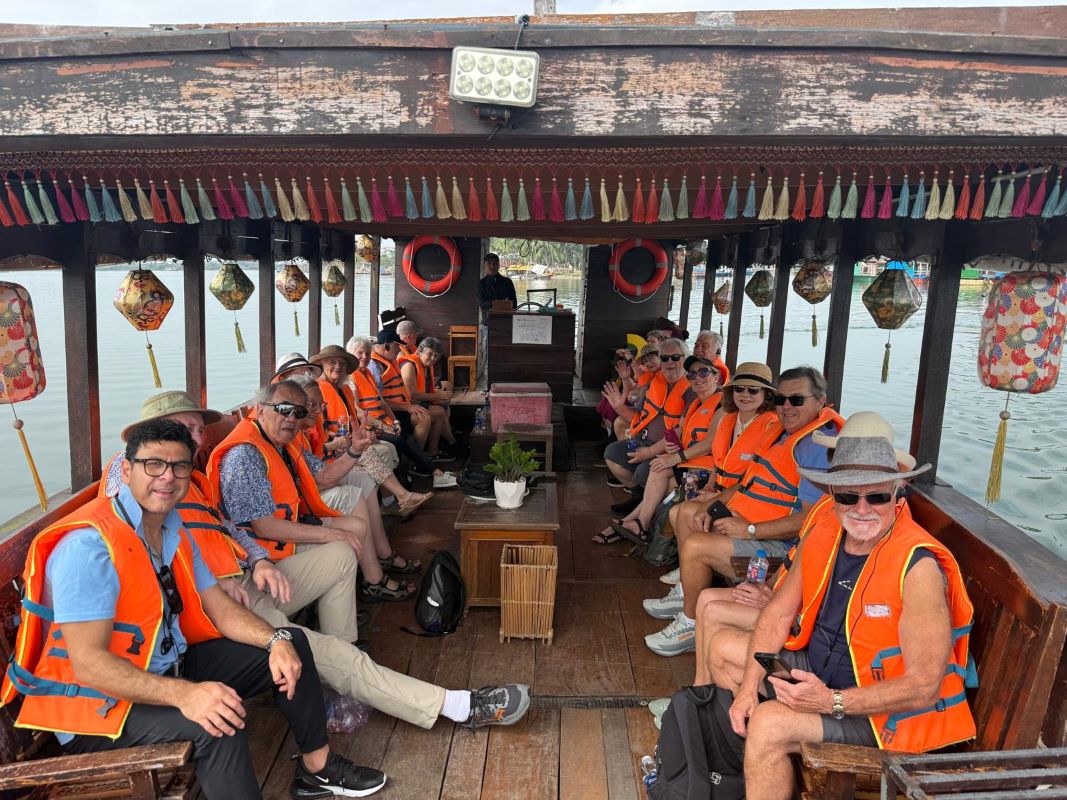
On the water, we prefer smaller boats for the narrower canals whenever possible. Large riverboats have their place, but a simple sampan moving slowly beneath palms often provides a much closer view of the delta.
The Flavors of the Mekong Delta
Food in the Mekong reflects the abundance of the surrounding land and water.
Tropical fruit, coconut, freshwater fish, prawns, herbs and vegetables appear throughout local meals.
Elephant ear fish is one of the dishes often associated with the region, usually served whole and wrapped with rice paper, herbs and vegetables.
Soups, grilled fish and simple family style dishes are common, while each province has its own specialities.
Fruit changes with the season, including mango, rambutan, longan, pomelo, mangosteen and durian at different times of year.
Rather than creating a formal tasting menu, we prefer local lunches, market visits and orchard stops that allow food to remain part of the wider journey.
Floating Markets Today
Floating markets have long been associated with the Mekong Delta, but the way they operate has changed.
Improved roads, bridges and transport networks mean that much of the trade once carried out entirely on the river has moved onto land.
Cai Rang remains the best known floating market for visitors, but it is important to arrive with the right expectations. The number of trading boats can vary, and the experience is more rewarding when viewed as part of a wider early morning river journey rather than as a single attraction.
For travelers whose main interest is village life, food or countryside experiences, it is not essential to include a floating market at all.
The Mekong has much more to offer beyond it.
Best Time to Visit the Mekong Delta
The Mekong Delta can be visited throughout the year.
December to April generally brings drier weather and is particularly comfortable for boat journeys, cycling and countryside exploration.
May to November is the wetter season, when tropical showers are more common. Rain often comes in shorter, heavier periods rather than continuing throughout the day.
The countryside remains green during these months, and travel is still very possible.
Fruit seasons vary according to the province and crop, so travelers particularly interested in orchards should keep in mind that not every fruit is available throughout the year.
Water levels also change seasonally and can influence some smaller waterways and rural experiences.
How Long to Stay in the Mekong Delta
A day trip from Ho Chi Minh City can provide an introduction, particularly around Ben Tre.
However, we prefer one night whenever the wider itinerary allows.
An overnight stay removes the need to rush back to the city and gives you time to experience the delta in the late afternoon and early morning.
Two to three nights works well for travelers who want to combine Ben Tre, Can Tho or several different areas.
Longer journeys can continue towards Chau Doc, particularly when travelling onwards to Cambodia.
The further you travel into the delta, the more important it becomes to slow the itinerary down.
Where to Stay
Accommodation varies considerably depending on where you travel in the delta.
Countryside Lodges
Smaller lodges surrounded by gardens, orchards or waterways often provide the most natural setting for a stay in areas such as Ben Tre.
These properties may be simpler than city hotels, but location and atmosphere can make them particularly rewarding.
Riverside Hotels
Can Tho offers a wider range of comfortable hotels, including properties along or close to the river.
These work well for travellers who want convenient access to the city while still being able to begin an early morning boat journey easily.
Boutique Rural Retreats
A growing number of smaller properties combine greater comfort with countryside settings.
For LuxeTravel Asia journeys, we prioritise location, cleanliness, service and the quality of the surrounding experience rather than choosing according to star rating alone.
The Mekong Delta With LuxeTravel Asia
The Mekong Delta can easily become a sequence of boats, workshops and short stops if the day is planned too tightly.
We prefer a simpler approach.
In Ben Tre, that might mean travelling by boat into smaller waterways, cycling through the countryside and having lunch with a local family before spending the afternoon at a riverside lodge.
In Can Tho, we may begin early on the river, visit Cai Rang and then continue away from the main route towards smaller communities and orchards.
Families can keep cycling short and choose comfortable boats, while couples may prefer a private overnight journey with more time beside the river. Travellers continuing to Cambodia can travel deeper through the delta towards Chau Doc rather than returning to Ho Chi Minh City.
The aim is not to recreate an image of the Mekong from decades ago. It is to experience the delta as it is today, through the people, waterways and communities that continue to make their lives here.
Continue Your Journey
Most journeys into the Mekong Delta begin from Ho Chi Minh City, with Ben Tre providing one of the easiest introductions to the region.
Continue further south towards Can Tho for an overnight stay and early morning river journey.
Travellers heading towards Cambodia can continue west to Chau Doc before travelling onwards to Phnom Penh, creating a natural overland and river connection between the two countries.
For those returning to Ho Chi Minh City, the journey can continue towards Mui Ne, Phu Quoc or other destinations in Southern Vietnam.
Explore All Our Tours
Discover inspiring ways to experience Vietnam, from short escapes to in depth journeys across the country.