Mui Ne
Mui Ne stretches along the coast near Phan Thiet, with sandy beaches, fishing communities and some of Vietnam’s most unusual coastal landscapes. The red and white sand dunes lie only a short drive from the sea, while fishing boats gather offshore and local markets remain closely connected to life on the water. Resorts line much of the coast, making Mui Ne an easy place to slow down for a few days, but there is enough beyond the beach to keep the stay interesting. Explore the dunes early in the morning, walk through the shallow waters of the Fairy Stream, try fresh seafood or leave an afternoon completely free by the pool.
The Character of Mui Ne
Where the coast meets the dunes
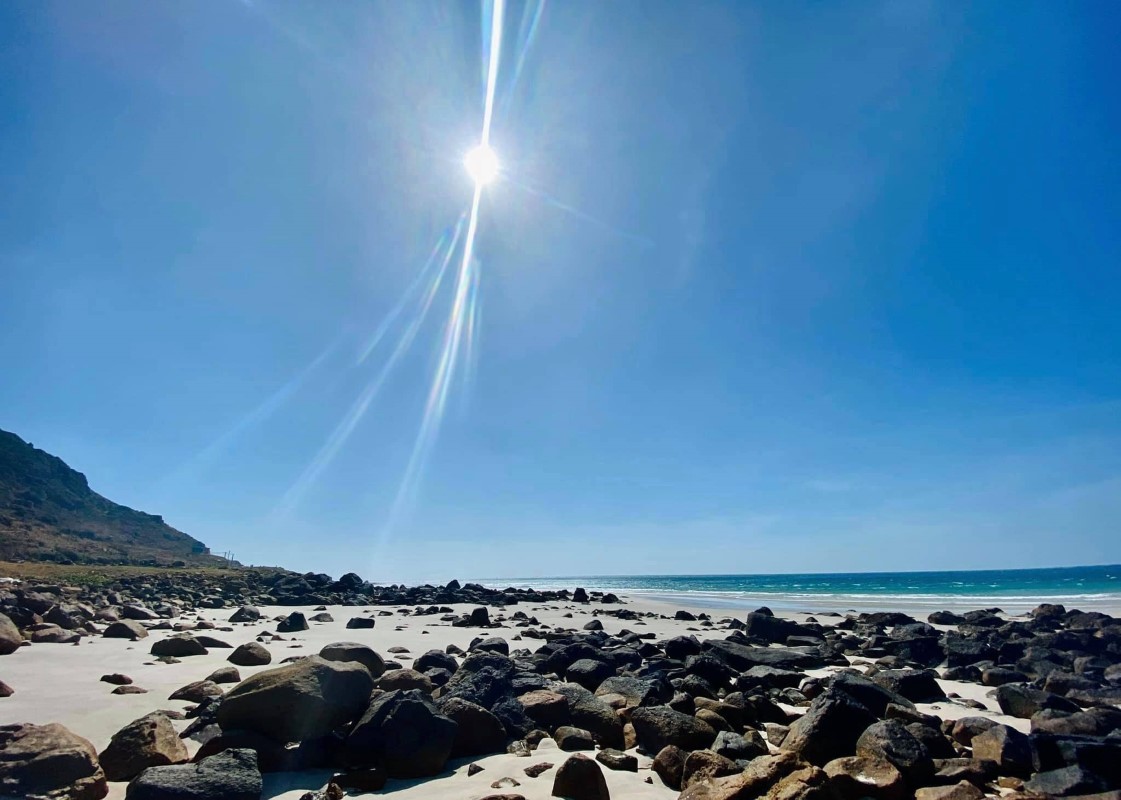
Mui Ne feels different from Vietnam’s other major beach destinations. The sea is always close, but travel only a short distance inland and the landscape opens into broad sand dunes, dry hills and coastal roads that can feel far removed from the greener countryside found elsewhere in the country.
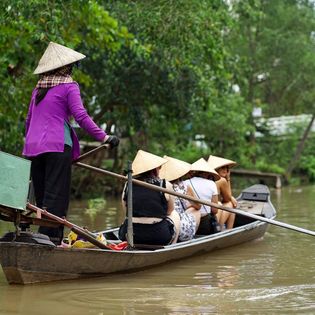
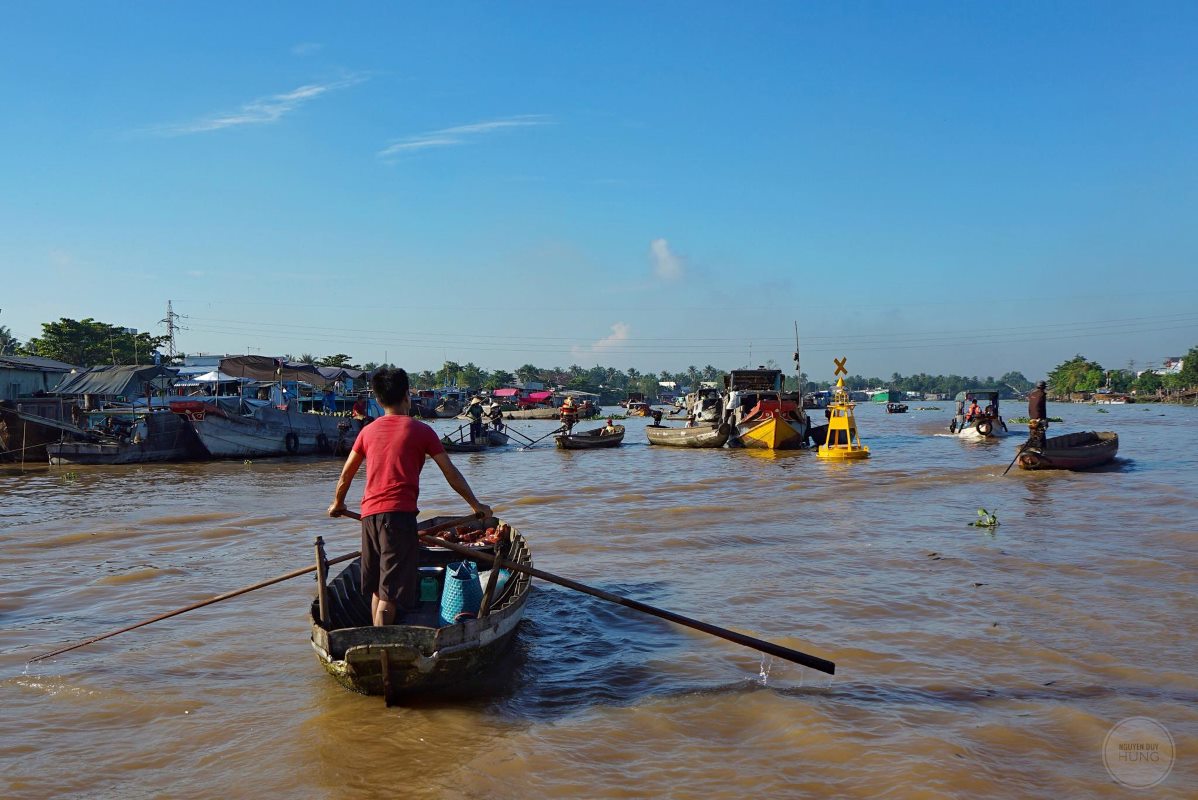
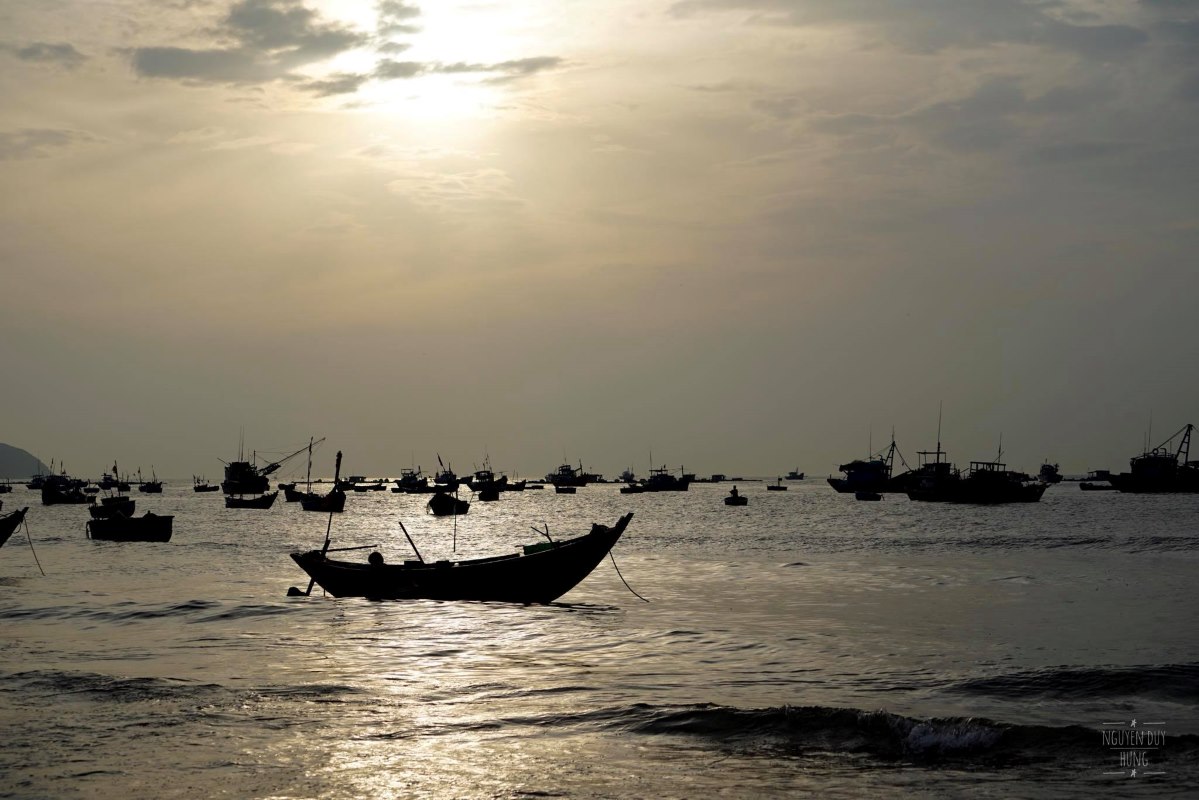
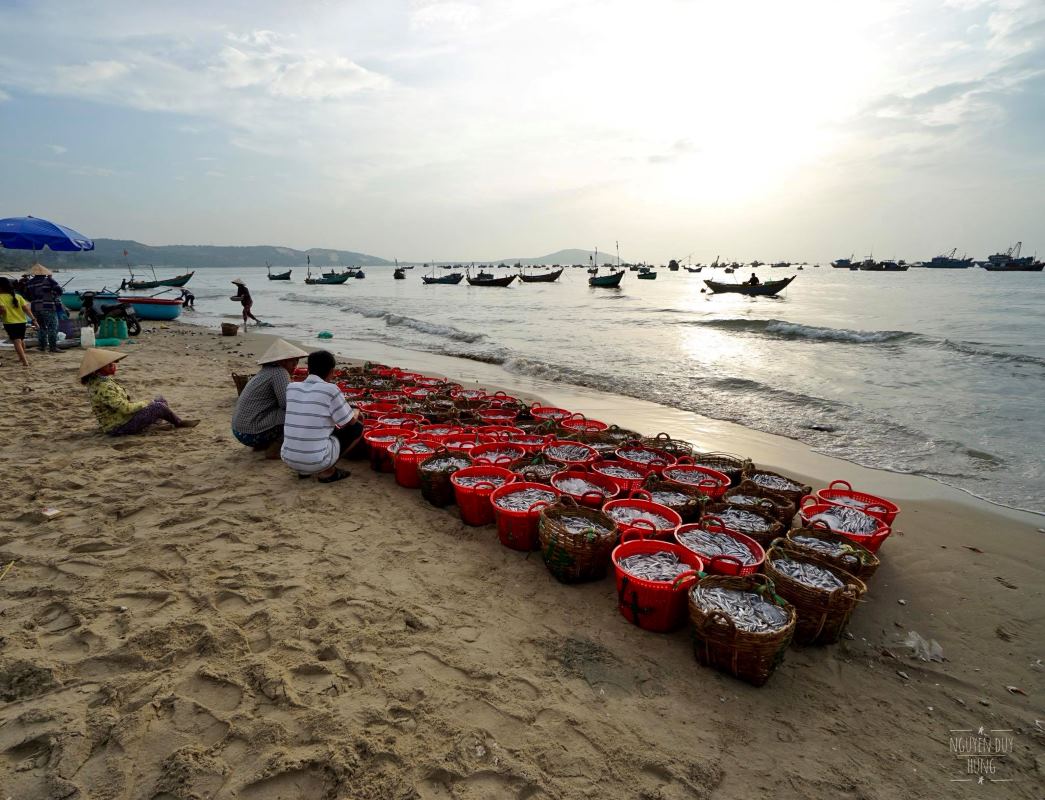
The original fishing village remains an important part of the area. Colorful boats gather in the bay, small round basket boats move between the shore and larger vessels, and seafood continues to play a central role in local life.
Further along the coast, Mui Ne has developed into a long resort area with hotels, restaurants and cafés spread between the beach and the main road. Some parts are lively, while others feel noticeably quieter, particularly around the larger resorts outside the busiest sections.
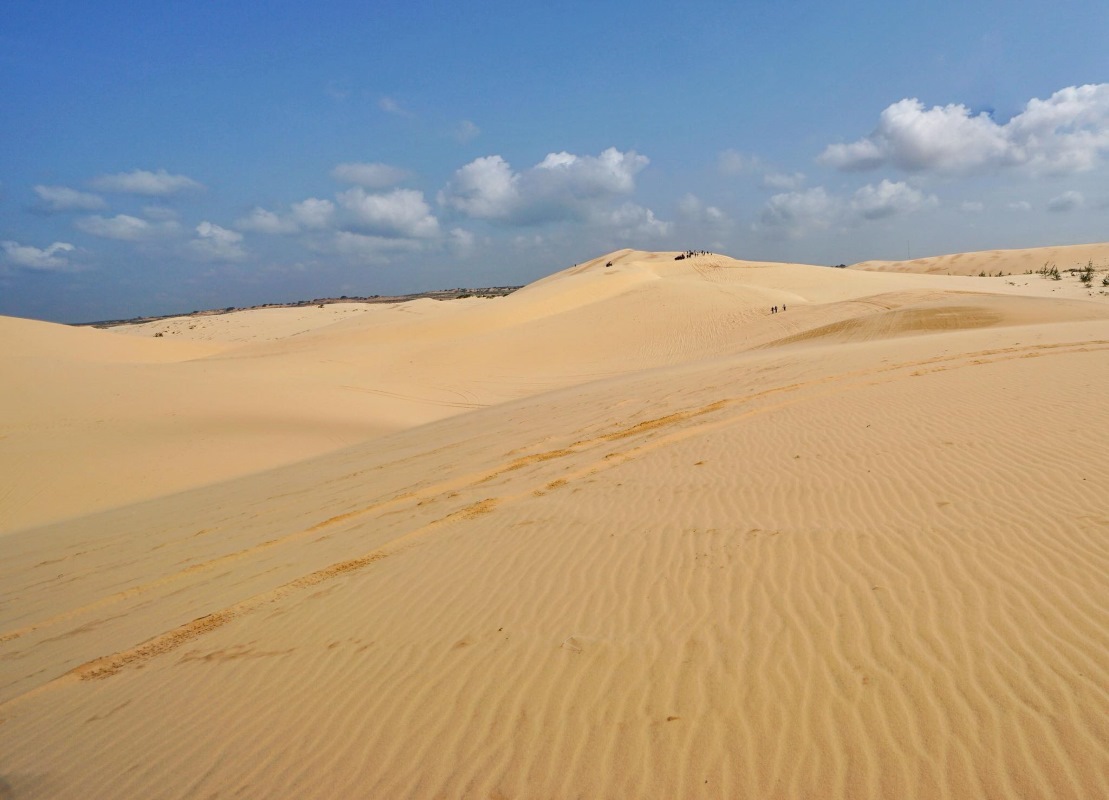
The dunes provide the strongest contrast. At the White Sand Dunes, wide stretches of sand rise around freshwater lakes, while the smaller Red Sand Dunes sit closer to town. Visiting early in the morning offers cooler temperatures and softer light before the day becomes warmer.
Mui Ne is not a destination that requires a full sightseeing schedule. One morning exploring the dunes, another visiting the fishing village and plenty of time by the sea is often enough. Its appeal comes from the combination of unusual landscapes and the freedom to leave parts of the day unplanned.
Why Visit Mui Ne
See a different coastal landscape
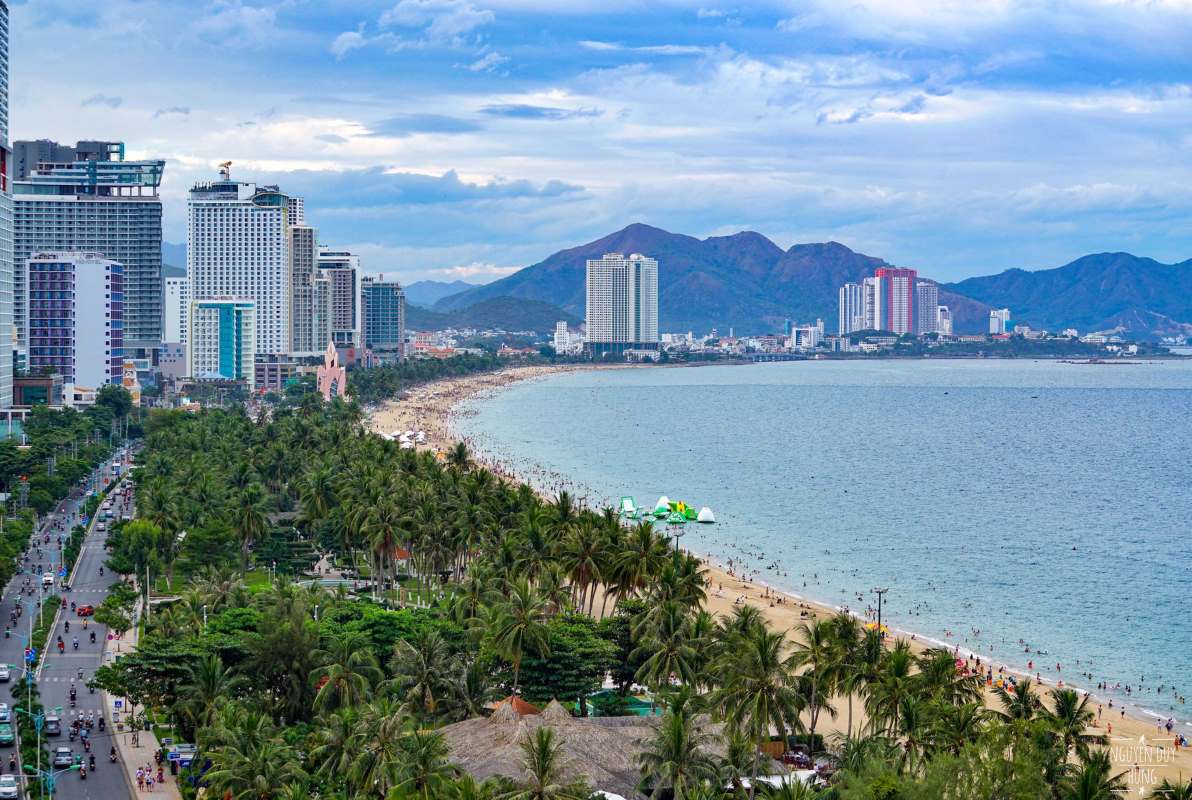
Beaches, dunes, dry hills and fishing villages sit surprisingly close together, giving Mui Ne a character quite different from Nha Trang or Da Nang.
Explore the White and Red Sand Dunes
The dunes are among Mui Ne’s best known sights and are particularly enjoyable in the early morning when temperatures are cooler and the landscape is less busy.
Spend a few days by the sea
Mui Ne has a good range of beachfront resorts, making it easy to add some rest time towards the end of a longer Vietnam journey.
Discover local fishing life
Fishing remains closely connected to the identity of Mui Ne. Boats, seafood markets and small coastal communities provide a glimpse of everyday life beyond the resort area.
Try watersports
Mui Ne is well known for wind based watersports, particularly kitesurfing, with seasonal conditions attracting both beginners and experienced riders.
Combine activity with free time
A stay here can include dunes, coastal sightseeing and local food without becoming busy. There is still plenty of room for the beach, pool and long lunches.
Experiences We Love in Mui Ne
• Visit the White Sand Dunes early in the morning when the air is cooler and the light is softer.
• Walk across the Red Sand Dunes before continuing along the coast.
• Stop above Mui Ne Fishing Village and watch the boats gathering in the bay.
• Walk barefoot through the shallow water of the Fairy Stream.
• Try fresh seafood at a simple local restaurant near the coast.
• Spend a completely free afternoon at your beachfront resort.
• Learn the basics of kitesurfing or another watersport when seasonal conditions are suitable.
• Travel along the coastal roads outside Mui Ne to see a quieter side of the region.
The Sand Dunes of Mui Ne
The dunes are what make Mui Ne unusual among Vietnam’s coastal destinations.
White Sand Dunes
The White Sand Dunes cover a much larger area and feel more open and remote.
Sand stretches around several freshwater lakes, creating a landscape that changes noticeably with the morning light. Sunrise visits are popular, although an early start after sunrise can sometimes offer a more relaxed experience.
Walking on the dunes is the simplest way to explore, while other activities are available locally for travellers looking for something more active.
Red Sand Dunes
The Red Sand Dunes are smaller and much closer to central Mui Ne.
Their warmer coloured sand looks particularly attractive in the softer light of early morning or late afternoon. Because access is easy, the area can become busy, so timing matters.
The two dune areas are different enough to visit together when you have the time, although we do not feel every traveller needs to spend several hours at each.
Mui Ne Fishing Village
Fishing was part of Mui Ne long before beach resorts arrived.
From viewpoints above the bay, hundreds of colorful boats can sometimes be seen offshore, particularly in the morning. Closer to the water, basket boats bring fish and seafood between the larger vessels and the shore.
The area is busiest early in the day when catches are brought in and traded.
Rather than treating the fishing village as a quick photo stop, we prefer to include it as part of a wider morning along the coast, perhaps combined with the dunes and a local food stop.
Fairy Stream
The Fairy Stream is a shallow waterway running between sandy formations and vegetation near Mui Ne.
Visitors walk directly through the ankle deep water, with the landscape gradually changing from tropical greenery to red and white sandstone formations.
The walk is easy and does not require special equipment, although simple footwear that can get wet is useful.
It makes a pleasant contrast to the beach and dunes and can be included easily within a half day exploration of Mui Ne.
Beaches and Resort Time
Mui Ne’s coastline varies considerably from one area to another.
Some sections have broad sandy beaches, while others can change with seasonal tides, winds and coastal conditions. This makes choosing the right resort particularly important for travelers whose main priority is beach time.
Properties range from smaller boutique resorts to larger beachfront hotels with swimming pools, gardens, spas and family facilities.
We usually recommend leaving at least one full afternoon without planned activities. After several days of touring elsewhere in Vietnam, Mui Ne works best when there is time to enjoy the resort rather than simply use it as a place to sleep.
Watersports in Mui Ne
Mui Ne has long been associated with kitesurfing and windsurfing.
Wind conditions during parts of the year make the coast particularly suitable for these sports, and several local schools offer lessons for beginners as well as equipment for experienced riders.
Conditions are not the same every day or in every season, so watersports should remain flexible within the itinerary.
For travelers who are not interested in kitesurfing, there is no need to build the stay around it. The coastline, dunes and resort experience remain the main reasons to visit.
The Flavors of Mui Ne
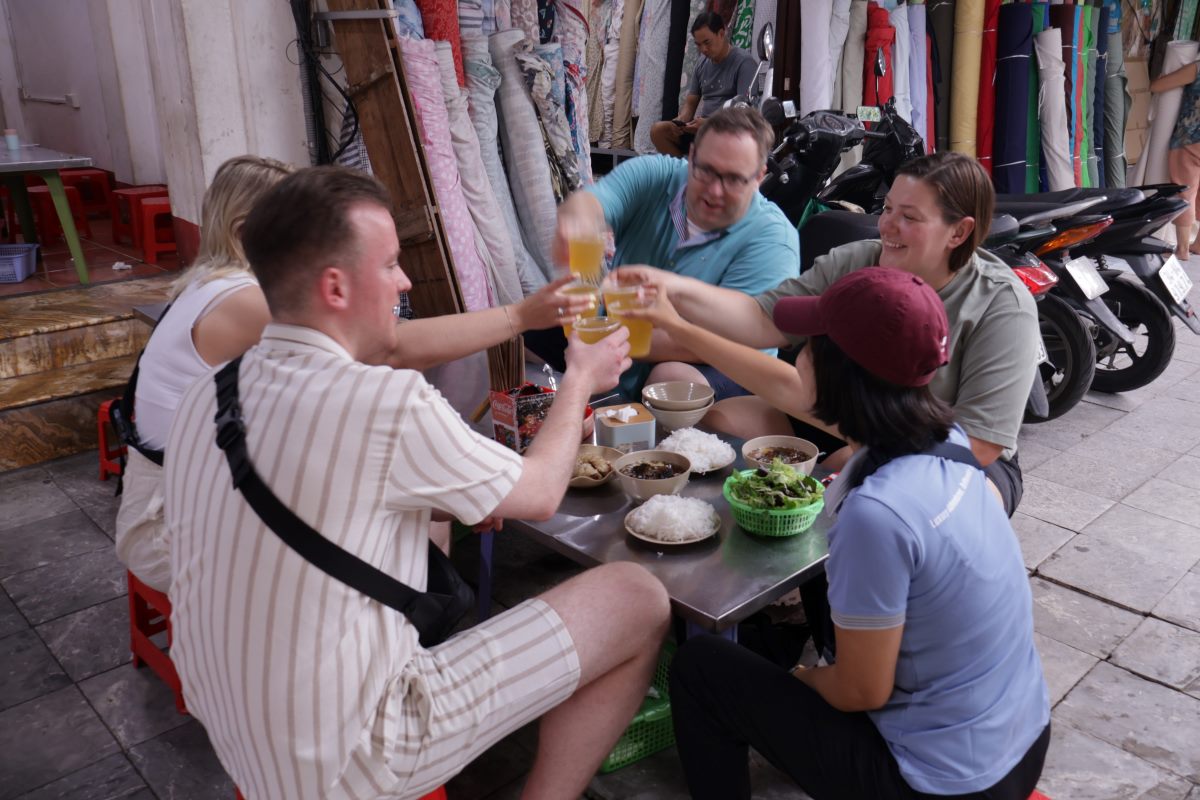
Seafood is at the center of eating in Mui Ne.
Local restaurants serve fish, squid, prawns, crab and shellfish in simple Vietnamese styles, often grilled or cooked with herbs, chili and tamarind.
Phan Thiet and the surrounding area are also known for fish sauce, an important ingredient in Vietnamese cooking that has been produced along this coast for generations.
Other local dishes include banh can, small rice cakes cooked in clay molds, and regional noodle dishes that are easy to find away from the main resort restaurants.
We usually recommend trying at least one meal at a local seafood restaurant rather than eating exclusively within the hotel.
Best Time to Visit Mui Ne
Mui Ne is one of the drier coastal areas of Vietnam and can be visited throughout much of the year.
November to April generally offers drier conditions and is one of the most popular periods for beach stays and outdoor activities.
December to March is also a well known period for stronger winds, which can suit travellers interested in kitesurfing and windsurfing.
May to October is warmer and brings a greater chance of rain, although showers are often shorter than in some other parts of Vietnam.
Beach and sea conditions can vary throughout the year, so we pay attention to both the season and the location of the resort when planning a stay.
How Long to Stay in Mui Ne
For most travelers, two to three nights works well.
Two nights gives enough time for a morning exploring the dunes and fishing village with an afternoon free at the resort.
Three nights creates a much better balance between sightseeing and relaxation.
Travelers who want Mui Ne to serve as the main beach break of their Vietnam journey may prefer four nights or longer, particularly when staying at a resort with good beach access and facilities.
Where to Stay
Mui Ne is spread along a long section of coastline, so location matters.
Central Mui Ne and Ham Tien
This area offers easy access to restaurants, cafés and local services and suits travelers who enjoy being able to leave the resort and explore independently.
Quieter Beachfront Areas
Properties further from the busiest resort strip generally offer more privacy and a calmer atmosphere.
These are often better suited to couples, honeymooners and travelers who want the resort itself to be an important part of the stay.
Phan Thiet Coast
Several larger resorts are located closer to Phan Thiet or along quieter stretches of coastline nearby.
They can work particularly well for families looking for larger pools, recreational facilities and more space.
For LuxeTravel Asia journeys, we look carefully at the quality of the beach, resort location, room type, service and seasonal conditions rather than simply choosing according to star rating.
Mui Ne With LuxeTravel Asia
Mui Ne should feel like a break from the pace of the wider journey.
We usually keep sightseeing to one well planned morning, combining the dunes, fishing village and perhaps the Fairy Stream rather than spreading short excursions across several days.
The rest of the stay can remain flexible.
Families may want a resort with a large pool and easy beach access. Couples may prefer a quieter property with more privacy, while active travelers can add kitesurfing or other watersports when conditions are right.
We also pay close attention to where you stay. Beach quality and atmosphere vary considerably along the coast, and choosing the right resort often matters more here than adding another activity.
Mui Ne works best when you have somewhere comfortable to stay, one or two reasons to leave the resort, and enough time to do very little.
Continue Your Journey
Mui Ne combines naturally with Ho Chi Minh City, making it an easy coastal extension to a journey through Southern Vietnam.
Travelers continuing along the coast can head north towards Nha Trang, while those looking for a complete change of scenery can combine Mui Ne with the cooler hills around Da Lat.
Together, Ho Chi Minh City, Mui Ne and Da Lat can create a varied southern journey through city life, coastline and highland landscapes.
Explore All Our Tours
Discover inspiring ways to experience Vietnam, from short escapes to in depth journeys across the country.
No tours found.