Da Nang
Da Nang sits on a long stretch of Central Vietnam’s coastline, with broad beaches on one side and mountains rising close to the city on the other. My Khe Beach, the Son Tra Peninsula and the Marble Mountains are all within easy reach, while Hoi An and Hue make natural extensions to a stay here. The city itself is modern and easy to explore, with riverside neighborhoods, local markets and a food scene worth making time for. For many travelers, Da Nang works best as a place to balance sightseeing with slower days by the sea.
The Character of Da Nang
A coastal city with room to slow down
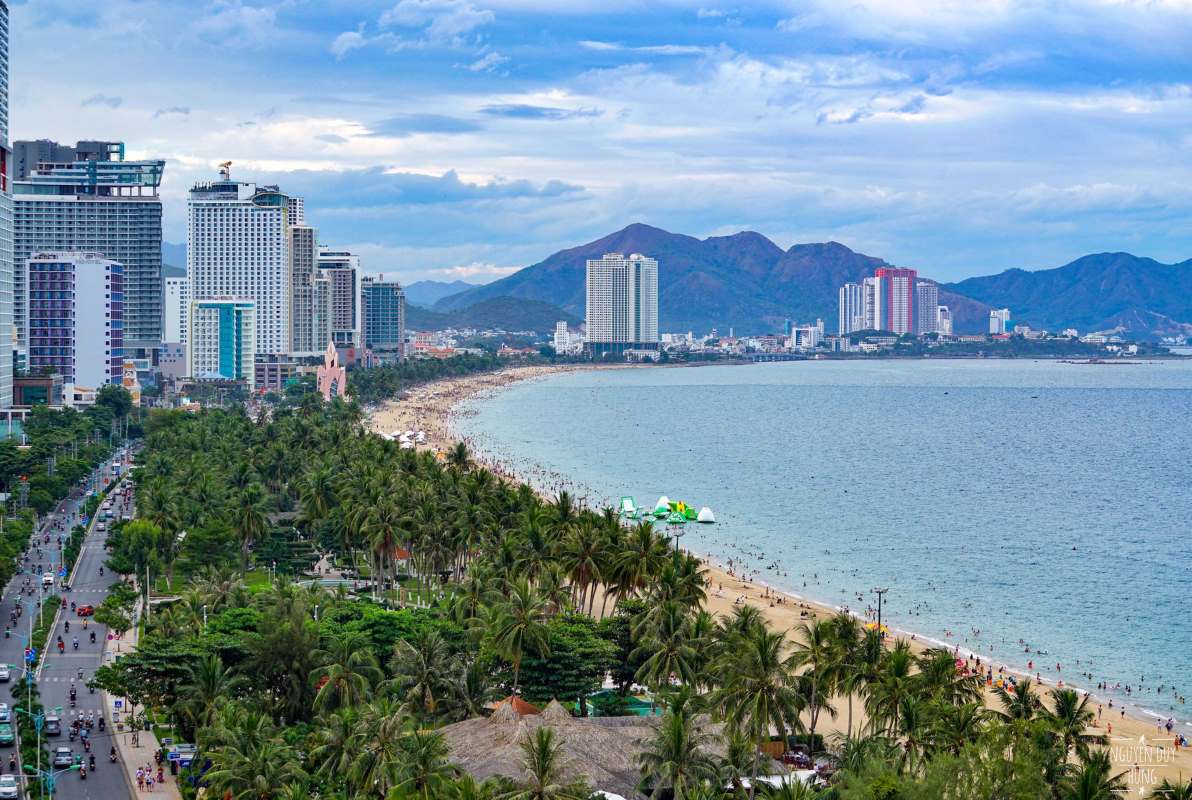
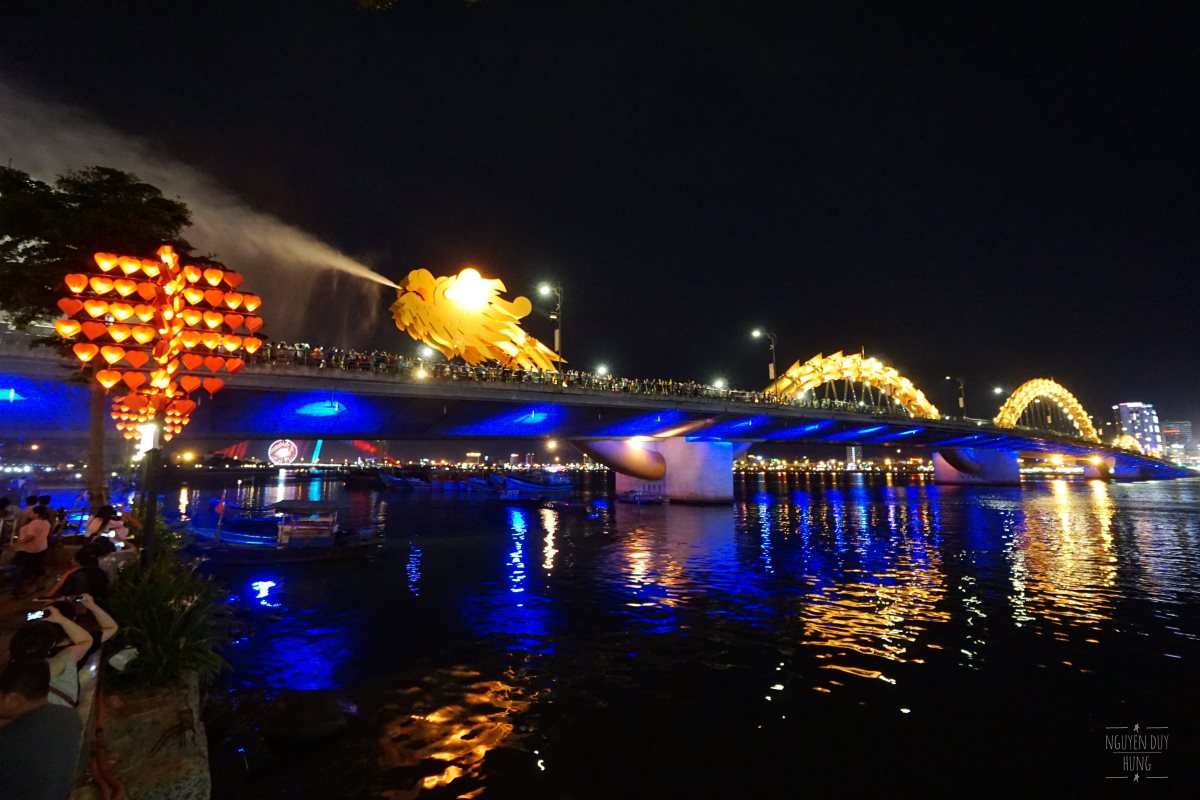
Da Nang feels more open than many of Vietnam’s larger cities. The Han River runs through its center, wide streets lead towards the coast, and a long line of beaches stretches south towards Hoi An.
The sea is an important part of daily life here. Early in the morning, residents walk, exercise, and swim along the beachfront before the heat of the day sets in. Fishing boats can still be seen along parts of the coast, while modern resorts and beach clubs have developed further south.
Travel away from the center and the landscape changes quickly. The Son Tra Peninsula rises above the northern end of the beach, covered in forest and overlooking the coastline. To the south, the Marble Mountains contain caves, pagodas and viewpoints reached by paths and stone steps.
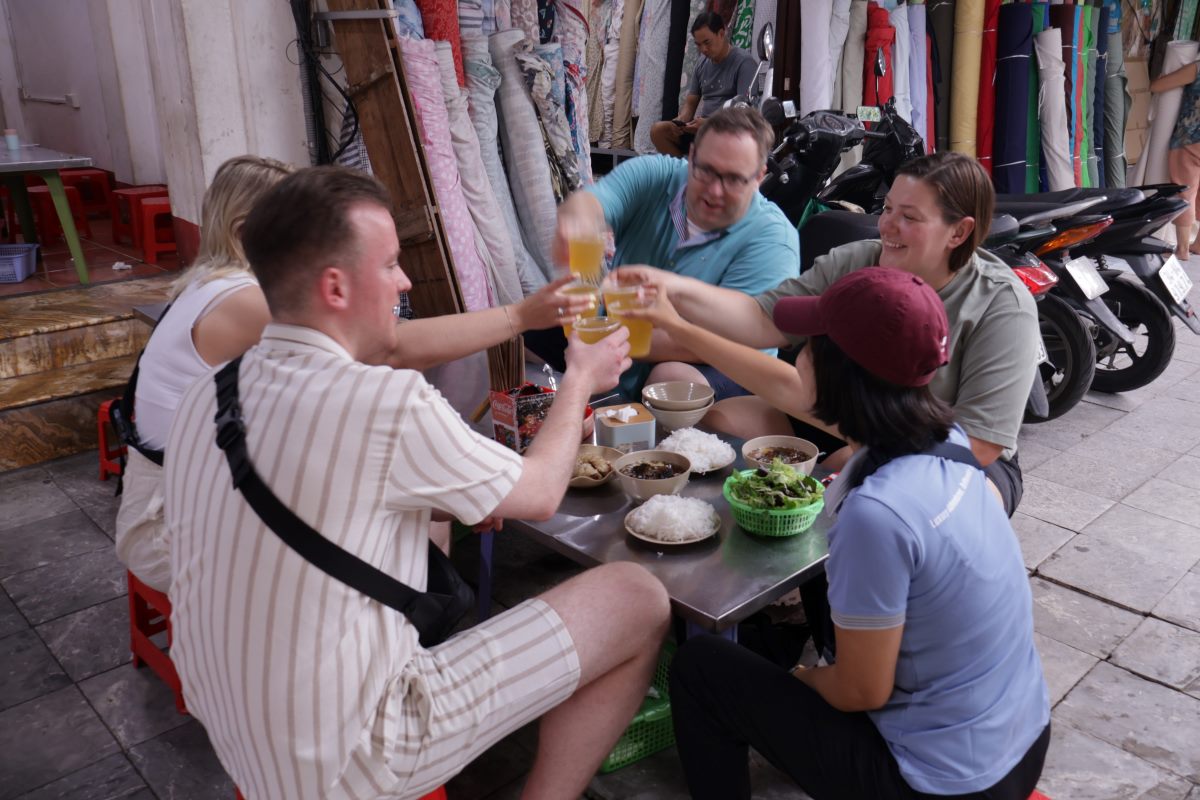
Da Nang also has a strong local food culture. Mi Quang, banh xeo, seafood and countless small neighborhood restaurants make it worth spending some time away from the resort dining room.
What makes Da Nang particularly useful on a longer Vietnam journey is its flexibility. You can spend the morning exploring, return to the beach in the afternoon, enjoy dinner in the city and leave the following day entirely free. It does not need to be packed with activities to be worthwhile.
Why Visit Da Nang
Enjoy the coast without leaving the city behind.
Da Nang combines a long sandy coastline with the convenience of a modern city. Restaurants, cafés, markets and local neighborhoods are never far from the beach.
Add some time to relax.
After several days of touring Hanoi, Hue or other cultural destinations, Da Nang provides an easy place to slow the pace and spend time by the sea.
Explore Son Tra Peninsula
The forested peninsula north of the city offers coastal views, quiet roads and Linh Ung Pagoda overlooking the sea.
Visit the Marble Mountains
Just south of central Da Nang, the Marble Mountains combine caves, Buddhist temples and viewpoints within a compact area that can be explored on foot.
Discover Central Vietnamese food.
Da Nang is an excellent place to try dishes such as mi Quang, banh xeo, fresh seafood and many other Central Vietnamese specialities.
Connect easily with Hoi An and Hue.
Da Nang sits between two of Central Vietnam’s best-known cultural destinations, making it a practical and enjoyable base within a wider journey.
Experiences We Love in Da Nang
• Walk or swim along My Khe Beach early in the morning when the city is beginning its day.
• Explore the caves, pagodas and viewpoints of the Marble Mountains.
• Drive around the Son Tra Peninsula and stop at Linh Ung Pagoda overlooking the coast.
• Try mi Quang, banh xeo and other local dishes at small restaurants around the city.
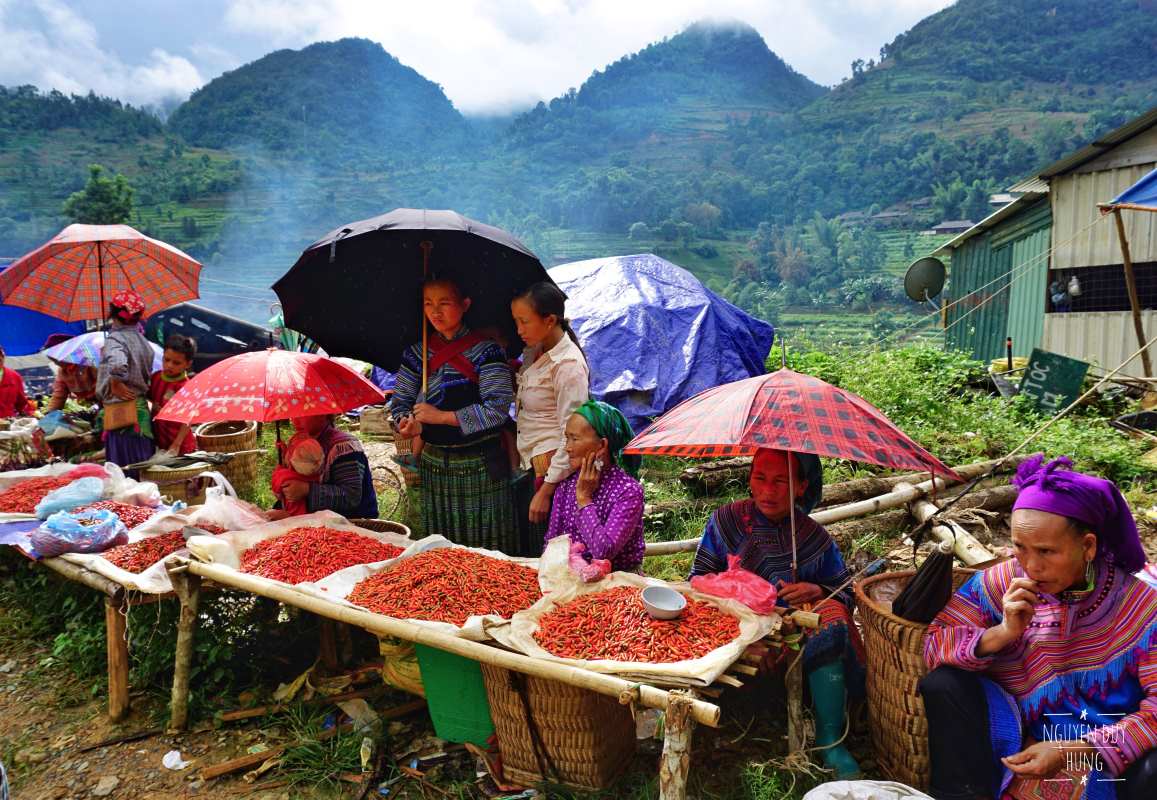
• Visit a local market for a glimpse of everyday shopping and food culture.
• Enjoy fresh seafood at a restaurant near the coast.
• Spend an afternoon with no planned activities and simply enjoy the beach and resort facilities.
• Travel over the Hai Van Pass towards Hue for one of Central Vietnam’s most scenic road journeys.
Da Nang’s Beaches
The coastline is one of the main reasons to spend time in Da Nang.
My Khe Beach
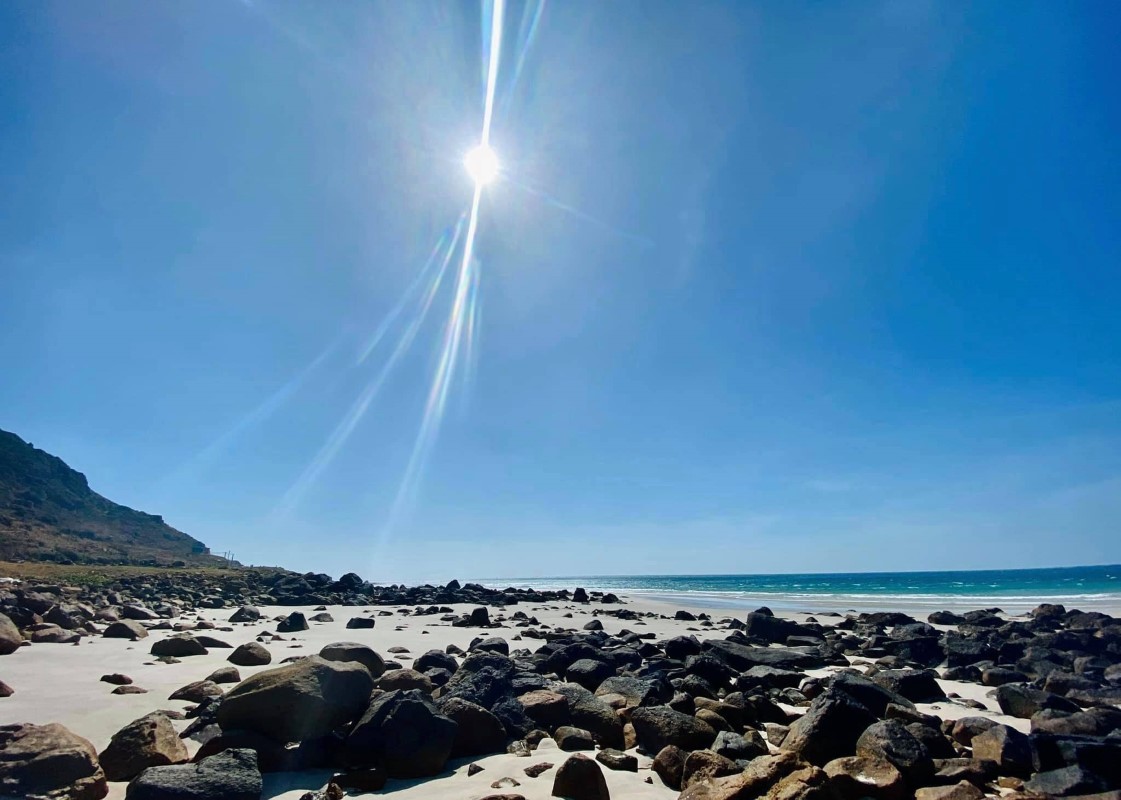
My Khe is the best-known beach in the city and stretches for several km along the eastern coast.
Its location makes it convenient for travelers who want easy access to both the beach and central Da Nang. Early morning is particularly pleasant, when local swimmers and walkers bring the beachfront to life.
Non Nuoc Beach
Further south, Non Nuoc has a quieter resort atmosphere and sits close to the Marble Mountains.
Many of Da Nang’s higher-end beach resorts are located along this stretch of coastline, making it particularly suitable for couples and families looking for more space and time by the sea.
Resort Coast
The coastal road between Da Nang and Hoi An has developed into one of Central Vietnam’s main resort areas.
Staying here works well for travelers who want the comfort and facilities of a beach resort while keeping both Da Nang and Hoi An within comfortable driving distance.
Son Tra Peninsula
Son Tra rises above the northern end of Da Nang and offers a quick escape from the city.
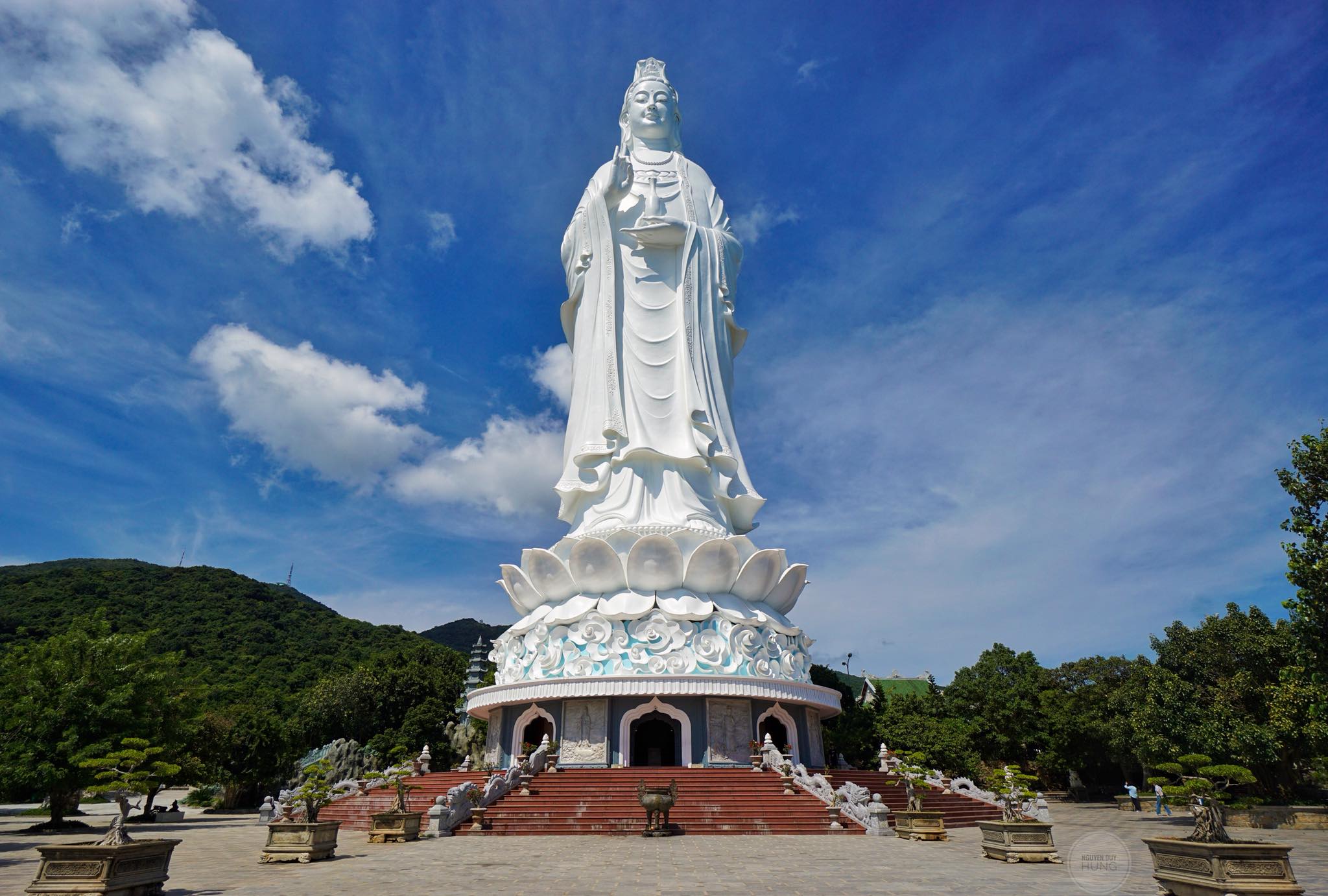
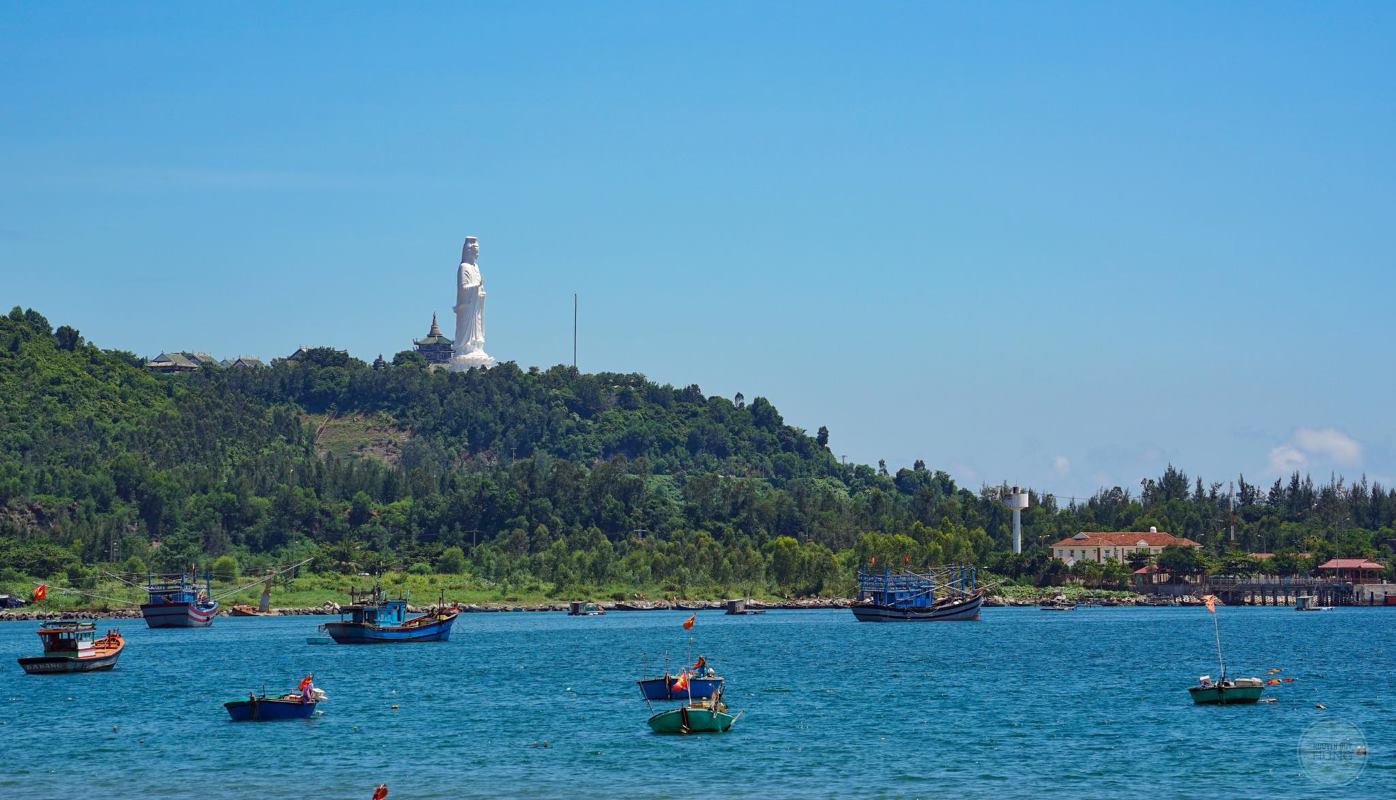
Forest covers much of the peninsula, with winding roads leading towards viewpoints and small bays. Linh Ung Pagoda is one of the most visited stops, known for its large Lady Buddha statue and open views across the sea and city.
The peninsula is also an important natural area and home to the rare red-shanked douc langur.
We prefer to explore Son Tra without trying to stop at every viewpoint. A few carefully chosen stops, combined with time at the pagoda and along the coast, usually makes for a more enjoyable half day.
The Marble Mountains
The Marble Mountains are a group of limestone and marble hills between Da Nang and Hoi An.
Stone stairways lead through caves, pagodas and small temple courtyards, with viewpoints overlooking the surrounding coastline and city.
Some sections involve numerous steps and uneven surfaces, so the visit can be adapted depending on mobility and weather conditions.
Because of their location, the Marble Mountains can easily be included while travelling between Da Nang and Hoi An rather than requiring a separate full day excursion.
The Flavors of Da Nang
Da Nang is easy to enjoy through its food.
Mi Quang is one of the region’s best-known dishes, with turmeric colored noodles, herbs, peanuts and a small amount of richly flavored broth.
Banh xeo is another local favorite, usually served with herbs, rice paper and dipping sauce.
Fresh seafood is widely available along the coast, while neighborhood restaurants and local markets offer everything from noodles and grilled dishes to simple breakfasts.
We usually encourage guests to spend at least one meal away from their hotel. Da Nang’s food is often at its best in small, busy restaurants where local families eat every day.
Ba Na Hills
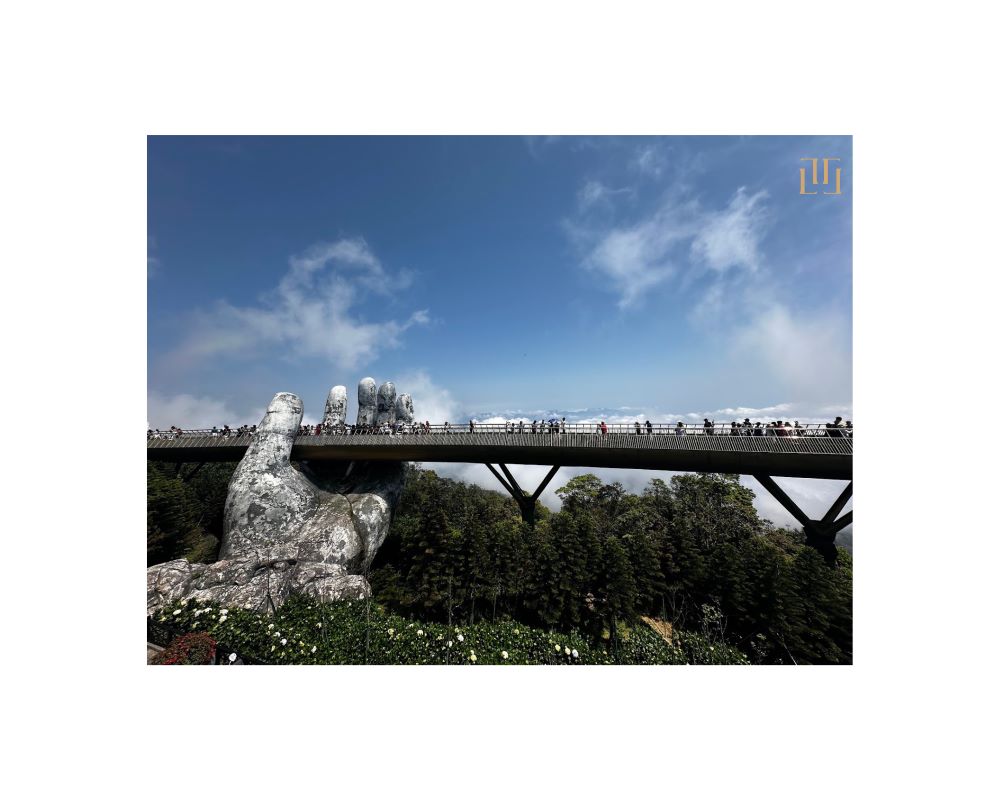
Ba Na Hills is one of Da Nang’s most popular visitor attractions and is home to the Golden Bridge.
The journey begins with a long cable car ride into the mountains, followed by gardens, viewpoints, entertainment areas and the well-known pedestrian bridge supported by two giant stone hands.
It is a very different experience from the beaches, markets and local neighborhoods of Da Nang.
Some travelers enjoy the spectacle and photography opportunities, while others prefer to spend their time exploring the city, countryside or coast. We see Ba Na Hills as an option rather than an essential part of every Da Nang itinerary.
Best Time to Visit Da Nang
Da Nang can be visited throughout the year, although weather conditions vary considerably between seasons.
February to April generally brings pleasant temperatures and works well for both sightseeing and time outdoors.
May to August is warmer and is particularly popular for beach stays. The middle of the day can become hot, so sightseeing is often more comfortable in the morning or later afternoon.
September to December is the wetter period in Central Vietnam, with a greater chance of heavy rain and tropical weather.
January is usually cooler and can bring a mixture of sunny and cloudy days.
For beach focused journeys, we pay particular attention to seasonal conditions rather than assuming Central Vietnam has the same weather as the south of the country.
How Long to Stay in Da Nang
The ideal length of stay depends on how Da Nang fits into the wider journey.
Two nights works well if you want to see the main sights and spend a little time by the beach.
Three to four nights allows for a much more relaxed stay, especially for families and couples who want time at their resort alongside sightseeing.
Travelers using Da Nang primarily as a beach break may prefer four nights or longer.
Because Hoi An is so close, the two destinations can also be combined easily without changing the overall flow of the journey.
Where to Stay
The best area depends largely on whether you want to prioritize the city or the beach.
My Khe Beach works well for travelers who want restaurants and city life close by while still being able to walk to the sea.
The resort coast south of Da Nang suits couples, families and travelers looking for more space, privacy and larger resort facilities.
Central Da Nang can be convenient for shorter business stays or travellers particularly interested in markets, food and city life, although most leisure guests prefer to stay closer to the beach.
For LuxeTravel Asia journeys, we consider the beach itself, room type, resort layout, dining options and ease of access to Hoi An and Da Nang rather than choosing solely by hotel category.
Da Nang With LuxeTravel Asia
Da Nang is often most enjoyable when we leave some of the itinerary empty.
For a first visit, we might combine the Marble Mountains and Son Tra Peninsula with time to explore the city and local food. Families may prefer one active day followed by a completely free beach day, while couples might choose a quieter resort with more time to enjoy the property.
Ba Na Hills can be included when it genuinely interests you rather than automatically appearing in every itinerary.
We also think carefully about where you stay. A hotel close to the city creates a very different experience from a private beach resort further south, and the right choice depends on how you want to spend your time.
Da Nang does not need to compete with Hue or Hoi An for cultural sights. Its strength is the balance it brings to the journey: some exploring, good food, comfortable resorts and enough time to enjoy the coast.
Continue Your Journey
Da Nang and Hoi An are naturally connected, with the journey between them taking you along the coast and past the Marble Mountains.
Travel north and the road crosses the Hai Van Pass towards Hue, making Da Nang an ideal link between Central Vietnam’s coastal and cultural destinations.
Da Nang International Airport also has good connections with Hanoi, Ho Chi Minh City and other destinations, making it an easy point to continue a longer journey through Vietnam.
Explore All Our Tours
Discover inspiring ways to experience Vietnam, from short escapes to in depth journeys across the country.