Ho Chi Minh City
Ho Chi Minh City is Vietnam’s largest city, where historic buildings, neighborhood markets, rooftop bars and family run restaurants sit within a fast changing urban landscape. Spend time around the former center of Saigon, explore the Chinese quarter of Cho Lon – China Town, follow local food into smaller streets, or simply watch the city move from a pavement café. Its history is never far away, but neither is the energy of modern Vietnam. For many travelers, Ho Chi Minh City is also the natural starting point for journeys into the Mekong Delta and Southern Vietnam.
The Character of Ho Chi Minh City
A city that rarely stands still
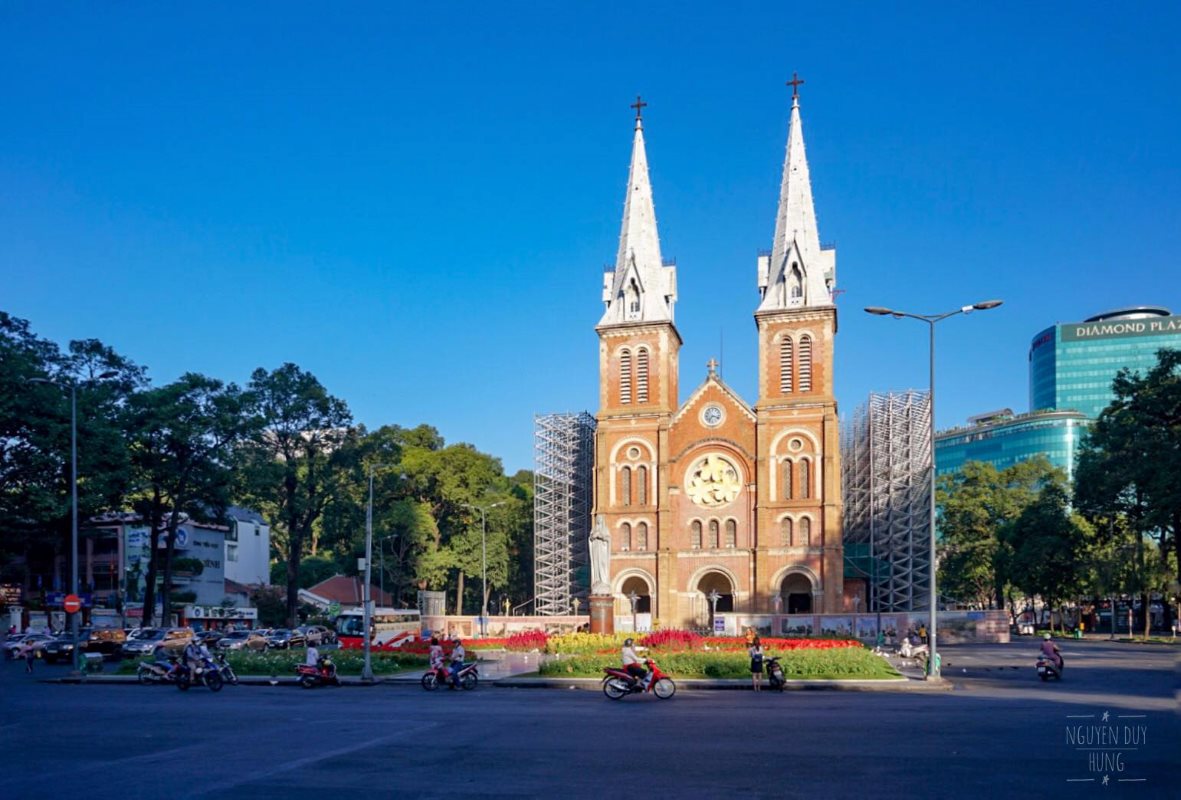
Ho Chi Minh City moves at a different pace from Hanoi. Motorbikes fill broad avenues and narrow lanes, new buildings rise beside old shop houses, and cafés, markets and restaurants seem to occupy almost every part of the city.
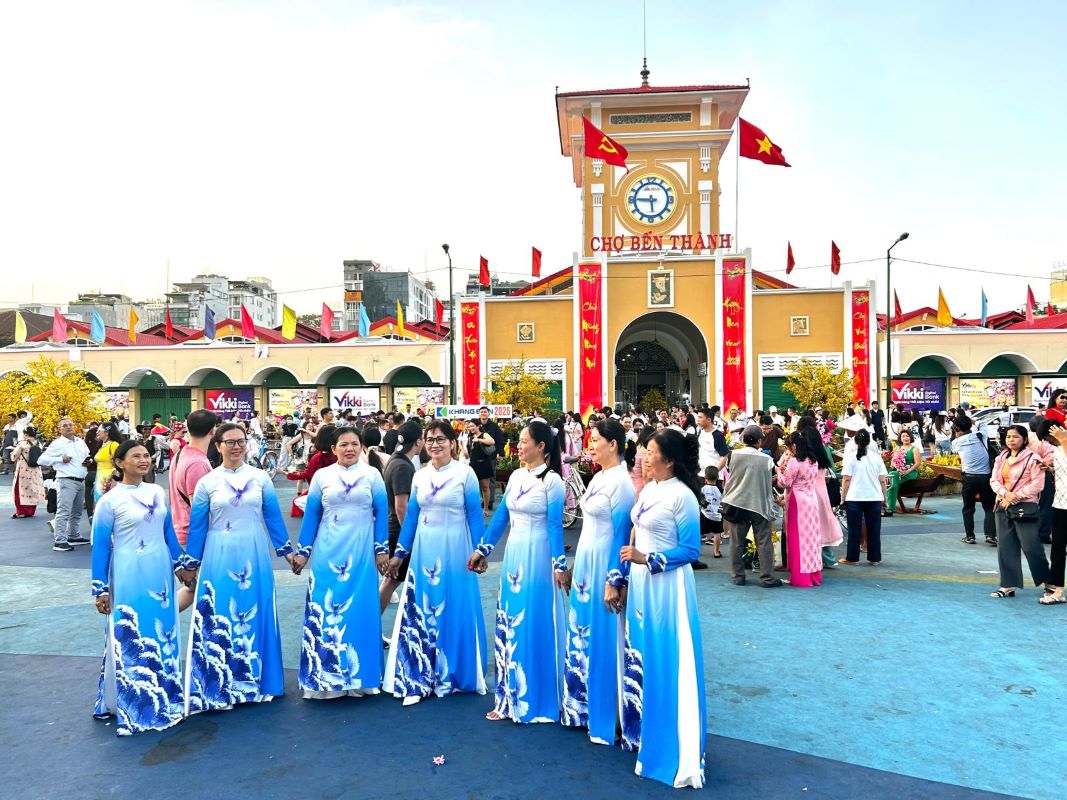
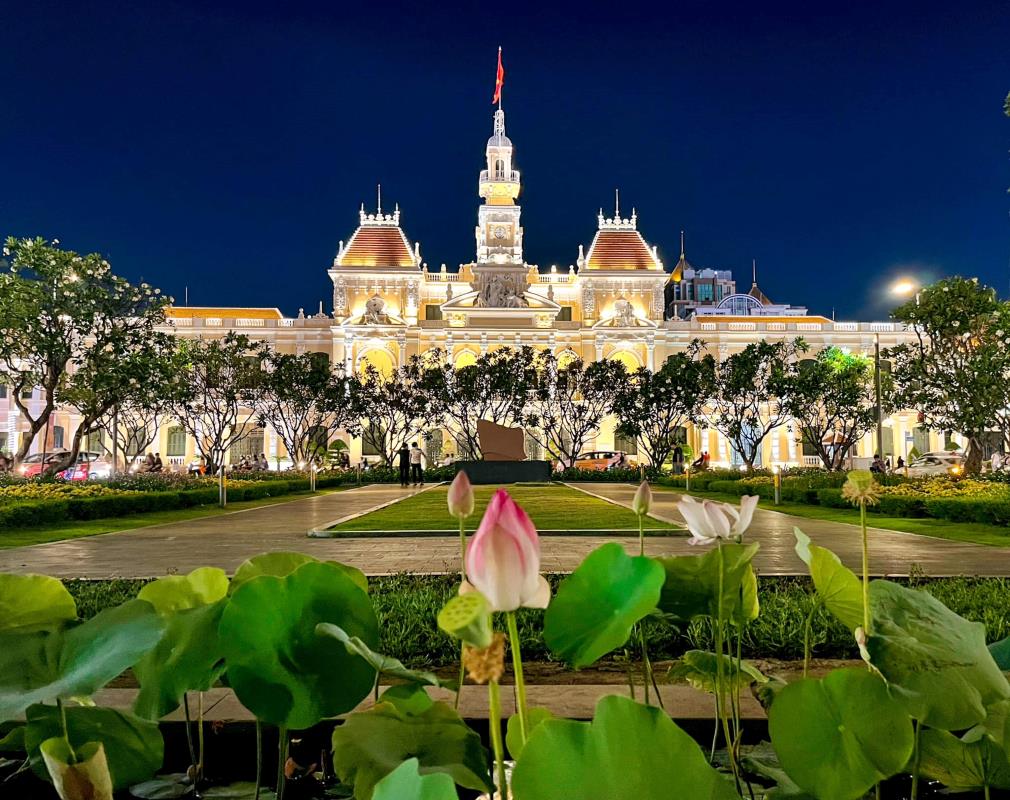
At its center are some of the buildings most closely associated with old Saigon. The Central Post Office, colonial era landmarks, tree lined streets and historic hotels recall an earlier period in the city’s history, while the Reunification Palace and War Remnants Museum offer a much more recent perspective on Vietnam’s past.
Yet the city becomes more interesting when you move beyond its best known sights.
Each district has its own character. China Townn is filled with Chinese temples, traditional medicine shops and busy markets, while smaller residential streets hide local cafés, family kitchens and businesses that have been here for generations. Markets begin early in the morning, and by evening another side of the city appears through street food, restaurants and rooftop bars.
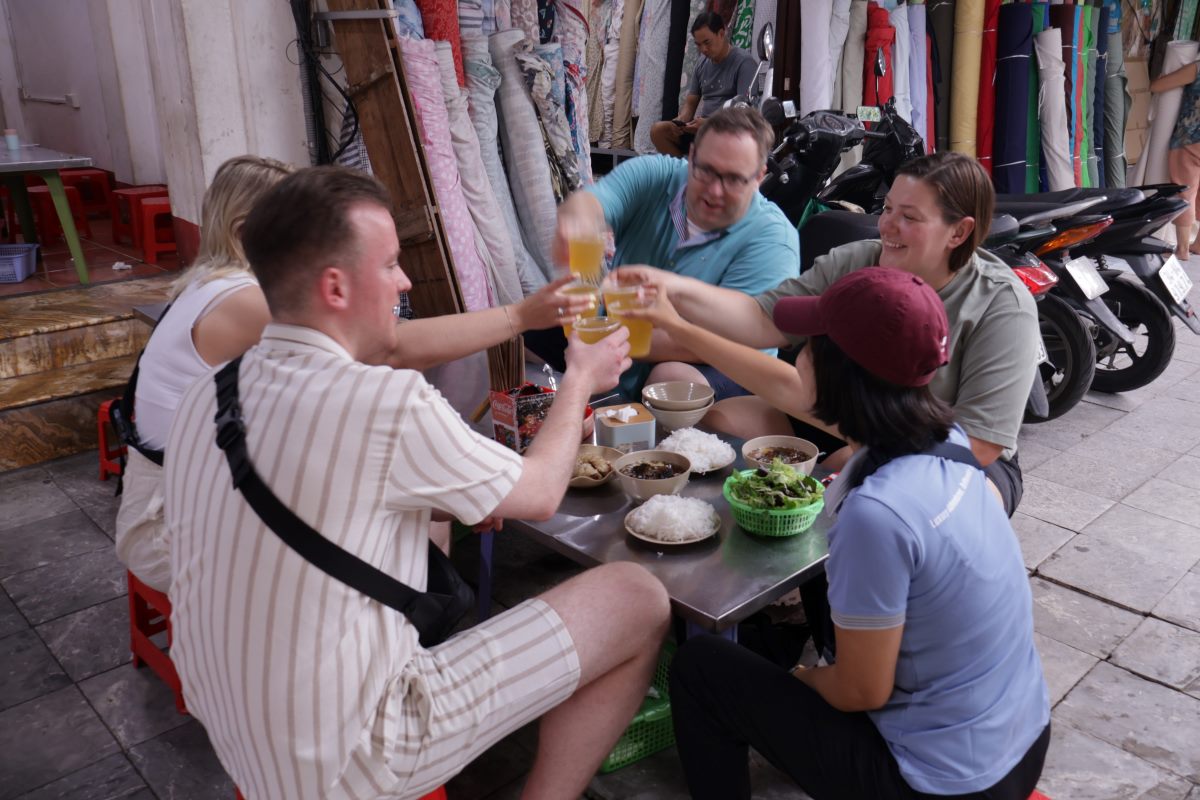
Food is one of the easiest ways to understand Ho Chi Minh City. Southern Vietnamese cooking is generous with herbs, fresh vegetables and bold flavors, but the city also brings together dishes from every region of the country. A bowl of noodles at a small street side stall, Vietnamese coffee in an old apartment building and dinner in a contemporary restaurant can easily belong to the same day.
Ho Chi Minh City can feel overwhelming if every hour is planned. We prefer to mix its history with everyday life and leave enough room to wander, eat and watch the city go by.
Why Visit Ho Chi Minh City
Experience the energy of Southern Vietnam
Ho Chi Minh City is busy, ambitious and constantly changing. It offers a striking contrast to the quieter towns, countryside and coastal destinations found elsewhere in Vietnam.
Understand an important chapter of Vietnamese history
The Reunification Palace, War Remnants Museum and other historic sites provide context for events that shaped modern Vietnam.
See different sides of the city
Move beyond central Saigon and the atmosphere changes quickly. China Town, local markets, residential streets and older trading areas offer a closer look at everyday life in the city.
Eat exceptionally well
Street stalls, markets, family restaurants and contemporary dining make Ho Chi Minh City one of Vietnam’s most varied food destinations.
Discover old and new Saigon
Historic architecture remains part of the city center, but modern towers, galleries, cafés and restaurants show a city that continues to evolve.
Begin a journey into Southern Vietnam
The Mekong Delta, Cu Chi and other destinations in the south are easily reached from the city and can be included as day trips or longer journeys.
Experiences We Love in Ho Chi Minh City
• Explore central Saigon on foot with a local guide who can connect its buildings with the stories behind them.
• Visit the Reunification Palace and learn more about the final years of the Vietnam War.
• Spend time in China Town among temples, markets and old trading streets.
• Discover the city after dark through a local food experience.
• Try Vietnamese coffee in one of the city’s hidden cafés or old apartment buildings.
• Visit a local market early in the morning when trading is at its busiest.
• Explore the city by vintage Vespa for an evening of food and local life.
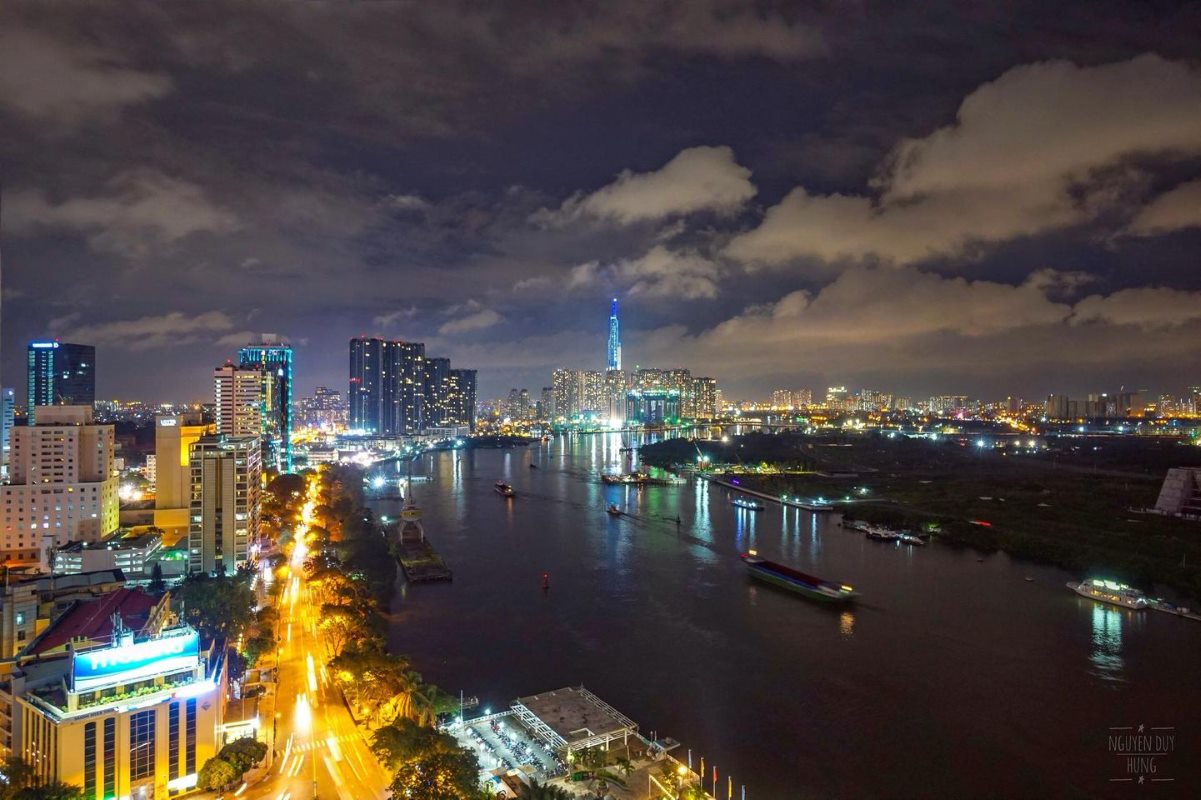
• Enjoy a drink from a rooftop as the city lights come on.
• Venture beyond the central districts to see a more everyday side of Ho Chi Minh City rarely included in standard sightseeing tours.
The Flavors of Ho Chi Minh City
Ho Chi Minh City is one of the easiest places in Vietnam to build a day around food.
Southern favorites include com tam, broken rice usually served with grilled pork, hu tieu, a noodle dish with strong southern roots, and banh xeo, crisp savory pancakes wrapped with herbs.
You will also find excellent pho, banh mi, seafood and dishes brought to the city by families from every part of Vietnam.
Coffee deserves its own time too. Traditional iced coffee remains part of daily life, while a younger café culture has developed in old villas, converted apartment buildings and contemporary spaces across the city.
For us, the best food experience is rarely one large meal. A few carefully chosen stops in different parts of the city give a much better sense of how Ho Chi Minh City actually eats.
Ho Chi Minh City After Dark
The city changes once the heat of the day begins to ease.
Street food stalls become busier, restaurants fill with families and groups of friends, and cafés stay lively well into the evening.
A guided evening food experience is one of our favorite ways to explore because it combines eating with travelling through several different parts of the city.
A vintage Vespa adds another dimension, particularly for travelers who want to experience the traffic and nightlife without navigating the streets themselves.
For a quieter evening, dinner followed by a rooftop drink provides a completely different view of Ho Chi Minh City.
Beyond the City Centre
There is much more to Ho Chi Minh City than District 1.
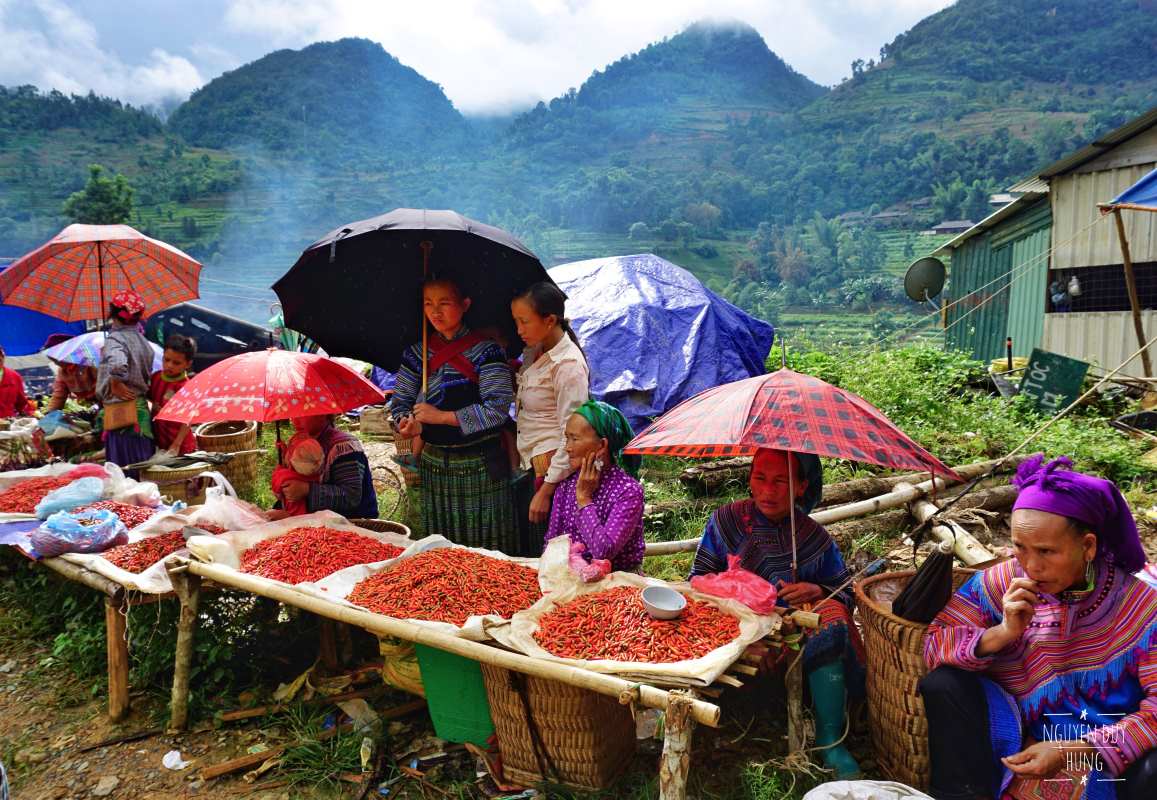
Travel beyond the main sightseeing area and you quickly find local markets, family businesses, cafés and residential streets where daily routines continue largely away from visitors. Small lanes may lead to old houses, workshops, food stalls or businesses that have served the same local community for years.
Travelers interested in contemporary culture will also find galleries, independent design spaces and a growing food and coffee scene across different districts.
This is where private touring becomes particularly useful. Instead of following a fixed sightseeing circuit, the day can lean more towards history, architecture, food, markets or local life depending on what interests you most.
Cu Chi Tunnels
The Cu Chi Tunnels are one of the most visited historic sites outside Ho Chi Minh City.
The underground network was used extensively during the Vietnam War and provides an insight into the conditions faced by those who lived and operated in the area.
Parts of the tunnels have been widened for visitors, although entering them is optional and some sections remain narrow and enclosed.
Cu Chi can be visited as a half day or combined with other experiences outside the city.
For travelers particularly interested in history, a knowledgeable guide makes a significant difference in understanding the site beyond the physical tunnels themselves.
Gateway to the Mekong Delta
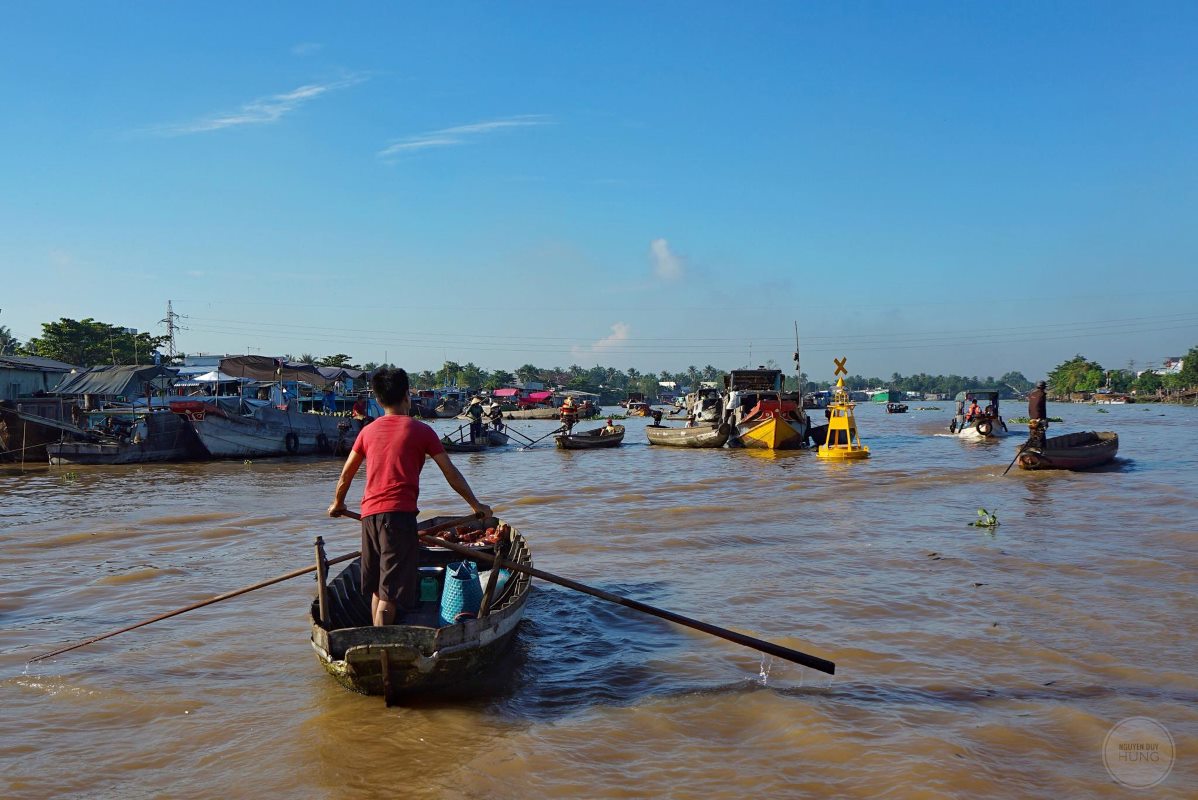
Ho Chi Minh City is the natural starting point for journeys into the Mekong Delta.
A day trip can provide a brief introduction to the waterways and rural life south of the city, but travelers with enough time will gain much more from staying overnight.
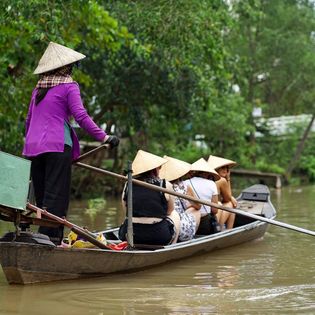
Places such as Ben Tre and Can Tho offer opportunities to travel by boat, visit small workshops, explore riverside communities and experience the delta outside the busiest day trip routes.
We generally recommend treating the Mekong as a destination in its own right rather than trying to fit too much into a single day from Ho Chi Minh City.
Best Time to Visit Ho Chi Minh City
Ho Chi Minh City is warm throughout the year.
December to April is generally the drier period and is particularly comfortable for sightseeing.
May to November brings the wetter season. Rain often arrives in heavier afternoon showers rather than lasting all day, so travel remains very possible during these months.
Temperatures can be high throughout the year, particularly around midday.
We often plan walking tours and outdoor sightseeing earlier in the morning, leaving museums, lunch or free time for the warmer part of the day.
How Long to Stay in Ho Chi Minh City
For most first time visitors, two to three nights works well.
Two nights allows time for the main historic sights and a good introduction to the city’s food and local life.
Three nights gives more breathing room and allows for China Town, an evening food experience or a half day beyond the center without making the stay feel rushed.
Travelers who enjoy food, architecture, history or city life can easily spend longer.
If you are also visiting the Mekong Delta, we usually prefer to give the delta its own overnight stay rather than adding multiple long day trips from the city.
Where to Stay
Where you stay can noticeably change the way you experience Ho Chi Minh City.
District 1
District 1 is the most convenient choice for first time visitors.
Many major sights, restaurants, hotels and shopping areas are within easy reach, making it possible to explore much of central Saigon on foot.
Riverside
Hotels around the Saigon River offer easy access to the city center together with open views and a little more distance from the busiest streets.
Quieter Areas
Returning visitors or those staying for longer may prefer to stay outside the busiest parts of central Saigon, where local cafés, restaurants and everyday city life become a larger part of the experience.
For LuxeTravel Asia journeys, we look closely at location, room comfort, service and how easily the hotel fits the planned activities rather than choosing by star rating alone.
Ho Chi Minh City With LuxeTravel Asia
Ho Chi Minh City can easily become a checklist of monuments. We prefer to make it feel like a city.
A first morning might include the Reunification Palace, historic central streets and a market with a local guide. The afternoon can remain lighter, followed by an evening exploring the city through food.
Another day might take you into China Town, along lesser visited local streets or beyond the city towards Cu Chi.
For families, we keep historical visits focused and balance them with markets, food and experiences that bring the city to life. Couples and returning travelers may prefer contemporary dining, independent cafés or parts of the city that rarely appear on standard sightseeing routes.
Private transportation also makes it easier to adapt the day around traffic, weather and your energy level.
Ho Chi Minh City is not about seeing everything. It is about discovering enough of the city to understand why people enjoy being here.
Continue Your Journey
From Ho Chi Minh City, travel south into the Mekong Delta for waterways, orchards and riverside communities.
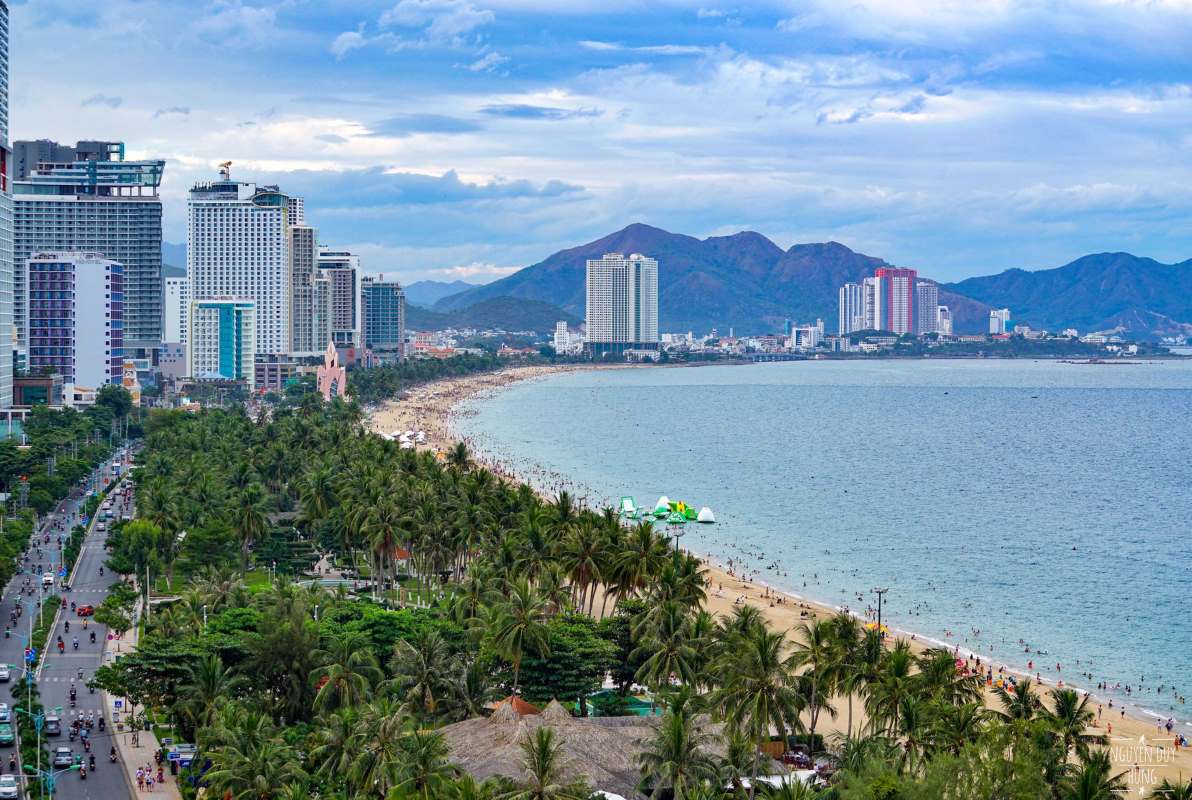
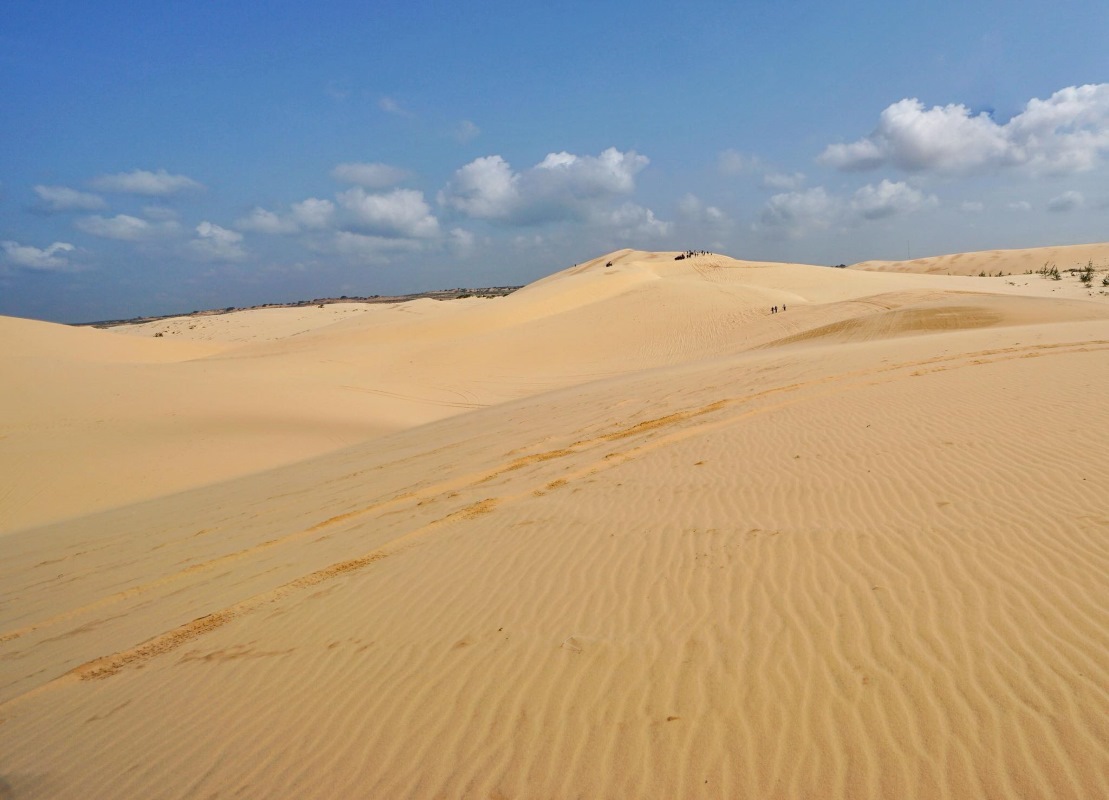
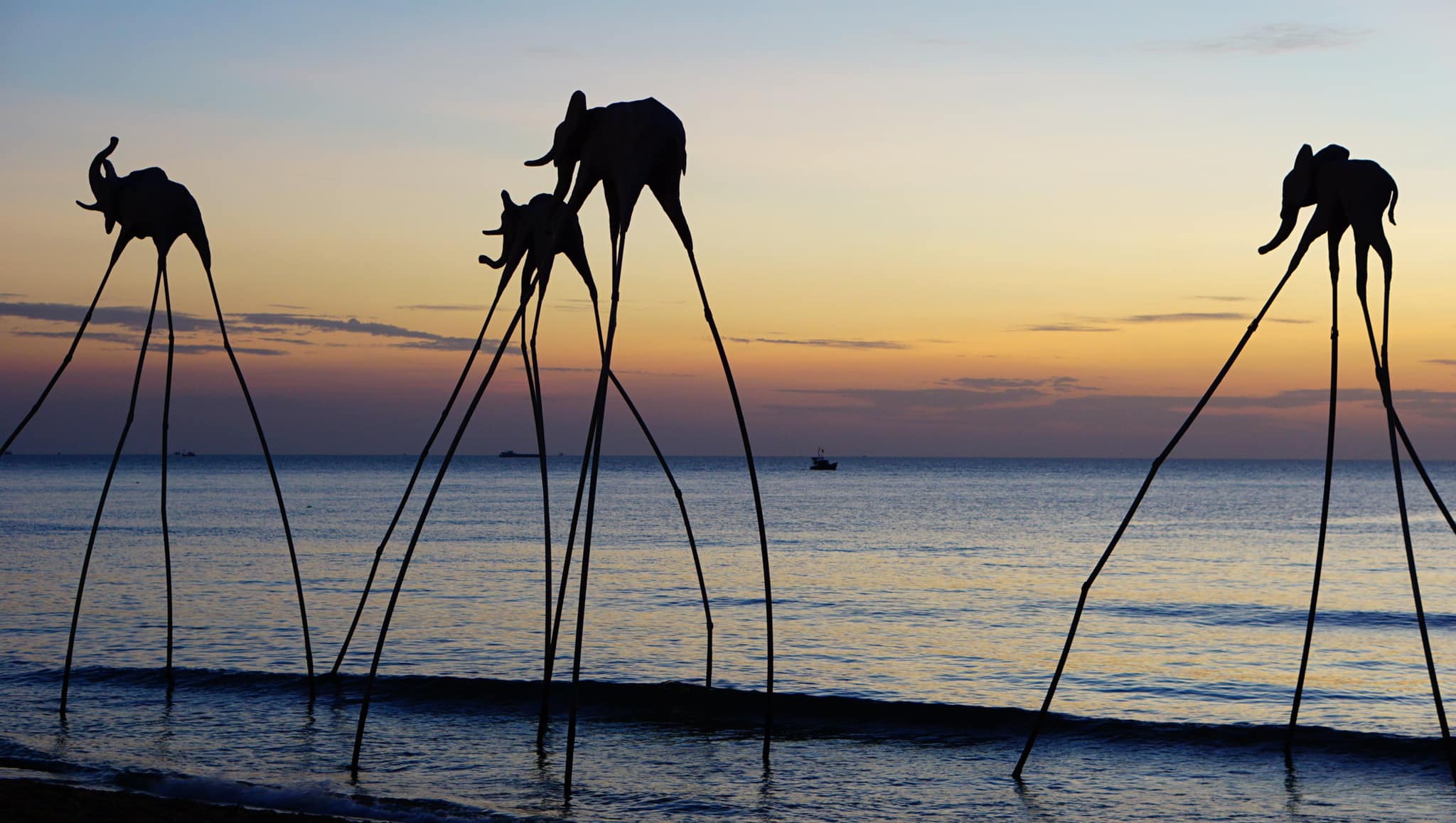
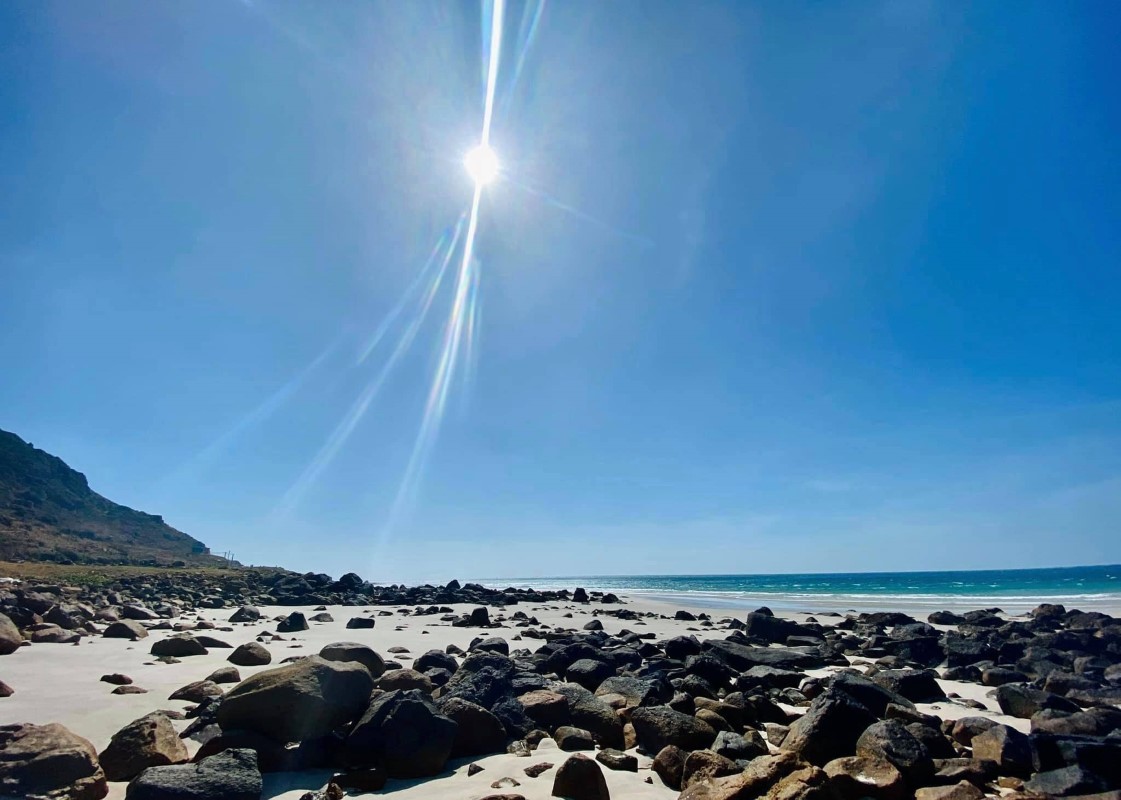
For a beach extension, continue towards Mui Ne, Phu Quoc or other parts of Southern Vietnam.
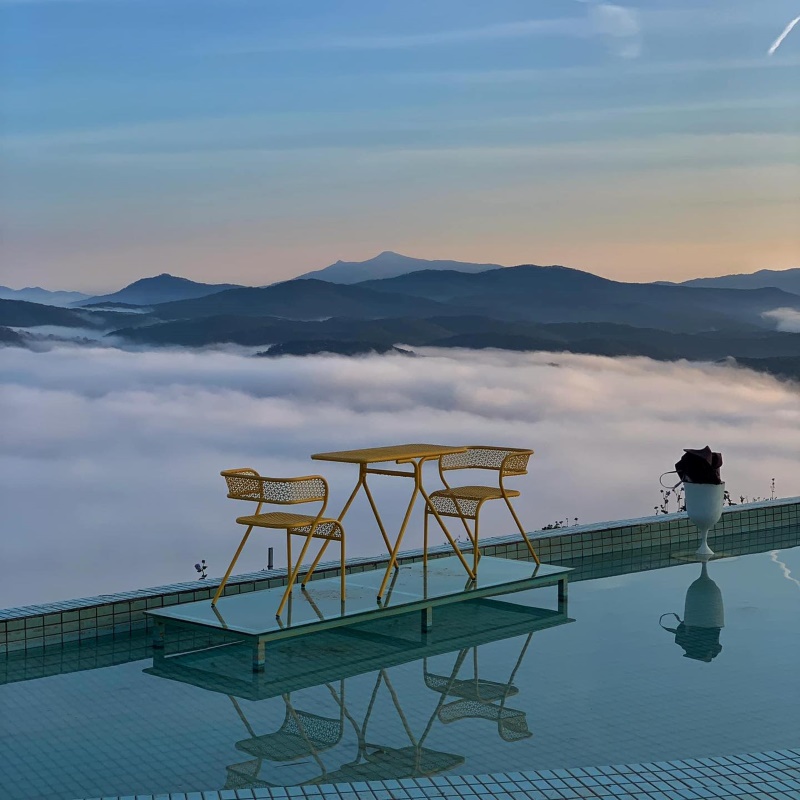
Travelers looking for a change of climate can head into the Central Highlands towards Da Lat, while frequent flights connect Ho Chi Minh City with Nha Trang, Da Nang, Hue, Hanoi and destinations across Southeast Asia.
Explore All Our Tours
Discover inspiring ways to experience Vietnam, from short escapes to in depth journeys across the country.