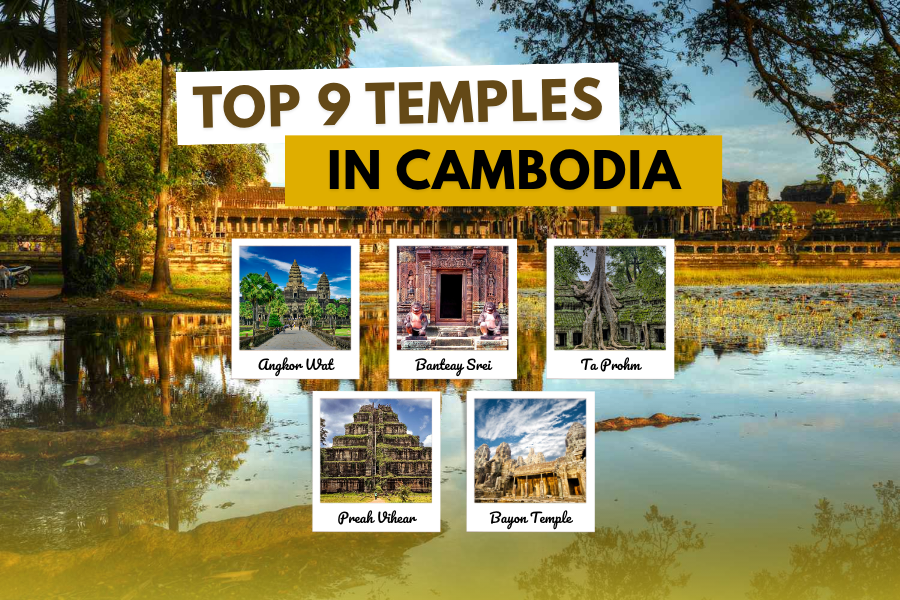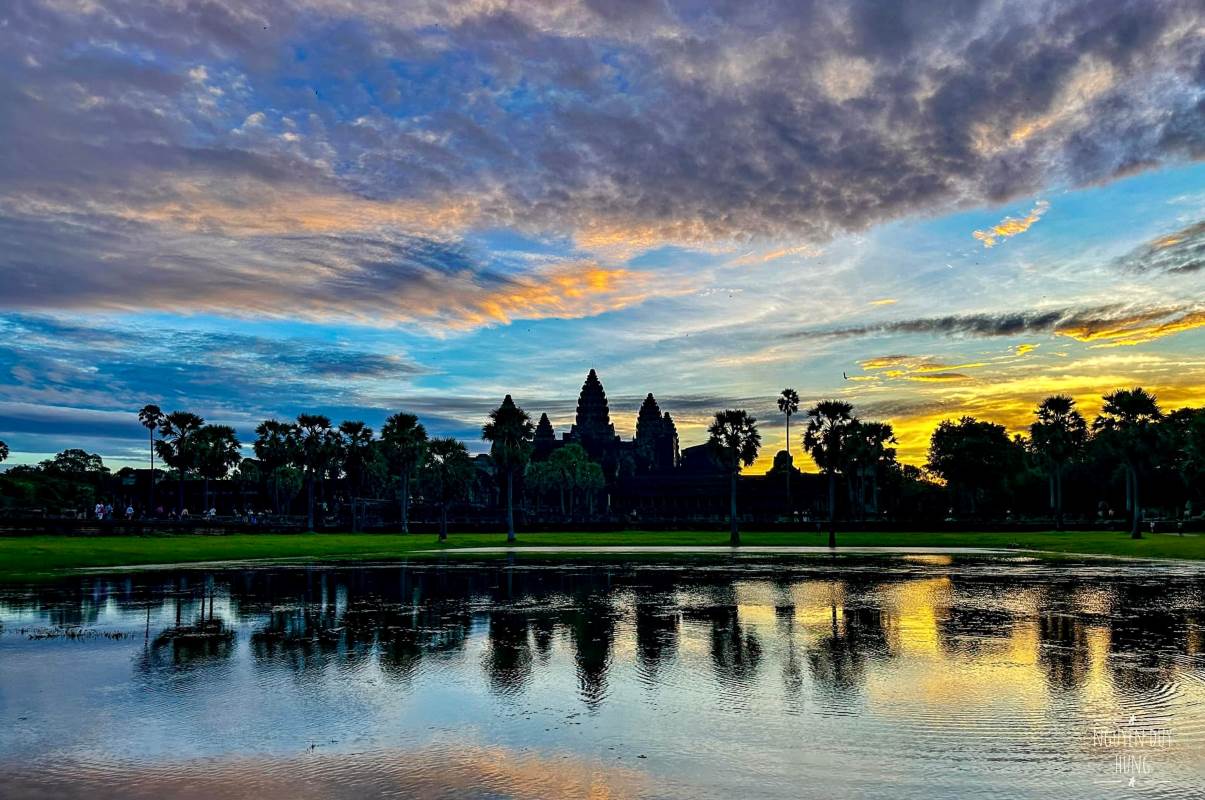

Finding the best time to visit Cambodia and Vietnam is the secret to unlocking one of the most rewarding, culturally rich dual-destination journeys in all of Asia. Crossing the borders between these two Indochinese neighbors reveals a striking contrast of landscapes and civilizations. In Cambodia, ancient stone spires at Angkor Wat rise above primary rainforests, whispering tales of the Khmer Empire. In Vietnam, dramatic limestone karsts jut from the emerald waters of Halong Bay, lantern-lit merchant streets glow along the canals of Hoi An, and the life-giving currents of the Mekong River nourish boundless rice paddies.
Yet, planning a combined vietnam and cambodia trip often presents an intriguing logistical puzzle: how do you navigate the contrasting climate systems of both countries simultaneously? While Cambodia follows a classic tropical monsoon pattern divided cleanly into distinct dry and wet seasons, Vietnam stretches across three separate microclimates spanning over 1,600 kilometers from north to south.
Whether you are looking for the absolute best month to visit cambodia and vietnam, seeking advice on regional seasonal variations, or evaluating hand-curated vietnam and cambodia tours, here is your complete, experience-backed guide to orchestrating the ultimate journey.
When is the Best Time to Visit Cambodia and Vietnam?

For travelers seeking optimal, blue-sky conditions across the greatest breadth of both nations, the overall best time to travel to Cambodia and Vietnam spans from November through April.
During this golden window, the northeast monsoon brings crisp, dry air across the Indochinese peninsula:
- Cambodia: Enjoys its coolest, driest weather of the year. Daytime temperatures hover comfortably between 24°C and 30°C (75°F to 86°F), rainfall is virtually nonexistent, and the humidity drops significantly, creating pleasant conditions for full days of temple exploration across Angkor Archaeological Park without midday exhaustion.
- Vietnam: Enjoys favorable weather nationwide. The northern provinces (Hanoi, Halong Bay, Sapa) experience cool, dry winter breezes; the southern reaches (Ho Chi Minh City, Mekong Delta, Phu Quoc) bask in warm, radiant sunshine with calm seas; and central Vietnam (Hue, Hoi An) transitions out of its late-year rains by January into dry, sunlit days.
Which is the Single Best Month to Visit Cambodia and Vietnam?
If you must pinpoint a single, flawless window to embark on tours Cambodia and Vietnam, select January or February.
During these two months, over 80% of both territories experience their lowest monthly rainfall of the year. Temperatures remain pleasantly mild, the waters of Tonle Sap Lake are still high enough to navigate traditional floating villages smoothly, and Vietnam is wrapped in the festive, flower-filled atmosphere of Tet (the Lunar New Year).
Navigating the ancient kingdom requires a touch of insider preparation, from modest dress codes for sacred Angkor sanctuaries to currency etiquette and sunrise vantage points. For an in-depth orientation covering regional highlights, border logistics, and local dining, explore our comprehensive Cambodia Travel Guide before finalizing your dates.
How Does the Weather Shift Month by Month in Vietnam and Cambodia?
Understanding the distinctive rhythms of each season allows you to align your travel priorities, whether you prioritize clear skies, vibrant cultural festivals, or intimate crowd-free temples.
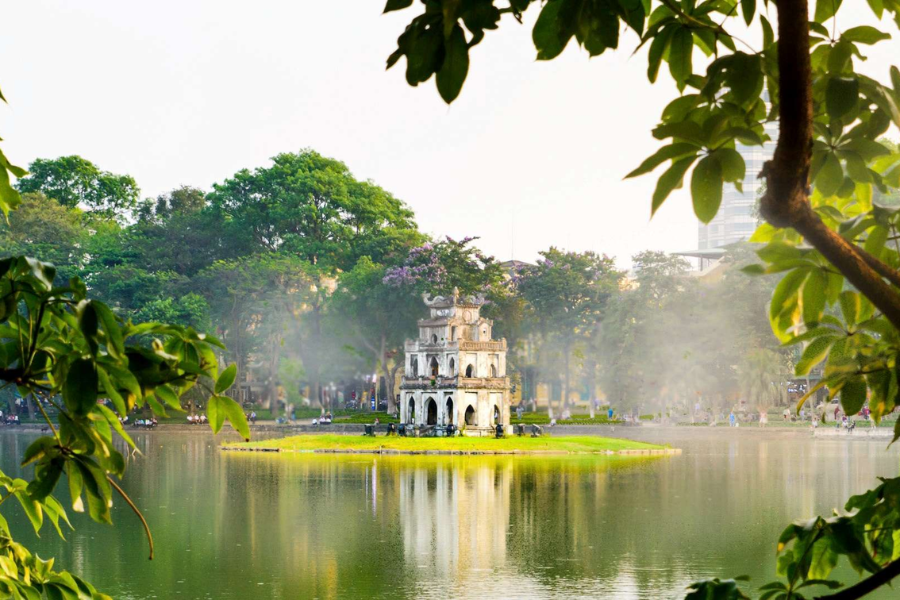
1. The Cool & Dry Peak Season (November to February):
|
Metric |
Cambodia (Siem Reap, Phnom Penh, Coast) |
Vietnam (North, Central, South) |
|
Average Temperatures |
24°C to 30°C (75°F to 86°F) |
|
|
Humidity & Rainfall |
Lowest of the year; clear blue skies daily |
Dry and sunny across more than 80% of the country |
|
Waterway Conditions |
High water levels on Tonle Sap Lake; ideal for village boat tours |
Calm emerald waters in Halong Bay; glass-flat seas in Phu Quoc |
The Vibe & Atmosphere:
- Festive energy across the region during Christmas, New Year, and the traditional Vietnamese Lunar New Year (Tet).
- Crisp morning air makes early sunrise viewings over Angkor Wat comfortable without mid-morning heat exhaustion.
- City avenues in Hanoi and Saigon fill with colorful flower markets, kumquat trees, and holiday displays.
Insider Recommendations:
- Book 4 to 6 months ahead: This is the peak international season; heritage hotels (Raffles Grand Hotel d’Angkor, Sofitel Legend Metropole Hanoi) and boutique Lan Ha Bay cruise ships sell out far in advance.
- Bypass mid-morning temple queues: Even in pleasant weather, Angkor Wat draws heavy foot traffic from 8:30 AM to 11:00 AM. Direct your morning private guide toward quieter outlying complexes like Banteay Srei or Beng Mealea during these peak hours.
I remember guiding a New York couple around Hanoi’s Hoan Kiem Lake early on the second morning of Tet in crisp 16°C weather, the air scented with agarwood incense drifting from Ngoc Son Temple. Just three days later, our private flight touched down in Siem Reap beneath a cloudless 28°C sky. Standing before the south gate of Angkor Thom in short sleeves without breaking a sweat, they remarked how moving from Hanoi’s quiet winter charm to Cambodia’s golden warmth felt like experiencing two distinct worlds in a single journey.”
2. The Warm Shoulder Season (March to May): Golden Hours & Fewer Footsteps

|
Metric |
Cambodia (Siem Reap, Phnom Penh, Coast) |
Vietnam (North, Central, South) |
|
Average Temperatures |
33°C to 37°C (91°F to 98°F) (April brings the peak heat of the year) |
|
|
Humidity & Rainfall |
Peak dry heat before brief pre-monsoon showers arrive in late May |
Dry across the north and central coasts; occasional short afternoon showers in the south by late May |
|
Landscape Highlights |
Golden amber lighting; yellow cassia blossoms blooming along Siem Reap’s waterways |
Bauhinia and silk-cotton flowers blooming in the north; crystal-clear waters in Da Nang and Nha Trang |
The Vibe & Atmosphere:
- International visitor numbers ease off, leaving ancient temple corridors and courtyards quiet.
- April welcomes the Khmer New Year (Choul Chnam Thmey), a celebration filled with street water blessings and community dancing.
- Warm, honey-toned lighting during early morning and late afternoon creates ideal conditions for travel photography.
Insider Recommendations:
- Follow the “Sunrise & Siesta” schedule: Start your temple explorations at 5:00 AM in the cool morning air. Return to your resort by 11:30 AM for a poolside lunch and spa session, then head back out around 3:30 PM for golden-hour views and sunset.
- Head to Central Vietnam’s coastline: Pair inland temple explorations in Cambodia with an oceanfront villa stay along the dry, sun-drenched beaches of Hoi An, Da Nang, or Ninh Van Bay.
In mid-April, I brought a British landscape photographer to the carved sandstone pavilions of Banteay Srei at 7:00 AM. By arriving ahead of the tour buses, we had the pink courtyards almost entirely to ourselves, accompanied only by morning bird calls. Later that afternoon in Siem Reap, we joined the Khmer New Year celebrations, where smiling local families splashed cool water scented with jasmine over our shoulders. He called it the most genuine and refreshing cultural welcome of his life.
> > > If you already have a focused beach or business itinerary planned in Vietnam and wish to add an intimate cultural extension to the ancient ruins of Angkor without lingering in the midday heat, take a look at our private 5 Days Cambodia Tours: Cambodia Discovery, a curated, sunrise-to-sunset immersion through the heart of Siem Reap and Tonle Sap Lake.
3. The Green Monsoon Season (June to October): Emerald Solitude & Secret Luxury

|
Metric |
Cambodia (Siem Reap, Phnom Penh, Coast) |
Vietnam (North, Central, South) |
|
Average Temperatures |
27°C to 32°C (80°F to 90°F) (Noticeably cooler than April and May) |
|
|
Rainfall Patterns |
Short, intense tropical downpours (1 to 2 hours) in late afternoon; clear mornings |
|
|
Landscape Shifts |
Tonle Sap Lake swells to 5x its dry size; moss coats stone temples; moats fill with pink lotuses |
Cascading rice terraces in Sapa shift from water-filled mirrors (Jun) to ripe gold (Sep – Oct) |
The Vibe & Atmosphere:
- Atmospheric and cinematic: rainforests around Ta Prohm turn a lush, deep green.
- Wet sandstone reliefs reveal rich textures, and blooming water lilies cover the moats of Angkor Wat.
- Uncrowded grounds offer a quiet, contemplative connection to ancient monuments without tour bus lines.
Insider Recommendations:
- Rely on Central Vietnam’s microclimate: From June through August, while the north, south, and Cambodia see afternoon rains, the central coastline (Da Nang, Hoi An, Quy Nhon) stays dry, sunny, and beach-ready.
- Enjoy five-star seasonal value: Luxury resorts and boutique river ships provide competitive rates, room upgrades, and attentive, unhurried service during these months.
Regional Weather Nuances: Vietnam’s 3 Climate Zones vs. Cambodia
To help you visualize how your travel dates align across different provinces, review this regional seasonal summary:
|
Geographical Region |
Prime Window (Dry & Sunny) |
Humid / Rainfall Season |
Signature Highlights for Travelers |
|
Cambodia (Siem Reap, Phnom Penh, Koh Rong) |
November to April Warm days (26°C–32°C), crisp breezes, minimal rain. |
May to October Short afternoon downpours, lush jungles, swollen rivers. |
Dawn at Angkor Wat, Tonle Sap floating villages, private island sands on Koh Rong. |
|
Northern Vietnam (Hanoi, Halong Bay, Sapa) |
October to April Crisp, cool winters (14°C–20°C), dry air, mountain mist. |
May to September Warm tropical summer rains, high humidity (28°C–35°C). |
Overnight cruises in Lan Ha Bay, Old Quarter street food, golden rice terraces. |
|
Central Vietnam (Hoi An, Da Nang, Hue) |
February to August Dry, sunny, clear ocean waters (28°C–34°C). |
September to January Late-year monsoon season with occasional coastal storms. |
Lantern-lit riverside strolls in Hoi An, royal tombs of Hue, beachfront private pool villas. |
|
Southern Vietnam (Saigon, Mekong Delta, Phu Quoc) |
November to April Reliable daily sunshine, low humidity (28°C–32°C). |
May to October Brief, predictable afternoon tropical showers. |
Floating fruit markets in the Mekong Delta, historic colonial architecture, white sand beaches. |
> > > To experience this ideal weather window with seamless transitions between northern limestone bays, central lantern-lit canals, and ancient Khmer stone towers, discover our signature 14 Days Magical Vietnam and Cambodia Trip: Tailor-Made Itinerary. Paced for travelers seeking the quintessential Indochina route, it pairs five-star boutique stays with private chauffeured luxury at every stop.
8 Practical Tips for a Flawless Vietnam and Cambodia Trip

- Adopt the “Sunrise & Siesta” Routine in Warmer Months: When traveling between March and May, schedule temple visits and city walking tours between 5:30 AM and 10:30 AM. Return to your hotel during the midday heat to relax, and venture out again after 3:30 PM for golden hour and sunset views.
- Never Cancel Plans for “Green Season” Showers: Afternoon showers in Southeast Asia rarely last more than 60 minutes. Use this time to enjoy afternoon tea, visit a local gallery, or indulge in a spa treatment while the rain passes and cools the air.
- Cross the Border Aboard a Luxury Mekong River Cruise: Skip short regional flights and journey between Saigon and Siem Reap aboard a boutique river vessel (such as Heritage Line or Aqua Mekong). Drifting along the waterways lets you observe rural river life unfold at a tranquil, unhurried pace.
- Pack a Strategic Dual-Climate Wardrobe: If traveling between November and February, pack a light jacket or fleece for cool mornings in northern Vietnam, along with breathable, loose-fitting linen trousers and shirts for Cambodia. Remember that temples like Angkor Wat and the Royal Palace require clothing that covers both shoulders and knees.
- Pre-Arrange E-Visas for Both Nations: Both Vietnam and Cambodia provide straightforward official electronic visa (e-Visa) systems. Apply at least three weeks before departure to ensure smooth clearance at international airports and river crossings.
- Protect Against Tropical Sun & Forest Insects: Bring reef-safe broad-spectrum sunscreen, polarized sunglasses, a wide-brimmed sun hat, and natural lemongrass-based insect repellent for outdoor explorations around jungle ruins and rural waterways.
- Keep Pristine US Currency for Cambodia: While the Vietnamese Dong (VND) is standard across Vietnam, Cambodia operates with a dual-currency system where US Dollars (USD) are widely accepted alongside the Cambodian Riel (KHR). Ensure your USD banknotes are crisp, clean, as local vendors and banks may reject bills with small tears or ink marks.
- Engage Private Guides for Deeper Cultural Insight: Navigating complex historical complexes like Angkor, Hue’s Imperial Citadel, and Hanoi’s Old Quarter is vastly enriched by knowledgeable private guides who know the history and can steer you away from large tour groups.
With multiple microclimates, international river crossings, and peak morning rush hours around iconic monuments, traveling with a dedicated private guide and chauffeur transforms the entire experience from a logistical challenge into an effortless luxury escape. Discover our insights on Vietnam and Cambodia Tours: Why Private Travel Makes All Difference to see how bespoke pacing, VIP border assistance, and private access elevate your journey.
Elevate Your Journey: Why Choose Bespoke Vietnam and Cambodia Tour Packages?
Coordinating seamless travel across two countries with multiple microclimates requires thoughtful planning. Partnering with a private luxury travel designer ensures your holiday flows effortlessly:
- Real-Time Climate Routing: If unseasonal weather approaches a particular coast, our team can adjust your private flights, transfers, and accommodations to ensure you stay in bright, sunny conditions.
- Seamless Door-to-Door Private Transfers: Travel in private, air-conditioned executive limousine vans with dedicated drivers, accompanied by airport VIP fast-track services that eliminate long customs lines.
- Exclusive After-Hours Cultural Access: Enjoy unique private arrangements, from candlelit dinners inside historic heritage buildings to private blessing ceremonies conducted by Buddhist monks at quiet forest pagodas.
Whether you choose the crisp winter breezes of the dry season or the lush, reflective tranquility of the green season, an extraordinary holiday awaits. From the quiet majesty of Angkor’s stone towers to the gentle rhythm of Vietnam’s emerald bays, Indochina’s magic shines in every month of the year.
Ready to experience the ancient wonders of Angkor, the limestone karsts of Halong Bay, and the vibrant waterways of the Mekong? Contact us today to design a fully customized itinerary tailored precisely to your schedule, travel style, and preferred season.
Tags: best month to visit cambodia and vietnam, best time to travel to cambodia and vietnam, best time to visit cambodia and vietnam, cambodia, tours cambodia and vietnam, vietnam, vietnam and cambodia tour packages, vietnam and cambodia tours, vietnam and cambodia trip