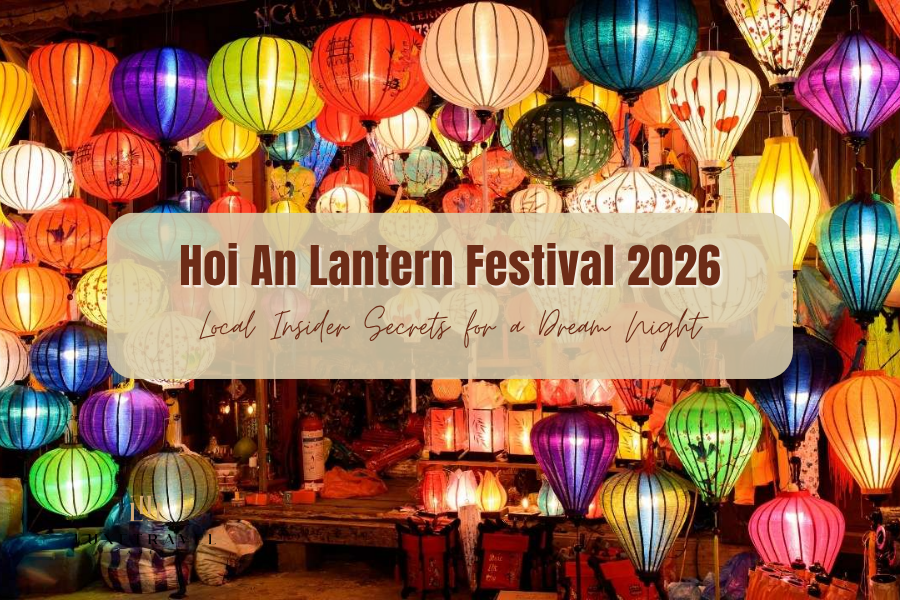
 The Hoi An Lantern Festival 2026 is when central Vietnam’s most storied UNESCO World Heritage port returns to its ancestral rhythm. As the bronze temple bell of Phuc Kien Pagoda tolls at six in the evening, a sudden hush sweeps across the ancient streets of Hoi An. Modern electric lights blink out in unison, motor traffic halts, and a living amber glow rises from thousands of handcrafted silk lanterns suspended beneath moss-crested tile roofs. Along the water, the Thu Bon River transforms into a floating constellation of flickering candlelight.
Having lived through dozens of full-moon cycles along these riverbanks, I have watched the Hoi An Lantern Festival evolve from a quiet neighborhood rite into one of Asia’s most celebrated cultural spectacles. While mass tourism often herds crowds toward congested bridges, the authentic poetry of the night remains fully accessible if you know where-and how-to look.
Whether you seek private, bespoke encounters or want to join the town’s vibrant folk traditions, this guide details how to navigate the 2026 festival with elegance, cultural depth, and ease.
What Is the True Meaning Behind the Hoi An Lantern Festival?
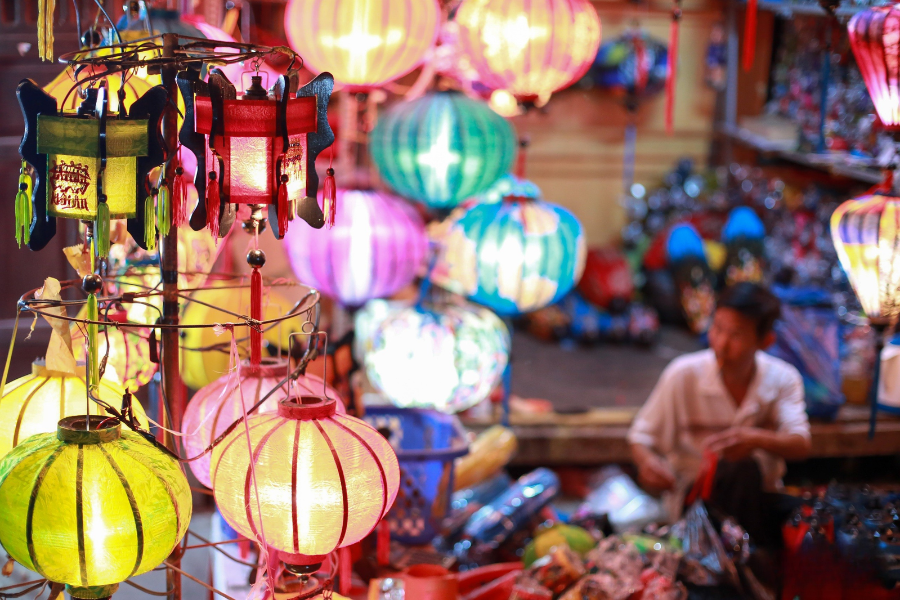
To understand the festival is to understand the maritime legacy of Hoi An. Between the 16th and 18th centuries, this sheltered port-then known to seafaring merchants as Faifo-welcomed trade winds carrying merchant junks from across the world. Japanese settlers introduced minimalist square lanterns framed in cedar, while Chinese traders hung deep-crimson and emerald spherical silk lanterns outside their shophouses to invoke divine protection, prosperity, and safe passage across open seas.
Over centuries of cultural dialogue, local artisans married these foreign designs with Vietnamese craftsmanship. A genuine Hoi An lantern is a masterwork of sustainable material use: seasoned bamboo soaked in saltwater pits for six months to deter wood-boring insects, hand-bent around hardwood templates, and draped in lustrous mulberry silk sourced directly from silkworm farming villages upriver.
On the 14th night of the lunar month, this illumination carries deep spiritual weight. The floating paper lanterns set adrift upon the Thu Bon River represent an ancient Buddhist and animist rite of releasing karmic burdens, clearing sorrow, and sending prayers for health and ancestral protection into the universe. When you place a lantern upon the water, you join an enduring river of human devotion.
When Is the Hoi An Lantern Festival in 2026?
The Hoi An Lantern Festival 2026 occurs strictly on the 14th night of each lunar month, the eve preceding the astrological full moon. From 18:00 to 21:30, the Old Town turns off streetlamps and modern storefront lighting to honor historic custom.
|
Gregorian Date (2026) |
Lunar Date |
Cultural Significance & Seasonal Atmosphere |
|
Jan 2, 2026 |
14th of 11th Month |
Crisp, dry winter air; tranquil and uncrowded |
|
Feb 1, 2026 |
14th of 12th Month |
Festive pre-Tet atmosphere with vibrant street decorations |
|
Mar 2, 2026 |
14th of 1st Month |
Nguyen Tieu Festival (First full moon of the year; largest ancestral ceremony) |
|
Apr 1, 2026 |
14th of 2nd Month |
Pleasant spring climate, clear night skies, mild river breezes |
|
May 30, 2026 |
14th of 4th Month |
Vesak (Buddha’s Birthday celebrations across all historic pagodas) |
|
Jun 28, 2026 |
14th of 5th Month |
Warm, festive summer evenings alive with folk music |
|
Jul 27, 2026 |
14th of 6th Month |
Clear, balmy nights ideal for extended open-air river journeys |
|
Aug 26, 2026 |
14th of 7th Month |
Vu Lan Festival (Filial Piety / Mother’s Day; deeply spiritual candle releases) |
|
Sep 24, 2026 |
14th of 8th Month |
Mid-Autumn Festival (exuberant lion dances & folk games) |
|
Oct 23, 2026 |
14th of 9th Month |
Atmospheric autumn mist over the Thu Bon River |
|
Nov 22, 2026 |
14th of 10th Month |
Intimate, quiet streets with minimal tourist footprints |
|
Dec 22, 2026 |
14th of 11th Month |
Cool winter breezes and romantic reflections along the quays |
For the finest balance of dry weather and spiritual depth, target March 2, 2026 (Nguyen Tieu Festival) or April 1, 2026. If you want to experience traditional lion dances and folk singing echoing off ancient plaster walls, September 24, 2026 (Mid-Autumn Festival) offers an unmatched atmosphere.
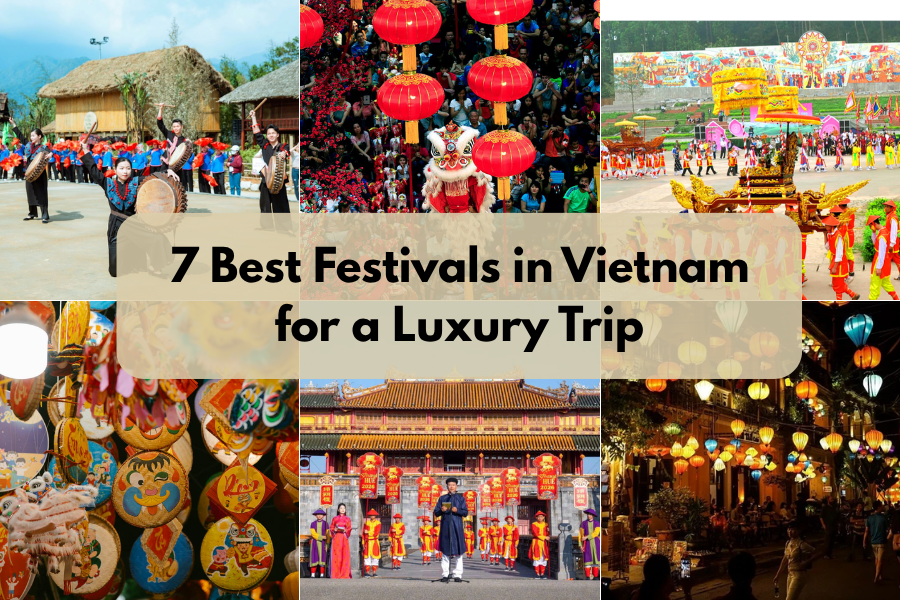
> > > While this full-moon celebration holds a singular spiritual charm, it is just one chapter in the country’s rich tapestry of sacred traditions, explore our curated guide to the best festivals in Vietnam to discover more mesmerizing cultural celebrations across the country.
7 Best Ways to Experience Hoi An Lantern Festival 2026
The festival offers a rich mix of community folk traditions and private, elevated encounters. Here is how to experience both worlds seamlessly:
1. Board a Private Vintage Wooden Sampan at Twilight
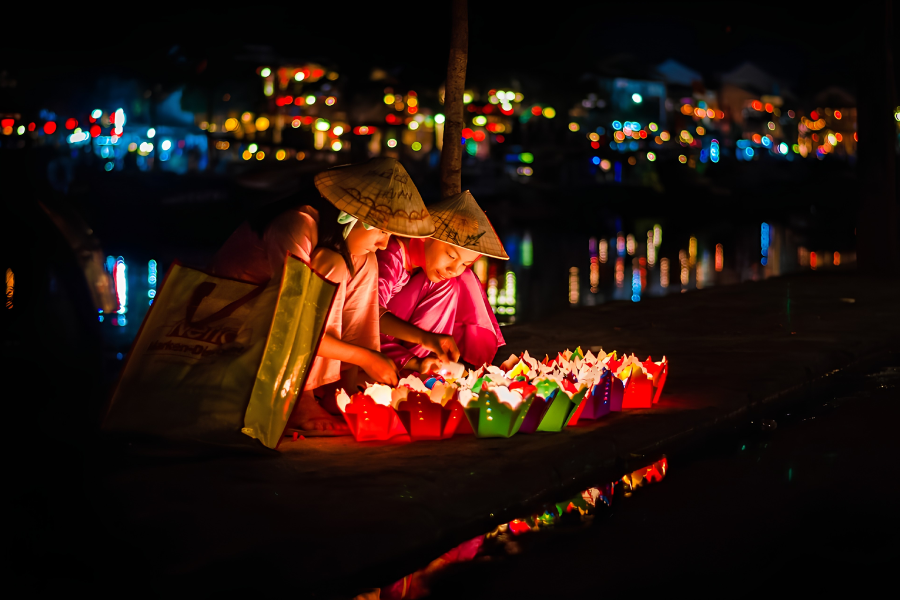
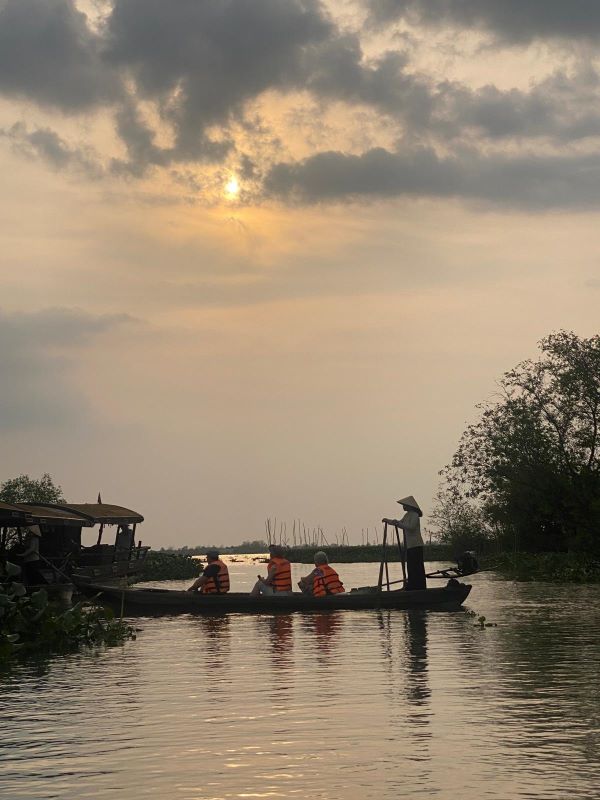
While motorized day-boats pack the central quays near An Hoi Bridge, chartering a private, motor-free wooden sampan offers a serene vantage point. Gliding along the Thu Bon as the sun dips below the horizon gives you front-row access to the town’s architectural silhouette as it transitions from daylight to candlelight.
I always lead my guests down a quiet residential alleyway in Cam Nam rather than the crowded central pier. Our boatman, Uncle Hung-a veteran river hand who navigates using a single long oar-steers us upstream toward the quiet reed-lined banks of Cam Kim Island. With a bottle of chilled vintage champagne open and a bowl of fresh, sweet lotus seeds between us, we drift in near-silence. When the town’s electric lights click off promptly, we tuck into a quiet inlet. Lighting our handmade rice-paper lanterns with wooden matches, we make our silent wishes and release them into the dark water, watching the amber flames bob peacefully on the ripple of our wake before the main river traffic even begins.
2. Savor an Exclusive Heritage Tasting Menu on a Second-Story Riverfront Veranda
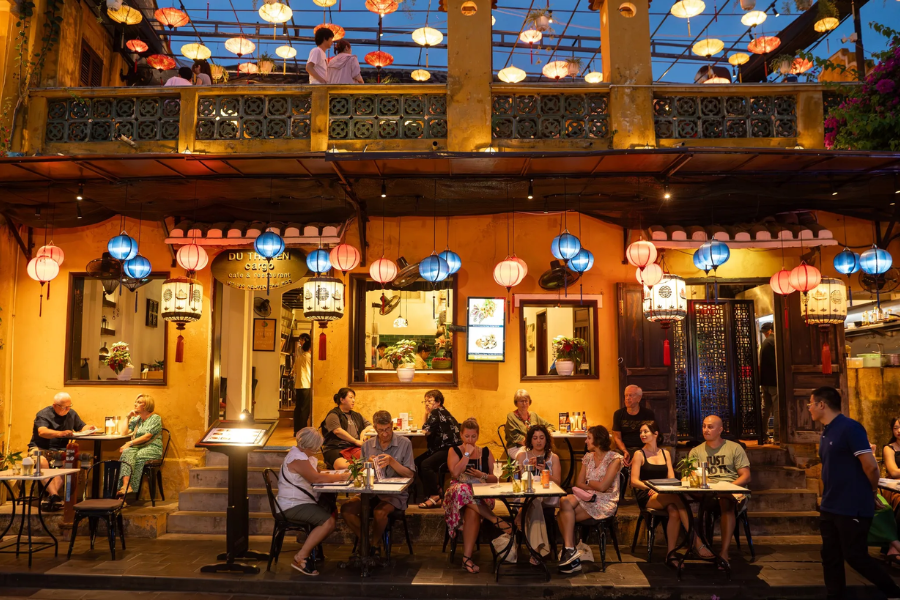
When the streets reach peak pedestrian density between 19:00 and 20:30, escaping upward into a preserved centuries-old merchant shophouse transforms the festival into a living theater. Elevated dining pairs authentic regional recipes with panoramic views of the glowing river below.
My favorite sanctuary is an intimate, four-table balcony tucked along Bach Dang Street. Sitting beneath hand-carved ironwood beams draped in wild bougainvillea, you are completely insulated from the foot traffic below. Last spring, our dinner began with char-grilled sea bass wrapped in wild betel leaves, followed by artisanal Cao Lau noodles-chewy, smoky noodles soaked in water drawn from the ancient Ba Le Well and seasoned with Cham Island firewood ash-paired with an earthy Burgundy. Sipping wine while watching a hundred glowing sampans glide underneath your balcony is one of the most sublime sensory moments in Indochina.
3. Join a Guided Heritage Street Food & Market Trail
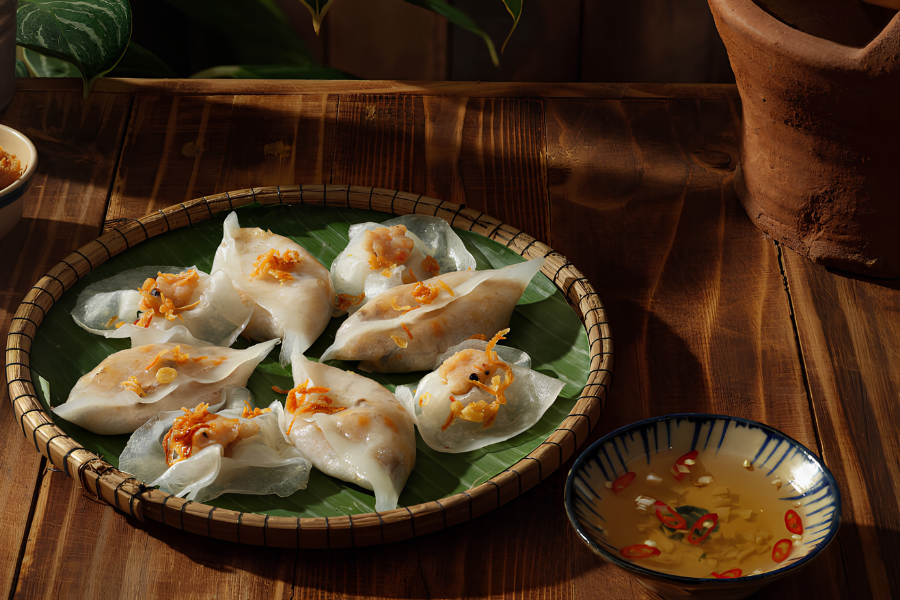
You cannot separate Hoi An’s festival culture from its culinary heritage. An early-evening tasting trail led by a culinary insider introduces you to the historic trading port’s distinct street snacks right as local vendors stoke their charcoal braziers.
At around 17:30, I take guests through the narrow alleys behind Tran Phu Street to meet local vendor families who have prepared the same dish for three generations. We pull up wooden stools to taste steaming dumplings (“White Rose” dumplings-translucent rice paper filled with spiced minced river shrimp and topped with crispy fried shallots), followed by pork skewers sizzled over glowing charcoal, wrapped in fresh rice paper with herbs from Tra Que village. We always finish with a glass of Nước Mót, a chilled herbal tea infused with lotus petals, lemongrass, cinnamon, and dried rosebuds that cools the palate before the evening walk.
4. Immerse in the UNESCO-Recognized Folk Performance of Bai Choi
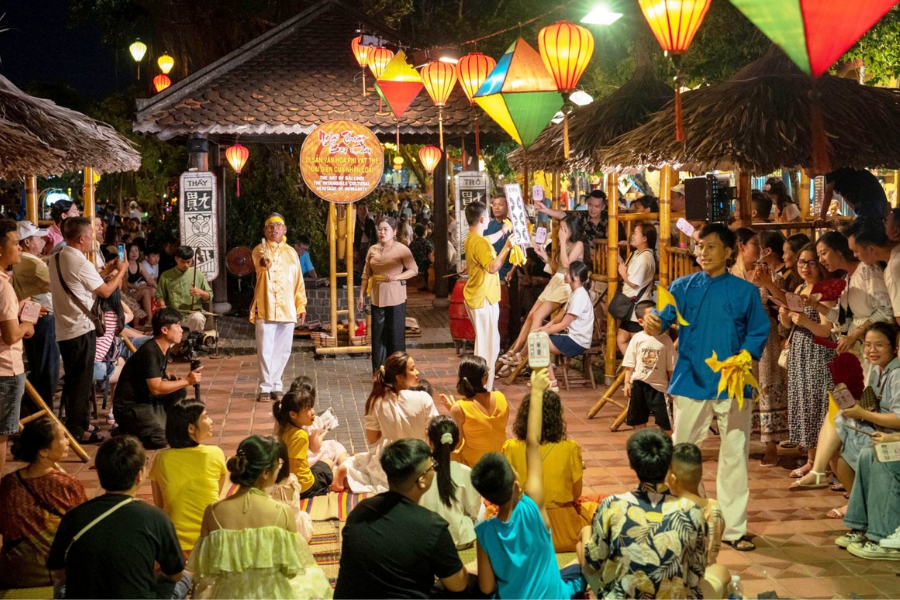
Along the riverfront near the bridge, the ancient musical game of Bài Chòi represents the pulsing communal heart of the night. Combining folk singing, rhyming riddles, and a form of traditional bingo, it offers an authentic look at Central Vietnam’s centuries-old community storytelling.
It is easy to watch from the sidelines, but sitting directly on one of the elevated bamboo huts changes the experience entirely. You buy a set of three wooden playing cards for a nominal cash fee, and as the master of ceremonies sings witty, improvised verses accompanied by traditional two-string fiddles and drums, the crowd hangs on every lyrical clue. Even if you don’t speak Vietnamese, the melodic cadence, dramatic delivery, and infectious laughter of multi-generational families around you create a joyful, warm connection to local life.
5. Craft a Bespoke Silk Lantern in an Ancestral Artisan’s Atelier
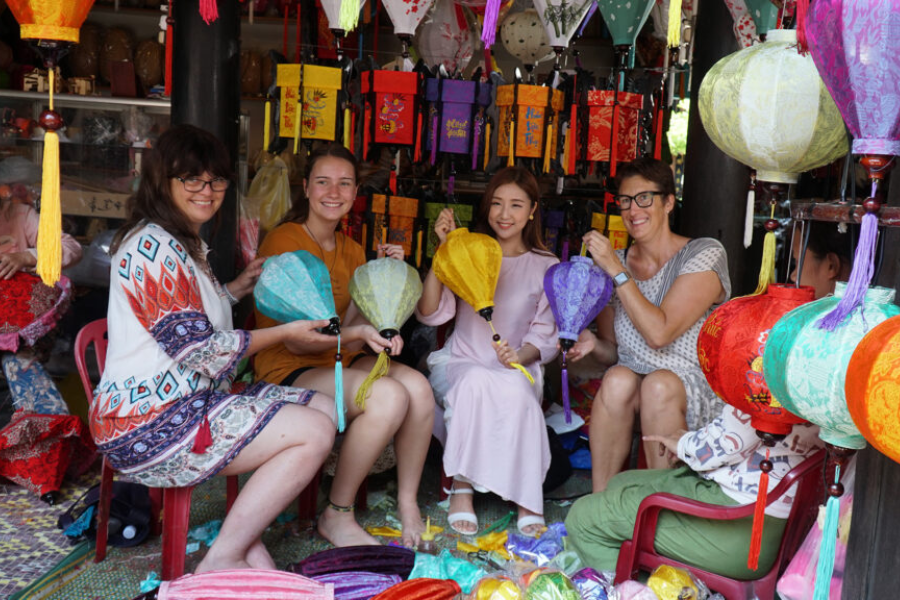
Rather than joining a hurried commercial souvenir workshop, a private afternoon session inside an ancestral courtyard house allows you to understand the high art of Hoi An lantern making from a master craftsman.
I had stayed closely with a third-generation master whose family previously crafted ceremonial lanterns for Hue’s royal court. In his sunlit courtyard surrounded by potted bonsai, you start with raw materials: feeling the natural tension of aged bamboo ribs that have been cured in seawater for months to resist humidity. You hand-select your own textiles-such as heavy jacquard silk woven with delicate lotus watermarks or rich saffron chiffon. Under patient, one-on-one guidance, you shape the skeleton, apply natural adhesive, and stretch the fabric until the lantern skin is drum-tight. Walking away with a signed, collapsible silk piece in a custom wooden box means carrying home a genuine piece of living history.
6. Experience an After-Hours Private Tea Ceremony in a Historic Family Chapel
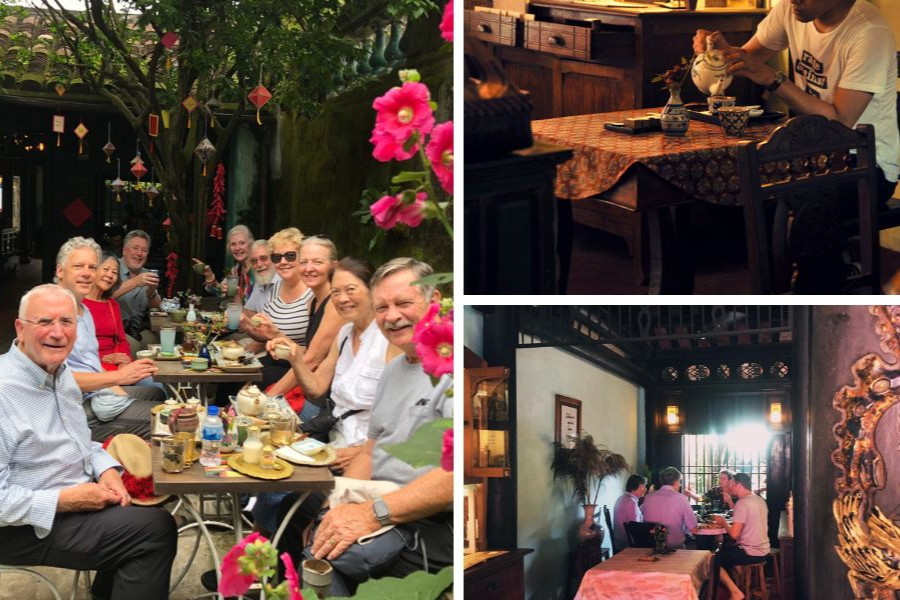
A rare privilege arranged behind closed doors, this experience grants after-hours access to an authentic 200-year-old timber merchant home once the public touring hours end.
Stepping across the heavy wooden threshold as the street quiets down, you are greeted by the family patriarch in the central courtyard. Lit only by beeswax candles and heritage silk lanterns, the ancestral altar glows with aged brass incense burners. As your host brews rare wild Shan Tuyet tea-leaves harvested from ancient tea trees in northern mountains and aged in earthenware jars-he shares personal chronicles passed down through his family: how they survived historic monsoon river floods by hoisting valuable furniture to the mezzanine via pulleys, and how their ancestors bartered silk with Dutch and Japanese ship captains.
7. Take the Midnight Solitude Stroll

When the official festival program concludes, the true historic soul of Hoi An re-emerges. Walking through the lantern-lit alleys in late-night silence allows you to experience the ancient town exactly as it was centuries ago.
Lately in the evening, the tourist coaches depart and local shopkeepers begin sliding heavy timber planks into the grooves of their storefronts. This is when I take my favorite walk along Hoang Van Thu and Nguyen Thi Minh Khai streets. The ambient daytime chatter is replaced by the rhythmic strike of wooden night-watch clappers and the faint murmur of the river against the stone quays. The sweet scent of burning agarwood incense wafts from doorstep altars, and the breeze sets hundreds of silk lanterns swaying gently against weathered yellow walls. In that quiet hour, you feel the timeless, poetic gravity of this ancient trading port.
Where to Capture the Most Soulful Photos in Hoi An
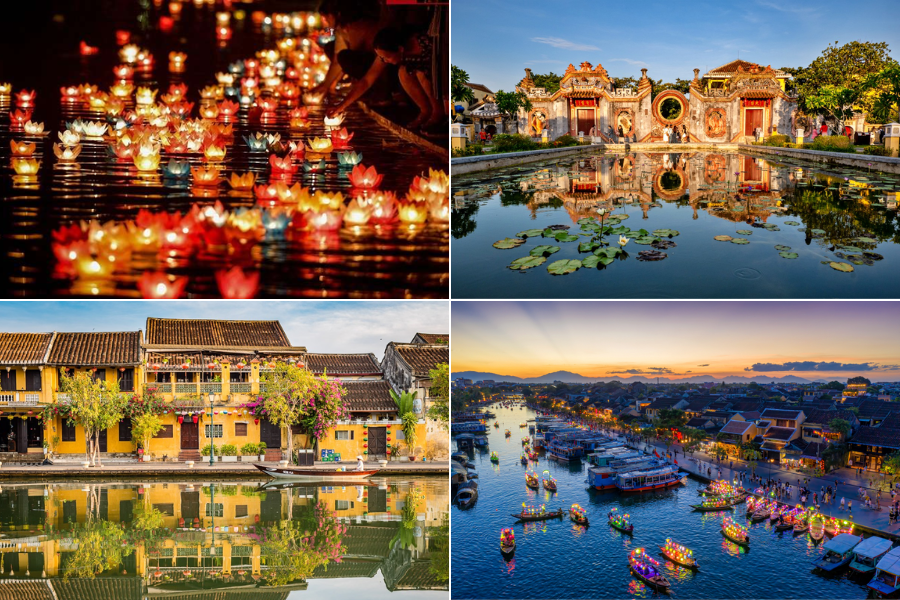
To capture the visual magic of the night without tourist clutter, skip the crowded bridges and head to these atmospheric vantage points:
- The Quiet Upper Balconies of Bach Dang Street (Riverfront North): Position yourself on an upper wooden veranda facing south across the Thu Bon. Use a fast prime lens (35mm or 50mm at f/1.4 or f/1.8) looking down at the wooden sampans gliding through the dark water. The water acts as a mirror, creating clean double reflections of every glowing candle.
- The Textured Corridors of Hoang Van Thu Street: This narrow lane features weathered mustard-yellow plaster walls, deep moss lines, and zero neon signs. Frame your shot under an overhanging silk lantern at dusk to capture silhouetted figures walking past, drawing out rich textures.
- The Eastern Quays of Cam Nam Bridge: Stand on the northern bank looking west toward the Old Town between 18:00 and 18:20 (blue hour). You will frame the sapphire sky, the glowing lantern-lit skyline of the ancient town, and long light trails of wooden boats across the water.
- Ba Mu Temple Gate: Located on Hai Ba Trung Street, this 17th-century carved gate features a quiet lotus reflecting pool. During festival evenings, lanterns illuminate its carved dragon eaves, casting a symmetrical reflection across the still pond with far fewer tourists around.
7 Practical Local Tips for Discerning Travelers
- Secure Old Town Entry by 17:00: The pedestrian zone closes to all motor vehicles by late afternoon. Arrive early to settle into an open-air riverfront lounge before pedestrian footpaths fill up.
- Demand Biodegradable Rice-Paper Lanterns: Protect the aquatic ecosystem of the Thu Bon River. Buy handmade, natural rice-paper lanterns with soy or beeswax candles from elderly local artisans rather than the cheaper versions backed with plastic tape or synthetic glitter.
- Book Private Boats at Least Two Weeks Ahead: High-end, private wooden sampans and prime second-floor dining verandas sell out weeks in advance for key 2026 dates (especially March, April, and September).
- Wear Elegant, Flat Footwear: Polished cobblestones, uneven brick walkways, and timber boat docks become slippery with evening river mist. Leave heels in your suite and choose leather loafers, fine mules, or tailored flat sandals.
- Calibrate Low-Light Camera Settings: Turn off your camera or smartphone flash completely-it flattens the scene and washes out the warm silk texture. Tap the brightest lantern on your screen, lower the exposure compensation slightly, and allow the amber tones to create natural, deep shadows.
- Dress Modestly for Pagodas and Active Chapels: If you step into historic assembly halls like Fujian or Cantonese halls to watch locals make full-moon offerings, keep shoulders and knees covered as a mark of cultural respect.
- Carry Crisp, Small-Denomination Local Currency: While fine restaurants and boutique ateliers readily accept premium credit cards, purchasing wishing lanterns, buying street-side herbal tea, or playing traditional folk games (Bai Choi) requires cash (notes of 10,000 to 50,000 VND).
> > > Ready to witness the amber glow of Hoi An and discover Vietnam’s most iconic wonders in absolute comfort? Explore our private Highlights of Vietnam journey tailored to your personal rhythm.
The Hoi An Lantern Festival 2026 is not merely an evening visual spectacle; it is a living portal to an older, gentler Indochina. Long after the camera lenses are capped and the digital feeds go quiet, what remains with you is the sensory soul of the night: the scent of aged incense mingling with wood-fired river air, the tactile resonance of hand-stretched silk, and the contemplative moment your wishing lantern drifts out into the dark currents of the Thu Bon River, joining a golden constellation of centuries-old human hopes.
A truly unforgettable encounter with the Hoi An Lantern Festival should never be left to chance or crowded tour itineraries. Our local luxury travel designers specialize in orchestrating seamless, private journeys, securing exclusive heritage veranda dining, private twilight wooden sampan charters, master artisan ateliers, and tranquil stays at central Vietnam’s premier luxury retreats.
Let our destination specialists craft your bespoke 2026 festival itinerary. Contact us today to begin designing a personalized voyage steeped in authenticity, romance, and experiential luxury.
Tags: best festivals in Vietnam, festivals in Vietnam, Hoi An, Hoi An lantern, Hoi An Lantern Festival, Hoi An Lantern Festival 2026