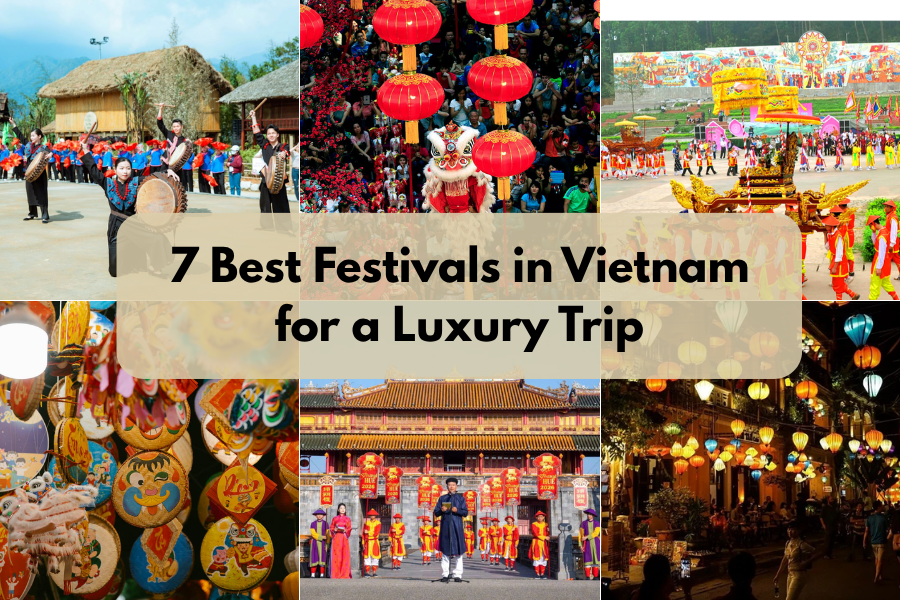
Exploring the best festivals in Vietnam is the most rewarding way to experience the vibrant heart and living heritage of this fascinating country. Across the nation, every season brings a new celebration of history, ancestral pride, artistic expression, and local folklore. These moments bring centuries-old customs to life through the soft glow of silk lanterns on quiet waterways, the rhythmic thrum of bronze drums, and the warm hospitality of local families.
For discerning international travelers, witnessing these cultural milestones can sometimes feel daunting due to the energetic crowds. However, as someone who has curated private journeys across Vietnam for years, I have seen firsthand that festivals can be enjoyed with complete comfort, grace, and privacy. When designed thoughtfully, your Vietnam travel during festival seasons can become the most memorable chapter of your entire holiday.
What Are the Best Festivals in Vietnam?
Vietnam celebrates hundreds of traditional festivals throughout the year, but several stand out for their deep spiritual meaning, beauty, and festive warmth:
|
Festival Name |
When to Go |
Best Place to Experience |
Signature Cultural Highlights |
|
Tet – Vietnamese Lunar New Year |
Late Jan – Mid Feb (1st Lunar Month) |
Hanoi, Ho Chi Minh City, Nationwide |
Spring flower markets, ancestral rituals, fine festive dining, peaceful cities on Day 1. |
|
Hue Festival |
April – June (Biennial / Seasonal) |
Hue Imperial Citadel & Perfume River |
Royal court music (Nha Nhac), imperial costume parades, private garden house banquets. |
|
Hoi An Lantern Festival |
14th night of every Lunar Month |
Hoi An Ancient Town & Hoai River |
Motor-free candlelit streets, silk lantern glow, private wooden boat candle releases. |
|
Mid-Autumn Festival |
Full moon in Sept – Oct (15th of 8th Lunar Month) |
Hanoi (Hang Ma) & Hoi An |
Vibrant lion dances, artisan mooncakes, family reunion tea ceremonies under the full moon. |
|
Hung Kings Temple Festival |
10th day of 3rd Lunar Month (April) |
Phu Tho Province (North of Hanoi) |
Ancient ancestral rites, traditional palanquin processions, bronze drum performances. |
|
Northern Highland Spring Festivals |
February – March (Post-Tet) |
Sapa, Bac Ha, Ha Giang |
Ethnic minority folk games, colorful handmade brocade attire, mountain musical panpipes. |
|
Ok Om Bok & Ghe Ngo Race |
October – November (15th of 10th Lunar Month) |
Soc Trang (Mekong Delta) |
Moon-worshiping rituals, Khmer pagoda ceremonies, thrilling river long-boat races. |
Top Cultural Festivals in Vietnam You Shouldn’t Miss
To help you choose the best celebration for your journey, here is an in-depth look at the most iconic celebrations across the country, complete with practical details and my personal notes on experiencing them in pure comfort.
Tet Nguyen Dan (Lunar New Year): The Heart of Vietnamese Culture
- When to Go: Late January to mid-February (1st to 3rd day of the first Lunar month).
- Best Places to Experience: Hanoi (for traditional heritage) or Ho Chi Minh City (for vibrant spring sunshine).
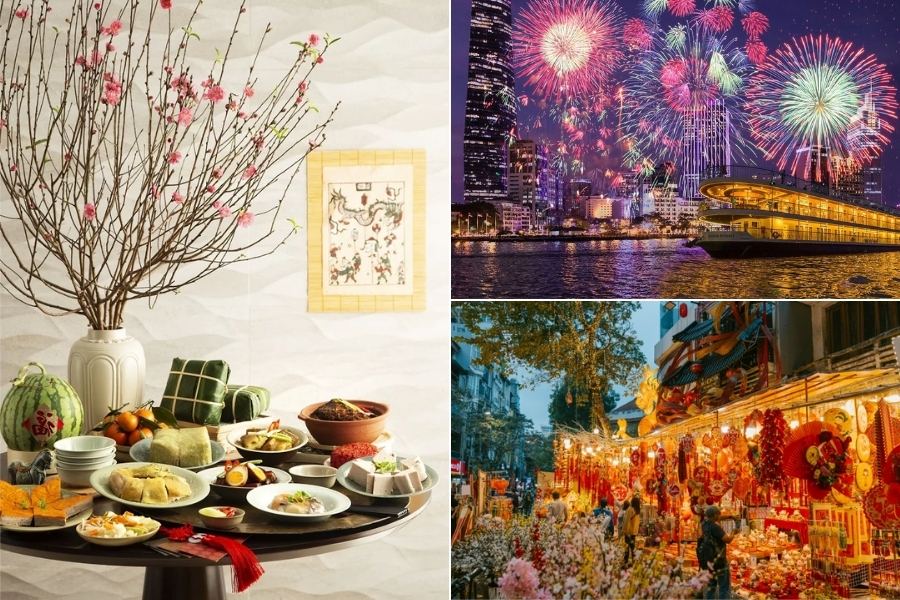
Tet Nguyen Dan, or simply Tet, is the sacred heartbeat of Vietnamese family and cultural life. It marks the arrival of spring and a fresh start for the new year. Days before the festival, cities transform as locals fill the streets to buy blooming pink peach blossom branches in the north, bright yellow apricot blossoms in the south, and kumquat trees heavy with fruit symbolizing prosperity.
What makes Tet truly special is its dual personality. The week before Tet is buzzing with festive energy, open-air flower markets, and bustling home preparations. Then, on the morning of the First Day of the New Year, a serene, peaceful silence settles over major cities. The bustling streets of Hanoi’s Old Quarter clear out, revealing clean architectural lines and tranquil tree-lined boulevards rarely seen during the rest of the year.
- An Insider Experience: One of my favorite Tet moments is taking my guests on a private early-morning stroll through Hanoi on the first morning of the New Year. Walking through the quiet French Quarter before visiting the home of an artisan family for an exclusive spring tea ceremony and a traditional multi-course festive lunch-featuring silky pork terrines, sticky rice cakes (Banh Chung), and slow-simmered bamboo broth-offers an intimate look into authentic Vietnam culture that ordinary tours simply cannot replicate.
Hue Festival: Imperial Elegance
- When to Go: April to June (held across alternating years as grand festivals or dedicated craft weeks).
- Best Place to Experience: The Imperial Citadel and along the Perfume River in Hue.
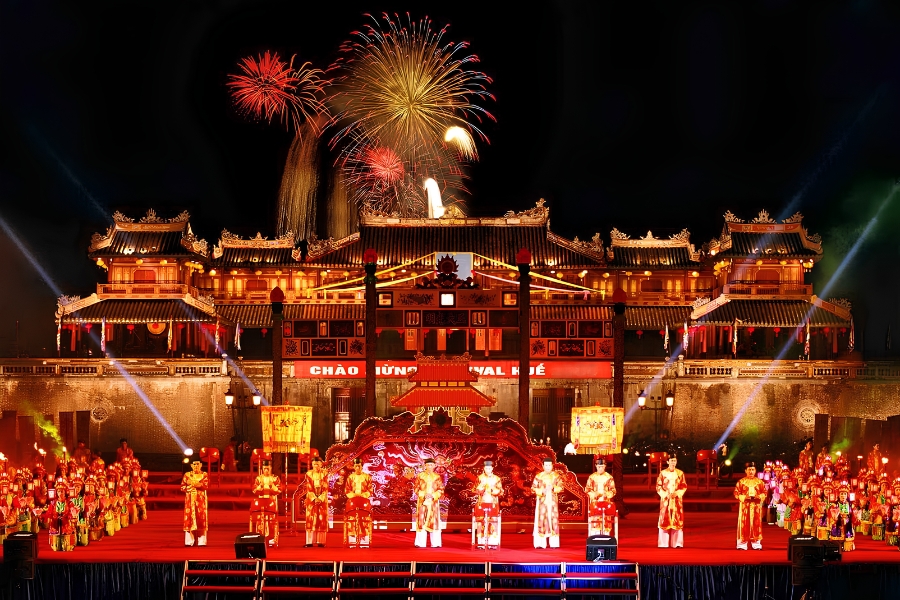
Hue, the former imperial capital of the Nguyen Dynasty, is the cradle of Vietnam’s royal arts, court cuisine, and classical architecture. During the Hue Festival, the city revives its historic splendor through lavish stage performances within the Forbidden Purple City, vibrant street parades, and poetry recitals.
A central highlight of the festival is Nha Nhac (Vietnamese Court Music), recognized by UNESCO as an Intangible Cultural Heritage. The delicate sounds of traditional stringed instruments, bronze bells, and drums played against the backdrop of illuminated dynastic palaces create an atmosphere of pure majesty. In addition, the Hue Traditional Craft Festival showcases the mastery of kite makers, bronze casters, conical hat artists, and royal silk weavers.
An Insider Experience: Skip the crowded public seating areas by reserving a private evening cruise on an authentic wooden dragon boat along the Perfume River. As floating lanterns drift past and festival fireworks light up the sky above the ancient citadel walls, you can enjoy imperial banquet dishes paired with fine wines, accompanied by a private performance of traditional Hue court melodies right on board.
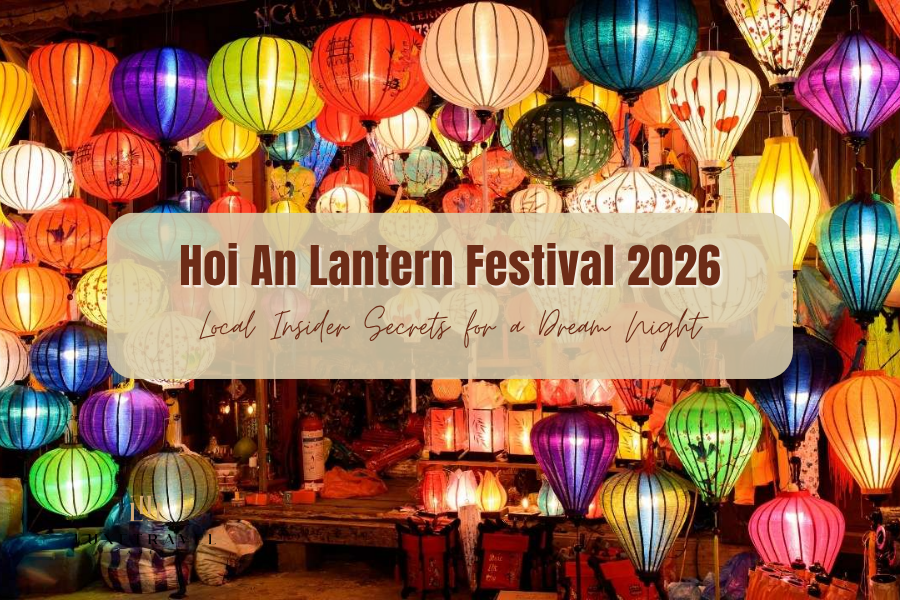
Hoi An Lantern Festival: Poetry on the Hoai River
- When to Go: The 14th evening of every Lunar month (the night preceding the full moon).
- Best Place to Experience: Hoi An Ancient Town, Central Vietnam.
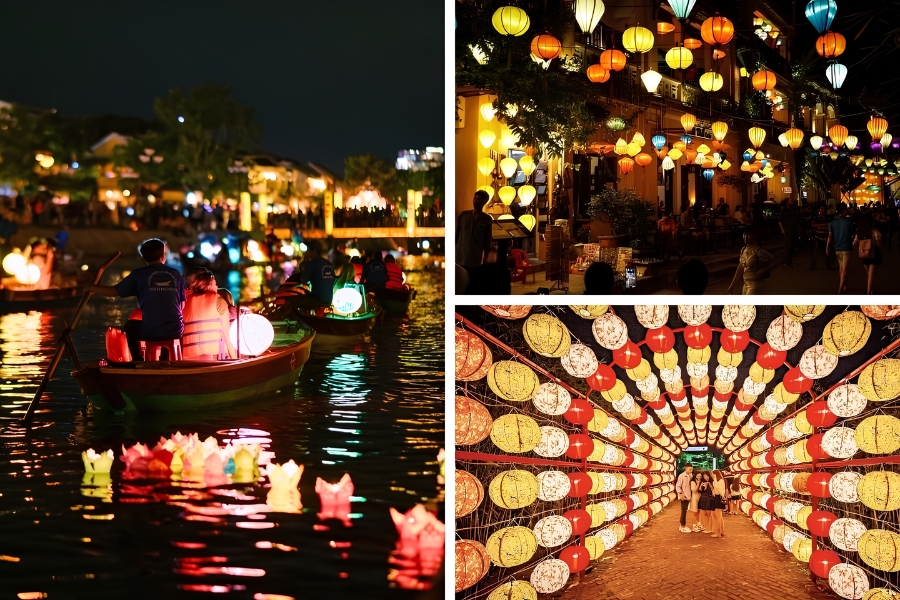
Once a month, the UNESCO-listed trading port of Hoi An turns back the clock. At dusk, the town switches off its electric street lights and neon signs, allowing the warm, atmospheric glow of thousands of handcrafted silk lanterns to illuminate the narrow cobbled lanes and yellow-ochre shophouses.
Locals and visitors gather along the banks of the Hoai River to release delicate paper lanterns carrying small burning candles onto the water, sending wishes for peace and good fortune into the gentle current. The reflection of countless lights flickering across the dark river surface creates a dreamlike, poetic scene.
An Insider Experience: While the central riverbanks can become lively, we arrange for our guests to board a private sampan boat handled by a local boatman just as twilight deepens. Gliding away from the main promenade into the quieter reaches of the river allows you to release your own lanterns in peaceful seclusion. Afterward, retreat to a reserved private balcony table at a riverside heritage restaurant to enjoy local specialties like steamed white rose dumplings while looking out over the lantern-lit town below.
Mid-Autumn Festival (Tet Trung Thu): The Season of Reunion & Lights
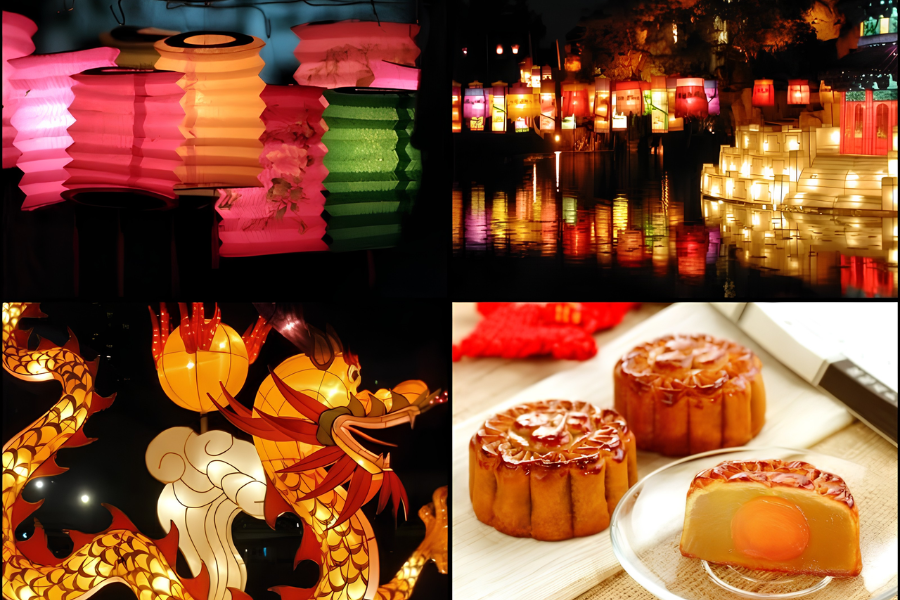
- When to Go: The 15th night of the 8th Lunar month (usually late September or early October).
- Best Places to Experience: Hang Ma Street in Hanoi, or the lantern-lit alleys of Hoi An.
Originally celebrated to mark the end of the autumn harvest and honor family bonds, Tet Trung Thu is Vietnam’s most enchanting, joyous family festival. It is often affectionately called the Children’s Festival, but its warm atmosphere appeals to travelers of all ages.
During the festival, neighborhood streets come alive with the sound of drums accompanying dynamic Lion and Dragon Dances. Families gather under the brightest full moon of the year to share aromatic cups of tea and slices of traditional mooncakes-delicately molded pastries filled with lotus seeds, salted egg yolk, green bean paste, or candied nuts.
An Insider Experience: In Hanoi, we invite guests to an exclusive afternoon tea salon inside a private art gallery. Here, you can meet a master pastry chef to learn the art of pressing custom mooncakes, paired with rare wild lotus tea sourced from West Lake. In the evening, watch private lion dance performances arranged in quiet heritage courtyards away from crowded sidewalks.
Hung Kings Temple Festival: The Ancestral Heritage
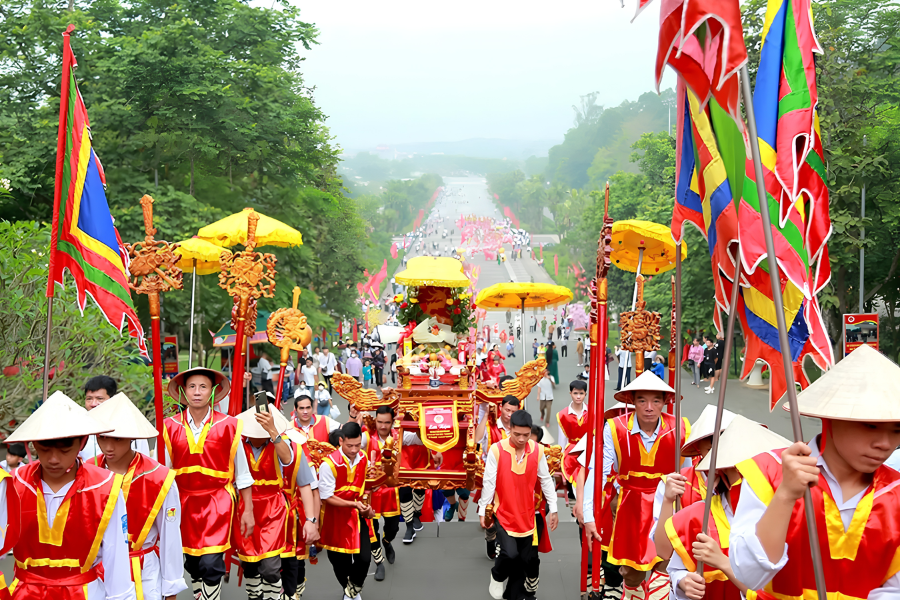
- When to Go: 10th day of the 3rd Lunar month (typically April).
- Best Place to Experience: Hung Temple Historic Complex, Nghia Linh Mountain, Phu Tho Province (an easy day trip from Hanoi).
The Hung Kings Temple Festival honors the legendary founding fathers of the Vietnamese nation. According to ancient myth, the Hung Kings established the first kingdom of Van Lang thousands of years ago. For those interested in profound history and spiritual heritage, this festival represents the cornerstone of national identity.
The ceremony begins with a solemn, colorful procession of government dignitaries, elders, and village delegations carrying elaborately carved wooden palanquins, bronze incense burners, and colorful flags up the forested steps of Nghia Linh Mountain. Traditional offerings of square sticky rice cakes and round cakes are presented at the summit shrines, accompanied by ancient bronze drum rituals and folk singing performances.
An Insider Experience: To experience this profound spiritual event comfortably, our private tours depart early in a luxury vehicle with an expert historical guide who provides deep narrative context on Vietnamese creation mythology. After paying respects at the historic mountain shrines, you can relax over a private, freshly prepared countryside lunch at an eco-retreat overlooking tranquil tea hills in neighboring valleys.
Ready to share these timeless celebrations with the people who matter most? Discover our hand-crafted The Best of Vietnam for Families journey or speak with our travel designers to customize your private family escape.
Seasonal & Regional Celebrations Across Vietnam
Beyond the major national holidays, Vietnam’s diverse geography and ethnic groups give rise to unique regional celebrations that reveal the authentic spirit of the countryside.
Northern Mountain Festivals: Spring Colors of the Ethnic Highlands
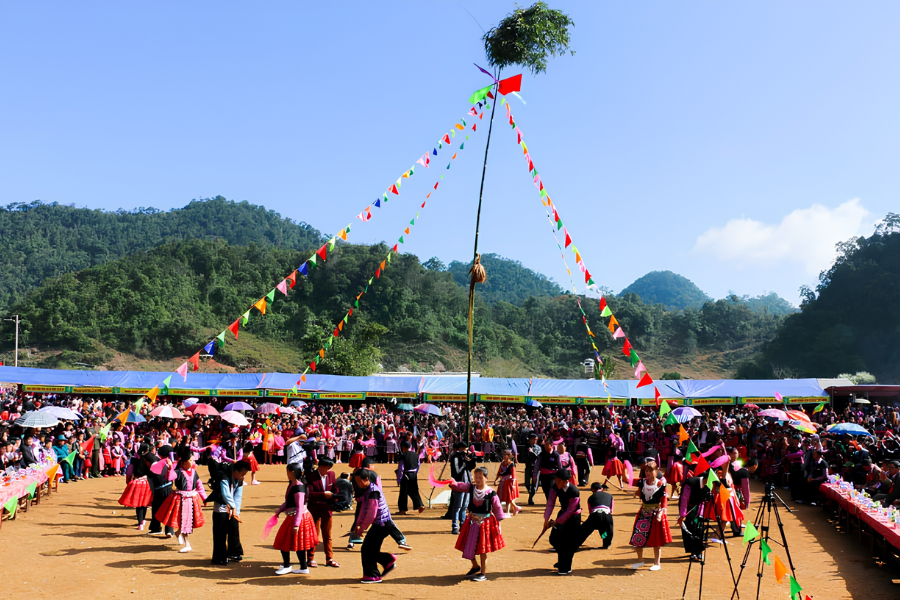
- When to Go: February to March (the weeks following the Lunar New Year).
- Best Places to Experience: Sapa, Bac Ha, Mu Cang Chai, and Ha Giang.
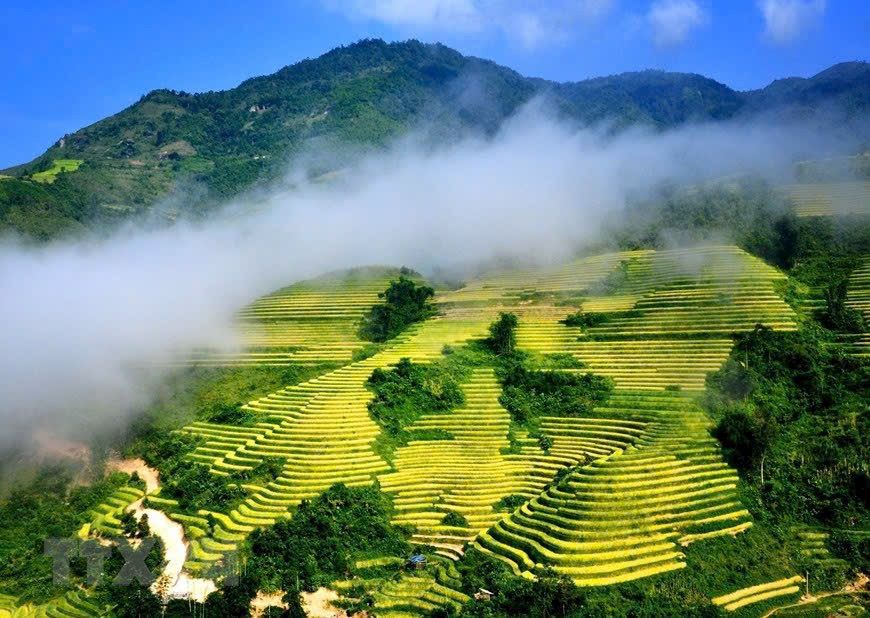
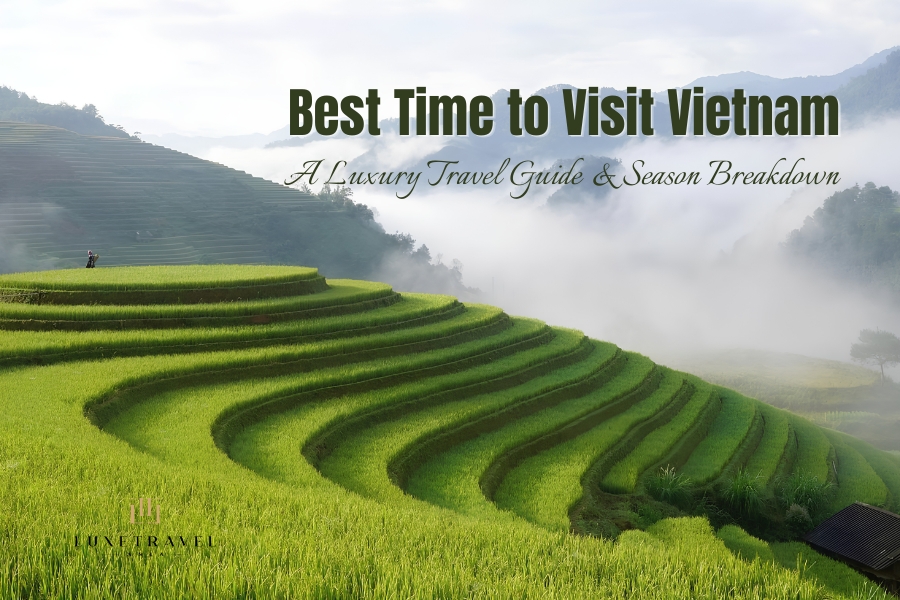
Spring in the northern mountains is a season of pure celebration. Ethnic minority communities-including the Hmong, Red Dao, Tay, and Giay-gather on open terraced hillsides for lively spring festivals such as the Long Tong (Going to the Field) festival and the famed seasonal love markets.
Young men play traditional bamboo panpipes (Khen) while women dance in intricately embroidered, handmade indigo costumes decorated with silver jewelry that chimes with every step. Traditional folk games like archery, tug-of-war, and shuttlecock kicking fill the mountain air with laughter and joy.
Visiting these highland festivals with a private local guide lets you visit peaceful, lesser-known mountain hamlets, where you can watch traditional weaving workshops and enjoy home-cooked meals by open hearths in traditional stilt houses.
Southern Riverine Celebrations: Floating Life of the Mekong
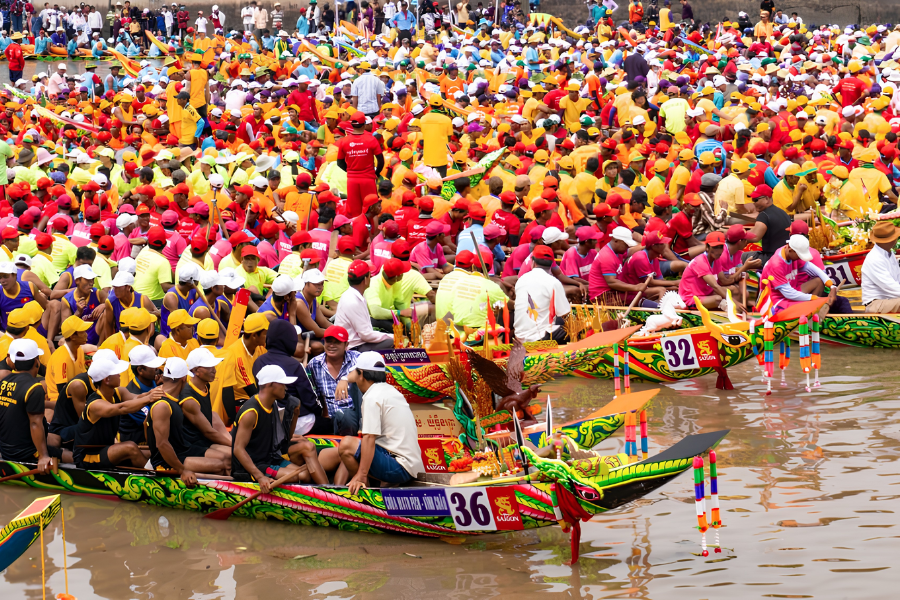
- When to Go: October to November (the 15th night of the 10th Lunar month).
- Best Places to Experience: Soc Trang and Tra Vinh provinces in the Mekong Delta.
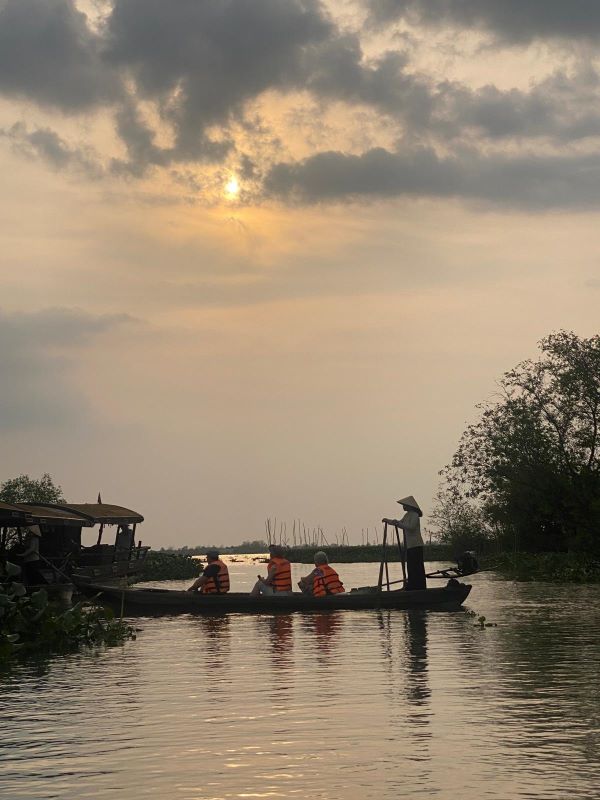
In the sun-warmed waterways of the south, the indigenous Khmer community celebrates Ok Om Bok, an ancient festival dedicated to the Moon God to express gratitude for the harvest and pray for favorable waters.
The most thrilling highlight of Ok Om Bok is the Ghe Ngo boat race. Long, slender wooden canoes decorated with vibrant serpent motifs and powered by up to 50 synchronized rowers race along the riverbanks to the cheering roar of thousands of spectators. At nightfall, miniature illuminated floats fashioned from banana trunks and glowing candles are set adrift on the river, creating a stunning visual display across the delta.
How to Experience Festivals in Vietnam with Privacy and Comfort
Attending a traditional celebration is one of the most rewarding ways to discover the country, but festival dates naturally draw large numbers of domestic and regional travelers. Here is how you can enjoy every moment seamlessly:
- Book Premier Accommodations Early: Top heritage boutique hotels and secluded resorts fill up months in advance for major events like Tet, the Hue Festival, and the Hoi An Lantern Festival. Securing your favored suite or private villa well ahead of time ensures both comfort and convenience.
- Rely on Dedicated Private Guides: Navigating festival grounds is effortless when accompanied by an expert local host. A professional guide knows the optimal vantage points, understands festival etiquette, and helps you bypass crowded bottlenecks via private walkways and quiet scenic routes.
- Opt for Private Transportation: Having a dedicated luxury car and chauffeur waiting nearby allows you to visit festivals at your own pace and retreat to the quiet comfort of your resort whenever you wish.
- Integrate Festival Visits into Custom Journeys: Rather than planning an entire trip around crowded parade routes, weave single festival evenings into a balanced, broader itinerary. For example, balance a festive night in Hoi An with several days of quiet wellness on the pristine beaches of Quy Nhon or Phu Quoc.
- Reserve private elevated vantage points: For open-air street events like the Hoi An Lantern Festival or Mid-Autumn Lion Dances, book second-floor private dining balconies or riverfront tea salons weeks in advance to observe the vibrant processions comfortably above the street-level foot traffic.
- Double-check the Lunar Calendar conversion: Traditional Vietnamese celebrations follow the Lunar Calendar, meaning solar calendar dates shift by several weeks each year. Always verify the exact Gregorian dates with your private travel designer before locking in intercontinental flights.
- Secure cash reserves prior to major holidays: While luxury boutique hotels and fine dining venues accept cards, ATM replenishment and banking operations pause during the core days of Lunar New Year (Tet). Keep sufficient local currency (VND) on hand for temple offerings, artisanal souvenirs, and traditional lucky money (Li Xi).
- Respect spiritual etiquette with tailored attire: Temple and pagoda festivals (such as the Perfume Pagoda or Hung Kings ceremonies) require modest dress. Pack lightweight, breathable linen shirts or trousers that fully cover the shoulders and knees, as well as slip-on footwear that is easy to remove before entering sacred shrines.
- Coordinate domestic logistics around holiday bottlenecks: Domestic airports and train terminals experience surges during the days immediately before and after national holidays. Arrange VIP fast-track airport meet-and-greet services and travel by private executive vehicle to bypass standard transit queues.
If you are planning an authentic journey tailored around these remarkable traditions, take a look at our handcrafted Vietnam private tours, designed to offer exclusive access, five-star comfort, and authentic cultural depth at every step.
Every festival in Vietnam is an open invitation to connect with the timeless traditions, warm smiles, and rich soul of the country. Whether you want to watch floating lanterns drift across the water in Hoi An, celebrate the fresh promise of spring during Tet in Hanoi, or witness the majestic pageantry of royal court music in Hue, our team is here to bring your vision to life.
Connect with LuxeTravel Asia, our luxury travel designers today. Let us craft a personalized, experiential itinerary that lets you enjoy Vietnam’s finest cultural celebrations with genuine authenticity, effortless ease, and total privacy.
Tags: best festivals in Vietnam, festivals in Vietnam, vietnam, Vietnam culture, vietnam luxury tours, vietnam private tours