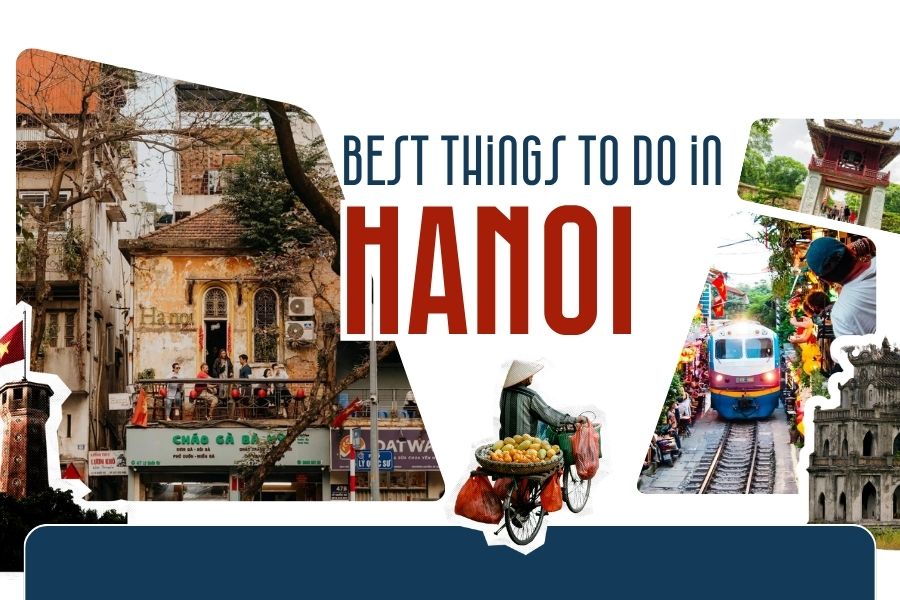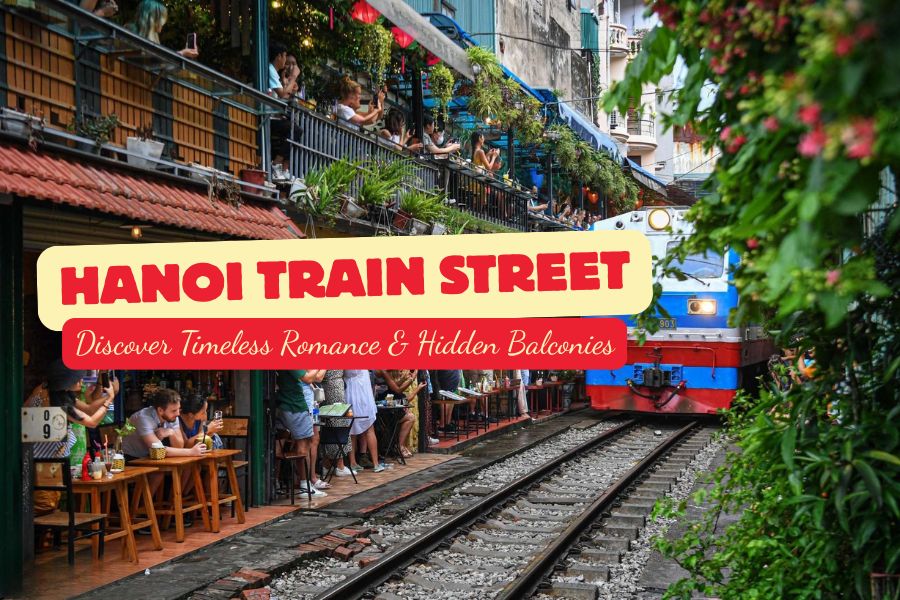
The legendary Hanoi Train Street is easily one of the most exhilarating urban spectacles in Southeast Asia. Standing along this razor-thin railway corridor, you feel the impending arrival before you ever see it: a deep, rhythmic vibration humming through the 120-year-old iron tracks and ancient ballast gravel beneath your shoes. Within seconds, a piercing locomotive horn echoes off narrow French-colonial shophouse facades, and a massive steel engine sweeps past-mere inches from doorstep flowerpots and wooden coffee stools.
Among the premier cultural and historical attractions in Hanoi, the world-famous train street Hanoi encapsulates the capital’s living heritage, community warmth, and genius for urban adaptation. Yet, experiencing this iconic site with the refinement, safety, and elegance that discerning travelers expect requires local insight. Navigating police checkpoints, decoding the fluctuating Hanoi train street times, and securing a private second-story balcony away from tourist jostling make all the difference between an overwhelming crush and an unforgettable travel memory.
Here is my personal insider guide to experiencing Hanoi Train Street safely, authentically, and in elevated comfort.
What Is the Story Behind Hanoi Train Street?

To truly appreciate the atmosphere of train street Hanoi, you have to look back to the turn of the 20th century. In 1902, the French colonial administration under Paul Doumer completed the legendary Long Bien Bridge and laid the single-track railway cutting directly through the dense urban core of Hanoi, connecting the capital to the northern border and the coastal port of Hai Phong.
As Hanoi expanded over the post-war decades, rail workers and local families built narrow multi-story tube houses hugging the very edge of the rail clearance. Over three and four generations, a unique community culture blossomed right on the gravel: children learned to ride bicycles on the cross-ties, grandmothers washed morning vegetables by the tracks, and neighbors chatted across rails barely two meters apart. Everyone lived by an instinctive internal clock, clearing laundry lines and folding plastic stools five minutes before the scheduled rumble of the train.
In recent years, this residential corridor evolved into a sanctuary of boutique coffee shops. Stepping into a family-run Hanoi train street cafe today is not just a photo-op-it is an intimate invitation into the resilient, hospitable heart of traditional Hanoian life.
What Are the Updated Hanoi Train Street Times?

Knowing the verified Hanoi train street times is vital to planning a seamless visit. The corridor carries both national North-South Reunification Express (SE passenger trains) and regional passenger and freight services.
Because railway dispatch schedules vary between weekdays and weekends, plan your arrival around the following timetable:
|
Day Category |
Time of Day |
Typical Passing Schedule |
Insider Atmosphere & Vibe |
|
Monday – Friday |
Evening / Night |
19:00, 19:45, 20:30, 21:15, 22:00 |
Unhurried pace, glowing silk lanterns, moody rail reflections |
|
Saturday & Sunday |
Morning |
08:30, 09:15, 11:30 |
Bright natural daylight; perfect for architecture & family strolls |
|
Afternoon |
15:20, 16:15, 17:30, 18:00 |
Golden-hour light across yellow colonial plaster and balconies |
|
|
Evening |
19:00, 20:00, 21:00, 22:00 |
Electric weekend energy; maximum cafe buzz along both sections |
My Personal Timing Advice: Train arrivals in Vietnam frequently shift by 10 to 25 minutes due to long-distance track sharing. Never rush in at the exact scheduled minute. I always arrive at least 30 minutes early. This gives you time to clear the checkpoint calmly, settle onto an elevated veranda, order a fresh brew, and watch the fascinating neighborhood ritual of “clearing the tracks” unfold at an unhurried pace.
Which Section of Train Street Should You Choose?
The railway line is divided into two main neighborhood stretches across central Hanoi, each offering distinct visual angles, atmosphere, and access conditions:
Phung Hung / Tran Phu Section (Hoan Kiem District)
- Detailed Landmark & Setting: Located precisely between 5 Tran Phu and the Phung Hung mural street, this is the classic, gentle S-curve of Hanoi Train Street. Lined with vibrant hanging silk lanterns, potted bougainvillea climbing French-style balconies, and charming two-story wooden cafe fronts, it provides the quintessential aesthetic postcard shot.
- Best Spot: The upper-level open veranda of cafes situated directly at the apex of the Tran Phu bend. From here, you can gaze straight down the track corridor and watch the train slowly emerge around the curvature of historic French shophouses.
- Access Note: Because of its popularity, this section features official permanent security barricades at both alley mouths (the Tran Phu and Phung Hung entrances). Entry is strictly monitored by local ward wardens, requiring you to be escorted inside by a licensed cafe host.
Dien Bien Phu/Le Duan Section (Ba Dinh District)
- Detailed Landmark & Setting: Stretching south from the intersection of Dien Bien Phu (near 224 Le Duan), this section borders the historic military barracks and the French Quarter. The alley here is slightly wider, straighter, and retains a raw, unvarnished residential charm with far fewer souvenir signs and neon lights.
- Best Spot: The quieter open-air ground-level courtyards near the lane 222 Le Duan opening. Here, the tracks run right alongside old rail-worker family communal kitchens, offering exceptional eye-level perspective shots of the train against peeling ochre walls.
- Access Note: Security checkpoints here are generally much more relaxed and permeable, making it the preferred choice for discerning travelers who value quiet authenticity, uncrowded walkways, and a raw glimpse into everyday domestic life.
7 Best Ways to Experience Hanoi Train Street in Style
To elevate your visit beyond the crowded ground-floor benches, here are seven refined, multi-sensory ways to experience the corridor, pairing comprehensive context with my own field-tested memories:
1. Reserve a Private 2nd-Floor Wooden Balcony Perch
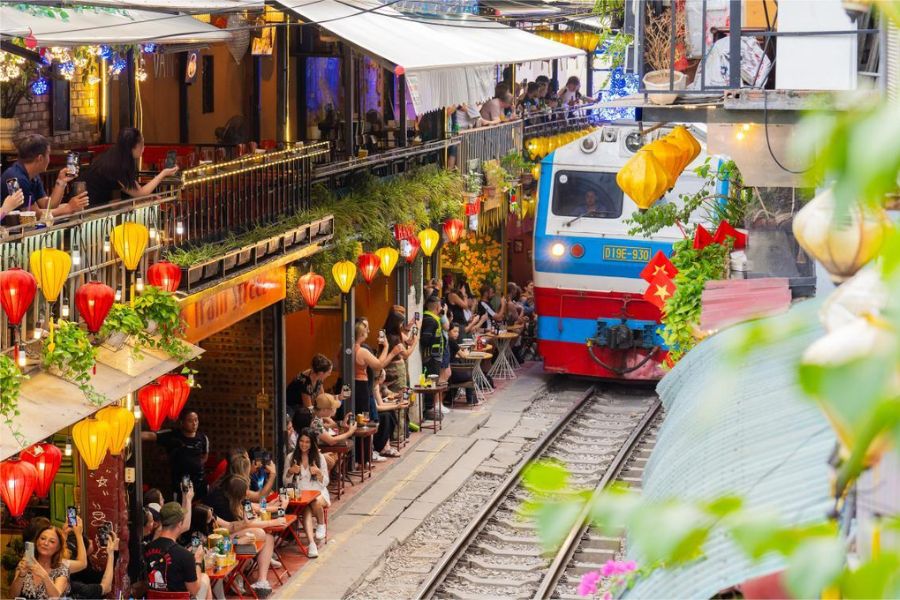
While sitting at ground-level stools places you right in the blast zone of crowds and track gravel, retreating to an intimate second-floor veranda transforms the entire spectacle. From above, you gain a panoramic, bird’s-eye perspective over the railway gorge, watching the locomotive sweep directly beneath your fingertips in absolute seclusion and safety.
My favorite spot is an airy, dark-timber loft tucked along the Tran Phu bend. Last autumn, I reserved the corner balcony at 16:45 for the 17:30 weekend train. Sitting above the street, sipping a cold-steeped jasmine tea beneath hanging paper lanterns, the vantage point is unmatched. Looking down, you see the entire silver roof of the locomotive sweep directly beneath your hands-close enough to feel the heat radiating from the engine cabs, yet safely insulated from the ground-level crush.
2. Savor Artisanal Egg Coffee and Salt Coffee
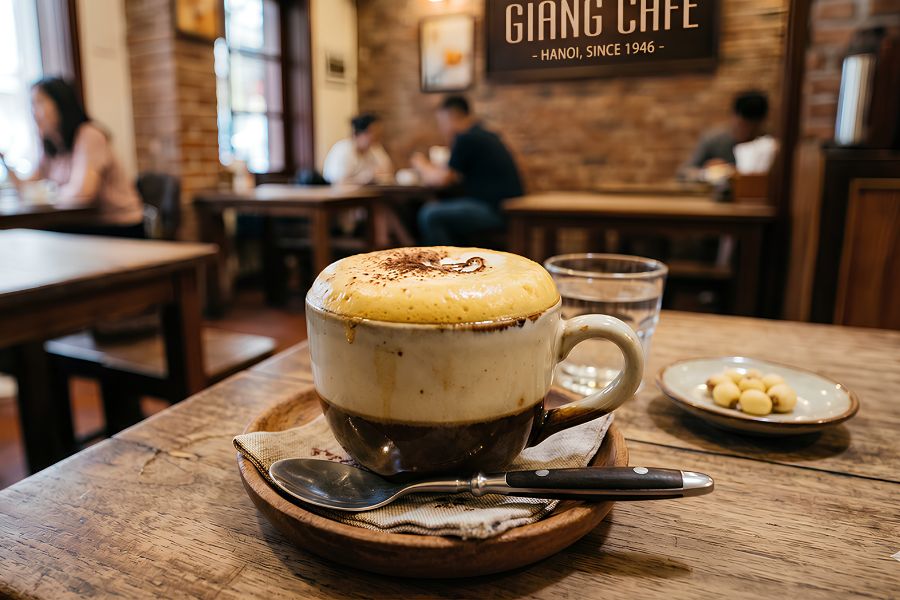
Vietnam is the world’s second-largest coffee producer, and Hanoi is the undisputed capital of artisanal coffee brewing. The wait between train arrivals provides the perfect opportunity to indulge in authentic Hanoian coffee culture, turning a simple cafe visit into a masterclass in regional beverage craft.
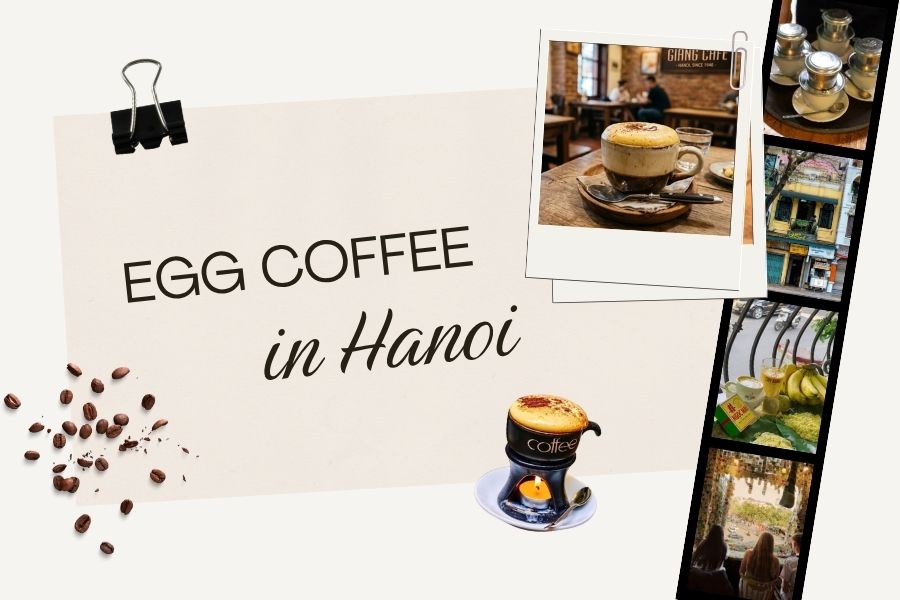
While waiting for the 19:00 evening train, I always order a freshly whipped egg coffee. The cafe owner beats egg yolks with condensed milk and a drop of honey until it forms a dense, velvety custard, pouring it over dark roasted Robusta. The warmth of the ceramic cup in your hands, the bitter-sweet aroma of roasted coffee mingling with the cool night air, and the anticipation of the whistle makes the sensory immersion complete. For a modern twist, their salted cream coffee balances rich caramel undertones with a delicate savory finish.
3. Pair with a French Quarter Heritage & Architecture Walk

The railway does not exist in isolation; it was the engineering crown jewel of French Indochina’s administrative capital. Linking your visit to a guided walking journey through the surrounding French Quarter provides the historical narrative needed to understand why this line was carved straight through ancient residential wards.
Before heading to the tracks for an afternoon train, I often take my guests on a 90-minute private architectural stroll starting at the Hanoi Flag Tower and the ancient stone gates of the Imperial Citadel of Thang Long. Walking past the grand French-era villas along Hoang Dieu Street before ducking into the narrow railway alleys provides a stark, fascinating contrast: the monumental grandeur of French administrative power versus the intimate, ingenious vernacular housing built right against their rail lines.
4. Twilight Craft Beer & Local Tapas Tasting
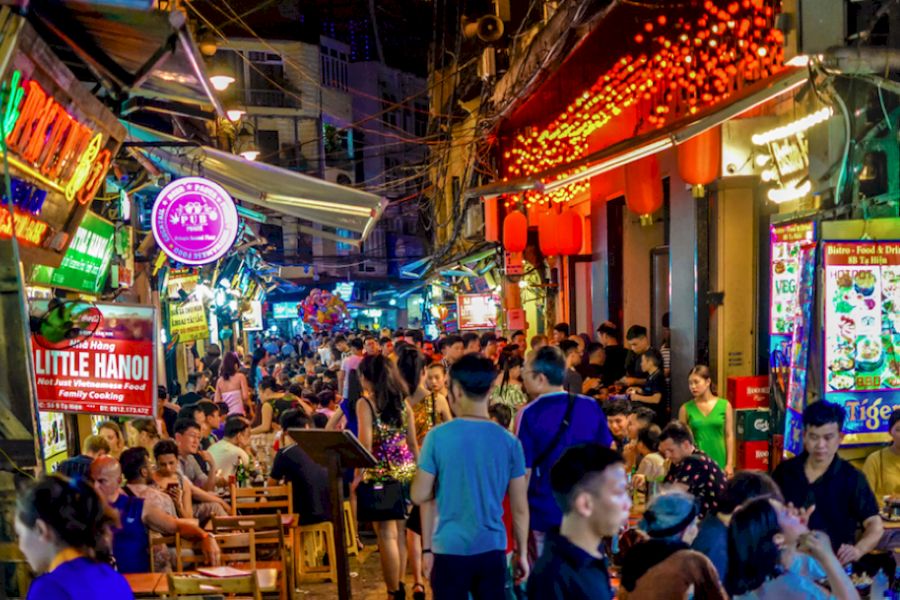
As the afternoon heat dissipates and the dusk light settles over the tracks, select boutique cafes along the railway transition into ambient aperitif lounges. Savoring small-batch local craft beers paired with gourmet northern snacks turns the wait for the night train into a relaxed, sophisticated evening affair.
On warm summer evenings around 17:30, several boutique cafes along the quieter Ba Dinh stretch serve local craft ales-such as crisp passionfruit wheat beers and floral IPAs brewed right in Hanoi. Accompanied by small dishes of roasted lotus seeds from West Lake and crisp green mango dipped in chili salt, you can unwind as dusk turns the sky a deep indigo, listening to the clatter of neighborhood life as the lantern lights flicker on.
5. Private Low-Light Motion Photography Masterclass
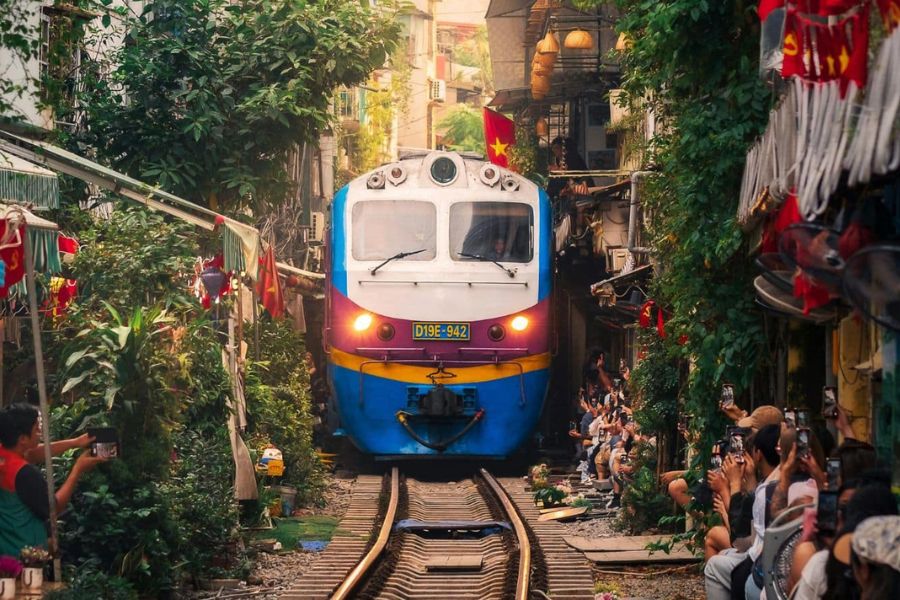
Capturing the raw speed of a steel train navigating an alleyway lit only by lanterns is one of the greatest photography challenges in urban travel. Setting up with proper gear and guidance allows you to create fine-art motion imagery rather than blurry, overexposed smartphone snapshots.
Whenever I bring photographer friends to train street Hanoi, we set up on an upper balcony with a 35mm f/1.4 lens. By setting your shutter speed to approximately 1/30s or 1/60s as the evening train rolls past, you capture a gorgeous, dynamic motion blur of the metallic carriages while the warmly lit cafes and heritage brickwork remain tack-sharp. It turns a chaotic moment into a gallery-worthy piece of urban documentary art.
6. Interactive Workshop on Traditional Railway Living with a Multi-Gen Host
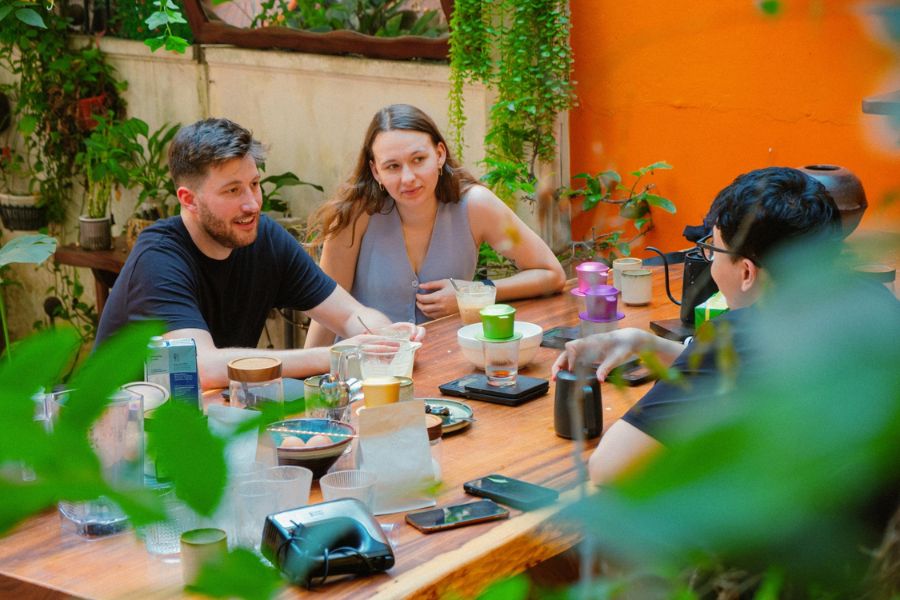
Beyond sipping drinks, engaging in a private conversation with elder homeowners along the tracks offers profound cultural depth. Many residents have lived through wartime bombardments and the economic subsidy era, maintaining family shrines and living rooms just inches from the rails.
Through private arrangements, I often bring guests to meet Uncle Duc, a retired railway mechanic whose family has lived at 10 Phung Hung for over 50 years. Over cups of hot lotus tea in his wood-paneled parlor, he shows us his vintage railway maintenance tools and black-and-white family photographs taken by the tracks in the 1970s. Hearing firsthand how his family navigated decades of train schedules while raising three generations inside a 15-square-meter tube house provides a moving human connection that no guidebook can replicate.
7. Dawn Walking Tour Along the Quiet Tracks

The hours before the morning cafes open and the security checkpoints go up present Hanoi Train Street in its purest, most tranquil state. Experiencing the alley at dawn allows you to witness authentic morning routines as the neighborhood slowly wakes up to misty morning light.
In the early morning, before the first passenger train of the day rumbles through, the tracks belong entirely to the locals. I love walking the quiet stretch from Le Duan up to Tran Phu. You pass elders doing Tai Chi on the railway ballast, fresh floral deliveries of white lilies arriving on the backs of bicycles, and the rich aroma of simmering bone broth drifting from neighborhood Pho pots set up on the track edges. It is a moment of pure, undisturbed serenity.
Essential Safety Rules & Local Etiquette for Discerning Travelers
Because this is an active, heavy-rail corridor with zero margin for error, strict adherence to safety and local etiquette is non-negotiable:
- How to Pass Security Checkpoints Legally: The district police maintain permanent barricades at Tran Phu and Phung Hung entrances. Never attempt to argue with or push past the guards. The proper protocol is to contact a licensed cafe owner or travel specialist in advance; their staff will meet you at the barrier and officially escort you to your reserved table inside.
- Arrive at Least 35 Minutes in Advance: Security officers strictly close and lock the access barriers 15 to 20 minutes before a train passes through. If you arrive 10 minutes prior, you will be turned away at the barricade regardless of reservations.
- Respect the 1.5-Meter Painted Safety Line: If seated on the ground floor, your body, feet, chair, and camera tripod must remain entirely behind the painted yellow or red safety line. When cafe owners yell “Train is coming!”, instantly tuck your feet under your chair and pull your elbows in.
- Beware of the “Wind Suction” Force: A multi-ton train moving through a narrow concrete alley generates a powerful aerodynamic draft. Secure loose scarves, sun hats, lightweight napkins, and handheld smartphones with a firm two-handed grip before the engine passes.
- Never Lean Over Balcony Railings: Balcony clearances on upper floors can be deceivingly narrow. Do not lean your upper torso, selfie sticks, or heavy telephoto lenses over the handrails while the train is in motion.
- Mind Oily, Uneven Ballast Stones: Walking along the tracks requires care. The wooden ties and gravel ballast are frequently coated with engine grease and condensation, making them extremely slick after rain. Leave high heels at the hotel; wear leather loafers, tailored flats, or clean sneakers with dependable rubber grip.
- Respect Residential Privacy & Active Altars: Remember that you are walking through people’s front yards. Do not step across private home thresholds uninvited, do not touch family outdoor ancestor altars, and never rest drinks or bags on residential electrical boxes.
- Keep Children and Belongings Closely Managed: If traveling with children, place them strictly on the inner side of your table against the cafe wall, never trackside. Keep handbags and personal items safely resting on your lap or on tables rather than hanging over chairs.
> > > Navigating active rail lines with family requires zero guesswork. Our private Luxury Family Vacations to Vietnam include dedicated local hosts, pre-arranged VIP entry, and child-friendly itineraries that ensure your loved ones experience Hanoi’s wonders with absolute peace of mind.
Hanoi Train Street is never just about the thrill of a passing locomotive; it is an intimate encounter with the living soul of the capital. Long after the iron rumble fades into the distance and the street quietens once more, what stays with you is the poetry of everyday Hanoian resilience-the aroma of dark-roasted Robusta drifting through timber rafters, the warm smile of a multi-generational cafe host, and the timeless beauty of life unfolding along historic tracks.
A truly extraordinary voyage through Hanoi should never mean battling crowds or navigating security barriers alone. Our private destination specialists curate exclusive, seamless journeys throughout Vietnam’s thousand-year-old capital-securing reserved heritage balcony perches, master-led culinary trails, private architectural walks, and tranquil stays at the city’s finest luxury hotels.
Let our local travel designers craft your bespoke Hanoi itinerary. Contact us today to begin shaping an authentic, high-touch journey tailored entirely to your personal rhythm and style.
Tags: hanoi, hanoi train street, hanoi train street cafe, hanoi train street times, train street hanoi