Finding the best time to visit Vietnam is the first question every traveler asks when planning their journey across this beautiful, diverse country. Stretching over 1,650 kilometers from north to south, Vietnam encompasses three distinct climate zones at once. On the very same afternoon, you might find yourself wrapped in a light cashmere sweater amid the cool mountain mist of Sapa, while someone in the south is sipping a fresh coconut under the bright sunshine in Phu Quoc.
As someone who has spent over a decade designing bespoke journeys and traveling across every corner of Vietnam, I often tell my guests: there is truly no single “bad” time to visit. It all comes down to knowing where to be, when to go, and matching your personal travel style with the right season.
When Is the Best Time to Visit Vietnam?
The overall best time to visit Vietnam is from November through April. During these months, most parts of the country enjoy dry, comfortable weather with plenty of sunshine and pleasant temperatures.
However, because Vietnam has three distinct climate zones (North, Central, and South), the best month depends heavily on what you want to experience:
|
Season Window |
Months |
Weather Overview |
Best Regions & Signature Experiences |
|
Peak Season |
Nov – Feb |
Crisp and cool in the North; warm and sunny in the South. |
Hanoi, Halong Bay, Mekong Delta, Phu Quoc. Perfect for classic cross-country trips and cultural festivities. |
|
Shoulder Season |
Mar – May |
Warm, clear skies, pleasant breezes, and blooming nature nationwide. |
Hue, Hoi An, Da Nang, Ninh Binh. Best for outdoor trekking and heritage walks. |
|
Summer Escapes |
Jun – Aug |
Warm and tropical; bright sunshine along the central coast. |
Central beaches: Da Nang, Hoi An, Quy Nhon, Nha Trang, and Vinh Hy Bay. |
|
Autumn Harvest |
Sep – Oct |
Mild breezes in the North; breathtaking golden rice terraces. |
Mu Cang Chai, Sapa, Ha Giang, and Hanoi autumn culture walks. |
Vietnam Weather by Region: North, Central, and South
To plan a seamless trip, it helps to look at Vietnam through its three separate climate zones. Each has its own distinct rhythm.
Northern Vietnam (Hanoi, Halong Bay, Sapa, Ha Giang)
- Best Months: October to April
- The Climate: Four distinct seasons (Spring, Summer, Autumn, Winter).
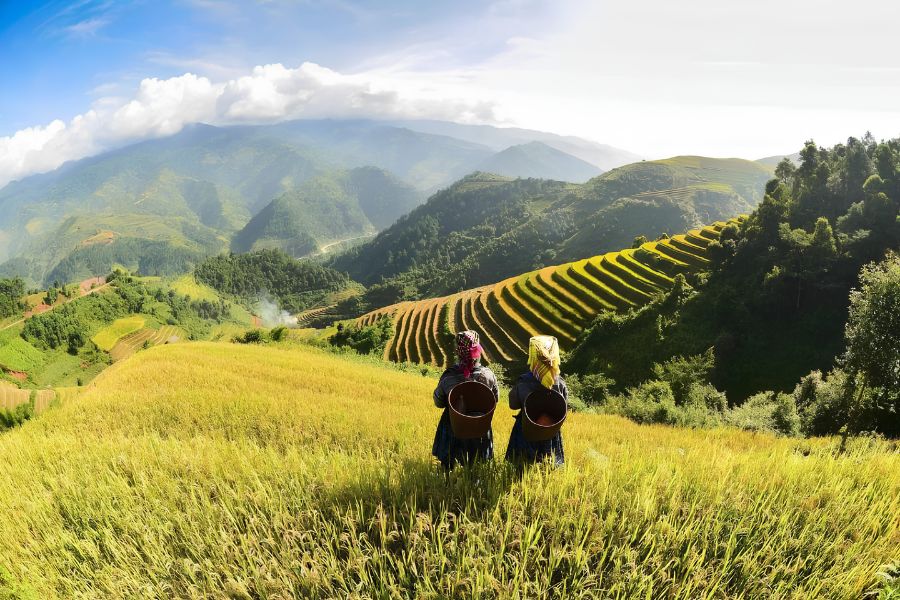
The north enjoys crisp, dry winters and warm, vibrant summers. Autumn (October to November) and Spring (March to April) are my personal favorites. The days are clear, dry, and mild, with temperatures hovering comfortably between 18°C and 25°C (64°F-77°F).
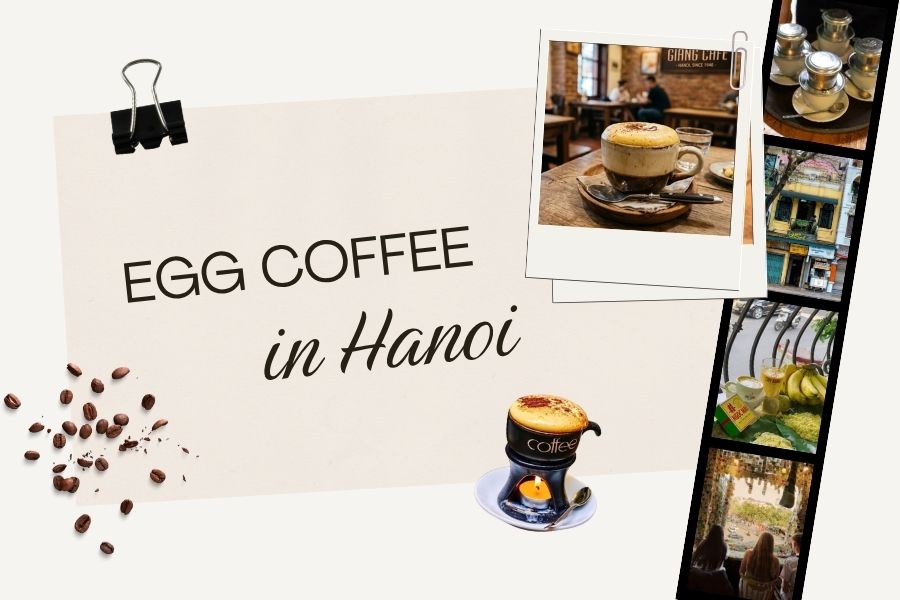
From December through February, temperatures can drop to 10°C-15°C (50°F-59°F) in Hanoi, and even lower in the mountains of Sapa. I love the quiet, poetic mood this brings to Hanoi’s Old Quarter. It is the best season to sit in a historic courtyard with a warm cup of Vietnamese egg coffee. Summer (June to August) brings warmer days and occasional rain showers, but it also turns the mountain valleys into a vibrant, deep green.
Central Vietnam (Hue, Hoi An, Da Nang, Quy Nhon)
- Best Months: February to August
- The Climate: Protected coastal climate with long, sunny dry seasons.
While the rest of the country experiences summer monsoon rains, the central coast stays dry, warm, and sunny from February all the way through August. Temperatures range from 25°C to 34°C (77°F-93°F).
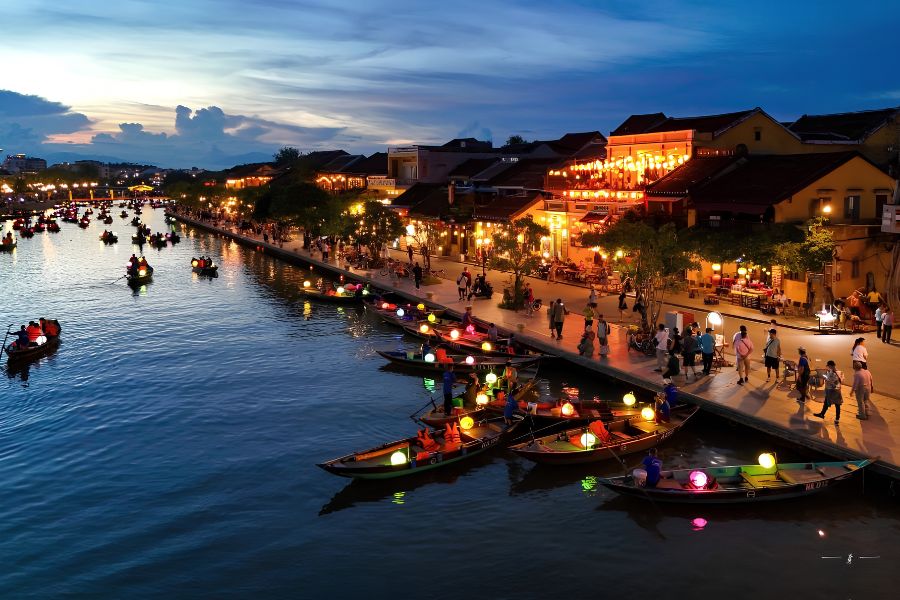
If you dream of swimming in clear turquoise waters, relaxing at a private beachfront villa, or strolling through the lantern-lit streets of Hoi An in the evening breeze, this is the region to focus on. From late September to November, the region sees higher rainfall, making the spring and summer months the ideal window here.
Southern Vietnam (Ho Chi Minh City, Mekong Delta, Phu Quoc)
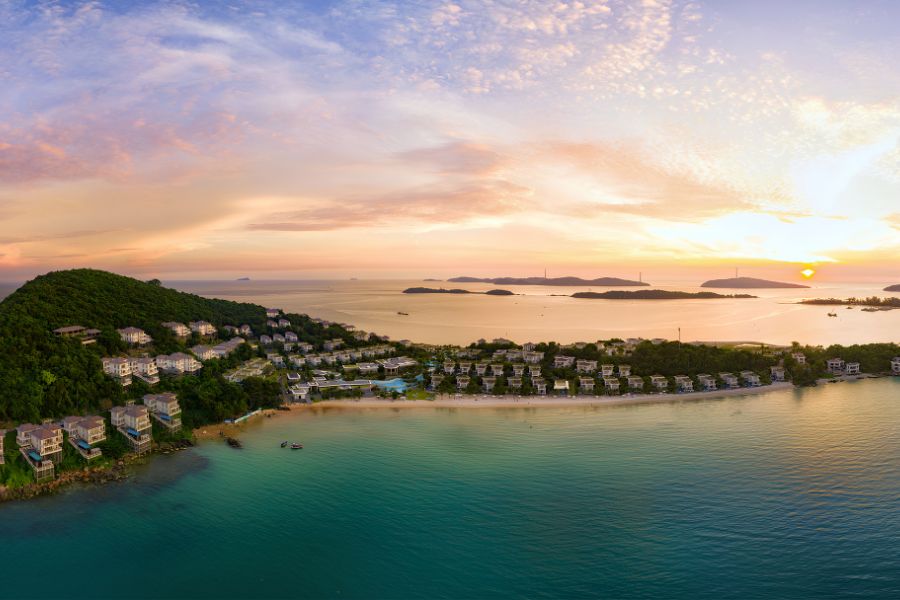
- Best Months: November to April
- The Climate: Tropical warmth all year round, split into Dry and Wet seasons.
The south enjoys warm, pleasant tropical weather year-round, with average temperatures between 28°C and 33°C (82°F-91°F). The dry season from November to April brings clear blue skies, low humidity, and calm sea waters.
During the wet season (May to October), rain usually arrives as short, heavy afternoon showers that last about 30 to 45 minutes. They cool down the afternoon heat and leave the tropical gardens and orchards fresh and fragrant for the evening.
Best Month to Visit Vietnam: Season-by-Season Guide
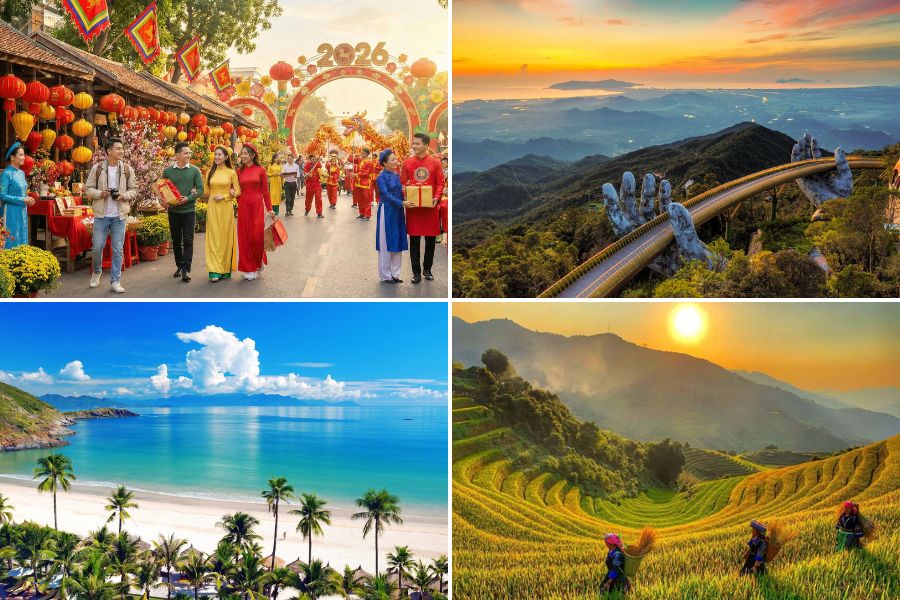
Here is what you can expect during each season, along with my personal notes on how to make the most of your trip.
November to February: Crisp Air and Cultural Celebrations
This is the classic, high-season window for Vietnam travel. In Hanoi, the cool air gives the city an elegant, peaceful feel.
One of my favorite memories is waking up early on a private boutique cruise in Lan Ha Bay during December. Watching the soft morning mist lift off the limestone islands while enjoying breakfast on a quiet deck is an unforgettable experience.
Down south, the weather is warm and dry. It is the best time of year to charter a private wooden boat through the tranquil canals of the Mekong Delta or spend a quiet week at a beach resort in Phu Quoc.
Local Expert Tip: This period often includes Tet (Vietnamese Lunar New Year). The weeks leading up to Tet are full of energy, with colorful flower markets filling the streets. If you travel during the holiday itself, we always arrange private local hosts and exclusive dining so your trip stays seamless and relaxed.
March to May: Pleasant Weather and Countrywide Blooms
If you want to see the whole country in one trip, March to May is often the best month to visit Vietnam.
During these months, all three regions enjoy balanced, sunny weather:
- The North warms up, with clear skies and flowers blooming across the countryside.
- The Central Coast is warm and dry, perfect for exploring ancient temples in Hue or relaxing on the beach in Da Nang.
- The South stays reliably bright and sunny.
Because rainfall is low everywhere, this is the prime time for active, open-air experiences such as private cycling tours through rural villages, photography walks, and helicopter flights over coastal bays.
June to August: Tropical Sunshine and Coastal Escapes
When summer arrives, many travelers assume all of Vietnam gets heavy rain. But that is actually the best-kept secret about Central Vietnam: while the north and south have summer showers, the central coastline enjoys clear skies and bright sunshine.
This is the ideal time to book a clifftop pool villa in Quy Nhon, take a private yacht out onto the waters of Nha Trang, or play a round of golf on coastal courses. In the north and south, the brief afternoon rain showers rarely disrupt your day, and they bring out the lush, vibrant colors of the rice paddies.
September to October: Golden Harvest and Calmer Crowds
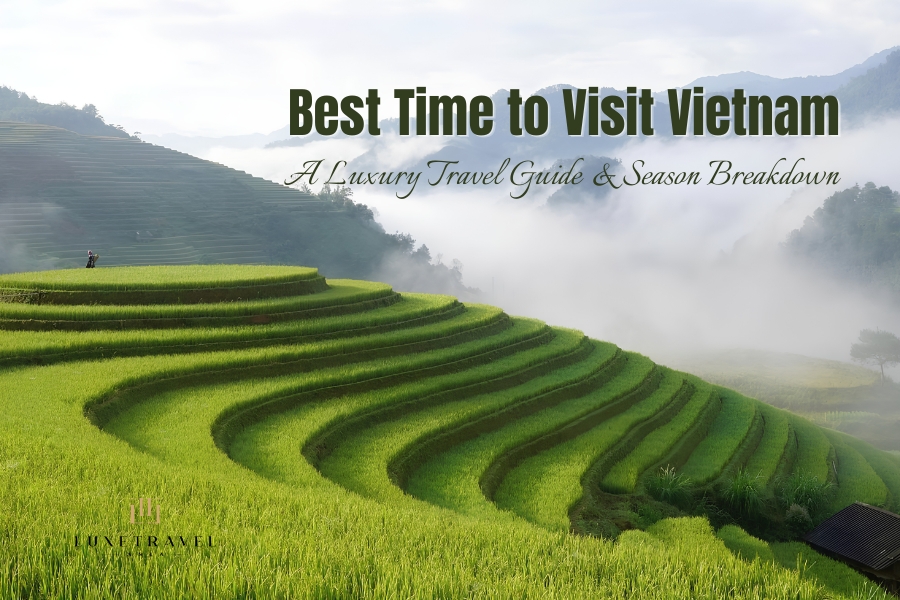
September and October bring one of Vietnam’s most stunning natural sights: the rice harvest in the northern mountains. The terraced hills of Mu Cang Chai, Sapa, and Ha Giang turn into sweeping waves of brilliant gold.
In Hanoi, autumn is the most romantic time of year. The air turns cool and crisp, and the scent of milk flowers fills the boulevards. Because the summer holiday rush has passed, this shoulder season offers a much quieter, more intimate atmosphere at heritage sites and boutique hotels.
Best Time to Travel to Vietnam by Travel Style
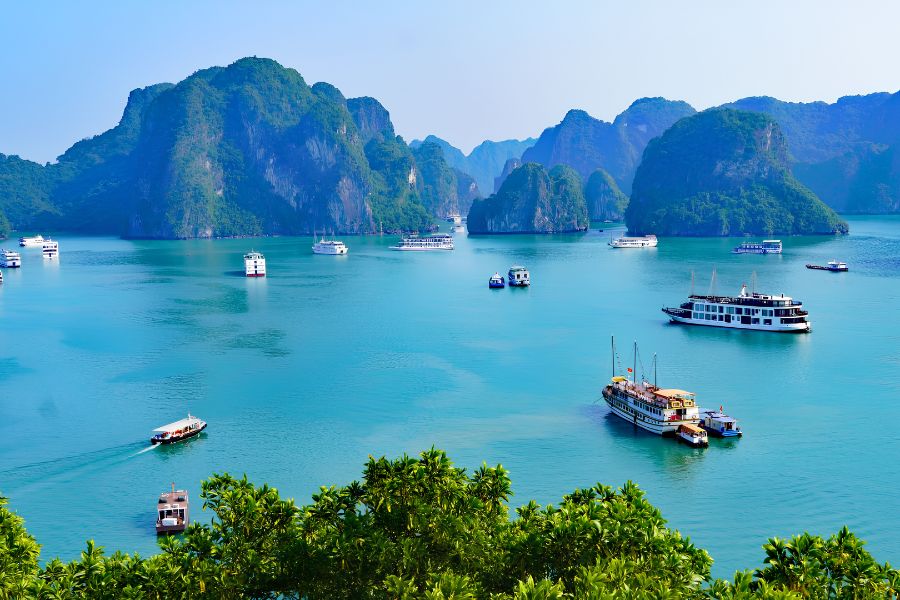
A tailor-made luxury itinerary makes every travel to Vietnam seamless, personal, and timeless. To make the most of your time to Vietnam, here is how I recommend matching your travel style to the calendar:
For Luxury Cruising (Halong Bay & Lan Ha Bay)
- Best Window: March to May & October to November
- Why: You get calm waters, mild temperatures, and clear blue skies, ideal for relaxing on your private sundeck, kayaking into quiet lagoons, or dining under the stars.
For Heritage, Food, and Slow Living (Hanoi, Hue & Hoi An)
- Best Window: November to April
- Why: Exploring historic palaces, walking through old trading streets, and sampling local cuisine are best enjoyed when the weather is cool and dry. You can spend hours wandering comfortably on foot.
For Private Beach and Island Escapes
- Phu Quoc & Con Dao: December to April (Calm azure waters and steady sunshine).
- Da Nang, Quy Nhon & Vinh Hy Bay: March to August (Sheltered bays, great diving, and warm sunny days).
If you wish to experience the beauty of all three regions in one seamless journey, explore our hand-crafted luxury Vietnam tours designed for slow, authentic discoveries.
Insider Tips from our Travel Specialist
Here are a few practical insights I share with all of my private guests before they pack their bags:
- Pack smart layers for multi-region itineraries: If you travel from Sapa down to Ho Chi Minh City between December and February, you will move from 12°C (54°F) mountain mornings to 32°C (90°F) tropical sunshine in a single domestic flight. Bring breathable linen for the coast alongside a light cashmere sweater or tailored jacket for northern evenings.
- Unlock the quiet luxury of the shoulder seasons: If you love privacy, uncrowded photography spots, and priority access to premier resort suites, consider visiting in April, May, or October. You will enjoy wonderful weather with a remarkably relaxed, intimate atmosphere.
- Embrace the charm of brief tropical showers: Don’t let the word “rainy season” deter you from visiting the south or north in summer. Rain usually falls as quick, 30-minute afternoon downpours that cool the air and leave lush rice terraces and rainforest gardens radiant for dinner.
- Plan thoughtfully around the Lunar New Year (Tet): Visiting during Tet (typically late January to mid-February) offers a vibrant glimpse into Vietnamese ancestral traditions and flower markets. However, because local shops often close for family gatherings, having a private host arrange exclusive dining and access ensures your stay remains effortless.
- Time your northern highland trips for the golden harvest: If witnessing the iconic yellow terraced fields of Mu Cang Chai or Sapa is on your bucket list, lock in your trip strictly between mid-September and early October before the harvest concludes.
- Choose tailor-made flexibility over fixed schedules: Because Vietnam’s mountain ranges create distinct microclimates, sunny skies are always waiting somewhere. A customized itinerary allows you to adjust seamlessly, such as spending an extra sunny day by a private coastal cove if northern mist lingers longer than expected.
Conclusion
Every season in Vietnam tells a completely different story. Whether your dream getaway is greeting the dawn from a private sundeck in Lan Ha Bay, wandering through candlelit heritage courtyards in Hoi An, or unwinding in an oceanfront pool villa tucked away in a quiet bay, the perfect time to visit is simply the moment tailored to your personal rhythm.
Ready to turn your dream itinerary into reality?
Connect with LuxeTravel Asia – our private travel designers today. Let us craft an authentic, experiential journey through Vietnam, curated with uncompromising elegance, deep local insight, and five-star comfort tailored exclusively for you.
Tags: best month to visit vietnam, Best time to visit Vietnam, time to vietnam, travel to Vietnam, vietnam tours, Vietnam travel