 Working out how to get from Hanoi to Sapa is fairly straightforward once you know one important detail: road transport can take you directly into Sapa, while the train cannot. Sapa has no railway station. travelers choosing the night train first travel from Hanoi to Lao Cai, then continue by road for the final stretch into the mountains.
For most visitors, the choice comes down to four options: a sleeper bus, limousine van, overnight train or private car. A daytime limousine is convenient for couples and first-time visitors, sleeper buses keep costs relatively low, the night train gives you a proper berth, and private transport offers the most flexibility for families and small groups.
This guide compares the main Hanoi to Sapa transport options, including journey times, pros, cons and which type of traveler each one suits best.
How to Get from Hanoi to Sapa: Quick Comparison
The journey from Hanoi to Sapa, Vietnam usually takes between five and nine hours depending on how you travel and whether a transfer is involved. Current transport guidance from Vietnam Airlines places direct road journeys at roughly five to seven hours, while rail travel takes around seven to eight hours to Lao Cai before the onward transfer to Sapa.
|
Transport |
Typical time |
Direct to Sapa? |
Best for |
|
Limousine van |
About 5 to 6 hours |
Yes |
Couples, first-time visitors |
|
Sleeper bus |
About 5.5 to 7 hours |
Yes |
Budget travelers, solo travelers |
|
Night train |
About 7 to 8 hours + transfer |
No |
Overnight travel, travelers wanting a proper berth |
|
Private car |
About 5 to 6 hours |
Yes |
Families, small groups, flexible travel |
Best all-round shared option: Limousine van
Best budget option: Sleeper bus
Best overnight experience: Night train
Best for families and small groups: Private car
There is no single best option for everyone. The easiest way to decide is to think about what matters most: cost, sleep, direct travel, flexibility or comfort.
How Far Is Sapa from Hanoi?
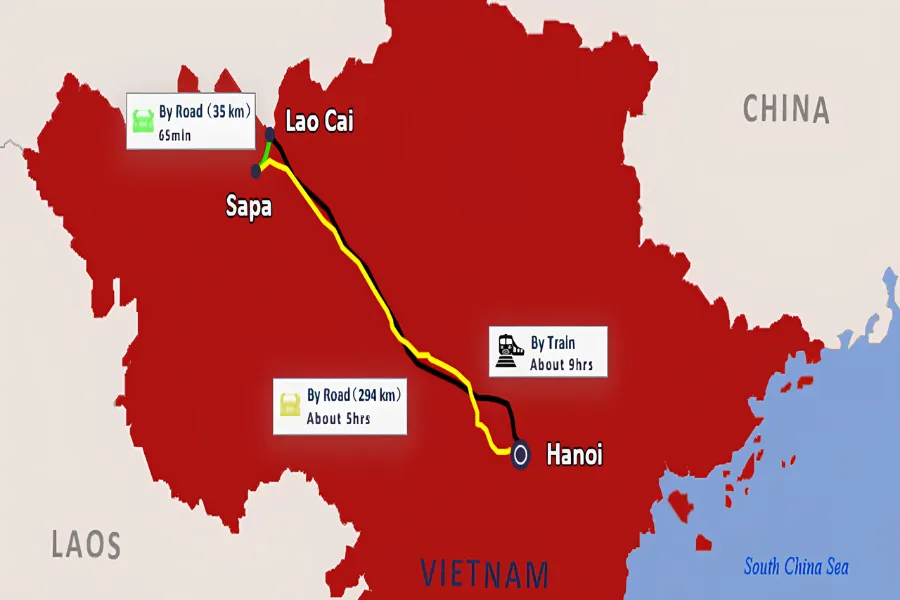
- Distance: Around 300 to 320 km
- Typical road journey: Around 5 to 6 hours
- Bus: Usually around 5.5 to 7 hours
- Train: Around 7 to 8 hours to Lao Cai, then approximately another hour by road
If you are wondering how far from Hanoi to Sapa, the distance is around 300 to 320 kilometers depending on the exact route and measurement used. Most vehicles use the expressway towards Lao Cai before tackling the final mountain section into Sapa.
The distance may not look particularly large on a map, but Sapa sits high in the mountains and the final approach involves winding roads. Traffic, weather, rest stops and passenger pickups can all affect the arrival time. This is why a journey that looks relatively simple geographically still takes most of a morning or afternoon.
Sleeper Bus from Hanoi to Sapa
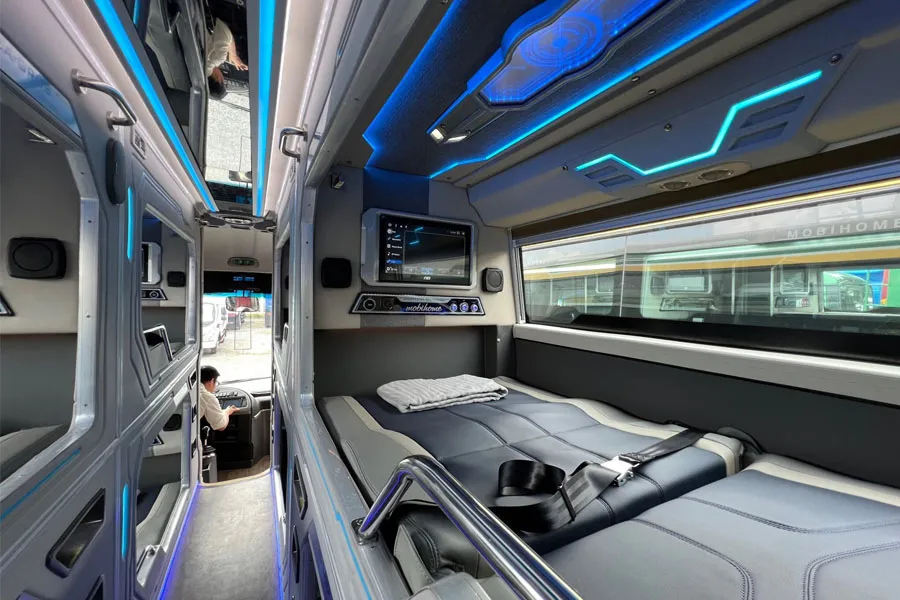
Time: Around 5.5 to 7 hours
Best for: Budget travelers, solo travelers and anyone wanting direct transport to Sapa
Pros
- Direct from Hanoi to Sapa
- One of the more affordable options
- Frequent daytime and overnight departures
- No transfer required in Lao Cai
- Newer cabin buses offer more privacy than traditional sleeper coaches
Cons
- Sleeping spaces may feel narrow for taller travelers
- Sleep quality varies considerably
- The mountain road can be uncomfortable if you are prone to motion sickness
- Pickup and drop-off arrangements vary between operators
Taking a bus from Hanoi to Sapa is one of the most straightforward choices because the bus travels directly into Sapa rather than stopping in Lao Cai. It will take roughly 5.5 to 7 hours, depending on traffic, weather and the service used.
There are several different types of coach, so the term “sleeper bus” can be misleading if you have never travelled this way in Vietnam. A traditional sleeper bus Hanoi to Sapa service usually has rows of reclining or near-flat berths rather than conventional upright seats. Newer cabin or VIP buses provide more separation between passengers, often with curtains or individual pod-style spaces. These are more private, but a cabin should not be confused with a full-sized hotel bed. Space is still limited, particularly for taller passengers.
The biggest advantage of a Hanoi to Sapa sleeper bus is convenience. You get on in Hanoi and get off in Sapa without changing vehicles. There are daytime departures as well as overnight services, so taking a sleeper bus does not necessarily mean travelling at night. The overnight option can look especially attractive if you have limited time. You can leave Hanoi late in the day and arrive around early morning, keeping most of the daytime available for sightseeing.
The reality is a little less simple. A sleeper bus saves time on paper, but it does not guarantee a full night’s sleep. Road noise, stops, other passengers and the winding mountain section can make the journey tiring. Arriving very early can also leave you waiting for your hotel room unless early check-in has been arranged.
For younger travelers, solo visitors and those keeping an eye on their budget, the bus remains one of the most practical ways to travel Sapa from Hanoi. For families with small children or anyone who knows they struggle to sleep in moving vehicles, another option may make the first day in Sapa more enjoyable.
Limousine Van from Hanoi to Sapa
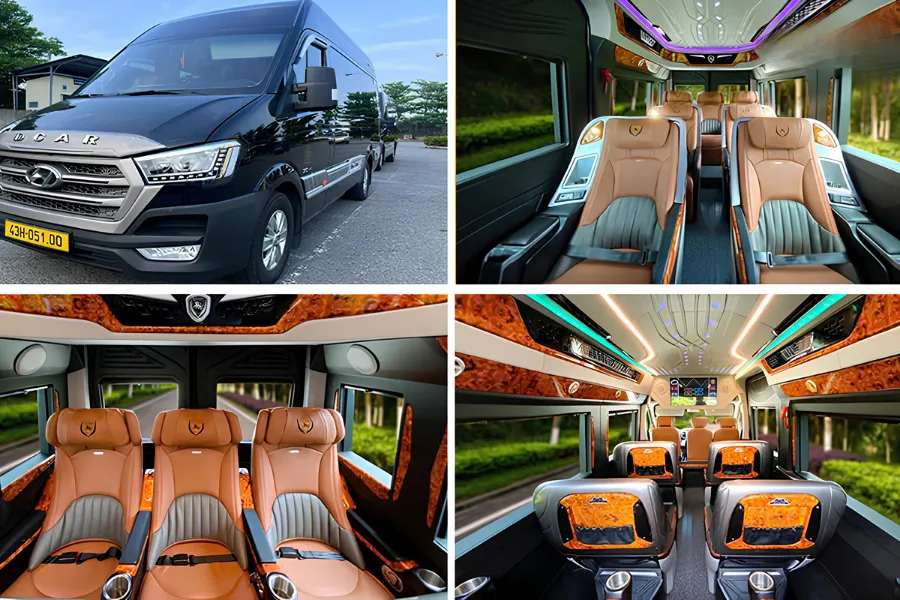
Time: Around 5 to 6 hours
Best for: Couples, first-time visitors and travelers wanting comfortable shared transport
Pros
- Direct to Sapa
- More spacious seating than many standard coaches
- Smaller vehicle and fewer passengers
- Several daytime departures
- Some services include central Hanoi or hotel pickup
Cons
- Usually costs more than a standard bus
- Seats recline but are not proper beds
- Passenger pickups can add time
- The final mountain section remains winding
In Vietnam, the term “limousine” usually refers to a premium passenger van or upgraded minibus. It does not mean a long stretch limousine. Many Hanoi to Sapa limousine services use converted vans with a smaller number of larger reclining seats. For most first-time visitors who do not specifically want to travel overnight, this is one of the easiest choices. You board in Hanoi, stay in the same vehicle and arrive directly in Sapa. There is no early-morning change at Lao Cai and no need to organize an additional transfer.
That does not mean every limousine service is identical. Some operate with nine or eleven larger seats, while others are closer to premium minibuses. Pickup may be from your hotel, a central Hanoi meeting point or the operator’s office. It is worth checking the exact vehicle type and pickup arrangement rather than booking on the word “limousine” alone.
Daytime travel also has one practical benefit that is easy to overlook: you can arrive in Sapa in the afternoon, check into your hotel at a normal time, have dinner and start exploring properly the next morning. For couples and travelers spending two or three nights in Sapa, that rhythm often works better than arriving before sunrise after a restless night.
> > > Sapa can also fit naturally into a longer journey through the country. Diverse Vietnam: 12-Day Private Tour with Sapa combines the northern mountains with Halong Bay, Central Vietnam and the south for travelers who want to see more than one region.
Train from Hanoi to Sapa
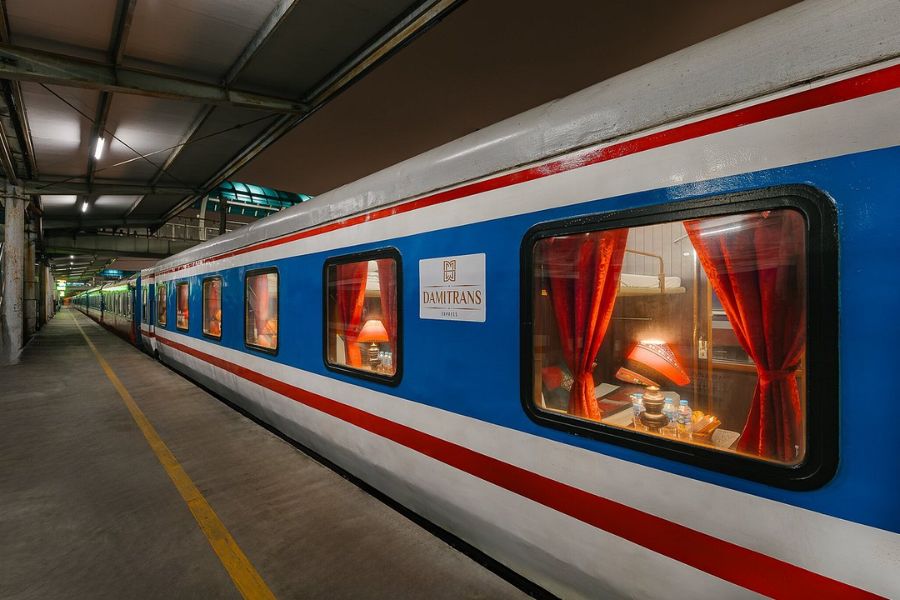
Time: Around 7 to 8 hours by train, plus approximately 45 to 60 minutes by road
Best for: travelers who prefer a proper sleeping berth or enjoy overnight rail journeys
Pros
- Proper sleeper berths are available
- More space to move around than on many buses
- Allows you to travel overnight
- Private tourist cabins are available
- Avoids most of the road journey while you sleep
Cons
- There is no direct train to Sapa
- The train terminates in Lao Cai
- An additional transfer is required
- Total journey time is usually longer
- Less convenient for a very short Sapa stay
Traveling from Hanoi to Sapa by train is quite different from taking the bus or limousine because the railway does not actually reach Sapa. The journey is: Hanoi Railway Station → Lao Cai Railway Station → Sapa
Most overnight services take roughly seven to eight hours to reach Lao Cai, commonly departing Hanoi in the evening and arriving early the following morning. But there is no railway station in Sapa. Lao Cai Station is around 35 to 40 kilometers away, and the final journey to Sapa generally takes approximately another 45 to 60 minutes by shuttle, taxi or private transfer. This extra step is the main inconvenience of the Hanoi to Sapa night train, but there are reasons people still choose it.
A sleeper cabin gives you a proper horizontal berth rather than a coach pod. For travelers who find it difficult to sleep on buses, this alone can make the longer overall journey worthwhile. You will generally find Vietnam Railways sleeper accommodation alongside private tourist carriages attached to scheduled trains. These private carriages often provide upgraded bedding, smaller cabins or extra services.
However, there is little need to compare all of those options here. If rail travel is your preferred choice, our detailed guide to Trains from Hanoi to Sapa explains sleeper cabins, private tourist carriages, schedules, ticket choices and what to expect from the overnight journey. The train works especially well when the journey itself is part of the experience rather than simply something you want to finish as quickly as possible. It is less convincing for a traveler spending only one or two nights in Sapa, where the extra Lao Cai transfer adds time at both ends.
Private Car from Hanoi to Sapa

Time: Around 5 to 6 hours
Best for: Families, couples, small groups and travelers wanting the most flexibility
Pros
- Direct hotel-to-hotel transport
- Choose your own departure time
- Stop when needed
- Easier with children and luggage
- No pickups for other passengers
- More flexibility if plans change
Cons
- More expensive than shared transport
- Still a long road journey
- The mountain section may affect passengers prone to motion sickness
A private car does not make Sapa physically closer to Hanoi, but it removes many of the small inconveniences that can make a five or six-hour journey feel longer. The major difference is control. You decide when to leave your Hanoi hotel. If someone needs a restroom break or the children need something to eat, you can stop. Your luggage remains in the same vehicle, and you arrive directly at your accommodation in Sapa.
That makes private transport particularly useful for families. Young children rarely follow transport timetables perfectly. A journey that allows a little flexibility around food, rest stops and motion sickness is often easier than trying to make everyone fit around a fixed coach schedule.
Private transport can also make sense for small groups. The total price is higher than individual bus tickets, but once several travelers are sharing the vehicle, convenience becomes a much bigger part of the calculation. Couples who value privacy may also prefer it, especially if Sapa is one part of a longer private journey through northern Vietnam.
The main disadvantage is obvious: cost. For one solo traveler, a private vehicle makes little financial sense unless flexibility is especially important. For four or five travelers with luggage, the value proposition looks quite different.
Which Hanoi to Sapa Transport Is Best for You?
Rather than asking which option is universally best, it is more useful to match the transport to the way you travel.
|
Traveler |
Recommended option |
Why |
|
First-time visitor |
Limousine van |
Simple, direct and comfortable |
|
Budget traveler |
Sleeper bus |
Affordable and direct |
|
Solo traveler |
Bus or limousine |
Better value than private transport |
|
Couple |
Limousine or private car |
Comfortable and straightforward |
|
Family with young children |
Private car |
Flexible stops and easier luggage handling |
|
Family with older children |
Private car or train |
More space and a calmer journey |
|
Group of 4 or more |
Private car |
Convenience becomes more worthwhile |
|
Wants overnight travel |
Night train |
Proper sleeping berth |
|
Dislikes winding roads |
Train |
Avoids the long road journey until Lao Cai |
|
Very short Sapa stay |
Limousine or private car |
Direct with fewer transfers |
> > > If Sapa is only one part of your trip through the northern highlands, our Northern Vietnam Mountain Journey in 6 Days combines mountain roads, terraced valleys and local villages across some of northern Vietnam’s most scenic areas.
Daytime or Overnight Travel from Hanoi to Sapa?

Choosing when to travel matters almost as much as choosing the vehicle. A daytime journey uses up part of your holiday, but you are much more likely to arrive rested. That is especially useful if you plan to trek, visit Fansipan or spend several hours walking through villages the following day. Daytime travel also tends to suit families better. Children can eat normally, parents can keep an eye on the road journey, and you arrive when hotels are generally ready for check-in.
Overnight transport has a different advantage: it preserves a day. Take an evening train or sleeper bus from Hanoi to Sapa, and in theory you can wake up in the mountains the following morning. For shorter Vietnam itineraries, that sounds efficient.
But there are two things to consider. First, sleeping on transport is not the same as sleeping in a hotel. Even with a railway berth or private bus cabin, some travelers arrive tired. Second, early arrivals do not always match hotel schedules. Arriving at 5:00 or 6:00 in the morning does not mean your room will be ready. If you have an overnight journey followed immediately by a full trekking day, the hours you saved may not feel particularly valuable by lunchtime.
Travelling from Hanoi to Sapa with Children

Families have slightly different priorities when deciding how to get to Sapa from Hanoi.
With babies and younger children, private transport is usually the easiest option. The ability to stop when necessary matters more than it sounds. Food, toilet breaks, tired children and motion sickness are much simpler to manage when the schedule is yours. A private vehicle also makes luggage easier, particularly if you are carrying a stroller or several suitcases.
For older children, the train can become more appealing. Sleeping in a railway cabin can feel like part of the holiday, particularly if you book a private compartment for the family. The disadvantage is the early arrival in Lao Cai and the need to transfer into another vehicle before reaching Sapa.
Limousine vans can also work well for older children who are comfortable spending five or six hours in a vehicle. I would be more cautious about assuming a night sleeper bus is automatically easiest for a family simply because everyone can lie down. Some children sleep very well on buses. Others do not.
The best family option is the one that leaves everyone ready to enjoy Sapa once you arrive, rather than simply the transport that looks fastest on the timetable.
> > > Families planning a longer Vietnam holiday can explore The Best of Vietnam for Families: 15-Day Private Tour, which combines Sapa with cultural sights, outdoor experiences and family-friendly activities across the country.
Practical Tips for Travelling from Hanoi to Sapa
- Book ahead for weekends and public holidays. Sapa is a popular destination for domestic as well as international travelers, so the most convenient departures and better cabin types can sell out during busy periods.
- Check the exact pickup point. “Hanoi pickup” does not always mean your hotel. Some operators collect from selected Old Quarter hotels, while others require passengers to meet at an office or designated stop.
- Do not assume all sleeper buses are the same. A standard sleeper coach and a private cabin bus can offer very different amounts of space and privacy. Check the vehicle layout before booking.
- Keep important items in your day bag. Passport, phone, wallet, medication and anything you need during the journey should stay with you rather than inside luggage stored underneath the vehicle.
- Prepare for the final mountain road. Even if most of the highway feels smooth, the approach to Sapa becomes more winding. If you are prone to motion sickness, plan accordingly.
- Carry a light layer. Weather in Sapa can feel considerably cooler than Hanoi, particularly early in the morning and outside summer.
- Think carefully before scheduling a trek straight after overnight travel. A night train or sleeper bus saves daytime only if you actually arrive rested enough to use it.
- Allow some flexibility in poor weather. Heavy rain and mountain conditions can affect road travel times, so avoid making very tight connections after the journey.
> > > For travelers who want to combine Sapa with other northern highlights, Charming Northern Vietnam in 8 Days brings together Hanoi, the mountain landscapes of Sapa and an overnight cruise in Halong Bay.
FAQs About Getting from Hanoi to Sapa
- What is the best way to get from Hanoi to Sapa?
For most first-time travelers, a daytime limousine van offers a good balance of comfort, journey time and convenience. Private cars are particularly good for families and small groups, while sleeper buses suit budget travelers and the night train works well for those who prefer a proper sleeping berth. - How far is Sapa from Hanoi?
Sapa is roughly 300 to 320 kilometers from Hanoi depending on the route used. Direct road journeys usually take around five to six hours, although traffic, weather and stops can increase the journey time. - How long does it take from Hanoi to Sapa?
Allow around five to six hours by limousine or private car and roughly 5.5 to seven hours by bus. The train takes around seven to eight hours to Lao Cai, followed by approximately another hour by road to Sapa. - Is there a direct train from Hanoi to Sapa?
No. All rail journeys terminate at Lao Cai Railway Station. From Lao Cai, travelers need to continue approximately 35 to 40 kilometers by road to reach Sapa. - How long is the sleeper bus from Hanoi to Sapa?
A sleeper bus generally takes around 5.5 to 7 hours. Overnight and daytime services are available, and actual journey times depend on the operator, traffic and road conditions. - Is the sleeper bus from Hanoi to Sapa comfortable?
It depends on the vehicle and the traveler. Modern cabin buses provide more privacy than standard sleeper coaches, but the berths can still feel narrow and the final mountain section is winding. Taller travelers and anyone prone to motion sickness may prefer a limousine, train or private car. - Can I travel directly from Hanoi Airport to Sapa?
Yes, some road transport services and private transfers can travel from the Hanoi airport area towards Sapa without requiring an overnight stay in central Hanoi. Exact pickup arrangements vary by operator, so they should be confirmed before booking. If you are arriving after a long international flight, a private transfer may be easier than coordinating a shared bus connection. - Is it better to travel to Sapa during the day or overnight?
Day travel is usually better if comfort and arriving rested matter most. Overnight travel saves daytime and can work well on shorter itineraries, particularly by train, but early arrival and disrupted sleep should be taken into account.
Once your transport is sorted, the next step is deciding how to spend your time in the mountains. Our guide to the Best Things to Do in Sapa covers the main attractions, nearby villages and practical tips for planning your stay.
How Should You Travel from Hanoi to Sapa?
There is no single best way to make the journey. The right choice depends on how much time you have, who you are travelling with and how you want to arrive in Sapa. If you would prefer not to arrange separate buses, train tickets and transfers yourself, LuxeTravel Asia can organize your Hanoi to Sapa transport as part of a private Northern Vietnam itinerary, including hotel transfers, accommodation and local sightseeing.
Explore our Northern Vietnam journeys or contact our local travel specialists to plan a Sapa trip that fits your time, travel style and the rest of your Vietnam holiday.
Tags: bus from hanoi to sapa, Hanoi to sapa, hanoi to sapa by train, hanoi to sapa night train, hanoi to sapa sleeper bus, hanoi to sapa transport, hanoi to sapa vietnam, how far from hanoi to sapa, how to get from hanoi to sapa, how to get to sapa from hanoi, sapa from hanoi, sleeper bus hanoi to sapa, Trains from Hanoi to Sapa