Phnom Penh
Phnom Penh sits at the meeting point of the Mekong and Tonle Sap rivers and remains Cambodia’s political, cultural and commercial center. The Royal Palace and Silver Pagoda reflect the country’s royal heritage, while markets, temples, cafés and busy streets reveal a city that is constantly changing. Phnom Penh also holds some of Cambodia’s most important sites connected with the Khmer Rouge period, giving visitors a deeper understanding of the country’s recent history. With good food, riverside evenings and plenty of local life beyond the main sights, the capital deserves more than a quick overnight stop.
The Character of Phnom Penh
A capital shaped by history and everyday life
Phnom Penh is a city of contrasts. Traditional temples and colonial era buildings stand close to modern hotels, restaurants and new developments, while the riverside remains one of the easiest places to watch daily life unfold.
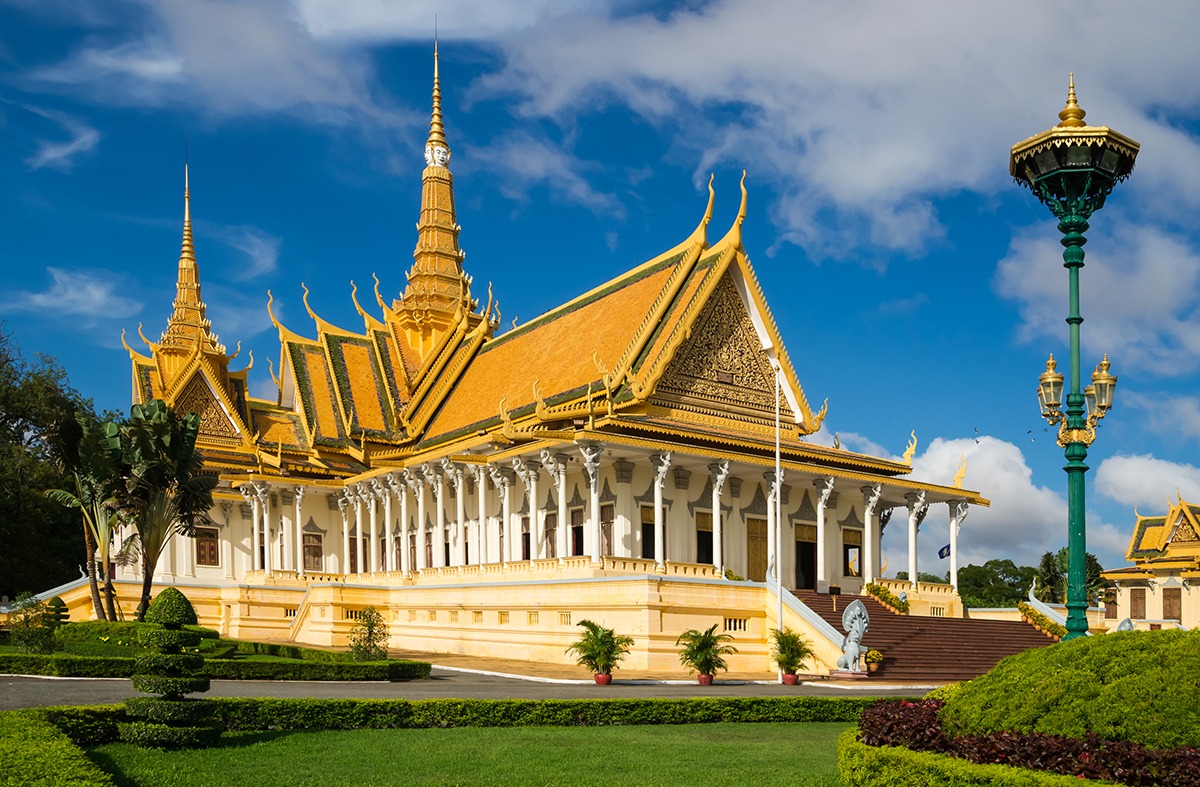
The Royal Palace is the natural starting point for understanding Cambodia’s monarchy and cultural traditions. Elsewhere, the National Museum houses an important collection of Khmer art, while local markets introduce a more everyday side of the capital.
The city’s more difficult history is also impossible to ignore. Tuol Sleng Genocide Museum and the Choeung Ek Genocidal Center offer important insight into the Khmer Rouge period. These visits can be emotionally demanding, so we prefer to allow enough time and avoid treating them as simply another sightseeing stop.
Phnom Penh is equally rewarding after the formal sightseeing ends. A walk beside the river, dinner at a good local restaurant or time exploring smaller streets can reveal a more relaxed and contemporary side of the city.
Why Visit Phnom Penh
Discover Cambodia’s royal heritage
The Royal Palace and Silver Pagoda provide an introduction to Cambodia’s monarchy, architecture and Buddhist traditions.
Understand the country’s recent history
Important memorial sites offer context for one of the most difficult periods in Cambodian history.
Explore local markets and city life
Markets, temples, cafés and riverside streets provide a closer look at everyday Phnom Penh.
Enjoy Cambodia’s evolving food scene
Traditional Khmer cooking sits alongside a growing choice of contemporary restaurants and cafés.
Begin or end a wider Cambodia journey
Phnom Penh connects naturally with Siem Reap, the Mekong region and destinations in southern Cambodia.
Experiences We Love in Phnom Penh
• Explore the Royal Palace and Silver Pagoda with a local guide.
• Visit the National Museum for a deeper introduction to Khmer art and history.
• Walk through one of the city’s local markets.
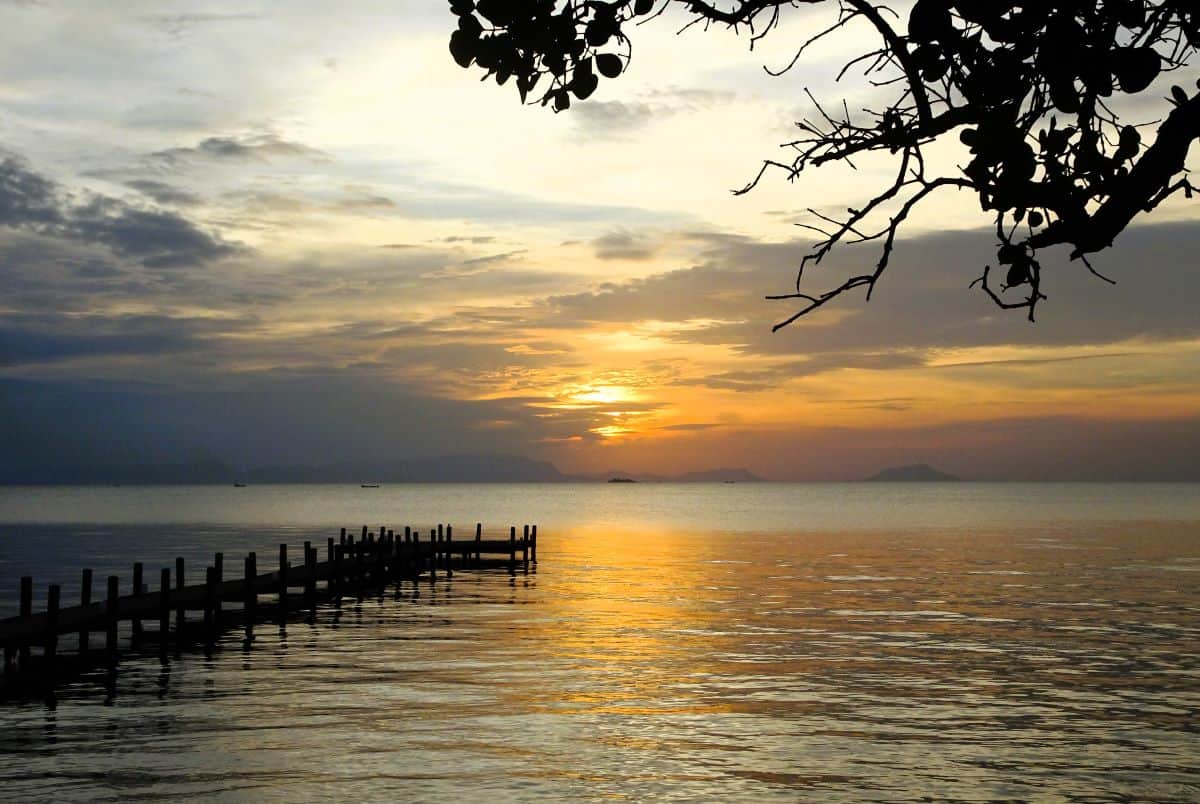
• Spend an evening beside the Mekong and Tonle Sap rivers.
• Discover Khmer cuisine through carefully chosen local restaurants.
• Explore the city by tuk tuk beyond the main visitor areas.
• Visit Tuol Sleng and Choeung Ek with enough time to understand their historical significance.
Phnom Penh’s History
Phnom Penh brings together several very different periods of Cambodian history.
The Royal Palace reflects the country’s continuing royal traditions, while the National Museum provides important context for Khmer civilization and art.
Tuol Sleng Genocide Museum and Choeung Ek tell a very different story. Both are deeply connected with the Khmer Rouge period and the suffering experienced by Cambodians during the late 1970s.
For travelers who choose to visit, we recommend doing so with a knowledgeable guide and allowing the experience to stand on its own rather than filling the same day with too many additional stops.
The Flavors of Phnom Penh
Phnom Penh is one of the best places to explore both traditional and contemporary Cambodian food.
Local favorites include fish amok, Khmer curry, grilled meats, noodle dishes and fresh river fish, while markets offer tropical fruit, snacks and everyday ingredients used in Cambodian cooking.
The city also has a growing restaurant scene, from small family run places to more refined contemporary Khmer dining.
We like to combine one or two carefully chosen meals with time to explore independently rather than turning every meal into a scheduled experience.
Best Time to Visit Phnom Penh
November to February generally brings cooler and drier weather and is one of the most comfortable periods for sightseeing.
March to May becomes hotter, especially around midday.
June to October is the wetter season, with regular tropical showers, although travel remains very possible.
How Long to Stay
For most travelers, two nights works well.
This gives enough time for the Royal Palace, key historic sites, local markets and an evening by the river.
Three nights is better for travelers interested in food, architecture or a slower exploration of the city.
Where to Stay
The riverside and central districts offer the easiest access to many of Phnom Penh’s main sights, restaurants and cafés.
Travelers looking for more privacy can also choose boutique hotels and higher end properties slightly away from the busiest streets.
For LuxeTravel Asia journeys, we consider location, service, comfort and ease of exploring the city rather than choosing by star rating alone.
Phnom Penh With LuxeTravel Asia
We balance Phnom Penh carefully.
A day may begin with the Royal Palace and National Museum, followed by a relaxed lunch and time at leisure. Another morning can focus on the Khmer Rouge period with a knowledgeable local guide, leaving the remainder of the day lighter.
We also like to include time for markets, food and the riverside so the city is not experienced only through its monuments and difficult history.
Phnom Penh is best understood as a living capital, not simply a gateway to Angkor or a collection of historic sites.
Continue Your Journey
From Phnom Penh, continue north towards Siem Reap and Angkor, or travel south towards Kampot and Kep.
The capital also connects naturally with Chau Doc and the Mekong Delta in Vietnam, including journeys by river between Cambodia and Southern Vietnam.
Explore All Our Tours
Find the journey that suits your interests, pace and way of exploring Cambodia.