The best islands in Thailand offer very different experiences, from lively beach towns and family-friendly resorts to quieter islands known for diving, limestone scenery or relaxed coastal stays.
Thailand’s islands are spread across both the Andaman Sea and the Gulf of Thailand, and the best choice often depends on the season, how much time you have and the type of holiday you want. Phuket and Koh Samui are easy to reach and offer plenty of hotels and activities, while islands such as Koh Lanta, Koh Yao Noi or Koh Tao appeal to travelers looking for a slower pace or more time on the water.
This guide covers the best islands in Thailand, including what each island is best known for, when to visit, who it suits and practical tips to help you choose the right one for your trip.
Thailand Island Geography & Seasonal Timing: Andaman Sea vs. Gulf of Thailand
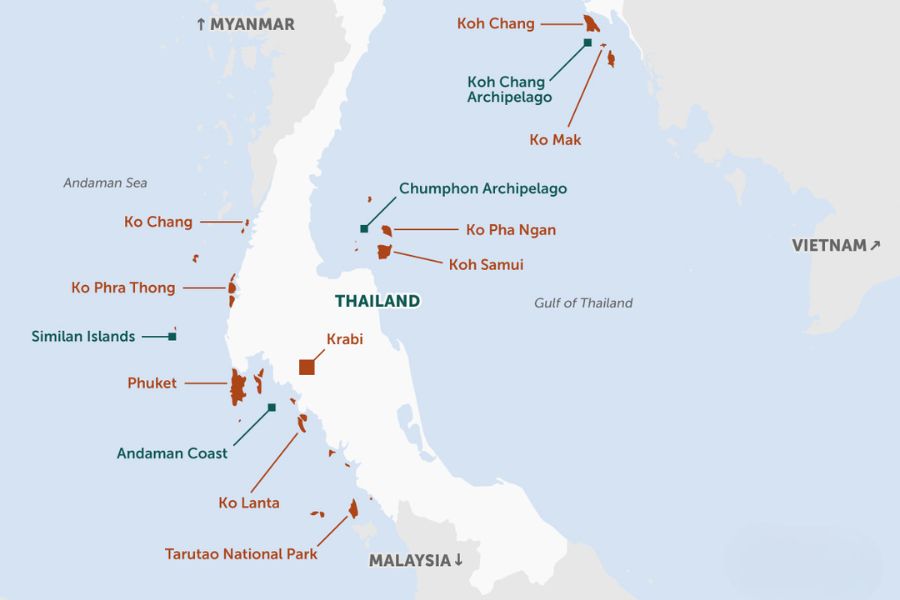
Planning an island escape in Thailand requires understanding how the country’s two marine zones operate under opposing monsoon systems:
|
Comparison Factor |
Andaman Sea (West Coast) |
Gulf of Thailand (East Coast) |
|
Signature Islands |
Phuket, Koh Phi Phi, Koh Lanta, Koh Lipe, Koh Yao Noi |
Koh Samui, Koh Phangan, Koh Tao, Koh Kood, Koh Chang |
|
Peak Dry Season |
November to April (Calm seas, glass-like water, minimal rain) |
January to August (Sunny skies, balmy breezes, prime summer beach window) |
|
Monsoon Season |
May to October (Southwest monsoon brings rough swells and rain) |
October to December (Northeast monsoon brings heavy coastal showers) |
|
Seascape Character |
Sheer limestone karsts, deep turquoise water, soft coral gardens |
Gently sloping white-sand coves, coconut groves, shallow fringing reefs |
Unlike many equatorial island nations that face a single overarching low season, Thailand offers a continuous beach season. When the Andaman Sea experiences its Southwest monsoon from May through October, the Gulf of Thailand, particularly the sheltered sub-archipelago of Koh Samui, Koh Phangan, and Koh Tao, steps into its sunniest, calmest months, making it one of the premier summer beach destinations in Southeast Asia.
Conversely, from November through April, the Andaman Sea shines with crystal-clear visibility, tranquil waters, and comfortable sea breezes. Understanding this geographical balance ensures you always land on the ideal coastline, regardless of when your journey takes place.
Top 9 Most Beautiful & Best Islands in Thailand to Visit
Phuket – Beaches, Culture & Easy Island Connections
- Vibe: Cosmopolitan sophistication, private superyacht marinas, Michelin-starred dining, and championship golf.
- Best Time to Visit: November to April (Dry, sunny days with flat seas).
- Ideal Stay: 3 to 5 nights.
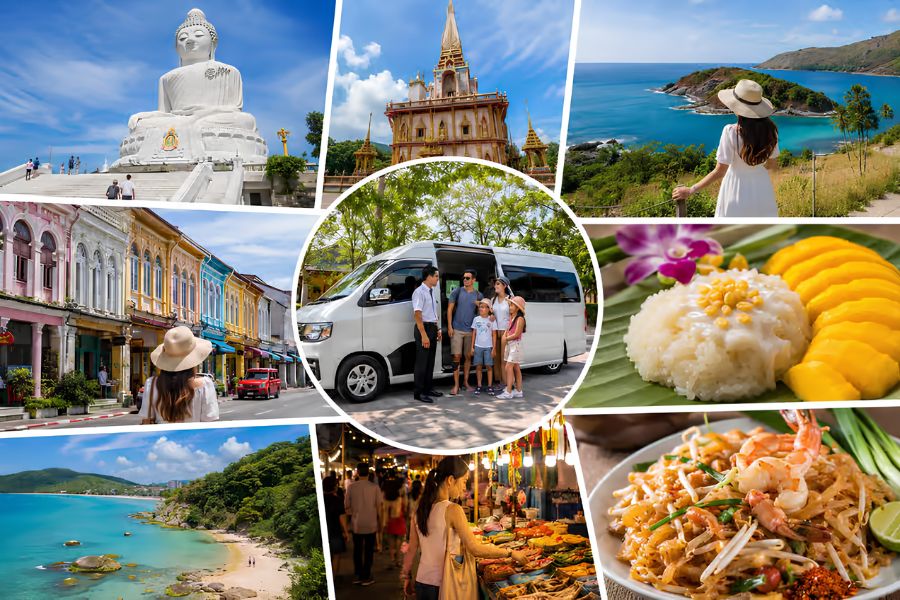
As Thailand’s largest island, Phuket offers the widest mix of beaches, hotels, restaurants and activities in the south. The west coast is home to well-known areas such as Surin, Bang Tao and Kamala, while the east coast provides convenient access to Phang Nga Bay and surrounding islands.
Phuket is also more than a beach destination. Old Phuket Town adds a cultural side with colorful Sino-Portuguese shophouses, local markets and a food scene shaped by Chinese, Malay and southern Thai influences.
For first-time visitors, the island is particularly convenient because it combines resort stays, sightseeing and easy boat access without requiring complicated transfers. Phuket also works especially well for travelers who want choice. You can spend one day exploring the Old Town, another on the beach and another visiting Phang Nga Bay or nearby islands by boat.
Koh Samui – Beaches, Resorts & Gulf Island Life
- Vibe: Refined romance, tranquil hillside settings, holistic wellness retreats, and seaside dining.
- Best Time to Visit: January to August (Consistently sunny, making it ideal for European and North American summer breaks).
- Ideal Stay: 3 to 4 nights.
Koh Samui combines long beaches, coconut-covered hills and a well-developed tourism scene, making it one of Thailand’s easiest islands for couples, families and longer resort stays.
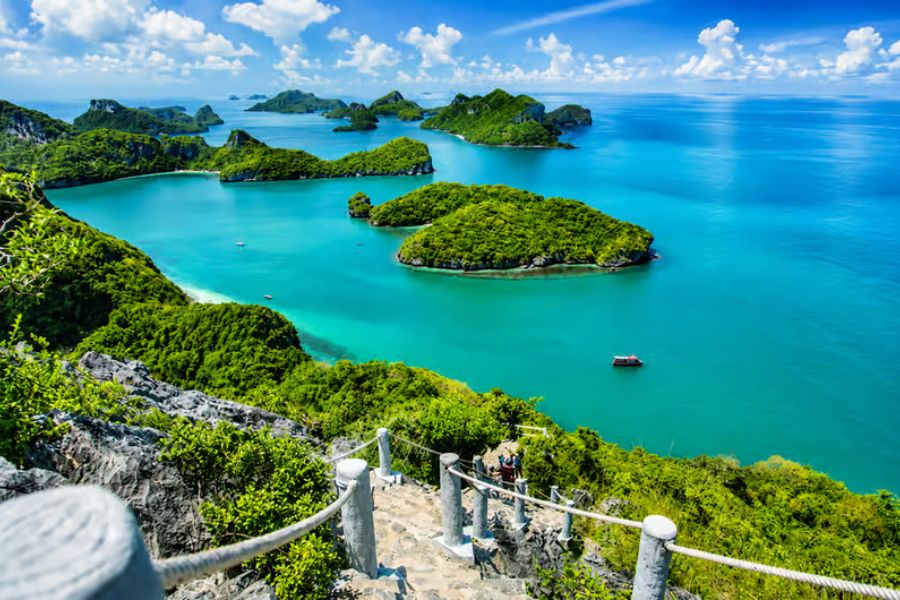
Popular areas such as Bophut, Maenam and Chaweng Noi offer different atmospheres, from lively dining areas to quieter beachfront accommodation. The island also provides access to Ang Thong National Marine Park, where boat trips explore limestone islands, viewpoints and sheltered lagoons.
Samui is particularly appealing to travelers who want a beach holiday without feeling isolated from restaurants, spas and other activities. A stay here can easily combine slower resort days with a marine park excursion, local food and short trips around the island.
Koh Yao Noi – A Quieter Side of Phang Nga Bay
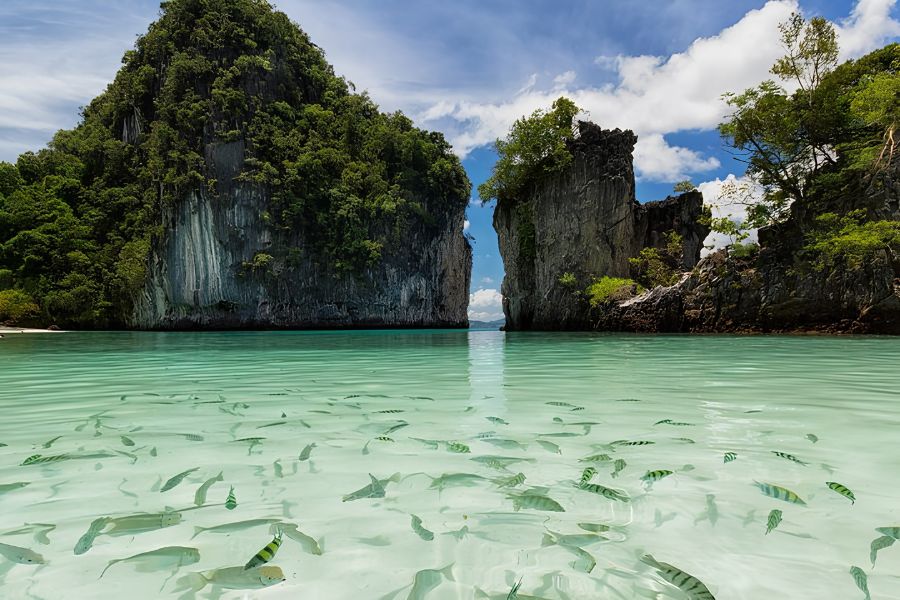
- Vibe: Serene barefoot seclusion, eco-luxury, rustic countryside cycling, and panoramic sea-cliff views.
- Best Time to Visit: November to April (Clear horizons and gentle breezes).
- Ideal Stay: 2 to 3 nights.
Located between Phuket and Krabi, Koh Yao Noi offers a noticeably slower pace than its better-known neighbors. The island is characterized by fishing villages, rubber plantations, rice fields and quiet roads with broad views towards the limestone formations of Phang Nga Bay. Development remains relatively low-key, although several comfortable resorts and small boutique properties are available.
Cycling or exploring by scooter or local transport is one of the easiest ways to experience the island, with scenery and village life taking priority over nightlife or major attractions. Koh Yao Noi suits couples and travelers who want a few slower days between busier destinations such as Phuket, Krabi or Bangkok.
Koh Phi Phi – Limestone Cliffs, Lagoons & Clear Water
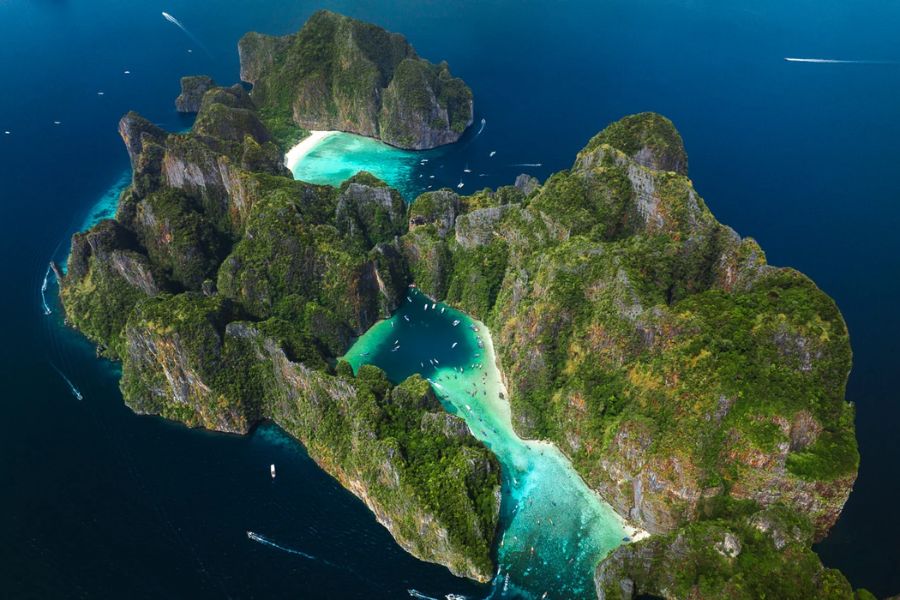
- Vibe: Breathtaking geological formations, snorkeling with marine life, and striking hidden lagoons.
- Best Time to Visit: November to April (Optimal underwater visibility for snorkeling and diving).
- Ideal Stay: 2 nights, or experienced via a private morning charter from Phuket or Krabi.
The Phi Phi Islands are known for some of southern Thailand’s most able coastal scenery, with steep limestone cliffs rising directly from clear blue water. Phi Phi Don is the main inhabited island and has hotels, restaurants and nightlife, while Phi Phi Leh is home to Maya Bay and Pi Leh Lagoon. Boat trips also include swimming and snorkeling stops depending on sea conditions and local access rules.
The islands can become busy during the day, particularly around the most famous sites, so timing makes a noticeable difference to the experience. Staying overnight gives you more time to experience the islands outside the busiest day-trip hours.
> > > If choosing between limestone towers and emerald bays feels impossible, connecting Thailand’s finest islands with the ancient temples of Angkor and the karst seascapes of Vietnam delivers the ultimate Southeast Asian odyssey. For an expertly paced, private cross-border route, explore our flagship 18 Days Vietnam-Cambodia and Thailand Discovery.
Koh Kood (Koh Kut) – Forest, Waterfalls & Quiet Beaches
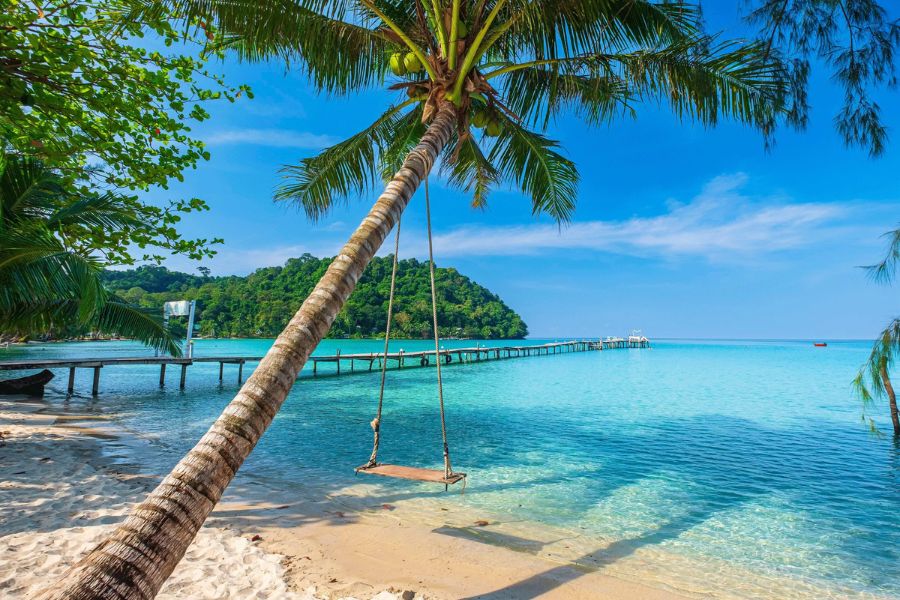
- Vibe: Wild, untamed wilderness, secluded white beaches, crystal-clear shallows, and total privacy.
- Best Time to Visit: November to April (Calm, glass-like seas and brilliant sunshine).
- Ideal Stay: 3 to 4 nights.
Koh Kood lies close to the Cambodian border in Thailand’s eastern Gulf and remains one of the country’s quieter large islands. Much of the island is covered by forest, with waterfalls, fishing communities and small bays spread along the coastline. Roads and tourism infrastructure are more limited than on Phuket or Koh Samui, which is part of its appeal for travelers looking for a slower beach stay.
The island has accommodation ranging from simple beach properties to high-end resorts, but the overall atmosphere remains noticeably calmer than Thailand’s major resort islands.
Koh Kood works particularly well for couples or families who are happy to spend more time at the resort, beach and surrounding natural areas rather than filling each day with sightseeing.
Koh Lanta – Long Beaches & a Slower Andaman Pace
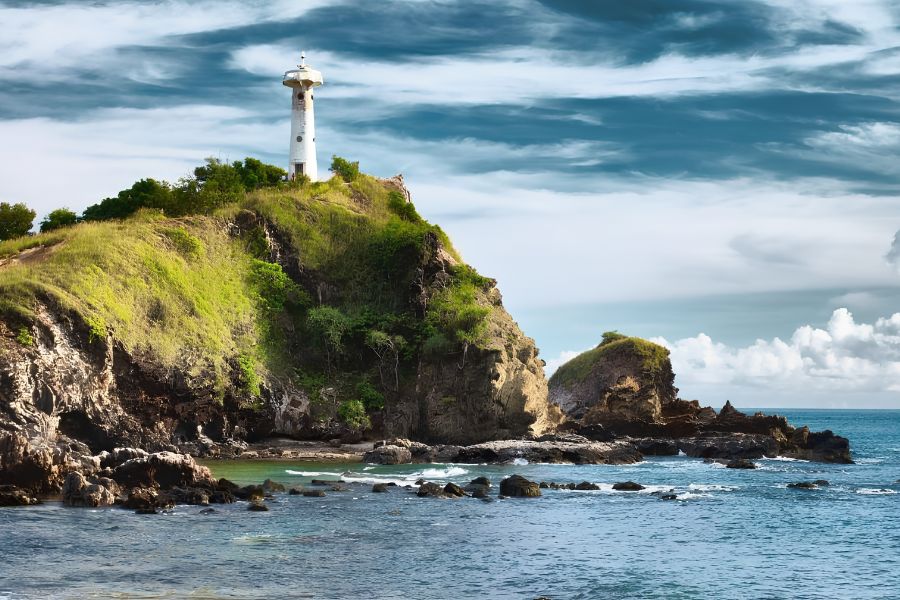
- Vibe: Unhurried coastal calm, broad walkable beaches, traditional sea-gypsy heritage, and open-ocean sunsets.
- Best Time to Visit: November to April (Warm, dry weather with calm swimming conditions).
- Ideal Stay: 3 to 4 nights.
Koh Lanta is one of the best choices for travellers who want an easy-going island without giving up a good selection of hotels, restaurants and activities.
The west coast is lined with long beaches such as Long Beach and Kantiang Bay, while the southern end of the island becomes quieter and more natural around Mu Ko Lanta National Park.
Compared with Phuket or Phi Phi, the island generally feels less hectic, making it particularly suitable for longer stays, couples and families who prefer open beaches and relaxed evenings. Koh Lanta is also a useful base for boat trips to smaller islands and snorkeling sites in the surrounding Andaman Sea.
Koh Tao – Diving, Snorkelling & Small-Island Energy
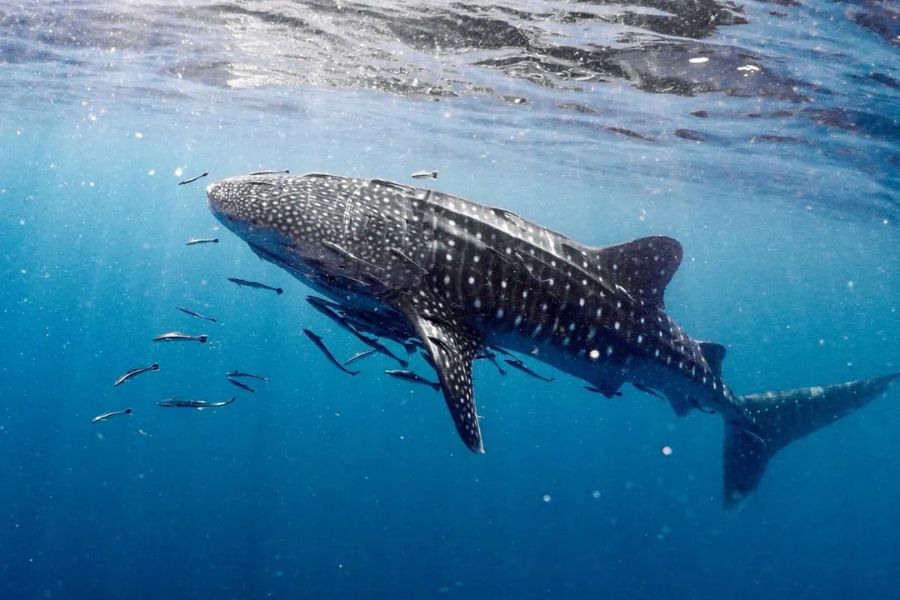
- Vibe: Vibrant marine exploration, world-class diving, dramatic boulder-strewn view ridges, and coastal cafes.
- Best Time to Visit: February to September (March through May is prime for whale shark sightings).
- Ideal Stay: 2 to 3 nights.
Koh Tao is one of Thailand’s best-known diving destinations and attracts travelers who want to spend much of their time in or around the water. Whale sharks are occasionally seen around offshore dive sites, but sightings are seasonal and never guaranteed, so they should be treated as a bonus rather than the main reason to visit.
The island is surrounded by dive sites, shallow bays and rocky coastal scenery, making it suitable for both experienced divers and beginners taking their first certification course. Snorkelling is also possible from several beaches and boat-accessed bays.
Away from the water, Koh Tao has viewpoints, small beaches, cafes and a lively but compact traveller scene.
Koh Lipe – The Maldives of Thailand
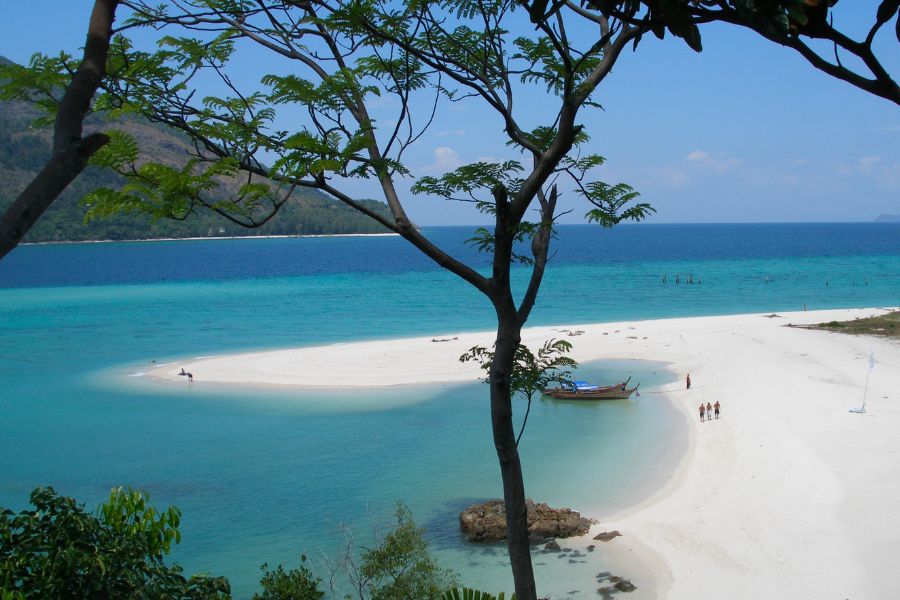
- Vibe: Powder-soft white sands, translucent aquamarine waters, intimate beach walks, and vibrant house reefs.
- Best Time to Visit: November to April (Peak dry season with tranquil seas).
- Ideal Stay: 2 to 3 nights.
Located in the far southern reaches of the Andaman Sea within the pristine Tarutao National Marine Park, Koh Lipe is celebrated for having some of the softest sand and most vibrant water clarity in the Kingdom. With its three primary shores, Sunrise, Sunset, and Pattaya beaches, the island is surrounded by healthy fringing reefs, allowing you to snorkel directly off the beach among sea anemones, clownfish, and purple soft corals.
Snorkeling is one of the main attractions, with reefs accessible from the beach in some areas and more sites available on island-hopping excursions. Koh Lipe is particularly suited to travelers who want clear water and a smaller island atmosphere without moving between multiple resorts or towns.
Koh Phangan – Bohemian Wellness & Secret Coves
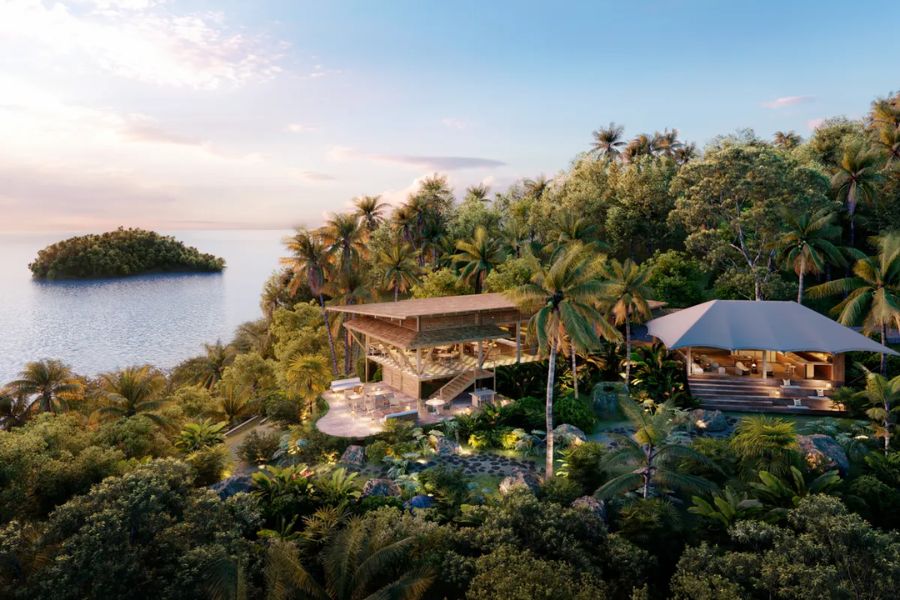
- Vibe: Striking natural contrast: high-energy southern festivities vs. serene, bohemian holistic retreats in the north.
- Best Time to Visit: January to August (Consistent sunshine with low precipitation).
- Ideal Stay: 2 to 3 nights.
Koh Phangan is best known internationally for the Full Moon Party, but most of the island has a very different character. The northern and eastern coasts are home to quieter beaches, forested hills and small bays such as Thong Nai Pan and Bottle Beach. Yoga retreats, wellness centers and smaller beachfront resorts have also become an important part of the island’s identity.
Choosing the right part of the island matters. If relaxation is the priority, staying on the northern or northeastern coast provides a very different experience from the busier southern areas.
Some Essential Practical Tips for Island Hopping in Thailand
- Be prepared for wet landings: Smaller islands, remote beaches and some longtail-boat stops do not have fixed piers. You may need to step directly into shallow water when getting on or off the boat, so strapped sandals or water shoes are more practical than trainers. Keep trousers or long dresses easy to roll up during transfers.
- Protect electronics and travel documents: Open speedboats and longtail boats can get wet from sea spray, even in good weather. Keep passports, phones, cameras and other valuables inside a waterproof pouch or roll-top dry bag during boat transfers.
- Check your sunscreen before visiting marine parks: Thailand prohibits sunscreens containing Oxybenzone, Octinoxate, 4-Methylbenzylidene Camphor and Butylparaben in national parks because of their impact on coral reefs. Check the ingredient list before travelling and consider mineral-based products using zinc oxide or titanium dioxide.
- Plan for rougher open-water crossings: Routes such as Phuket to Phi Phi or Pak Bara to Koh Lipe can become choppy when sea conditions change. If you are prone to motion sickness, avoid sitting near the front of a speedboat where movement can feel stronger. A seat closer to the middle or rear may be more comfortable.
- Keep luggage manageable when island hopping: Large rigid suitcases can be awkward on longtail boats, floating piers and beach transfers. If your trip includes several smaller islands, a compact suitcase or soft-sided travel bag can make transfers easier. For longer Thailand itineraries, it may also be possible to leave unnecessary luggage at a mainland hotel or with your transport provider while spending a few nights on an island.
- Check baggage rules for speedboats and ferries: Smaller boat operators may have different luggage allowances from airlines. Oversized suitcases, diving equipment and additional bags can sometimes carry extra charges, so confirm the allowance before travelling rather than arriving at the pier with more luggage than expected.
- Verify travel insurance for diving and water activities: Standard travel insurance does not always cover scuba diving, sailing or other marine activities automatically. If diving is part of your trip, check the permitted depth, certification requirements and whether emergency treatment and evacuation are covered.
- Do not schedule tight connections after boat transfers: Sea conditions can affect ferry and speedboat timings. Avoid planning an island arrival followed immediately by a domestic or international flight, particularly during shoulder seasons. An overnight stay on the mainland before an important flight can provide a useful buffer.
- Check seasonal island and marine park closures: Some protected islands and dive areas close seasonally to allow ecosystems to recover or because sea conditions become unsuitable. Confirm access shortly before booking boat trips, particularly if you are travelling outside the main dry season.
- Respect coral and marine life: Do not stand on coral, collect shells or marine life, or touch animals while snorkelling or diving. Thailand’s national park authorities also ask visitors to keep their distance from coral and follow instructions from park staff.
Frequently Asked Questions (FAQs)
- Which is better for a first-time luxury traveler: Phuket or Koh Samui?
Phuket offers superior international connectivity, dedicated deep-water superyacht marinas, Michelin-starred gastronomy, and direct boat access to the limestone towers of Phang Nga Bay; its peak season runs from November to April. Koh Samui offers a more intimate, boutique ambiance with private cliffside villas and quiet coconut-fringed bays, and serves as an ideal summer destination from May through August when the west coast receives monsoon rains. - Which Thai island features the clearest water and best beaches?
For powdery white sands and near-total water clarity, Koh Lipe in the southern Andaman Sea and Koh Kood in the eastern Gulf consistently outperform larger, more developed islands. Their remote locations minimize maritime traffic and keep the fringing reefs remarkably healthy. - What are the best islands in Thailand for a romantic honeymoon?
Koh Yao Noi (for its dramatic views of limestone karsts and quiet seclusion), Koh Kood (for pristine private beaches and castaway-style luxury), and the sheltered northern coves of Koh Samui (such as Thongson Bay and Maenam) provide the most private, tranquil settings for couples. - When and where is the best window to dive with whale sharks in Thailand?
Whale sharks are most frequently sighted between March and May. The primary locations include Sail Rock and Chumphon Pinnacle in the Gulf of Thailand (accessible from Koh Tao and Koh Samui), and Richelieu Rock in the Andaman Sea (part of the Mu Ko Surin National Marine Park, accessed via liveaboard cruisers from Phuket or Khao Lak). - Is it feasible to combine both the Andaman and Gulf coasts in one itinerary?
Yes. Bangkok Airways operates direct 50-minute scheduled flights connecting Phuket International Airport (Andaman Sea) with Koh Samui Airport (Gulf of Thailand). This allows travelers to seamlessly pair the dramatic karst monoliths of the west with the calm coconut shores of the east within an 8- to 12-day journey. - Which Thai islands are best suited for families with young children?
Phuket, Koh Samui, and Koh Lanta are the most family-friendly destinations. They feature broad beaches with shallow entry gradients, comprehensive international pediatric clinics, well-equipped private family villas, and short road transfers that minimize open-water boat travel. - What is the estimated daily budget for a luxury island vacation in Thailand?
A bespoke private island journey typically ranges from $600 to $1,800+ USD per day for two travelers. This includes five-star beachfront pool villa accommodations, private airport transfers, chartered speedboat excursions, fine dining, and dedicated bilingual concierge services.
Planning a Private Island Journey in Thailand
Thailand’s islands are easy to combine, but the right route depends on the season, sea conditions and the type of experience you want. Some travellers prefer a lively base such as Phuket or Koh Samui, while others would rather spend several slower days on Koh Yao Noi, Koh Kood or Koh Lanta.
A private itinerary can help with:
- Flexible island routing: Choose islands that suit your travel dates rather than following the same route year-round.
- Private boat options: For selected routes, private speedboats, longtail boats or yacht charters can give you more control over timing and allow for quieter stops when conditions permit.
- Coordinated transfers: Flights, road transfers, piers and boat connections can be planned as one continuous journey, which is especially useful when combining several islands.
- A better balance of activities and downtime: Mix snorkelling, diving, island hopping or marine parks with enough time to enjoy the beach without changing hotels every night.
The best islands in Thailand are not the same for every traveler. Phuket offers convenience and variety, Koh Samui works well for resort stays, Koh Tao is stronger for diving, while Koh Lanta, Koh Kood and Koh Yao Noi appeal more to travellers looking for a slower pace.
If you are planning an island journey in Thailand, LuxeTravel Asia can help build a private route around your travel dates, preferred islands, activities and pace. Plan Your Journey with our local team and choose the islands that fit the season and the kind of holiday you actually want.
Tags: best islands in thailand, best islands in thailand to visit, best islands to go to in thailand, islands in thailand, most beautiful islands thailand, must visit islands thailand, popular thai islands, thailand, thailand luxury tours, thailand private tours, Thailand tours, top island thailand