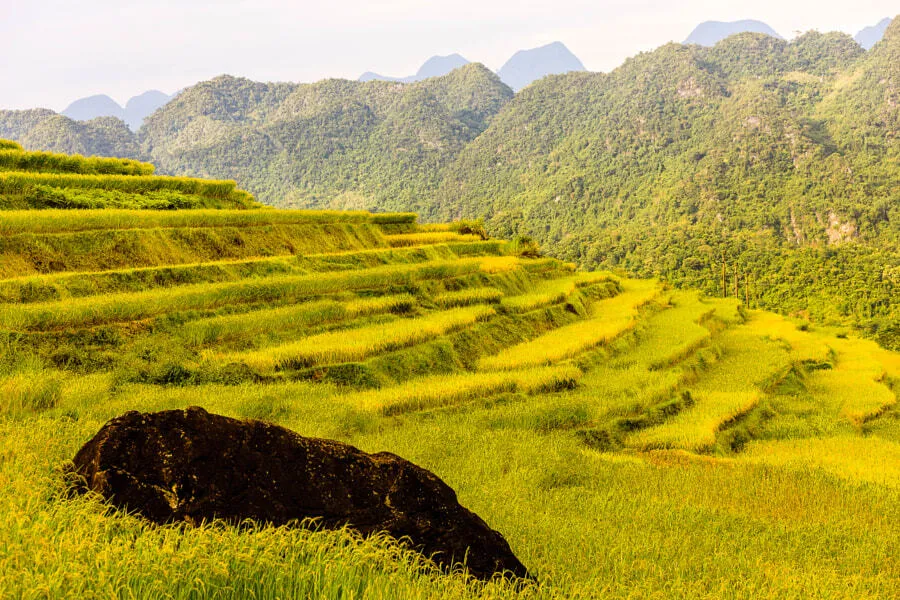
The best things to do in Sapa combine mountain scenery, local culture and outdoor experiences in one of northern Vietnam’s most distinctive regions. Surrounded by the Hoang Lien Son mountains, Sapa is known for its terraced rice fields, ethnic minority villages and cooler highland climate.
Beyond the town center, much of the appeal lies in the surrounding valleys. You can trek between villages, ride the cable car toward Fansipan, explore mountain viewpoints, visit local markets or simply spend time enjoying the slower pace of the highlands.
This guide covers the best things to do in Sapa, along with practical advice on weather, how to get there from Hanoi, how long to stay and which experiences are worth adding to your itinerary.
Sapa Weather & Temperature: A Year-Round Destination with Four Seasons in One Day
Planning your journey requires understanding local climate dynamics. Unlike the tropical south, Sapa sits at an elevation of 1,500 to 1,650 meters, producing a temperate mountain climate that stays remarkably cool throughout the year.
The Phenomenon of “Four Seasons in a Single Day”
One of Sapa’s most magical and unpredictable characteristics is experiencing an entire annual weather cycle in just twenty-four hours:
- Morning (Spring): Crisp, refreshing mountain mists and cool, dew-kissed air hovering around 14°C to 16°C.
- Midday (Summer): Brilliant sunshine breaking through clear blue skies, warming the valleys to a pleasant 22°C to 26°C.
- Late Afternoon (Autumn): Soft golden light, gentle mountain breezes, and sweeping valley clouds cooling the temperature back down to around 18°C.
- Night (Winter): A sharp mountain chill setting in as the mercury drops to 8°C to 12°C (and significantly lower during winter months), requiring cozy fires and warm wool layers.
Because Sapa temperature and visibility can shift within thirty minutes transitioning from radiant sunshine to dense mountain fog or light drizzle, they always carry a lightweight, windproof outer layer and pack versatile clothing.
Seasonal Breakdown: When Should You Visit?
Sapa has four distinct seasons throughout the year
- Spring (March to May) – Valley Blossoms & Crisp Trails: Average sapa weather hovers between 15°C and 22°C. Wild peach blossoms, plum trees, and rare mountain rhododendrons bloom across the hillsides. Skies remain mostly dry, making spring ideal for active trekking.
- Summer (June to August) – Emerald Green Terraces & Roaring Falls: Temperatures range from 20°C to 27°C. The terraces turn deep emerald green, fed by summer rains that fuel thundering waterfalls. It is a premier escape for travelers seeking refuge from the lowlands’ tropical heat.
- Autumn (September to October) – The Golden Harvest Spectacle: The most coveted window of the year. The valleys of Muong Hoa turn a brilliant, golden amber as the rice crop ripens. Mild temperatures (15°C to 20°C) and dry skies offer spectacular photographic conditions.
- Winter (November to February) – Sea of Clouds & Frosty Romance: Crisp, alpine winter with daytime highs of 8°C to 14°C and nighttime lows occasionally dipping below freezing. Fansipan summit regularly sees hoarfrost and occasional snow flurries. It is prime season for “cloud hunting” over dramatic inversions.
Sapa has no off-season. Whether blanketed in spring flowers, golden autumn grain, or winter mist, the region offers a distinct experience every month of the year.
How to Travel to Sapa from Hanoi: Luxury Transit Options
Reaching Sapa from Hanoi is smooth and scenic, with two primary premium transport styles:
The Heritage Overnight Train
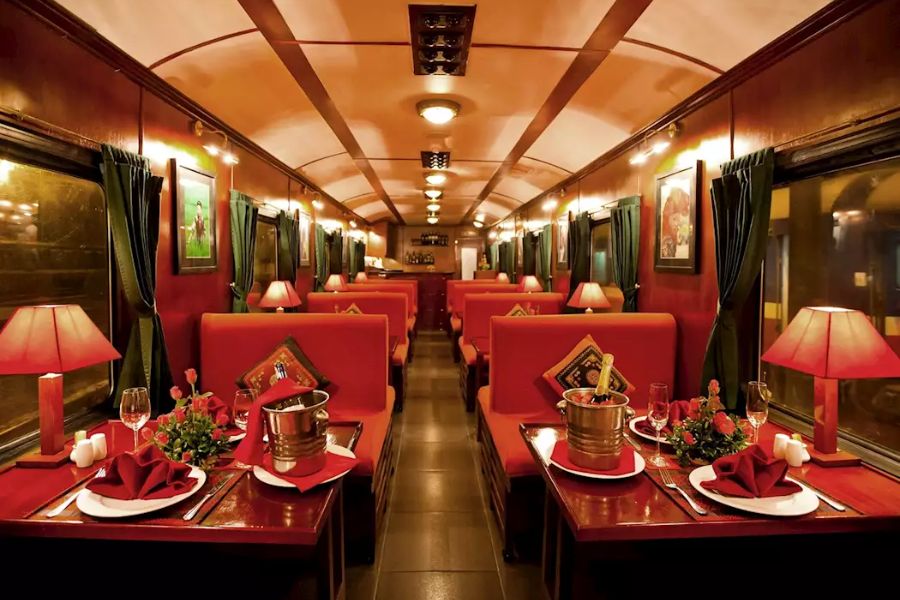
For classic romance, board a boutique overnight sleeper train departing Hanoi Railway Station around 10:00 PM and arriving at Lao Cai Station by 5:30 AM. Premier carriages like the Victoria Express, Chapa Express, and Sapaly Express feature wood-paneled private two- or four-berth cabins, soft linens, welcome drinks, and dedicated stewards. From Lao Cai, a private 45-minute mountain drive whisks you directly up the pass to your Sapa resort.
Private Limousine via the Expressway
Thanks to the modern Hanoi–Lao Cai Expressway, the overland drive now takes roughly 4.5 to 5 hours. Traveling in a private luxury limousine van outfitted with reclining leather captain seats, high-speed Wi-Fi, USB charging ports, and chilled refreshments offers door-to-door convenience with flexibility to pause at scenic highway rest stops.
Whether booking sleeper cabins or tracking local ride-hailing options upon arrival in town, having the right digital tools on your phone makes highland transit seamless. Review our roundup of essential apps when traveling to Vietnam to keep your journey smooth from departure to arrival.
Top 12 Things to Do in Sapa: Iconic Spots & Deep Local Encounters
Conquer the “Roof of Indochina”: Mount Fansipan Summit (3,143m)
Highlights:
- Ride the cable car above Muong Hoa Valley
- Take the mountain funicular towards the upper summit area
- Visit the Great Buddha and Buddhist complex
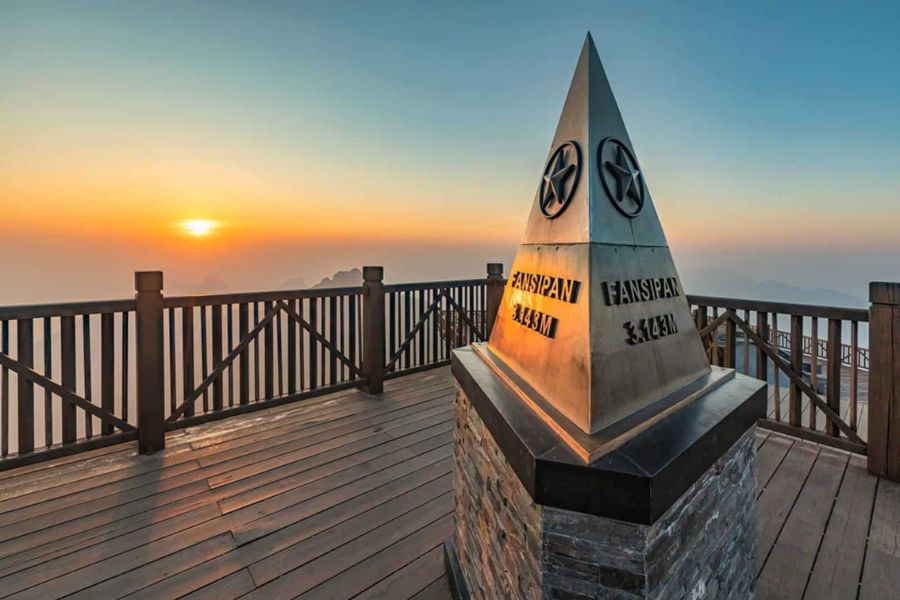
- Reach the 3,143-metre summit marker
- Enjoy mountain views when the weather is clear
At 3,143 meters, Fansipan is the highest mountain in Vietnam and one of Sapa’s best-known attractions. You do not need to trek for several days to reach the summit, as a combination of mountain train, cable car and steps makes the journey accessible to most visitors.
The cable car crosses high above Muong Hoa Valley before reaching the upper mountain area, where you can explore a large Buddhist complex and continue towards the summit marker.
Cloud and fog can change quickly at this altitude, so visibility is never guaranteed. Checking the forecast and visiting earlier in the day can improve your chances of clearer views.
Trek Muong Hoa Valley (Lao Chai – Ta Van)
Highlights:
- Walk through terraced rice fields
- Visit Lao Chai, Ta Van or Y Linh Ho villages
- Cross streams and small suspension bridges
- See local farming life along the valley
- Choose from half-day or full-day trekking routes
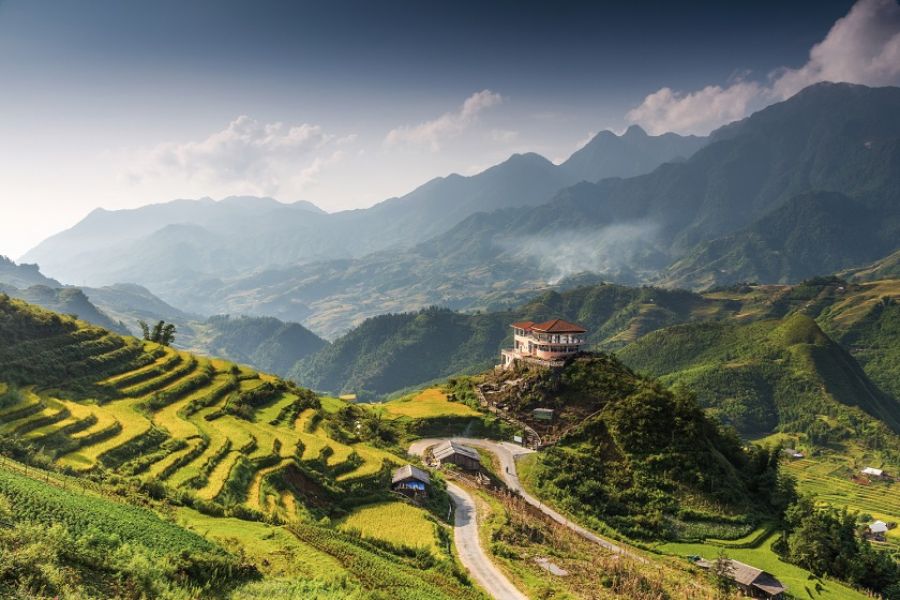
Trekking is one of the best ways to experience the landscapes around Sapa. Muong Hoa Valley is surrounded by rice terraces and ethnic minority villages, with walking routes connecting places such as Lao Chai, Ta Van and Y Linh Ho.
Routes range from relatively easy village walks to longer treks across steep paths and rice terraces. A local guide can be particularly useful if you want to move beyond the busiest trails and better understand the communities and farming landscapes along the way.
Instead of the crowded main trail, our private guide led us along the earthen dikes through Y Linh Ho village. Pausing to rest on river-smoothed boulders by the Muong Hoa stream, sharing a packed lunch of warm bamboo sticky rice, and watching Giay village children herd water buffalo across the water at dusk remains one of my fondest travel memories.
Relax with a Traditional Red Dao Herbal Bath in Ta Phin
Highlights:
- Soak in a traditional herbal bath
- Learn about Red Dao knowledge of local plants
- Explore Ta Phin village
- See traditional embroidery and handicrafts
- Visit the remains of the old French monastery nearby
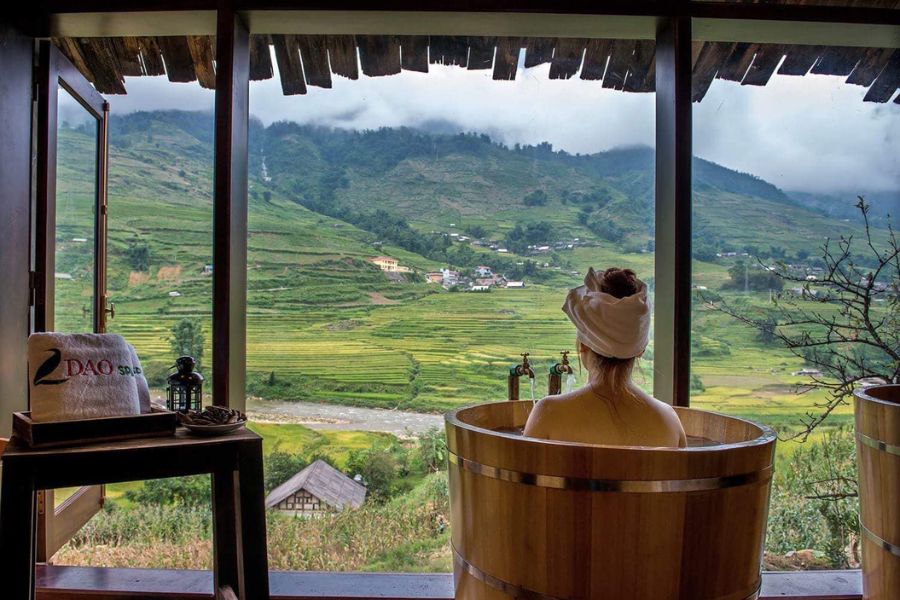
Nestled in a peaceful valley ten kilometers north of Sapa town, Ta Phin is an idyllic settlement where the Red Dao people have maintained their deep, ancestral relationship with the mountain rainforest. Ta Phin is known for its Red Dao community and traditional herbal baths, which are made by boiling a mixture of locally gathered leaves, bark and other plants.
After trekking or a long day outdoors, soaking in a warm wooden bath can be a relaxing way to end the day while also learning about a practice that has been passed through Red Dao families for generations.
The exact ingredients vary between families and providers, so it is better to view the bath as a traditional wellness experience rather than make specific medical claims about its effects.
Admire Twilight at Sapa Stone Church & Central Square
Highlights:
- See the historic stone church
- Walk around Sapa Central Square
- Visit in the evening when the town lights come on
- Browse nearby shops and cafes
- Look out for weekend cultural activities
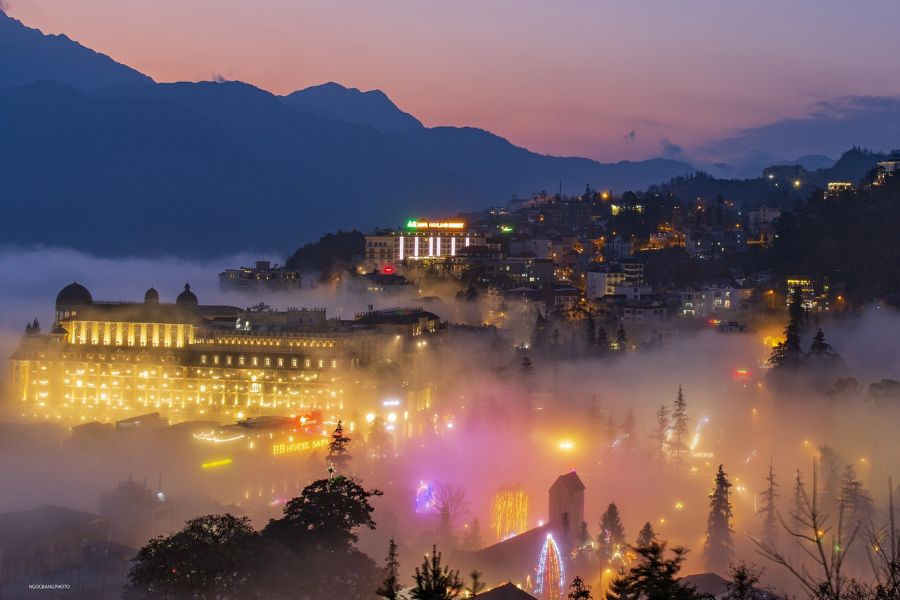
Located in the center of town, Sapa Stone Church is one of the easiest landmarks to include in an afternoon or evening walk. Built during the French colonial period, the church faces Sapa’s main square, where local residents, visitors and ethnic minority vendors often gather. The area becomes particularly lively in the evening and at weekends.
As dusk settles over the town, the church square transforms into the vibrant social nexus of the community. Here, cool mountain mists swirl past historical stone arches while townspeople, travelers, and ethnic minority vendors assemble to trade, socialize, and celebrate highland culture under warm lantern light.
As dusk falls, amber uplights illuminate the church’s weathered grey masonry through the swirling fog, creating an atmosphere straight out of a classic European novel. I love sitting at a second-story cafe terrace nearby, sipping a hot ginger tea and watching local families cross the square in the mountain chill.
Explore O Quy Ho Pass & Mountain Viewpoints
Highlights:
- Stop at viewpoints along O Quy Ho Pass
- Look across the Hoang Lien Son mountains
- Visit around late afternoon for changing light
- Try simple grilled snacks at roadside stalls
- Combine the pass with nearby waterfalls or Rong May Glass Bridge
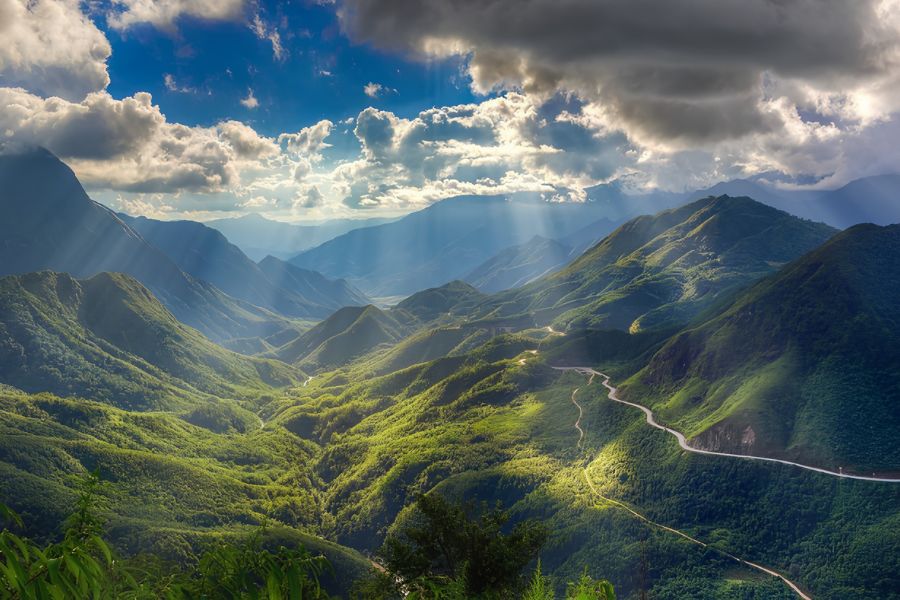
O Quy Ho is one of the major mountain passes crossing the Hoang Lien Son range and offers some of the widest views around Sapa. The road climbs high above the valleys, with several viewpoints along the route. On clear days, you can see layers of mountain ridges stretching into the distance, while cloudier conditions can create a very different atmosphere.
The sunset from O Quy Ho Pass is unforgettable. The wind sweeps across the pass with fierce intensity, but as the sun sinks into a sea of red and violet clouds beneath the peaks, everyone at the lookout falls silent, mesmerized by the wild scale of the mountains.
> > > If standing atop Vietnam’s grand mountain passes leaves you craving even more dramatic terrain, pair the terraced valleys of Sapa with the epic limestone canyons of the Dong Van Karst Plateau on our private Ha Giang & Sapa – Northern Vietnam Adventure.
Visit Silver Waterfall & Love Waterfall
Highlights:
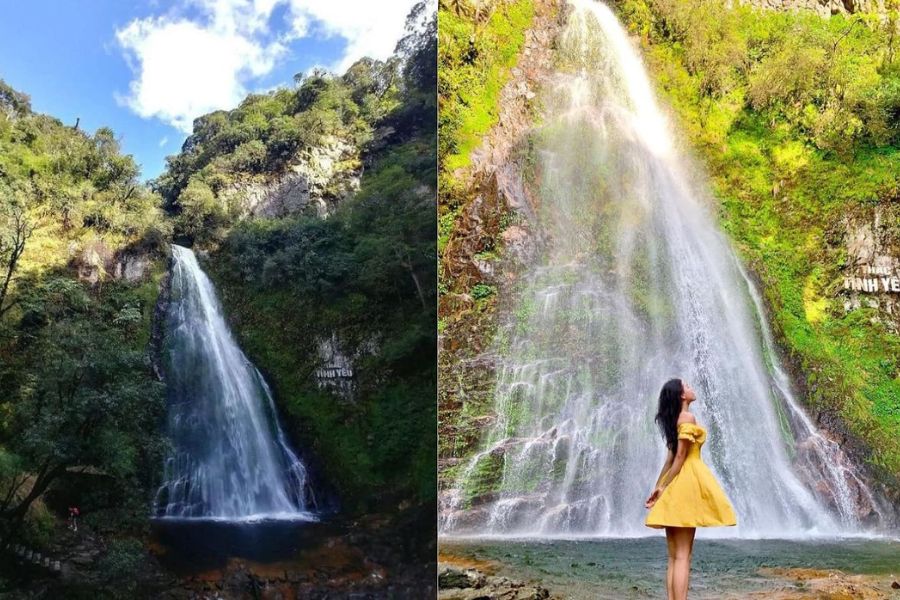
- Gaze upward at Silver Waterfall’s 200-meter tiered cascade roaring down the sheer mountainside.
- Take a peaceful nature walk through protected bamboo groves and old-growth rhododendron forests.
- Follow the tranquil Golden Stream with its shimmering yellow pebbles and cool spring water.
- Stand beneath the mist-cloaked pool of Love Waterfall and learn the timeless ethnic legend of the woodcutter and the fairy.
Silver Waterfall and Love Waterfall are two popular natural stops along the road towards O Quy Ho Pass. Silver Waterfall is easy to reach from the main road and can be seen from several viewpoints. Love Waterfall requires a longer walk through forest scenery, making it the better option if you want to combine sightseeing with a short nature trail.
Walk on Clouds at Rong May Glass Bridge
Highlights:
- Ride a high-speed glass elevator ascending 300 meters through the cliffside rock.
- Step onto a clear glass cantilevered walkway suspended hundreds of meters over the gorge.
- Enjoy unobstructed panoramic perspectives of the O Quy Ho pass and the Hoang Lien Son range.
- Experience the unique thrill of walking directly through floating mountain clouds.
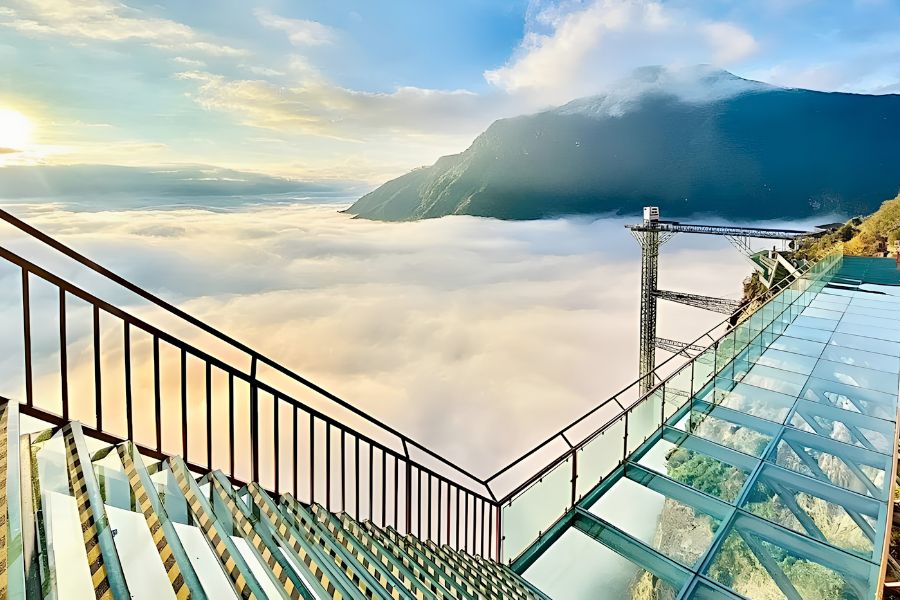
Rong May Glass Bridge is an adventure attraction located near O Quy Ho Pass, designed for travelers who enjoy high viewpoints and glass-floor experiences. A lift takes visitors up the mountainside before connecting to elevated walkways overlooking the surrounding valleys and peaks.
The journey begins within the heart of the mountain, where a transparent exterior elevator ascends vertically up the rock face before depositing visitors onto an open-air cantilevered glass walkway extending sixty meters into thin air. Constructed from three layers of specialized tempered glass, this skywalk provides unobstructed, heart-racing vertical views straight down into the abyssal canyon while framing a magnificent 360-degree panorama of the surrounding alpine peaks.
This activity is better suited to travelers who are comfortable with heights. Fog can reduce the views significantly, although it can also create an unusual cloud-level experience.
Explore the Vibrant Bac Ha Ethnic Market
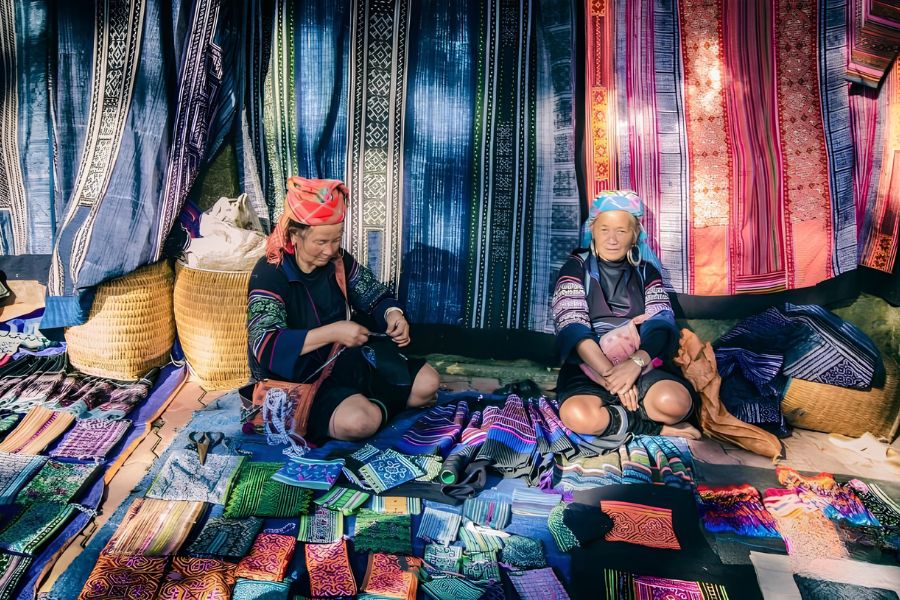
Highlights:
- Marvel at the intricate, hand-stitched pleated skirts and neon fabrics worn by Flower H’Mong women.
- Walk the bustling livestock ring where water buffalo, mountain horses, and hunting dogs are traded.
- Wander open-air stalls showcasing pure wild honey, mountain spices, and hand-forged farming tools.
- Observe local elders gathering around simmering cauldrons of traditional horse stew paired with potent corn liquor.
Bac Ha Market is held on Sundays and is one of the best-known highland markets in northern Vietnam. Every weekend, mountain trails leading from remote ridges fill with Flower H’Mong, Tay, Nung, and Black Dao families who make the journey to socialize, trade livestock, and procure weekly provisions. Unlike modern commercial bazaars, Bac Ha remains an authentic community gathering where traditional barter systems, ancient textile arts, communal dining, and timeless social rituals are played out in full, vivid color.
The market is located some distance from Sapa, so it works best as a planned day trip rather than a quick add-on. Arriving earlier in the morning generally gives you more time to experience the market before activity begins to wind down.
Learn Indigo Dyeing & H’Mong Batik
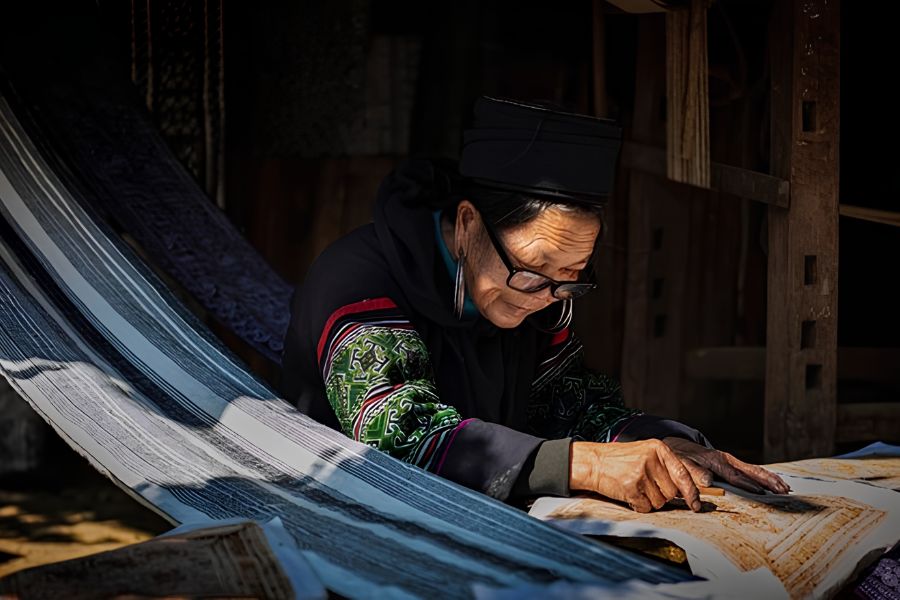
Highlights:
- Draw sacred symbolic geometric patterns on raw hand-loomed hemp using molten beeswax and traditional copper pens.
- Immerse natural fabrics into aged wooden vats filled with organic, fermented mountain indigo dye.
- Learn the intricate cultural meanings behind spiral, sun, and bird motifs used in tribal folklore.
- Create and take home your own personalized piece of authentic, hand-dyed ethnic textile art.
Textile making remains an important craft among H’Mong communities around Sapa. Workshops in villages such as Ta Van give visitors the chance to learn how hemp fabric, beeswax patterns and natural indigo are used in traditional clothing. Rather than simply buying a finished textile, joining a workshop helps you understand how much time and skill goes into the process.
Participating in a specialized artisan masterclass inside a tranquil village workshop gives travelers rare, hands-on access to this ancient heritage, allowing you to slow down, understand the geometric symbology of tribal mythology, and appreciate the immense labor behind authentic indigenous textiles.
Sip Cloud-Level Coffee at Panoramic Cafes Overlooking Muong Hoa
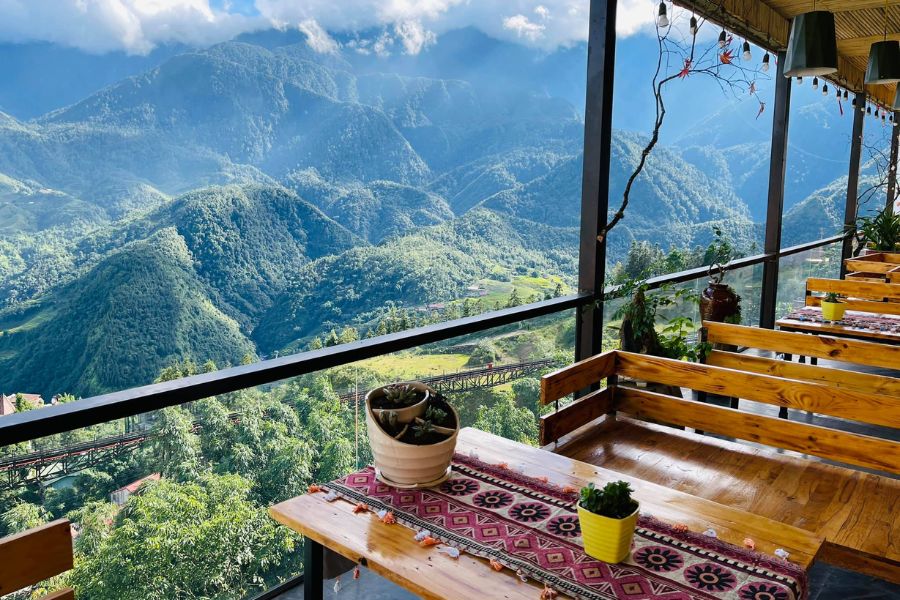
Highlights:
- Savor signature Vietnamese brews such as rich egg coffee or creamy salted coffee.
- Relax on open-air timber terraces with 180-degree unobstructed views across the terraced valleys.
- Watch the vintage crimson Muong Hoa mountain train glide gracefully along distant viaducts.
- Capture stunning, magazine-worthy portraits as low-hanging clouds drift lazily over the balcony railings.
Sapa has plenty of cafes overlooking the surrounding valleys, making coffee an activity in itself when the weather is clear. Several cafes near the edge of town and along routes towards Cat Cat offer open terraces with views across Muong Hoa Valley and the mountain railway.
Here, the simple pleasure of enjoying Vietnam’s world-class specialty coffees is elevated into a meditative viewing experience, allowing visitors to watch mountain weather unfold in real time while vintage red funicular trains thread through the landscape below.
Waking up early to snag a corner balcony seat as the morning sun cuts through the valley haze is one of Sapa’s simplest pleasures. Watching the red train track across the green terraces below while holding a warm mug of coffee captures the slow, relaxed pace of mountain life.
Explore Sapa Night Market & Evening Food Stalls
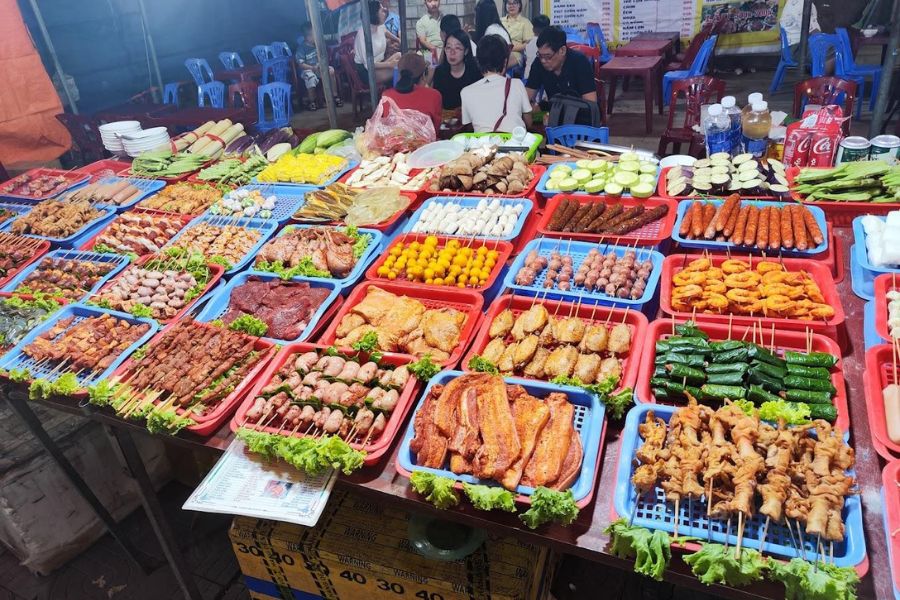
Highlights:
- Sample sizzling skewers of local pork rolled with crisp wild must and enoki mushrooms.
- Taste sweet, freshly roasted local chestnuts tossed in sweet butter over cast-iron drums.
- Enjoy fragrant sticky rice roasted in young bamboo tubes dipped in crushed peanut
- Browse evening stalls offering artisanal mountain herbal teas, dried wild forest mushrooms, and hand-woven souvenirs.
As night falls and temperatures plunge across the highland plateau, the Sapa Night Market near the central lake becomes an irresistible culinary beacon of warmth, aroma, and social energy. Dominated by dozens of independent food stalls arranged around glowing charcoal braziers, the market serves as the culinary living room of the town. Street vendors display an abundant variety of skewered mountain specialties, cured meats, and sweet roasted root vegetables that are grilled fresh to order over glowing coals, providing a comforting, delicious antidote to the crisp mountain chill.
Exploring the market when the temperature drops to 10°C warms every sense. Sitting around a glowing brazier with French travelers, sharing freshly grilled skewers paired with a spicy chili-salt dip and listening to the crackle of wood charcoal made for a cozy, memorable evening.
> > > Sapa’s alpine peaks pair naturally with the French-colonial boulevards of Hanoi and the tranquil limestone karsts of Lan Ha Bay. Experience the classic cultural and natural highlights of the north with our signature Charming Northern Vietnam private journey.
Relax at a Mountain Resort or Heated Pool
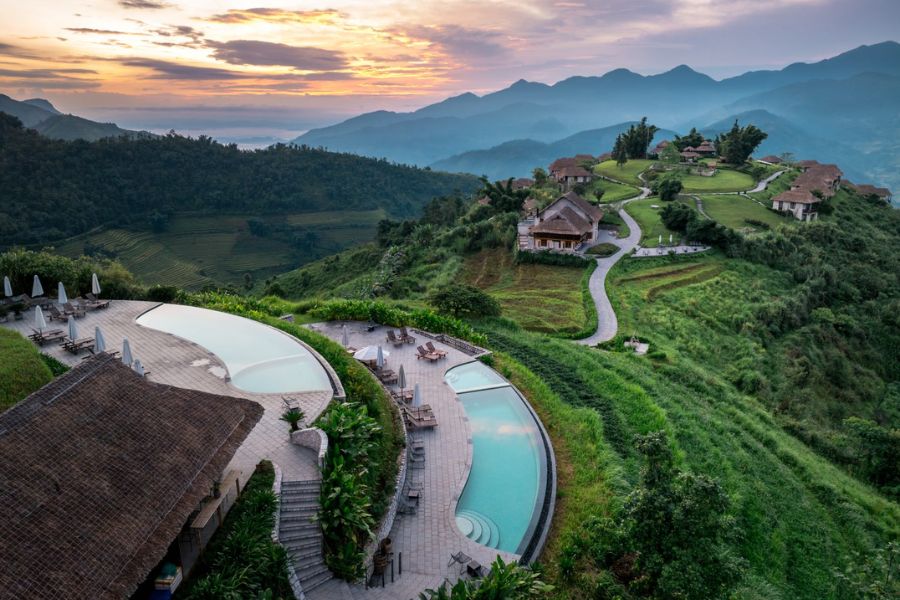
Highlights:
- Float in therapeutic waters warmed to an optimal 32°C to 34°C amidst crisp alpine breezes.
- Soak in sweeping, uninterrupted views across the entire expanse of the terraced Muong Hoa Valley.
- Sip signature botanical cocktails, warm spiced wine, or artisan tea directly at the poolside pavilion.
- Watch the soft, violet-tinted mountain sunset give way to clear, unpolluted starry night skies.
After trekking and sightseeing, it can be worth leaving part of your Sapa stay unplanned. Several mountain hotels and eco-lodges around the region offer terraces, spas or heated pools overlooking the surrounding valleys. The experience is less about fitting in another attraction and more about slowing down and enjoying the landscape.
If scenery is a priority, check the hotel’s actual location and room orientation before booking, as not every property marketed as a “mountain hotel” has uninterrupted valley views.
What to Eat in Sapa: Highland Gastronomy You Must Try
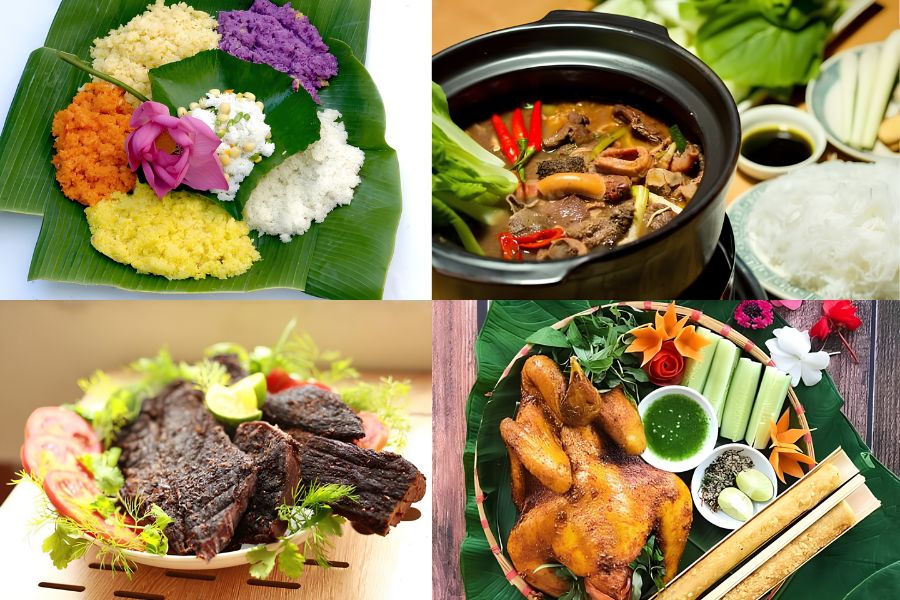
Sapa’s culinary traditions rely on clean mountain streams, wild herbs, and wood-fired cooking:
- Sturgeon & Salmon Hotpot: Cold-water sturgeon and salmon thrive in Sapa’s cool mountain springs. Sliced fresh and simmered in a fragrant broth of tomatoes, wild forest mushrooms, galangal, and crisp highland mustard greens.
- Grilled Black H’Mong Chicken with Wild Honey: Indigenous black-boned mountain chicken, prized for its lean, savory meat, marinated with wild honey, crushed Mac Khen (forest pepper), and grilled over coals.
- Free-Range Highland Roast Pork: Roaming freely across valley hills, these heritage pigs yield tender meat and delicate, crispy crackling, paired with spicy forest herb dipping salts (Cham Cheo).
- Smoked Highland Buffalo Jerky: Strips of fresh buffalo tenderloin marinated in wild ginger, garlic, and wild pepper, then hung above kitchen hearths to dry slowly over fragrant wood smoke for months.
- Roasted Butter Chestnuts & Ancient Shan Tuyet Tea: Sweet chestnuts roasted in cast-iron pans with butter along the evening streets, followed by a hot pot of golden Shan Tuyet tea, harvested from wild, ancient tea trees growing above 2,000 meters.
Where to Stay: Best 5-Star Eco-Lodges & Luxury Mountain Retreats
Choosing the right accommodation shapes your highland experience. Here are Sapa’s premier luxury properties:
- Topas Ecolodge (Muong Hoa Valley): A certified National Geographic Unique Lodge of the World, perched on two conical hills deep in the valley. Features granite bungalows with private balconies, two heated infinity pools, and a dedicated commitment to local sustainability.
- Hotel de la Coupole – MGallery (Sapa Town): Designed by Bill Bensley, this architectural showpiece blends 1920s French Haute Couture with the bold textile colors of northern hill tribes. Features heated indoor pools, fine dining, and direct access to the Fansipan funicular.
- Ville De Mont Mountain Resort (Ham Rong Mountain): An exclusive hideaway nestled in a pine forest at 1,550 meters. Stone-and-wood villas feature open fireplaces, personalized 24-hour butler service, and private valley views.
- Silk Path Grand Resort & Spa (Sapa Hills): Set atop a private hill overlooking the Hoang Lien Son range, this Indochine-style resort boasts heritage rose gardens, heated glass-domed pools, and botanical spa treatments.
- Laxsik Bag (Ta Van Village): A boutique, eco-conscious retreat tucked among the rice paddies of Ta Van, featuring traditional timber architecture, peaceful stream-side dining, and sweeping views of the farming valley.
Looking to balance tranquil mountain retreats with child-friendly activities and beach escapes across your entire vacation? Discover how Sapa fits alongside central coastal resorts in our curated list of the best destinations for families in Vietnam.
Essential Travel Tips for Your Sapa trips
- Pack in Breathable Layers: With temperatures shifting dramatically between morning, noon, and night, rely on base layers, a fleece, and a packable windproof/waterproof jacket.
- Bring Sturdy, Broken-In Trekking Shoes: Terraced trails and clay paths become slick with morning dew and mountain rains; footwear with deep traction is essential.
- Respect Tribal Etiquette: Always ask permission before taking portraits of ethnic elders or children. Never touch sacred altars, doorposts, or protective talismans at the entrance of village homes.
- Support Certified Craft Collectives: Purchase handmade hemp and silver jewelry directly from cooperative craft centers in Ta Phin or Lao Chai, rather than buying manufactured goods or giving cash to street children.
- Reserve Trains & Lodges Well in Advance: Prime terrace-view chalets and luxury train berths sell out two to three months ahead during the autumn golden harvest (September–October) and festive winter holidays.
- Hire an Experienced Local Native Guide: Navigating unmarked footpaths through the valleys is safest and most rewarding with a licensed local guide who speaks the dialect and shares genuine cultural stories.
- Protect Against Mountain Sun: UV radiation is high at altitude, even on overcast days. Pack high-SPF mineral sunscreen, polarized sunglasses, and a wide-brim hat.
- Carry Sufficient Local Cash (VND): Small village eateries, handicraft workshops, and weekend market stalls operate strictly in cash. ATMs are scarce once you leave Sapa town.
> > > Sapa is only the beginning of Vietnam’s incredible sensory tapestry. To combine your highland trek with world-heritage towns, boutique luxury cruises, and vibrant southern waterways, consider our private 12 Days Diverse Vietnam journey, customized entirely around your pace and travel dreams.
Elevate Your Journey: Why Choose Vietnam Luxury Tours to Sapa?
Sapa is relatively easy to reach, but exploring the surrounding valleys, mountain passes and villages is much more comfortable when the route is planned around the weather, walking conditions and your preferred pace. A private itinerary can help with:
- Flexible trekking routes: Choose shorter village walks or longer valley treks depending on fitness level, weather and trail conditions.
- Private transport: Travel between Sapa town, O Quy Ho Pass, waterfalls and surrounding villages without relying on fixed group schedules.
- Local guides: Learn more about the communities, farming landscapes and traditions you encounter rather than simply passing through them.
- A more comfortable pace: Add rest time, cafe stops or a slower afternoon when needed, especially after trekking or long road journeys.
From Fansipan and Muong Hoa Valley to village workshops, mountain viewpoints and quiet evenings in town, Sapa offers much more than a single sightseeing stop.
If you are planning a trip to Sapa, LuxeTravel Asia can help combine the highlands with Hanoi, Ninh Binh, Halong Bay or other parts of northern Vietnam in a private itinerary built around your travel dates and preferred pace.
Plan Your Journey with our local team and explore Sapa in a way that gives you enough time to enjoy both the landscapes and the communities behind them.
Tags: sapa, sapa from hanoi, sapa temperature, sapa weather, Things to do in Sapa, tourist destinations in sapa, vietnam luxury tours, vietnam private tours, vietnam tours, Vietnam travel, what to do in sapa, what to see in sapa