Vientiane
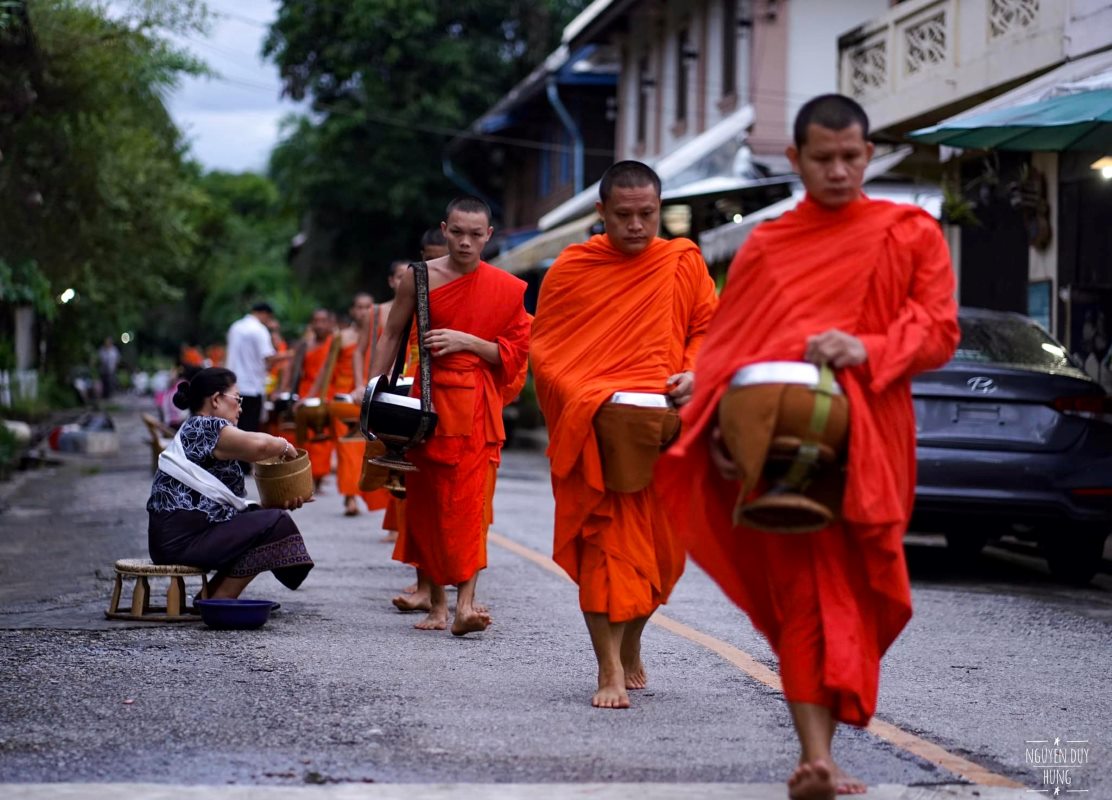
Set beside the Mekong River, Vientiane is one of Southeast Asia’s more relaxed capitals. Buddhist temples, old civic buildings, local markets and broad avenues give the city a character very different from the busier capitals of the region. Wat Sisaket, Pha That Luang and Patuxai provide an introduction to Lao history and culture, while the riverside comes alive towards evening as residents gather to walk, eat and watch the sun set across the Mekong. Vientiane works well for one or two unhurried days, either at the beginning or end of a wider journey through Laos.
The Character of Vientiane
A capital that prefers a slower pace
Vientiane does not feel like a large capital city.
Traffic is relatively light, distances are manageable and many of the main sights sit within easy reach of the Mekong. Temples appear between government buildings, cafés and family businesses, while the river provides a natural meeting place at the end of the day.
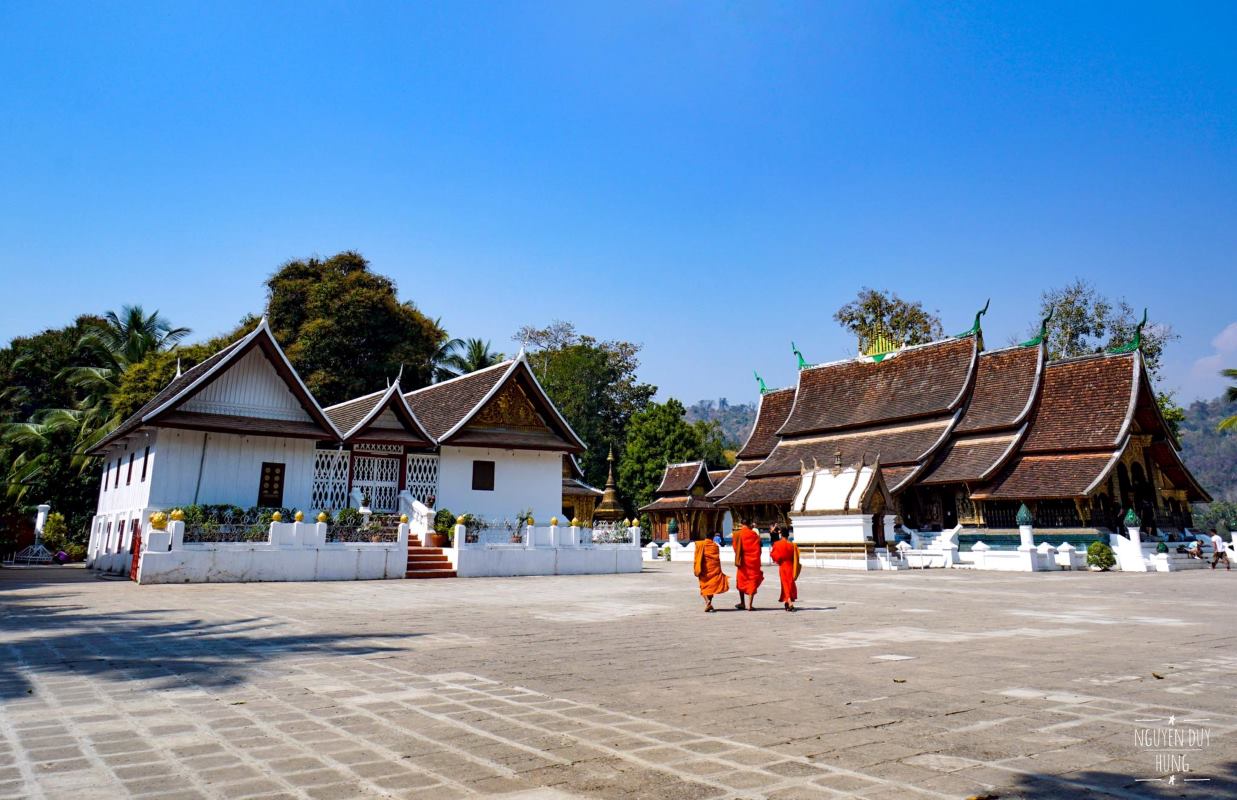
Buddhist heritage is central to the city. Wat Sisaket is one of Vientiane’s oldest surviving temples, known for the thousands of small Buddha images lining its cloister. Nearby, Haw Phra Kaew reflects another chapter of Lao royal and religious history.
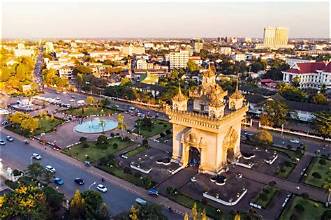
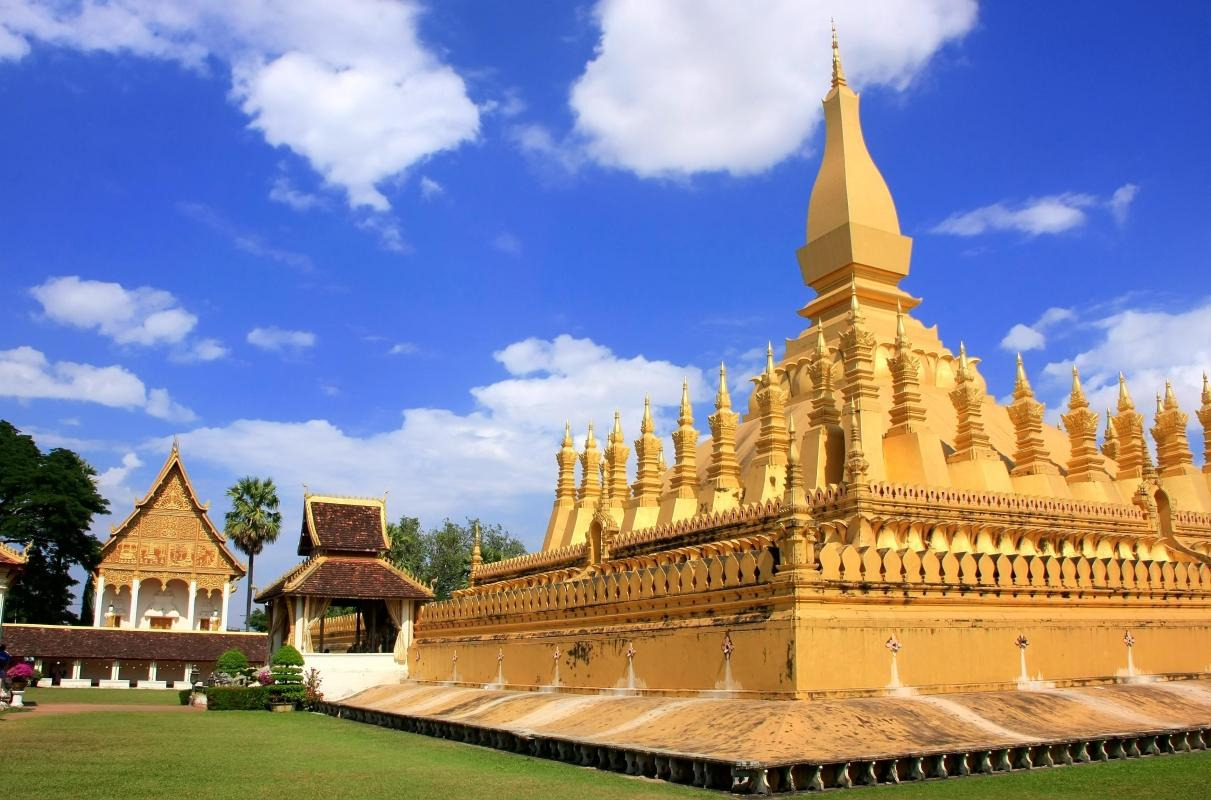
Further from the center stands Pha That Luang, the great golden stupa and one of the most important national symbols of Laos. Patuxai, meanwhile, offers a very different piece of the city’s twentieth century history and a view across the surrounding avenues from its upper levels.
Vientiane also has a quieter everyday side. Morning markets, small restaurants and riverside streets are easy to explore without a complicated itinerary.
For many travelers, a full day is enough to see the main sights. But the city becomes more enjoyable when there is also time for coffee, a Lao lunch and an evening beside the Mekong.
Why Visit Vientiane
Understand more of Lao history
Temples, monuments and museums offer useful context before or after travelling through the rest of the country.
Explore Buddhist heritage
Wat Sisaket, Haw Phra Kaew and Pha That Luang are among the city’s most important religious and cultural sites.
Enjoy the Mekong at sunset
The riverside becomes particularly pleasant later in the day, when the heat eases and local residents gather along the waterfront.
Discover Lao food
Markets and small restaurants make Vientiane a good place to try traditional dishes alongside a growing contemporary dining scene.
Travel at an easy pace
Vientiane does not require an intensive sightseeing program. One carefully planned day can cover the highlights while still leaving time to enjoy the city.
Experiences We Love in Vientiane
• Visit Wat Sisaket and its cloister filled with Buddha images.
• Explore Haw Phra Kaew and learn more about Laos’ royal and religious history.
• See Pha That Luang, one of the country’s most important national monuments.
• Climb Patuxai for views across central Vientiane.
• Visit a local market for Lao ingredients, snacks and everyday produce.
• Try traditional Lao dishes at a carefully chosen local restaurant.
• Walk beside the Mekong in the late afternoon.
• Spend an evening at the riverside market and enjoy the slower pace of the capital.
Temples and Heritage
Vientiane’s main historic sites can be explored comfortably within a day.
Wat Sisaket
Built in the early nineteenth century, Wat Sisaket is one of the oldest surviving temples in Vientiane.
Its most distinctive feature is the cloister, where thousands of Buddha images of different sizes line the walls.
The temple offers a quiet introduction to Lao Buddhist art and architecture and is particularly worthwhile with a local guide who can explain the history behind what you are seeing.
Haw Phra Kaew
Located close to Wat Sisaket, Haw Phra Kaew was originally built to house the Emerald Buddha.
Today it functions as a museum of religious art and offers further insight into the history of the Lao kingdom.
Pha That Luang
The golden stupa of Pha That Luang is one of the most recognizable symbols of Laos.
It remains an important religious site and also carries strong national significance.
Rather than treating the monument as a brief photo stop, we recommend allowing enough time to understand why it matters to Lao people today.
Patuxai and Central Vientiane
Patuxai stands at the center of one of Vientiane’s broadest avenues.
Built during the twentieth century, the monument combines a familiar triumphal arch form with decorative elements influenced by Lao architecture.
Visitors can climb to the upper levels for views across the city.
The surrounding streets also provide an easy introduction to central Vientiane, where government buildings, temples, cafés and older architecture sit within a relatively compact area.
Buddha Park
Around 25 km from central Vientiane, Buddha Park contains a collection of large Buddhist and Hindu inspired sculptures.
The park was created in the twentieth century and is very different from the historic temples found in the city.
Some travelers enjoy its unusual statues and riverside setting, while others may prefer to spend the extra time exploring Vientiane itself.
We see Buddha Park as an optional half day experience rather than an essential stop for every visitor.
The Flavors of Vientiane
Vientiane is a good place to explore Lao food before travelling further through the country.
Traditional favorites include laap, tam mak hoong, Lao style papaya salad, grilled meats, river fish and khao niaw, sticky rice.
Fresh herbs, vegetables and chili feature strongly in many dishes.
The city also reflects its history through a mixture of Lao cooking, French influences and a growing café culture.
A market visit followed by lunch at a local restaurant can be one of the simplest and most enjoyable ways to experience Vientiane.
Life Along the Mekong
The Mekong forms the western edge of central Vientiane and becomes one of the city’s liveliest areas in the late afternoon.
Residents come to walk, exercise and meet friends, while food vendors and market stalls begin opening as the temperature falls.
Across the water lies Thailand, giving the riverfront a clear sense of Vientiane’s position within the wider Mekong region.
There is no need to organize a complicated experience here. A walk before sunset followed by dinner nearby is often enough.
Best Time to Visit Vientiane
November to February generally brings cooler and drier weather and is the most comfortable period for sightseeing.
March to May is hotter, particularly during the middle of the day.
June to October is the wetter season, with regular tropical rain and greener landscapes.
During hotter months, we prefer to plan temple visits earlier in the morning and leave the afternoon lighter.
How Long to Stay
For most travelers, one to two nights is enough.
One full day allows time for the main temples, Pha That Luang, Patuxai and some time beside the Mekong.
Two nights gives a more comfortable pace and allows Buddha Park, markets or additional food experiences to be included.
Vientiane works particularly well as the first or final stop of a Laos journey rather than a destination that needs several days of sightseeing.
Where to Stay
Central Vientiane offers a good selection of boutique hotels and comfortable international properties.
Staying close to the Mekong and historic centre makes it easy to reach restaurants, temples and the riverfront.
Travellers looking for greater privacy can choose larger hotels slightly outside the busiest central streets.
For LuxeTravel Asia journeys, we focus on location, comfort and service, particularly because most stays in Vientiane are relatively short.
Vientiane With LuxeTravel Asia
We keep Vientiane simple.
A private city day might include Wat Sisaket, Haw Phra Kaew, Pha That Luang and Patuxai, with enough time for a relaxed Lao lunch rather than moving constantly from one site to another.
Buddha Park can be added for travellers who are interested, but we do not include it automatically.
The afternoon can remain light, leaving time for your hotel, a café or a walk beside the Mekong before dinner.
Vientiane does not need an ambitious itinerary. Its role in a Laos journey is often to provide context, introduce the country gently and connect naturally with the destinations that follow.
Continue Your Journey
The Laos China Railway connects Vientiane with Vang Vieng and Luang Prabang, making travel between the country’s main destinations considerably easier.
From Vientiane, continue north towards Vang Vieng for limestone scenery and outdoor experiences before travelling onwards to Luang Prabang.
The capital also has air connections with Vietnam, Thailand, Cambodia and other destinations in the region, making it a convenient starting or finishing point for a wider Indochina journey.
Explore All Our Tours
Find the Laos journey that suits your interests, pace and way of travelling.
No tours found.