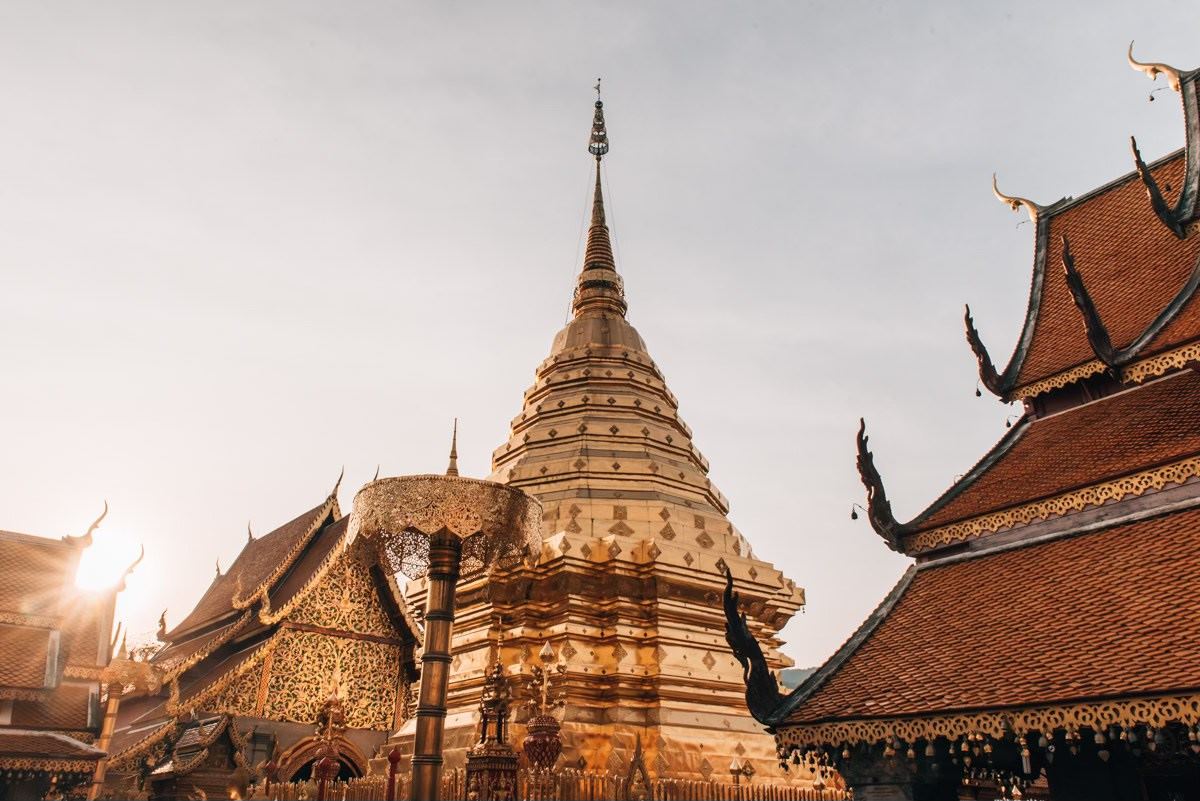
Chiang Mai
Chiang Mai is the cultural heart of Northern Thailand, with centuries old temples, lively markets and the forested mountains of the north within easy reach. Inside the old city, temple courtyards and small streets preserve traces of the former Lanna kingdom, while beyond the walls are craft communities, farms, villages and mountain landscapes. Days can move easily between culture and the outdoors, from an early temple visit and a local lunch to an afternoon in the countryside or evening at the market. Chiang Mai has plenty to see, but it is also a place worth enjoying at a slower pace.
The Character of Chiang Mai
Northern Thailand at a gentler pace
Chiang Mai feels more relaxed than Bangkok, but it is far from quiet.
Morning markets begin early, monks move between temples, cafés fill throughout the day and food stalls take over parts of the city after dark. At the same time, mountains remain visible beyond the city and the countryside is never far away.
The old city is still surrounded by parts of its historic moat and walls. Within them are some of Chiang Mai’s best known temples, including Wat Chedi Luang and Wat Phra Singh, alongside smaller monasteries that remain part of everyday religious life.
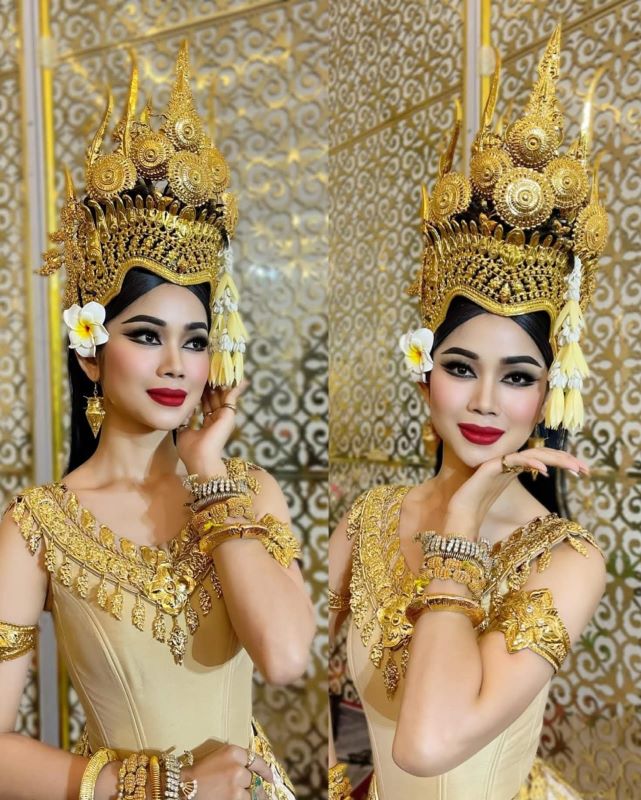
Lanna heritage gives Chiang Mai much of its identity. Architecture, craft traditions, food and festivals all reflect the history of the former northern kingdom and distinguish the region from Central and Southern Thailand.
Outside the city, the experience changes quickly. Roads climb towards Doi Suthep and into the mountains, while other routes lead towards farming communities, traditional craft areas and quieter countryside.
Chiang Mai can be cultural, active or simply relaxing. A well planned stay might include temples one morning, a cooking experience the next and an entire afternoon left free for cafés, the pool or a spa.
Why Visit Chiang Mai
Discover Lanna culture
The history of Northern Thailand remains visible in Chiang Mai’s temples, architecture, food and traditional crafts.
Explore remarkable temples
From the old city to Doi Suthep above the valley, Chiang Mai contains some of Northern Thailand’s most important Buddhist sites.
Experience Northern Thai food
Chiang Mai is one of Thailand’s best destinations for regional dishes, local markets and hands on cooking experiences.
Travel easily into the mountains
Forests, villages, farms and hiking routes begin only a short distance outside the city.
Meet local artisans
Wood carving, ceramics, textiles, silverwork and other crafts remain an important part of the region.
Combine culture with a slower stay
Chiang Mai works particularly well for travellers who want meaningful experiences without spending every day moving between major attractions.
Experiences We Love in Chiang Mai
• Explore Wat Phra Singh and Wat Chedi Luang with a local guide.
• Visit Wat Phra That Doi Suthep overlooking Chiang Mai.
• Walk through a morning market and discover ingredients used in Northern Thai cooking.
• Learn to prepare regional dishes in a small cooking experience.
• Explore the city’s evening markets and street food.
• Visit carefully selected craft communities and meet local artisans.
• Spend a day in the countryside among farms, villages and mountain scenery.
• Join an ethical elephant experience focused on observation and animal welfare.
• Take a gentle bicycle ride through rural areas outside the city.
• Leave time for a traditional Thai massage or a quiet afternoon at your hotel.
Temples and Lanna Heritage
Chiang Mai was founded in the thirteenth century as the capital of the Lanna Kingdom, and its Buddhist heritage remains central to the city today.
Wat Phra Singh
Wat Phra Singh is one of Chiang Mai’s most important temples.
Its buildings provide an excellent introduction to Lanna architecture, with richly decorated interiors and traditional northern design.
The temple remains active, so visiting with respect for worshippers and monastic life is important.
Wat Chedi Luang
At the centre of the old city, Wat Chedi Luang is known for its large ruined chedi.
Once considerably taller than it is today, the structure remains one of Chiang Mai’s most recognisable historic landmarks.
The temple complex is still active and works particularly well as part of a walking exploration of the old city.
Doi Suthep
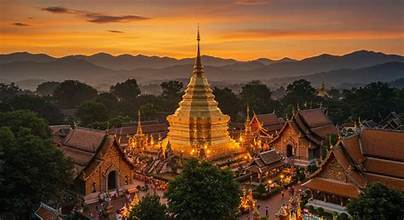
Wat Phra That Doi Suthep stands on the mountain above Chiang Mai.
The temple is one of Northern Thailand’s most revered religious sites and offers wide views across the city when visibility is good.
It is popular with visitors, but timing the visit earlier in the day can create a calmer experience.
Exploring the Old City
Chiang Mai’s historic centre remains enclosed by a square moat and sections of the original city walls.
Many of the major temples can be reached easily from one another, making walking one of the best ways to explore.
Small restaurants, cafés, traditional houses and markets sit between the better known monuments.
Rather than travelling from temple to temple by vehicle, we often prefer to explore one part of the old city on foot with a local guide.
This gives more time to notice the smaller details and understand how the historic city continues to function today.
The Flavours of Chiang Mai
Northern Thai food has a character of its own.
Khao soi is perhaps Chiang Mai’s best known dish, combining noodles, rich curry broth and crisp toppings.
Sai ua, Northern Thai sausage, is flavoured with herbs and spices, while nam prik ong and nam prik noom are chilli dips commonly served with vegetables and other accompaniments.
Markets are one of the easiest ways to understand the region’s ingredients, from herbs and vegetables to grilled meats and local sweets.
Cooking experiences can also work particularly well here. We prefer smaller classes that include a market or farm component and focus on dishes genuinely connected to Northern Thailand.
Markets and Evening Life
Chiang Mai becomes particularly enjoyable after the temperature begins to fall.
Night markets bring together food stalls, clothing, crafts and local products, while smaller streets around the old city fill with restaurants and cafés.
The famous Sunday Walking Street is particularly lively when travel dates coincide with it.
Rather than viewing the market only as a place to shop, it is also a good opportunity to try snacks, observe local evening life and experience the city at a different pace.
For travellers who prefer something quieter, dinner at a carefully chosen Northern Thai restaurant followed by a walk through the old city can be equally enjoyable.
Beyond Chiang Mai
The countryside surrounding Chiang Mai adds an important dimension to the destination.
Mountain roads lead into forest and farming areas, while smaller communities maintain traditions connected with agriculture and craft.
Days outside the city can include cycling, walking, waterfalls, farms or visits to local villages depending on your interests.
For families, activities can be kept gentle and combined with comfortable private transportation.
More active travellers can choose longer hikes or mountain based experiences.
We prefer not to turn the countryside into a long sequence of staged stops. A few carefully chosen experiences usually provide a much better sense of Northern Thailand.
Elephant Experiences
Elephant experiences are one of the most requested activities in Northern Thailand, but the way they are operated matters.
We favour responsible programs that prioritise elephant welfare, provide appropriate space and allow guests to observe natural behaviour.
We avoid experiences centred around performances, riding or activities designed mainly for visitor photographs.
A good visit should also explain the history of elephants in Thailand, their relationship with local communities and the challenges involved in caring for animals that can no longer live independently in the wild.
The exact experience should be selected carefully rather than choosing a venue simply because it is close to Chiang Mai.
Arts and Crafts
Chiang Mai has long been an important centre for Northern Thai craftsmanship.
Traditional skills include wood carving, silverwork, ceramics, textiles, umbrella making and other decorative arts.
Some workshops remain family run, while newer studios combine traditional techniques with contemporary design.
We prefer small scale visits where there is an opportunity to understand the process and the people behind the work rather than large shopping focused factory stops.
For travellers interested in design and craft, Chiang Mai can easily support a full day built around studios, workshops and local makers.
Best Time to Visit Chiang Mai
November to February generally brings cooler and drier weather and is one of the most comfortable periods for exploring Chiang Mai and the surrounding countryside.
March and April become hotter and can also experience periods of haze associated with seasonal agricultural burning across Northern Thailand.
May to October is the wetter season. The surrounding countryside becomes much greener, with tropical showers occurring regularly.
Rain often comes in shorter periods rather than lasting throughout the entire day, so travel remains very possible.
For mountain and outdoor experiences, we adjust the program according to weather and local conditions.
How Long to Stay
For most travellers, three nights gives a good introduction to Chiang Mai.
This allows time for the old city, Doi Suthep and one countryside or food focused experience.
Four nights works even better, particularly for families and travellers who want to include elephants, cooking, crafts or a slower day.
Five nights or longer can suit travellers interested in wellness, food, hiking or more time in the surrounding countryside.
Chiang Mai is one of those destinations where an extra day is easy to enjoy.
Where to Stay
Chiang Mai offers several distinct areas and a wide range of accommodation.
Old City
Staying inside or close to the old city gives easy access to temples, restaurants and markets.
It works well for first time visitors who enjoy exploring on foot.
Riverside
The Ping River has several boutique and luxury hotels with a quieter atmosphere while remaining within easy reach of central Chiang Mai.
Outside the City
Countryside and mountain resorts offer more privacy, larger grounds and closer access to nature.
These properties can work particularly well for couples, families and travellers staying several nights.
For LuxeTravel Asia journeys, we choose the setting according to how much time you want to spend in the city versus the countryside rather than simply selecting by hotel category.
Chiang Mai With LuxeTravel Asia
Chiang Mai offers so many activities that it is easy to plan too much.
We prefer to begin with what interests you most.
For a first visit, that may mean one morning exploring the old city and its temples, another day in the countryside and an evening focused on Northern Thai food.
Families might combine a responsible elephant experience with cooking and light cycling. Couples may prefer a countryside retreat, private temple visits and more time for dining and wellness.
Travellers interested in culture can go deeper into Lanna history and traditional crafts, while active guests can spend more time in the mountains.
We also select wildlife and community experiences carefully. Not every attraction that is popular online fits the way we want our guests to travel.
Chiang Mai works best when culture, countryside and free time are given equal space.
Continue Your Journey
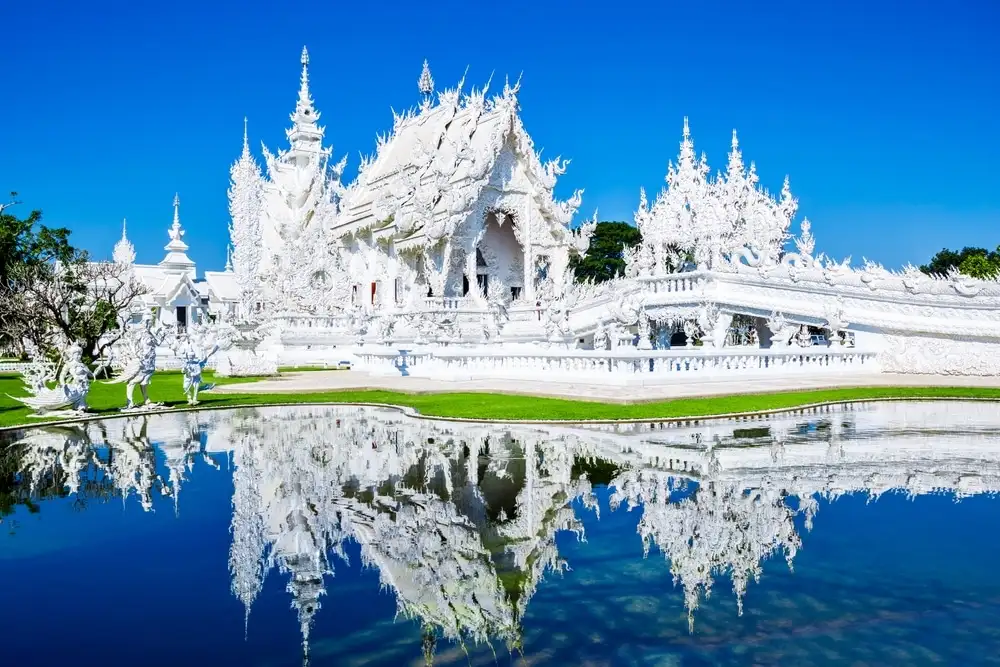
From Chiang Mai, continue north towards Chiang Rai for temples, mountain landscapes and communities close to Thailand’s northern borders.
Travellers looking for a smaller mountain town can continue towards Pai, while longer journeys can explore more remote areas of Northern Thailand.
Frequent flights connect Chiang Mai with Bangkok, Phuket, Krabi and other destinations, making it easy to combine Northern Thailand with a beach stay in the south.
Chiang Mai can also connect naturally with Laos, particularly for longer journeys through Northern Thailand and Luang Prabang.
Explore All Our Tours
Explore Thailand’s best, from lively cities and historic temples to tropical islands and northern landscapes.