Bangkok
Bangkok is a city of temples, markets, river life and modern energy, where historic districts sit alongside contemporary restaurants, galleries and some of Asia’s leading hotels. The Grand Palace and Wat Pho introduce the city’s royal and Buddhist heritage, while the Chao Phraya River and smaller canals reveal another side of daily life. Food is everywhere, from market stalls and family run restaurants to refined Thai dining. Bangkok can feel intense at first, but with the right pace it becomes one of Southeast Asia’s most rewarding cities to explore.

The Character of Bangkok
A city of many different rhythms
Bangkok does not reveal itself all at once.
Around the historic centre, temple roofs rise above old streets and the Chao Phraya River. The Grand Palace, Wat Pho and Wat Arun tell part of the story of Thailand’s royal and Buddhist traditions, while nearby markets, shops and riverside communities show a city that continues to live around them.
Travel only a few kilometres and Bangkok changes completely. Modern towers, shopping districts, contemporary restaurants and rooftop bars create a very different skyline. Small streets may lead to family kitchens, old shop houses or local markets only moments away from some of the city’s newest developments.
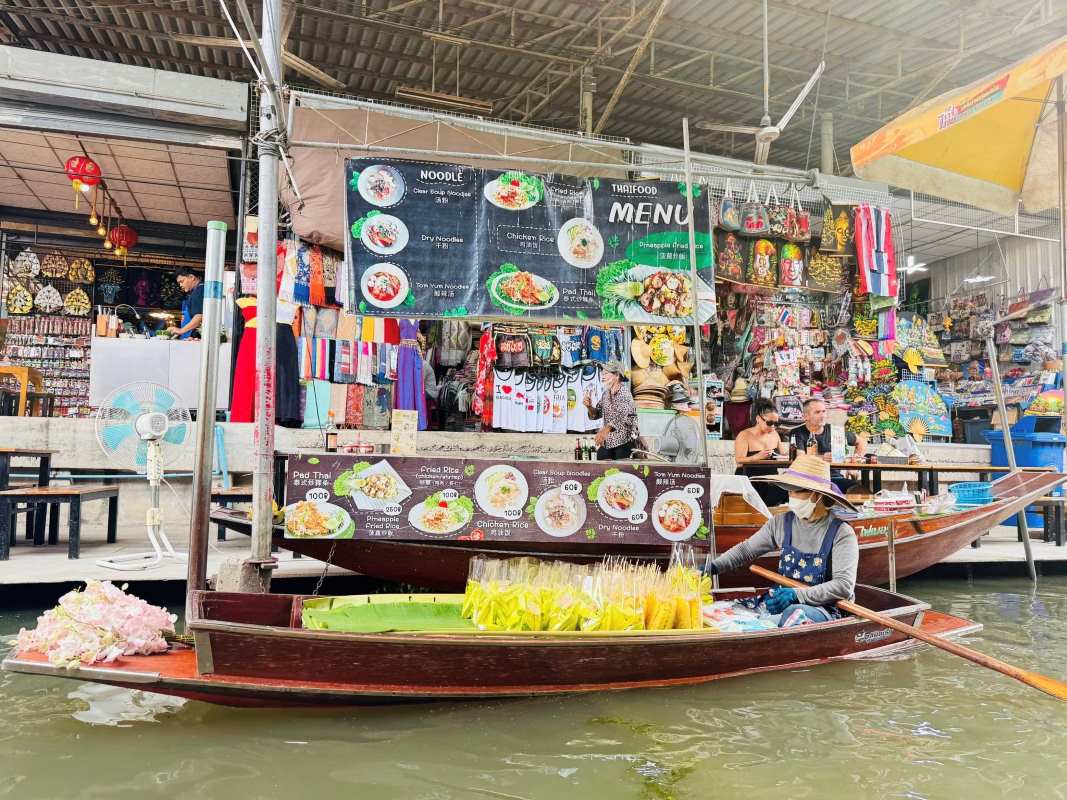
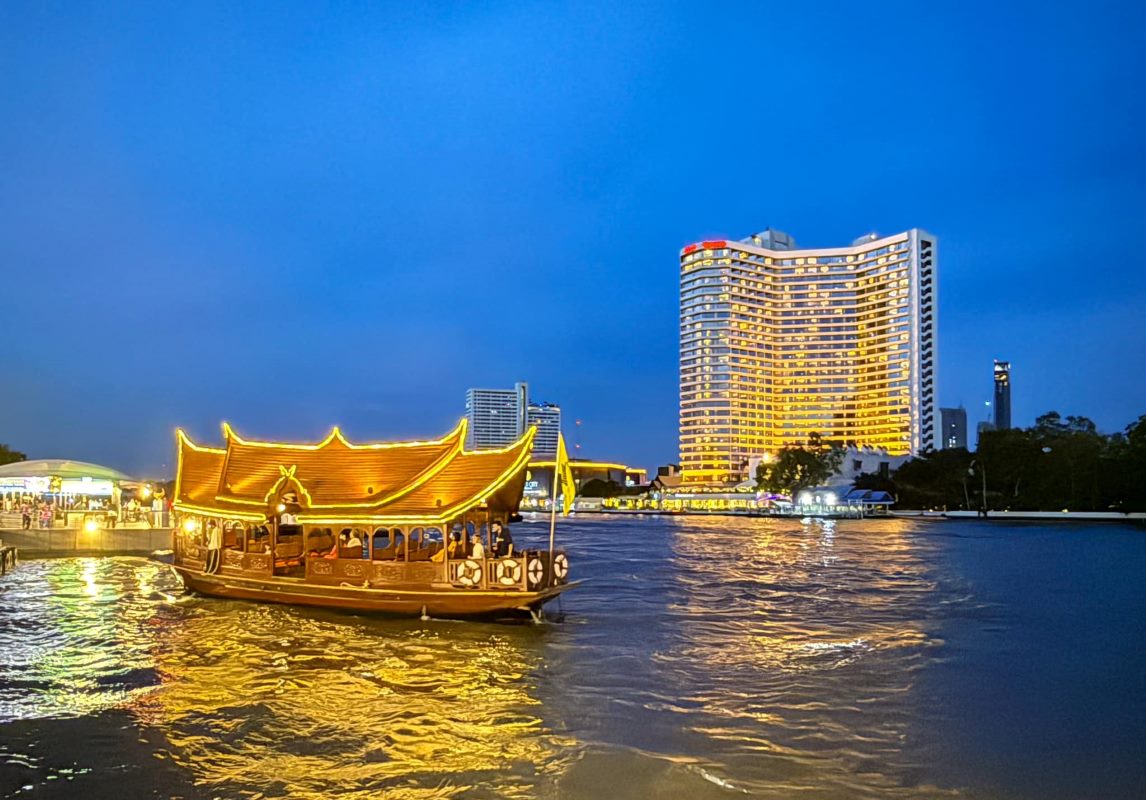
The river remains one of the best ways to understand Bangkok. Public boats, ferries and private vessels move between temples, homes, hotels and commercial areas, while smaller canals offer a glimpse of the city before roads became its main form of transport.
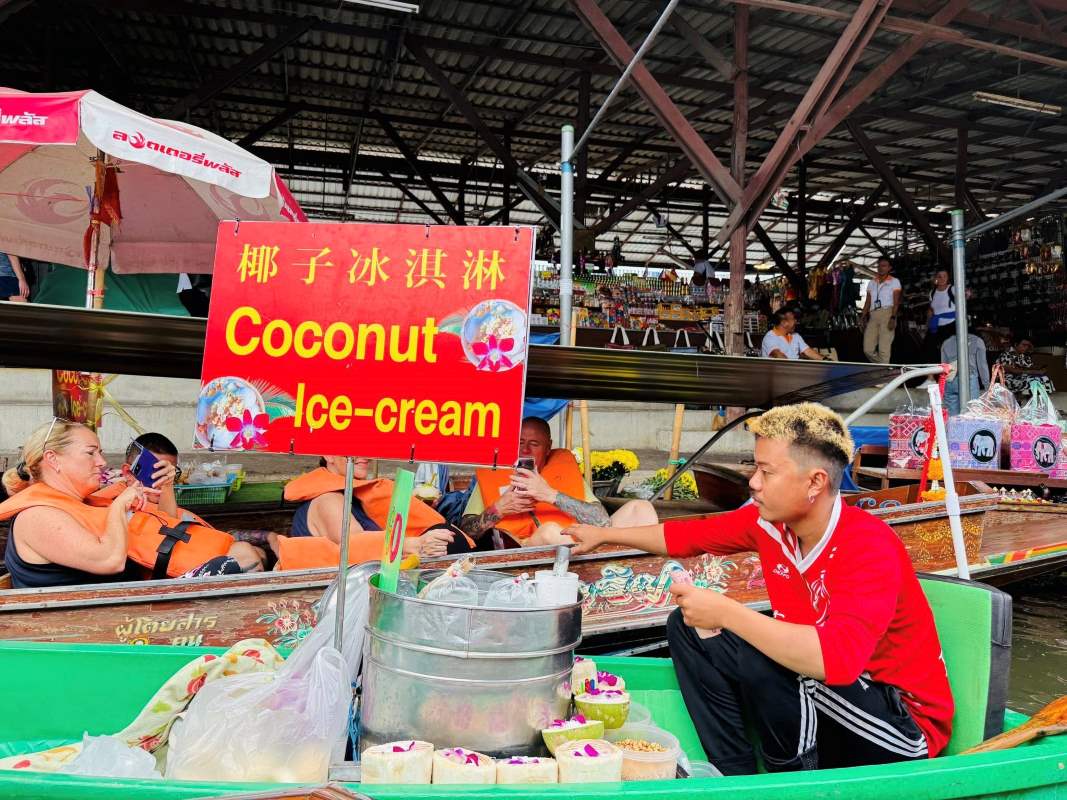
Food connects all of these different parts of Bangkok. A day might include noodles at a local shop, tropical fruit from a market and dinner at one of the city’s leading Thai restaurants.
Bangkok rewards curiosity, but it also rewards good planning. Rather than trying to cross the city repeatedly, we prefer to explore one area properly and leave enough time to enjoy what happens between the major sights.
Why Visit Bangkok
Discover Thailand’s royal heritage
The Grand Palace, Wat Phra Kaew and other historic sites offer an introduction to the monarchy, Buddhism and the development of the Thai capital.
Explore some of Thailand’s most important temples
Wat Pho and Wat Arun are among Bangkok’s best known temples, but smaller religious sites throughout the city can be equally rewarding.
Experience life along the Chao Phraya River
Traveling by boat provides a different perspective on Bangkok and can be far more enjoyable than spending the entire day in city traffic.
Eat exceptionally well
Bangkok brings together regional Thai cooking, street food, traditional family recipes and some of the country’s most creative contemporary restaurants.
See old and new Thailand side by side
Historic architecture, traditional markets and riverside communities exist alongside design hotels, galleries, shopping districts and modern city life.
Begin a wider journey through Thailand
Bangkok connects easily with Chiang Mai, Chiang Rai, Kanchanaburi, Ayutthaya and the islands and beaches of Southern Thailand.
Experiences We Love in Bangkok
• Explore the Grand Palace and Wat Phra Kaew with a knowledgeable local guide.
• Walk through Wat Pho before crossing the river to Wat Arun.
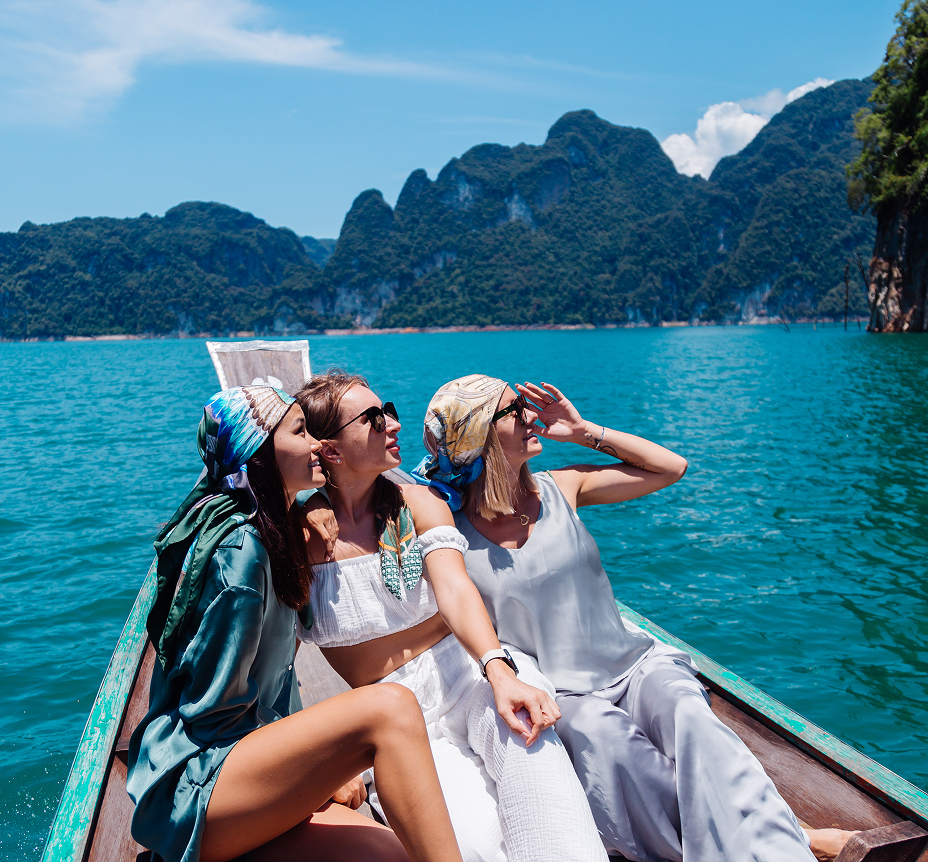
• Travel along the Chao Phraya River by private boat.
• Explore smaller canals and riverside communities away from the busiest roads.
• Discover Bangkok through local food, markets and family run restaurants.
• Spend time in Chinatown as food stalls and restaurants come to life in the evening.
• Visit a fresh market early in the morning.
• Explore one of Bangkok’s creative districts, with galleries, cafés and restored old buildings.
• Enjoy a rooftop drink or dinner overlooking the city after dark.
Bangkok’s Temples and Royal Heritage
Bangkok contains hundreds of temples, but there is no need to visit too many in a single day.
The Grand Palace and Wat Phra Kaew
The Grand Palace was the official residence of Thailand’s kings from the late eighteenth century and remains one of the country’s most important ceremonial sites.
Within the complex, Wat Phra Kaew houses the Emerald Buddha, one of Thailand’s most revered religious images.
The architecture and decoration are highly detailed, so visiting with a local guide helps explain both the symbolism and the role of the complex in Thai history.
Wat Pho
Wat Pho is best known for its enormous reclining Buddha, but the temple grounds contain much more.
Courtyards, stupas and smaller halls make it worth spending time beyond the main image. Wat Pho is also closely associated with traditional Thai medicine and massage.
Wat Arun
Across the Chao Phraya River, Wat Arun rises directly beside the water.
Its central tower is decorated with porcelain and ceramic details, and the temple looks particularly striking when viewed from the opposite riverbank.
The three sites can be combined naturally, but we prefer to allow enough time rather than treating them as rapid photo stops.
Life Along the Chao Phraya River
The Chao Phraya has always been central to Bangkok.
Temples, old settlements, hotels, markets and homes line its banks, while ferries continue to carry people across the city every day.
A private boat allows greater flexibility to explore both the main river and some of the smaller canals that branch away from it.
These waterways provide a quieter contrast to Bangkok’s major roads. Wooden houses, small temples and local communities remain along parts of the canals, offering a view of the city that is easy to miss from a car.
For us, travelling on the river is not simply transportation between attractions. It is one of the experiences that helps Bangkok make sense.
Chinatown and Local Markets
Bangkok’s Chinatown, centred around Yaowarat Road, is one of the city’s most enjoyable areas for food and street life.
By day, surrounding streets are filled with traditional businesses, markets, gold shops and Chinese temples.
In the evening, restaurants and food stalls become the focus.
The wider area is best explored slowly, walking through smaller streets rather than remaining only on the main road.
Bangkok also has markets throughout the city, from fresh produce markets used by local cooks to larger weekend and night markets.
We prefer markets that fit naturally into the day rather than adding one simply because it appears on a sightseeing list.
The Flavours of Bangkok
Bangkok is one of the best places to explore the diversity of Thai food.
You will find familiar dishes such as pad thai, tom yum, green curry and som tam, but the city also brings together cooking from northern, northeastern, central and southern Thailand.
Street food remains an important part of Bangkok’s food culture, alongside family run restaurants that may specialise in only a few dishes.
At the other end of the spectrum, Bangkok has developed an excellent contemporary dining scene, with Thai chefs exploring regional ingredients and traditional recipes in new ways.
For LuxeTravel Asia journeys, we like to combine both.
A casual lunch at a local restaurant and a refined Thai dinner can reveal very different sides of the same food culture.
Beyond the Historic Centre
Bangkok has much more to offer beyond its main temples.
Creative districts around older parts of the city now include galleries, independent shops, cafés and restored warehouses.
Modern Bangkok offers sophisticated restaurants, rooftop bars, shopping and some of Southeast Asia’s leading hotels.
Travellers who have visited Bangkok before may enjoy spending less time on the classic monuments and more time exploring food, contemporary culture or different parts of the city.
This is one of the reasons Bangkok works particularly well for repeat visitors. There is always another side to explore.
Best Time to Visit Bangkok
Bangkok can be visited throughout the year.
November to February generally brings lower humidity and more comfortable temperatures for sightseeing.
March to May is the hottest period, particularly around midday. Early morning visits and a lighter afternoon work well at this time of year.
June to October is the wetter season, with regular tropical showers that often arrive later in the day.
Rain rarely means an entire day is lost, and Bangkok has plenty of indoor experiences that can be included when the weather changes.
How Long to Stay
For most first time visitors, three nights works well.
This gives enough time for the Grand Palace and temples, the river, food and another part of the city without making every day too busy.
Four nights is better for travellers who want a slower pace, additional food experiences or a day trip beyond Bangkok.
Repeat visitors can easily stay longer, particularly when the focus moves away from the classic sightseeing route.
Where to Stay
Bangkok has an enormous range of accommodation, and choosing the right area can make a significant difference.
Riverside
The Chao Phraya River is one of our preferred areas for luxury travellers.
Several of Bangkok’s leading hotels are located here, offering river views, good service and convenient boat access to the historic centre.
Central Bangkok
Areas around Sukhumvit, Sathorn and Silom offer easy access to restaurants, shopping and modern city life.
They work particularly well for travellers who want Bangkok’s contemporary side close at hand.
Historic Areas
Smaller boutique properties closer to the old city can suit travellers who prefer atmosphere and easier access to temples and traditional districts.
For LuxeTravel Asia journeys, we choose the area according to what you want to experience rather than simply selecting the most famous hotel.
Bangkok With LuxeTravel Asia
Bangkok can become tiring when sightseeing is planned without considering distance, traffic and temperature.
We design each day geographically, keeping places that work well together within the same program.
A morning might focus on the Grand Palace, Wat Pho and the river, followed by a relaxed lunch and a free afternoon at the hotel. Another day could explore markets, Chinatown and local food without returning to the major monuments.
Private boats can replace road transfers where they make sense, while private transportation gives us flexibility when travelling further across the city.
Families may prefer shorter temple visits combined with boats and food. Couples might focus more on riverside experiences, contemporary dining and a good hotel. Returning travellers can leave the classic sights behind almost entirely.
Bangkok has more than enough to fill every hour. The better experience is often knowing what to leave out.
Continue Your Journey
From Bangkok, travel north towards Ayutthaya, Chiang Mai and Chiang Rai for history, mountains and Northern Thai culture.
To the west, Kanchanaburi combines river scenery, countryside and important Second World War history.
For a beach extension, frequent flights connect Bangkok with Phuket, Krabi, Koh Samui and other destinations across Southern Thailand.
Bangkok is also one of Southeast Asia’s major international gateways, making it a natural beginning or end to a wider journey through Thailand, Laos, Cambodia and Vietnam.
Explore All Our Tours
Find the Thailand journey that suits your interests, pace and way of traveling.