 Vietnam is a country best understood through experience: sharing a meal with a local family, drifting between limestone islands, walking through ancient streets at dusk or watching the morning mist rise above mountain valleys.
Vietnam offers far more than a collection of famous landmarks. Its true character is found in the moments between destinations: conversations in village homes, the rhythm of a local market, the scent of herbs in a family kitchen and the changing landscapes seen from a quiet country road.
From the mountains of the north to the waterways of the Mekong Delta, every region presents a different way to connect with the country. Some experiences are grand and cinematic. Others are simple, personal and quietly memorable.
Here are 12 unforgettable experiences that reveal the beauty, culture and spirit of Vietnam.
1. Wander Through the Historic Streets of Hanoi
Hanoi is often the first introduction to Vietnam, but it is much more than a gateway to the country.
The capital is a fascinating blend of old neighborhoods, tree lined boulevards, hidden courtyards, colonial architecture and energetic street life. In the Old Quarter, each street seems to carry its own rhythm, shaped by small shops, family businesses, food stalls and generations of local history.
A morning walk may begin beside Hoan Kiem Lake, where residents gather for exercise before the city fully awakens. Later, the streets become filled with motorbikes, market vendors and the aromas of coffee, grilled meat and fresh herbs.
The most rewarding way to experience Hanoi is slowly. Pause at a traditional coffee house, visit a local market, explore historic homes and spend time observing daily life rather than moving only between major sights.
Hanoi does not reveal itself all at once. Its charm is found in layers.
2. Cruise Among the Limestone Islands of Halong Bay
Few landscapes in Vietnam are as immediately recognizable as Halong Bay.
Thousands of limestone formations rise dramatically from the water, creating a seascape of hidden coves, caves and quiet channels. An overnight cruise offers time to appreciate the bay beyond a brief sightseeing visit.
As the vessel moves away from the harbor, the scenery becomes calmer and more expansive. Travelers may kayak through sheltered lagoons, visit natural caves, swim near a small beach or simply relax on deck as the landscape changes with the light.
Evening is often the most atmospheric part of the journey. The bay becomes quieter, the limestone islands fade into silhouettes and the experience feels far removed from the busy mainland.
A carefully selected cruise is essential. The quality of the vessel, route, cabin, service and onboard atmosphere can greatly influence the experience.
3. Walk Through the Rice Terraces of Northern Vietnam
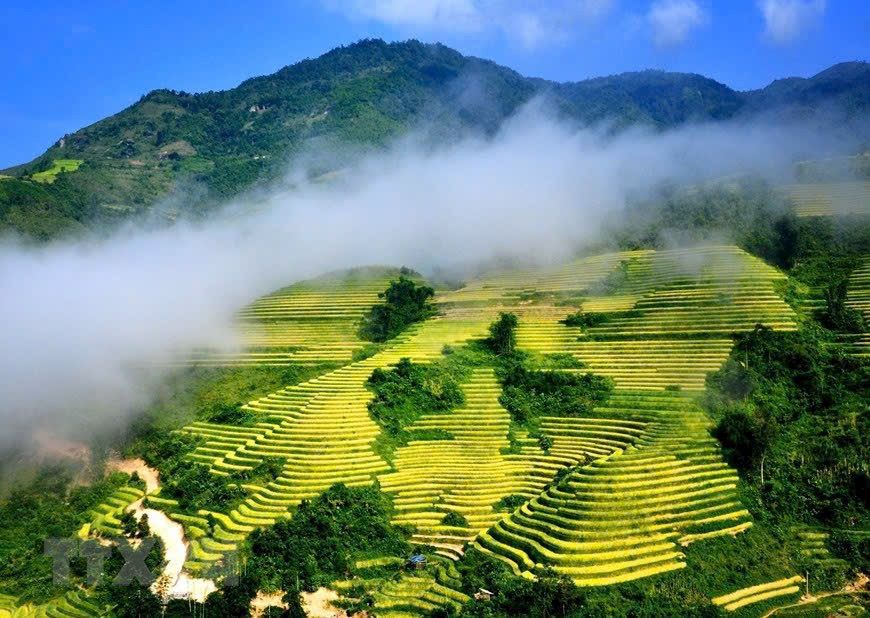
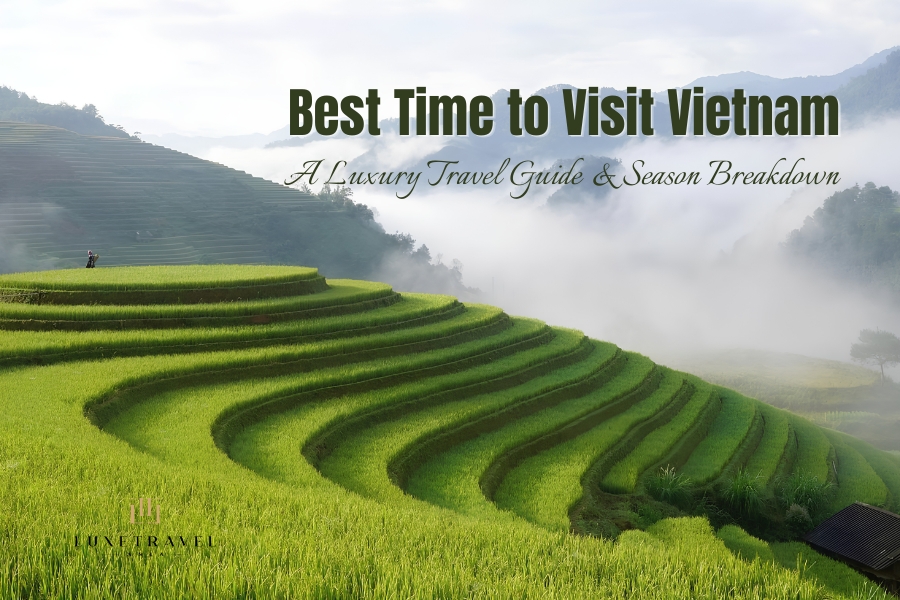
The terraced fields of northern Vietnam are among the country’s most beautiful cultural landscapes.
Created and maintained over generations, the terraces follow the contours of steep mountain slopes and change dramatically with the seasons. They may appear silver during the water season, intensely green during summer and golden as the rice approaches harvest.
Sapa, Mu Cang Chai and parts of Ha Giang each offer a different atmosphere.
Sapa combines accessible trekking routes with mountain scenery and ethnic minority villages. Mu Cang Chai is known for vast, sculpted rice terraces that sweep across the hillsides. Ha Giang offers a more rugged setting, where agricultural valleys lie beneath dramatic limestone peaks.
Walking through these landscapes allows travelers to see more than scenery. It creates opportunities to learn how local communities farm, live and adapt to the mountain environment.
The best experience is not necessarily the longest trek. A thoughtfully chosen route, suitable pace and knowledgeable local guide make the journey far more meaningful.
4. Travel the Mountain Roads of Ha Giang
Ha Giang offers one of the most dramatic road journeys in Southeast Asia.
The route passes through deep valleys, limestone plateaus, mountain passes and remote settlements near Vietnam’s northern border. The scenery can feel vast and otherworldly, particularly around Dong Van, Meo Vac and the Ma Pi Leng Pass.
Yet the beauty of Ha Giang is not limited to its landscapes.
The province is home to numerous ethnic communities, each with distinct clothing, languages, traditions and architectural styles. Village markets, family homes and roadside encounters reveal a way of life shaped by geography, agriculture and long established customs.
A private journey through Ha Giang allows greater control over pace and comfort. Stops can be made at viewpoints, villages and local markets without the pressure of following a rigid group schedule.
The road itself becomes part of the experience.
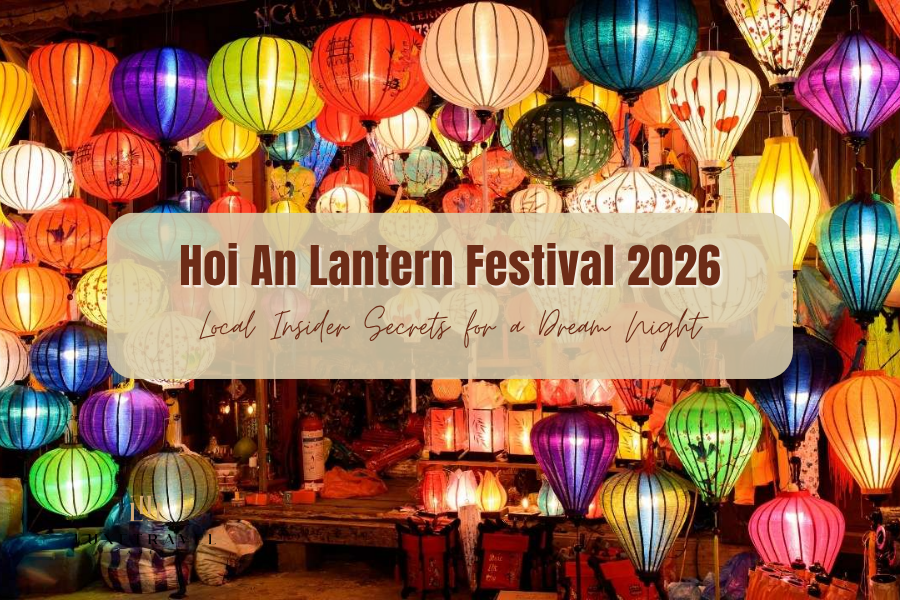
5. Spend an Evening in Lantern Lit Hoi An
Hoi An is one of Vietnam’s most atmospheric destinations.
The historic town reflects centuries of cultural exchange through its merchant houses, assembly halls, temples and riverside buildings. During the day, its ochre colored streets are filled with cafés, tailors, workshops and small galleries.
As evening arrives, lanterns begin to glow above the streets and along the river. The pace softens, boats drift across the water and the town takes on a romantic, almost theatrical quality.
Hoi An is especially rewarding when balanced with experiences beyond the old town. Travelers can cycle through nearby villages, visit traditional workshops, join a cooking experience or spend time beside the coast.
The town is beautiful, but its surroundings make the stay richer.
6. Learn Vietnamese Cooking with a Local Family
Food is one of the most direct ways to understand Vietnamese culture.
A cooking experience becomes far more meaningful when it begins before entering the kitchen. Visiting a local market introduces travelers to the herbs, vegetables, sauces and seasonal ingredients that shape regional cuisine.
In a village home or small cooking space, guests can learn how dishes are balanced through texture, aroma, freshness and flavor. The experience may include preparing spring rolls, mixing dipping sauces, working with rice paper or learning the foundations of a regional speciality.
More important than mastering a recipe is understanding the role food plays in Vietnamese family life.
Meals are rarely only about eating. They are moments of sharing, hospitality and connection.
A small, personal cooking experience often leaves a stronger impression than a formal culinary demonstration.
7. Cycle Through the Countryside
Cycling offers a gentle and immersive way to experience rural Vietnam.
Around Hoi An, Ninh Binh, the Mekong Delta and parts of northern Vietnam, quiet roads pass through rice fields, vegetable gardens, village lanes and riverside communities.
The appeal lies in the pace.
Travelers can stop to speak with farmers, visit family workshops, observe seasonal agricultural work or simply enjoy landscapes that are easily missed from a vehicle.
In Hoi An, a countryside ride may pass through traditional craft villages, coconut palm areas and peaceful farming communities. In Ninh Binh, cycling routes reveal limestone scenery, temples and rural settlements. In the Mekong Delta, narrow paths connect orchards, canals and local homes.
Cycling does not need to be physically demanding. Routes can be adapted to different ages, abilities and travel styles.
The best journeys feel relaxed rather than competitive.
8. Discover Vietnam’s Imperial Heritage in Hue
Hue offers a quieter and more reflective cultural experience than many other Vietnamese cities.
As the former imperial capital, it preserves the legacy of the Nguyen Dynasty through its citadel, royal tombs, temples and historic garden houses. The city’s relationship with the Perfume River adds to its calm and distinctive character.
Exploring the Imperial Citadel provides insight into the structure of royal life, ceremony and governance. Outside the city centre, the emperors’ tombs reveal different personalities through their architecture, gardens and symbolic landscapes.
Hue is also known for its refined cuisine, shaped partly by the traditions of the imperial court.
A visit is most rewarding when there is enough time to appreciate the city’s atmosphere. Rushing between monuments can make Hue feel purely historical, while a slower approach reveals its elegance and emotional depth.
9. Explore the Waterways of the Mekong Delta
The Mekong Delta presents a completely different side of Vietnam.
Here, rivers and canals shape transportation, agriculture, commerce and everyday life. Boats move between villages, orchards and riverside homes, while fertile land supports tropical fruits, rice and local cottage industries.
A private boat journey through smaller waterways offers a more intimate experience than simply visiting the largest towns.
Travelers may stop at a family orchard, visit a small workshop, walk through a riverside community or enjoy lunch in a local home. These moments reveal the Delta as a living region rather than a sightseeing attraction.
The scenery is gentle rather than dramatic, but the experience is deeply atmospheric.
The Mekong Delta is best appreciated through curiosity, conversation and an unhurried pace.
10. Experience the Energy of Ho Chi Minh City
Ho Chi Minh City is Vietnam at its most dynamic.
The city combines historic architecture, modern towers, creative restaurants, traditional markets and constantly changing neighborhoods. It can feel intense at first, but its energy is part of the attraction.
Travelers can explore landmarks connected to Vietnam’s modern history, wander through local markets, discover hidden cafés or experience the city through its food.
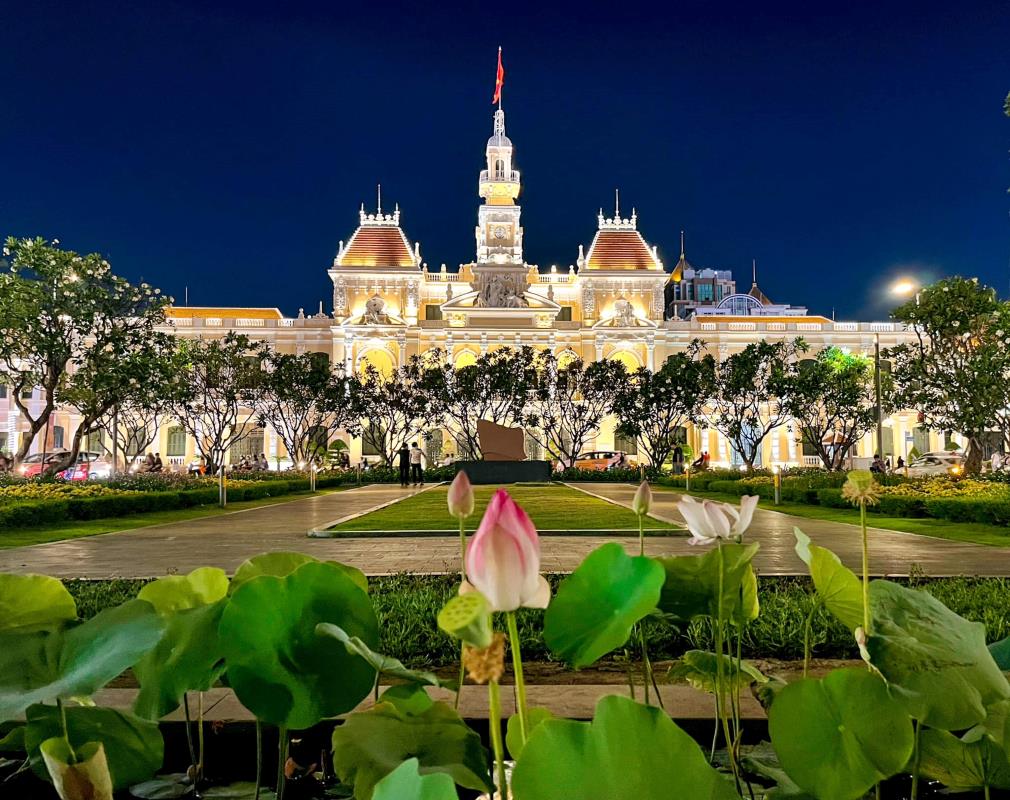
The contrast between old and new is particularly striking. A century old building may stand beside a contemporary hotel, while a quiet alley may open onto one of the city’s busiest streets.
An evening food experience is one of the best ways to understand the city. Local dishes, street side dining and neighborhood stories reveal a more personal side of Saigon.
Ho Chi Minh City is not designed to be observed from a distance. It is a city to enter, taste and experience.
11. Stay in a Remote Village or Mountain Retreat
Some of Vietnam’s most memorable stays are found far from its major cities.
A mountain lodge, countryside retreat or carefully selected village stay can create space to slow down and connect with the surrounding environment.
In northern Vietnam, travelers may wake to mist rising above rice terraces or spend an evening overlooking a quiet valley. In rural areas, local hosts may share meals, stories and insights into traditional customs.
Comfort levels vary widely, so the right choice depends on the traveler.
Some guests prefer a simple but authentic homestay. Others value privacy, quality bedding and modern facilities while still remaining close to local communities. A well chosen eco lodge or boutique retreat can offer both comfort and a strong sense of place.
The goal is not to seek remoteness for its own sake, but to experience Vietnam beyond the usual tourist centre.
12. Share Everyday Moments with Local People
The most unforgettable experience in Vietnam may be the least planned.
It could be a conversation with a market vendor, tea shared in a family home, a guide explaining a childhood memory or a craftsperson demonstrating a skill learned from previous generations.
These moments cannot always be scheduled precisely, but thoughtful travel creates the conditions for them to happen.
Private journeys allow more time for conversation and spontaneity. They make it easier to pause, ask questions and respond naturally to the people and places encountered along the way.
Meaningful travel is not measured only by how many landmarks are visited.
It is shaped by what travelers feel, understand and remember after they return home.
How to Choose the Right Experiences for Your Vietnam Journey
Vietnam offers an enormous variety of experiences, but not every journey should include everything.
The right combination depends on your interests, available time and preferred pace.
First time visitors may wish to combine Hanoi, Halong Bay, Hoi An and Ho Chi Minh City for an introduction to the country’s history, landscapes and regional contrasts.
Nature lovers may prefer the mountains of Ha Giang, the rice terraces of Mu Cang Chai, the limestone scenery of Ninh Binh or the waterways of the Mekong Delta.
Families often benefit from a balance of cultural discovery, interactive activities and relaxation. Couples may value boutique accommodation, scenic cruises, private dining and slower stays in atmospheric destinations.
Travelers with more time can move beyond the most famous places and explore remote landscapes, smaller towns and regional traditions.
A memorable itinerary is not necessarily the busiest one. It is the journey in which each experience feels purposeful.
How Many Days Do You Need in Vietnam?
A journey of 10 to 14 days allows travelers to experience several of Vietnam’s major regions at a comfortable pace.
With seven to nine days, it is usually better to concentrate on one or two regions rather than attempt to cover the entire country.
A journey of 15 days or more allows greater variety, slower travel and the inclusion of mountain areas, rural experiences or beach relaxation.
Vietnam’s geography means travel times should always be considered carefully. Domestic flights can connect distant regions, but frequent changes of hotel may reduce the sense of connection to each destination.
The best itineraries balance discovery with enough time to enjoy where you are.
The Value of Travelling Privately
Many of Vietnam’s most rewarding experiences become more meaningful through private travel.
A private journey allows activities to be adjusted to your pace, interests and energy level. Time can be spent in places that feel important, while less relevant visits can be shortened or removed.
It also makes it easier to include small scale experiences, carefully selected guides and accommodations that reflect individual preferences.
For families, couples and private groups, this flexibility creates a more comfortable and personal way to explore Vietnam.
The result is not simply a smoother holiday. It is a journey that feels genuinely your own.
Discover Vietnam with LuxeTravel Asia
At LuxeTravel Asia, we design private journeys that bring together Vietnam’s celebrated highlights and its quieter, more personal experiences.
Our travel designers consider your interests, preferred pace, travel season and expectations of comfort before creating each itinerary. We work with local guides, carefully selected accommodation and trusted partners to make every stage of the journey feel seamless.
Whether you dream of walking through golden rice terraces, sharing a meal with a local family, cruising through Halong Bay or discovering the cultural heritage of Vietnam’s ancient cities, we can shape these experiences into a journey designed around you.
The most memorable journeys are not defined by how far you travel.
They are defined by how deeply you connect.
Start Planning Your Vietnam Journey
Discover Vietnam through a private itinerary created around the experiences that inspire you most.
Speak with LuxeTravel Asia and begin planning a tailor made journey filled with culture, nature, local connection and unforgettable moments.