


Laos

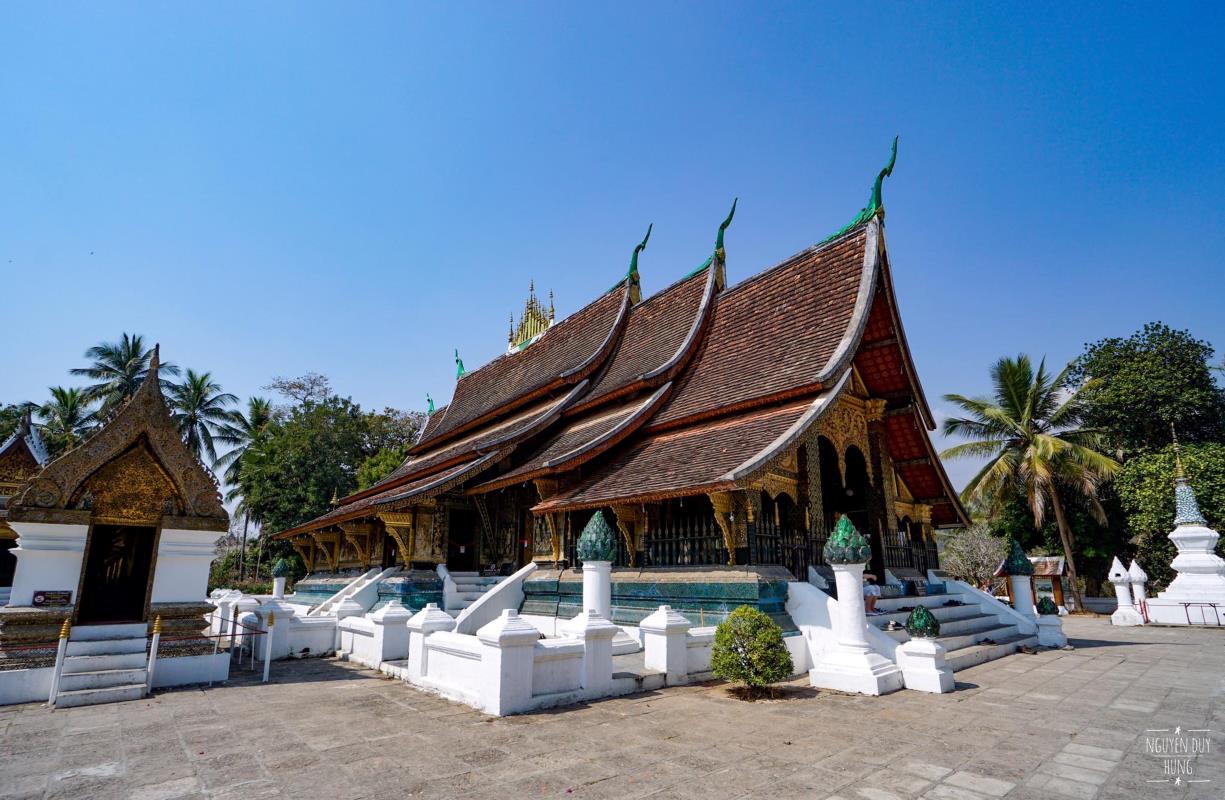
The Timeless Beauty - Wat Xieng Thong In Luang Prabang
The Sleeping Beauty of Southeast Asia

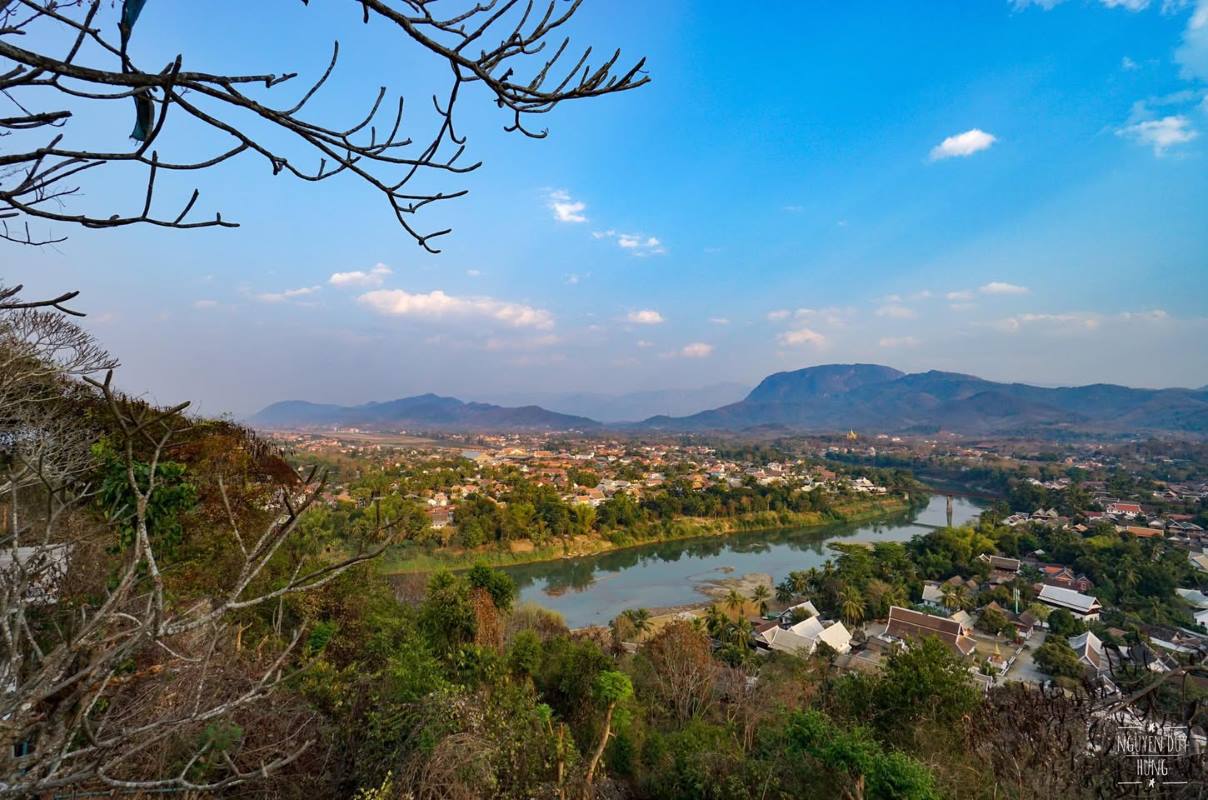
The Breathtaking Beauty Of Luang Prabang On Luang Prabang TourTucked away from the bustle of modern tourism, the Republic of Laos remains one of Southeast Asia’s most untouched gems. Decades of isolation have preserved its authenticity, making it an ideal retreat for nature lovers and cultural explorers. Life moves at a slower, more soulful pace here, especially in Vientiane, the world’s most laid-back capital.

Laos is embracing a green approach to development, striving to protect its pristine environment and rich biodiversity. Whether you’re drifting along the tranquil Mekong River or exploring dense jungles and hidden villages, the sense of escape is profound.

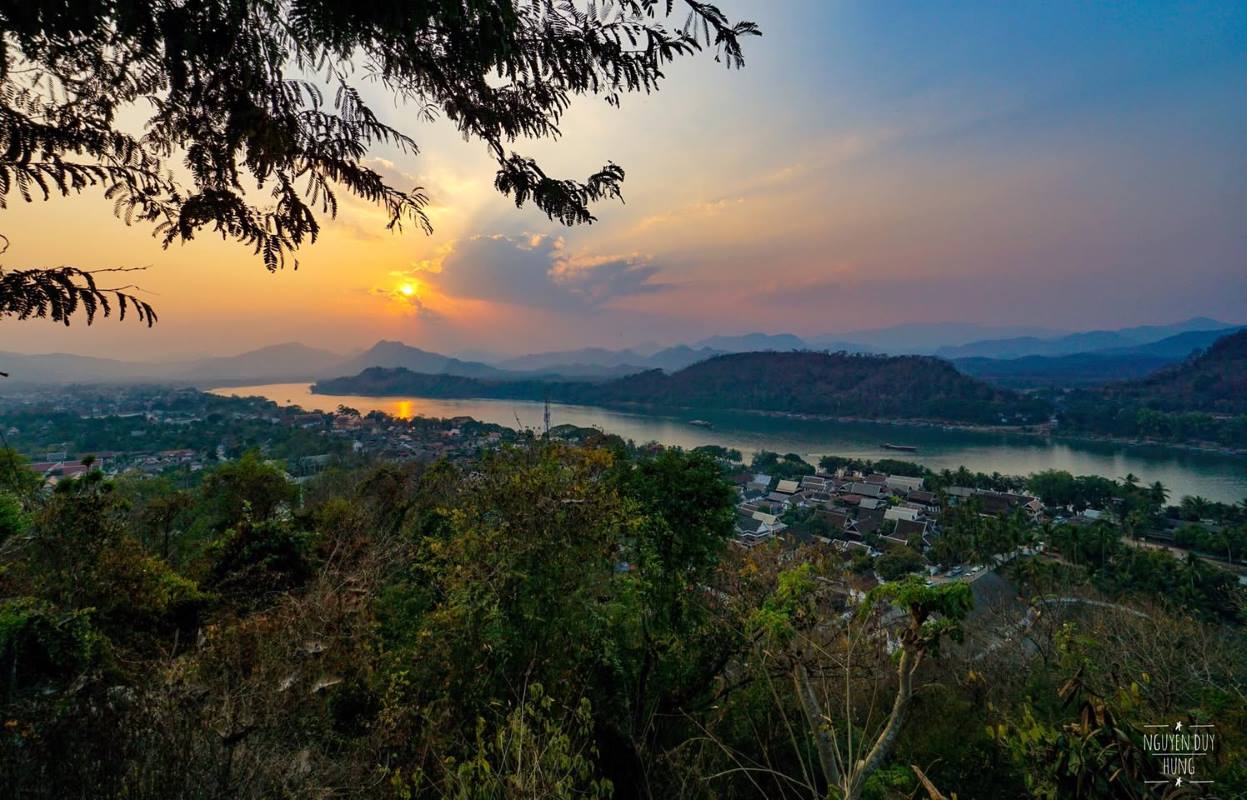
This land of Buddhist heritage offers serene beauty and spiritual depth. In Luang Prabang, a UNESCO World Heritage site, saffron-robed monks wander through ancient temples, and colonial charm blends seamlessly with sacred tradition. Even in a country that was once the most heavily bombed in the world, healing and harmony prevail.

At LuxeTravel Asia, our Laos specialists have traveled extensively throughout the country, handpicking the finest accommodations, activities, and hidden gems. Let us craft a personalized journey that captures the essence of Laos.

Top Highlights of Laos
Luang Prabang – A UNESCO World Heritage town known for its stunning temples, French architecture, and peaceful riverside charm
The Mekong River – Flowing the length of the country, the Mekong offers scenic cruises through remote landscapes untouched by time
Plain of Jars – A mysterious archaeological site with hundreds of ancient stone jars scattered across the countryside

236.800
Total Area (Km2)
7.9
Population (Milion)
7
Cities
3
World Heritages
49
Ethnic Minorities
Sea Islands
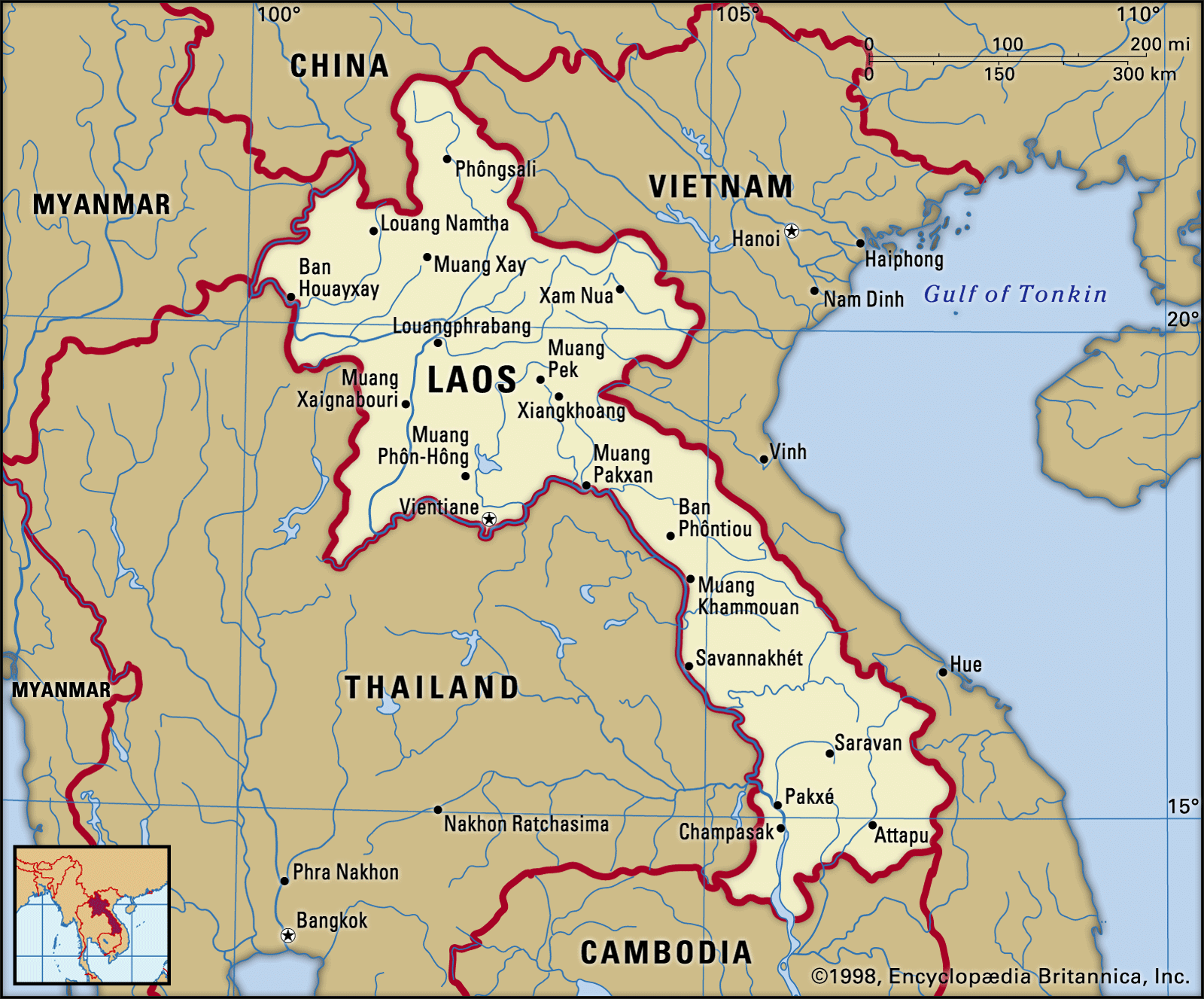
Laos - MAP
When To Go & Weather
The best time to visit Laos is between November and March. During this time the country experiences the least amount of rainfall without becoming too hot. Laos has two distinct seasons – wet and dry.The dry season runs from November to April. November to February is cooler while March and April are blisteringly hot, with April being the hottest month.The wet season runs from May to October, though it may start a little early in a couple of Laos’ northern provinces. August is the wettest month.
Region
1Jan
2Feb
3Mar
4Apr
5May
6Jun
7Jul
8Aug
9Sep
10Oct
11Nov
12Dec
Vientain
Luang Prabang
Champasak
Nong Khiaw
Vang Vieng
Pleasant weather, no rainPleasant weather, no rain
High heat and humidityHigh heat and humidity
Tropical climate, possible intermittent rainTropical climate, possible intermittent rain
Tropical climate, high chances of rainTropical climate, high chances of rain
Possible risk of typhoons and stormsPossible risk of typhoons and storms
Cool to cold temperature (at night)Cool to cold temperature (at night)
Laos Travel Packages
Often overlooked in favor of its more famous neighbors, the landlocked nation of Laos remains one of Southeast Asia’s most enchanting and authentic destinations. Shaped by a turbulent history, caught in the crossfire of two Indochina wars and isolated from the global stage for decades. Laos has preserved a rare sense of timelessness. Its unhurried pace, traditional lifestyle, and warm-hearted people, known for their extraordinary friendliness even by Asian standards, make every visit deeply rewarding. Whether you are exploring serene temples, cruising along the Mekong River, or wandering through ancient towns like Luang Prabang, Laos offers a glimpse into a simpler way of life. For a truly unforgettable journey, we highly recommend combining your Laos holiday with Vietnam and Cambodia, creating a rich and seamless Indochina adventure.
Best Of Thailand – Laos – Vietnam – Cambodia – 33 Days
The White Temple - Chiang Rai - Thailand., The Blue Temple - Chiang Rai - Thailand, Bakbeng - Luang Prabang - Laos, ...
5.0 Excellent Tour- 15 Reviews
0000$
0000$
View tour
Essential Of Laos Tours – 6 Days
Patuxai Monument - A Landmark Symbol Of Vientiane - Laos, The Breathtaking Beauty Of Vang Vieng, Inside Chang Cave In Vang Vieng - Laos, ...
5.0 Excellent Tour- 50 Reviews
000$
000$
View tour
Highlights Of Lao Tour – 4 Days
Vientaine, Wat Xieng Thong, Wat Sop, ...
5.0 Excellent Tour- 23 Reviews
000$
000$
View tour
Laos Tour Package Adventure – 12 Days
Royal Palace Museum, Wat Xieng Thong, Pak Ou Caves - Luang Prabang, ...
000$
000$
View tour
Laos Packaged Tour At A Glance – 7 Days
Vientiane, Pha That Luang - Vientiane, Chang Cave - Vang Vieng, ...
5.0 Excellent Tour- 37 Reviews
000$
000$
View tour
Luang Prabang Tour Highlights – 3 Days
Luang Prabang, Pak Ou Cave - Luang Prabang, Mekong River - Luang Prabang, ...
5.0 Excellent Tour- 75 Reviews
000$
000$
View tour
Capital City Of Laos

Vientiane, the capital and largest city of Laos, lies peacefully along the banks of the Mekong River near the Thai border. Covering an area of about 3,920 km², the city is home to approximately 840,940 residents as of the 2023 census.

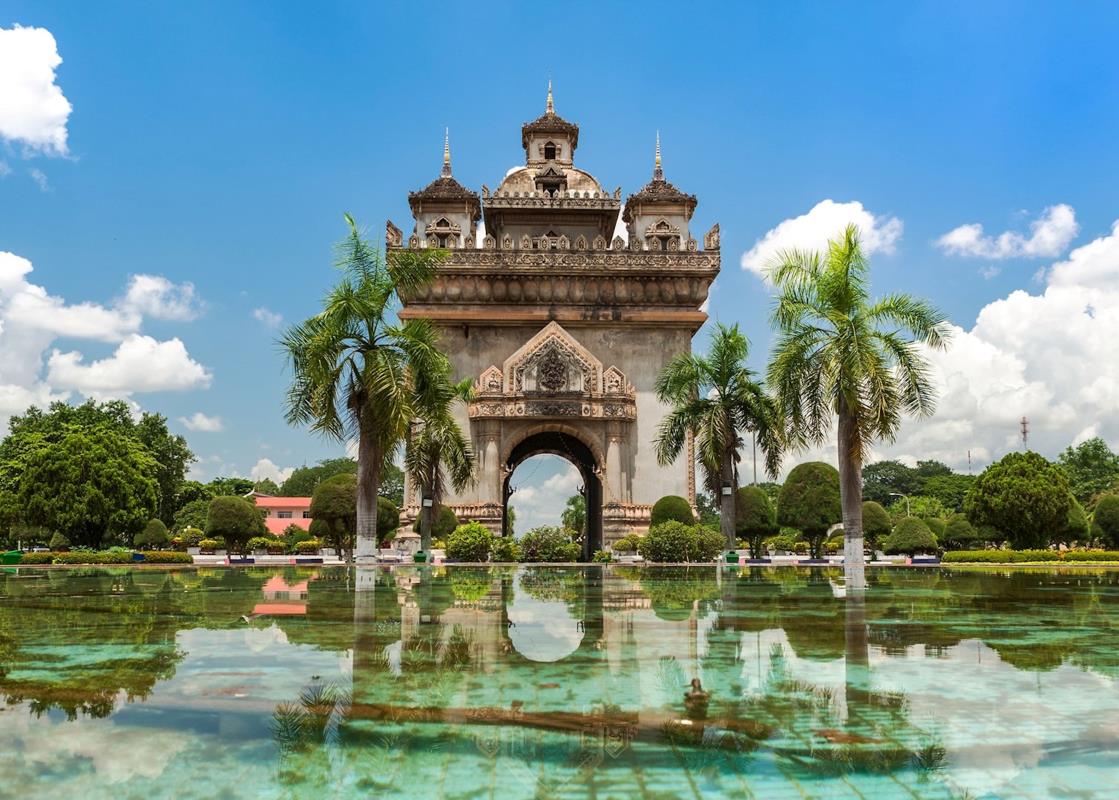
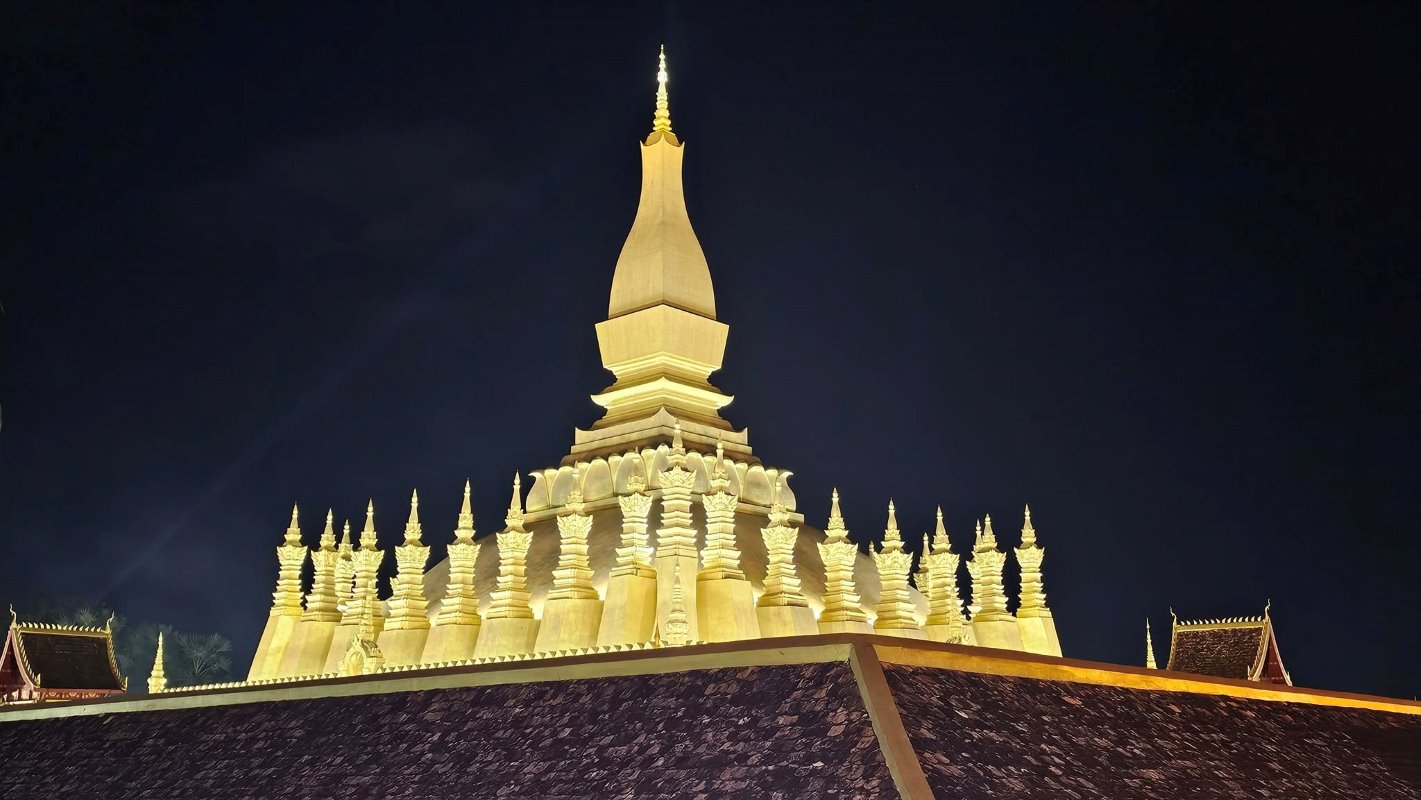
Unlike the bustling capitals of the region, Vientiane exudes a relaxed charm, with wide, tree‑lined boulevards, well-preserved French colonial buildings, and majestic golden Buddhist temples. Visitors are drawn to iconic landmarks such as Pha That Luang, the nation’s symbol; the charming Wat Sisaket; the striking Patuxai Victory Monument; and the reflective COPE Visitor Centre, spotlighting the city’s war‑era history .

Even though it serves as the political, economic, and transportation hub of Laos, Vientiane retains the feel of a provincial town. As evening falls, the Mekong riverside becomes a gathering spot to savor street food, shop at the night market, or simply watch the sunset. With a pace that slows to match the flow of the Mekong, Vientiane offers an authentic and tranquil introduction to Laos.

Its location makes it an ideal gateway for exploring more of Laos, or for combining with travels in Vietnam and Cambodia to experience the best of Indochina.

Currency Of Laos

The official currency of Laos is the Lao Kip, abbreviated as LAK.

While the Kip is used for most local transactions, in many tourist areas and larger cities like Vientiane or Luang Prabang, U.S. dollars and Thai baht are also widely accepted. However, it’s still advisable to carry Kip for smaller purchases, especially in rural areas.

Languages Of Laos

The official language of Laos is Lao (Lao Loum), which is spoken by the majority of the population and used in government, education, and media.

In addition to Lao, the country is home to over 80 ethnic groups, many of whom speak their own languages and dialects. Commonly spoken minority languages include Khmu, Hmong, and various Mon-Khmer and Tibeto-Burman languages.

In major cities and tourist areas, English is increasingly spoken, especially among younger people and those working in the tourism sector. French, a legacy of colonial rule, is still used by some older generations and in certain official contexts.

Religions Of Laos

The main religion in Laos is Theravada Buddhism, practiced by about two-thirds of the population. It plays a central role in Lao culture and daily life, with thousands of temples (called wats) across the country and many young men temporarily becoming monks as a rite of passage.

In addition to Buddhism:

  • Animism and traditional spirit worship are still practiced, especially among the country’s many ethnic minority groups. These beliefs often involve rituals to honor spirits (phi) of nature, ancestors, and villages.

  • A small percentage of the population follows Christianity and Islam, primarily among certain minority communities.

Religious freedom is protected by law in Laos, though the practice of some minority religions is subject to government regulation.

Cultures & Traditions Of Laos

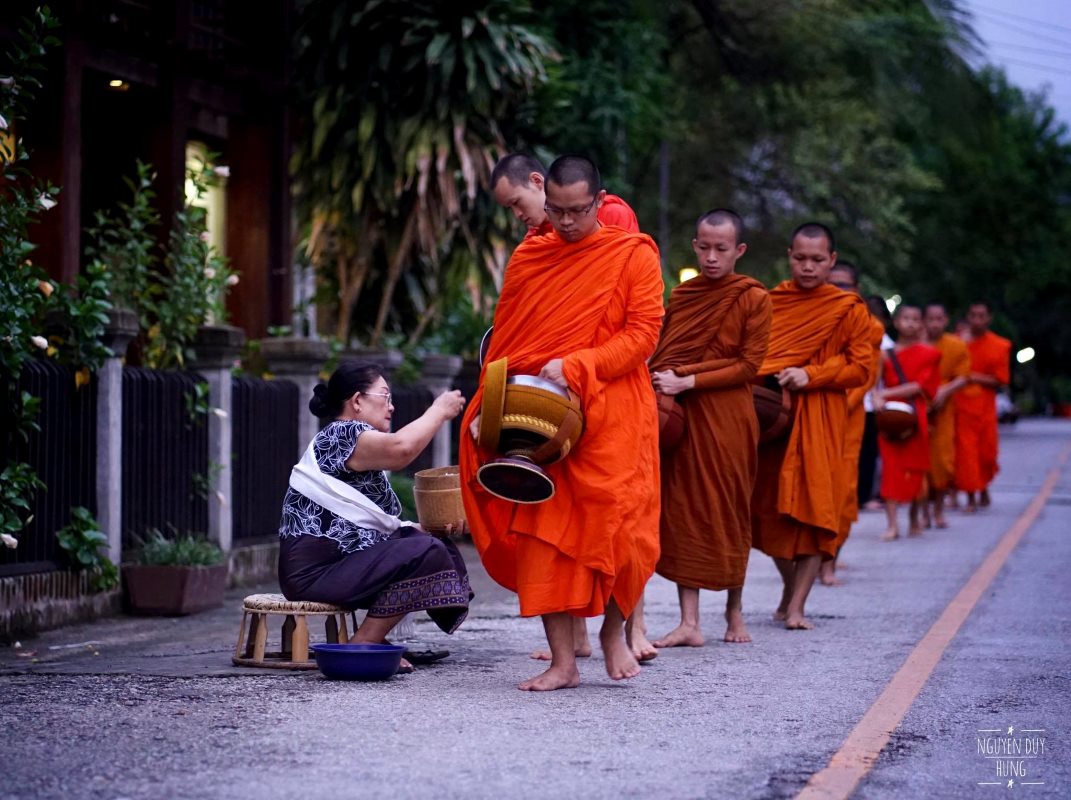
Laos is a culturally rich and deeply spiritual country, shaped by centuries of Theravada Buddhism, ethnic diversity, and close-knit community life. The Lao people are known for their gentle manners, humility, and warm hospitality. One of the most iconic traditions is the daily alms-giving ceremony (Tak Bat), where locals offer food to Buddhist monks in saffron robes at dawn, a peaceful, sacred ritual seen especially in Luang Prabang.

Family and village ties are central to Lao life, with festivals and ceremonies often involving the whole community. The Baci ceremony is a common cultural practice, used to celebrate life events such as weddings, births, and farewells, where strings are tied around a person’s wrist to preserve spiritual well-being and good luck.

Traditional Lao arts are expressed through silk weaving, dance, and folk music, especially with the khene, a bamboo mouth organ. Major festivals like Pi Mai (Lao New Year) are celebrated with water splashing, music, and temple visits.

With over 80 ethnic groups, Laos is a mosaic of cultures, each with its own customs, clothing, and spiritual practices, all contributing to the country’s unique and enduring cultural identity.

Festivals & Events In Laos

Laos is a land of vibrant festivals, most of which are rooted in Buddhism and the agricultural calendar. These celebrations offer visitors a unique glimpse into Lao spirituality, community life, and joyful traditions.

1. Pi Mai (Lao New Year) – Celebrated in mid-April, Pi Mai is the biggest and most popular festival in Laos. Lasting for several days, it involves water fights in the streets, cleansing rituals at temples, sand stupa building, and cultural performances. Luang Prabang is especially famous for its colorful Pi Mai festivities.

2. That Luang Festival (Boun That Luang) – Held in November in Vientiane, this is one of the country’s most important religious festivals. Thousands of pilgrims gather at That Luang Stupa, Laos’ most sacred monument, to offer alms, light candles, and take part in parades and traditional dancing.

3. Boat Racing Festivals (Boun Suang Heua) – Taking place in many riverside towns between August and October, these lively festivals mark the end of Buddhist Lent and the rainy season. Longboats with dozens of rowers compete while crowds cheer from the riverbanks.

Other notable events include Boun Bang Fai (Rocket Festival) to encourage rainfall, and Hmong New Year, celebrated by the Hmong ethnic minority with music, dance, and traditional games.

Health & Safety In Laos

Laos is generally a safe and welcoming country for travelers, but as with any international destination, it’s important to take basic precautions to ensure a healthy and trouble-free trip.

Health Tips:

  • Vaccinations: It’s recommended to be up to date on routine vaccines, and consider additional ones such as Hepatitis A, Typhoid, and Japanese Encephalitis, especially if visiting rural areas.

  • Food & Water Safety: Stick to bottled or purified water. Enjoy street food but choose stalls that are busy and serve freshly cooked dishes.

  • Healthcare: Major cities like Vientiane and Luang Prabang have hospitals and international clinics, but facilities in rural areas can be limited. Travel insurance that includes medical evacuation is strongly advised.

Safety Tips:

  • Personal Safety: Laos is generally peaceful, with low crime rates. Petty theft like bag-snatching or pickpocketing can occur in tourist areas, so keep valuables secure.

  • Transportation: Road conditions can be poor, especially during the rainy season. Be cautious when riding motorbikes or using local transport.

  • Adventure Activities: Always choose reputable operators for trekking, tubing, or boating, and follow safety instructions closely.

Respecting local customs and dressing modestly in temples also helps ensure a respectful and positive travel experience.

Post & Communication Of Laos

Communication in Laos has improved significantly in recent years, especially in major cities and tourist areas. However, some rural regions still have limited access.

Postal Services:
The Lao postal system is relatively reliable for sending postcards and letters, especially from Vientiane or Luang Prabang. However, delivery can be slow—international mail may take 2–3 weeks. For faster or more secure shipping, international courier services like DHL or FedEx operate in larger cities.

Internet & Wi-Fi:
Wi-Fi is widely available in hotels, cafes, and restaurants in major tourist destinations. Speeds may vary, but it’s usually sufficient for browsing and communication. In rural areas, connections can be slow or unavailable.

Mobile & SIM Cards:
Local SIM cards are affordable and easy to buy at the airport or in town. Popular providers include Unitel, Lao Telecom, and Beeline. With a local SIM and data package, you can enjoy good coverage in most populated areas.

Calling & Messaging:
For international calls, use country code +856. Many travelers prefer to use internet-based apps like WhatsApp, Messenger, or Viber for easier communication.

It’s advisable to download offline maps and translation apps when visiting remote regions.

Travel Formalities Of Laos

Traveling to Laos is relatively easy for most tourists, but understanding entry requirements is essential for a smooth journey.

Visa Requirements:

  • Visa on Arrival (VOA): Citizens of many countries can obtain a visa on arrival at major international airports (Vientiane, Luang Prabang, Pakse) and certain land borders. This visa is typically valid for 30 days and requires:

    • A passport valid for at least 6 months

    • One passport-sized photo

    • A fee (approximately USD 30–45 depending on nationality)

  • E-Visa: Travelers from eligible countries can apply online for an e-visa through the official Lao government website. This offers a convenient alternative to VOA.

  • Visa Exemption: Some ASEAN and selected countries have visa-free access for 14 to 30 days.

Entry Points:
Laos has several international airports and land border crossings with Thailand, Vietnam, Cambodia, China, and Myanmar. Be sure to check which entry points accept visas on arrival or e-visas.

Customs & Immigration:
Upon entry, travelers must complete an arrival form. Declare any valuable items, large amounts of cash, or restricted goods. Importing or exporting antiques, religious artifacts, or wildlife products is strictly prohibited.

Important Tip: Always check the latest visa policy and entry updates from official Lao embassy or government sources before traveling.

FAQs
1. What is included in your Laos tour packages?

Our Laos tour packages typically include:

  • Handpicked hotels (3–5 stars or boutique luxury)

  • Private English-speaking guides

  • All entrance fees to attractions

  • Private transportation throughout the itinerary

  • Domestic flight arrangements (if required)

  • Daily breakfast and optional meal upgrades

  • Airport pick-up and drop-off

  • 24/7 on-ground support from our Laos travel team

2. Do you offer customizable Laos itineraries?

Yes, all our Laos tours are fully customizable. Whether you prefer culture, nature, adventure, temples, or slow-travel experiences, we tailor your itinerary based on your interests, travel dates, and budget.

3. What are the must-visit destinations in Laos?

Popular destinations include:

  • Luang Prabang: Temples, Kuang Si Waterfalls, night market

  • Vientiane: Patuxai, Buddha Park, Mekong riverside

  • Vang Vieng: Limestone mountains, blue lagoons, outdoor activities

  • Pakse & the 4000 Islands (Si Phan Don): Waterfalls, islands, rural life

  • Plain of Jars: UNESCO archaeological site

We can also include off-the-beaten-path experiences depending on your travel style.

4. Do I need a visa to visit Laos?

Most travelers require a visa, which can usually be obtained through:

  • e-Visa online application, or

  • Visa on Arrival at major airports and some land borders

Visa requirements vary by nationality, so we provide personalized guidance when you book with us.

5. When is the best time to visit Laos?

The best time to visit is generally November to April, during the cool and dry season.
The green season (May–October) brings lush landscapes, fewer crowds, and excellent photography opportunities.

6. Are English-speaking guides available?

Yes. All LuxeTravel Asia tours include licensed English-speaking guides who specialize in Laos history, culture, and nature.

7. Is Laos family-friendly?

Absolutely. Laos is peaceful, safe, and ideal for families. We can include gentle activities like waterfall visits, riverboat trips, cooking classes, and cultural workshops.

8. What type of transportation is used on the tours?

Depending on the itinerary, transportation may include:

  • Private air-conditioned vehicles

  • Domestic flights

  • Scenic river cruises on the Mekong

  • Electric carts or bicycles in heritage zones

Comfort and safety are always prioritized.

9. Is Laos safe for travelers?

Laos is considered one of the safest and most peaceful countries in Southeast Asia.
You’ll have 24/7 support from LuxeTravel Asia throughout your trip.

10. Can I combine Laos with Vietnam, Cambodia, or Thailand?

Yes, Laos is perfect for multi-country Indochina tours.
We can design seamless combinations such as:

  • Vietnam + Laos

  • Laos + Cambodia

  • Thailand + Laos

  • Vietnam + Laos + Cambodia

All transfers, flights, visas, and logistics are handled for you.

11. What should I pack for a trip to Laos?

Recommended essentials:

  • Lightweight, breathable clothing

  • Comfortable walking shoes

  • Modest attire for temples

  • Sun protection (hat, sunscreen, sunglasses)

  • Light jacket for cool mornings (Nov–Jan)

  • Insect repellent

12. How do I book a Laos tour with LuxeTravel Asia?

Simply contact us via email, WhatsApp, or our website form.
Our travel experts will design your itinerary, finalize accommodations, and arrange all services with secure online payment.

Our Esteemed Partners