Cambodia

Beyond Angkor Temples
Discover Timeless Cambodia

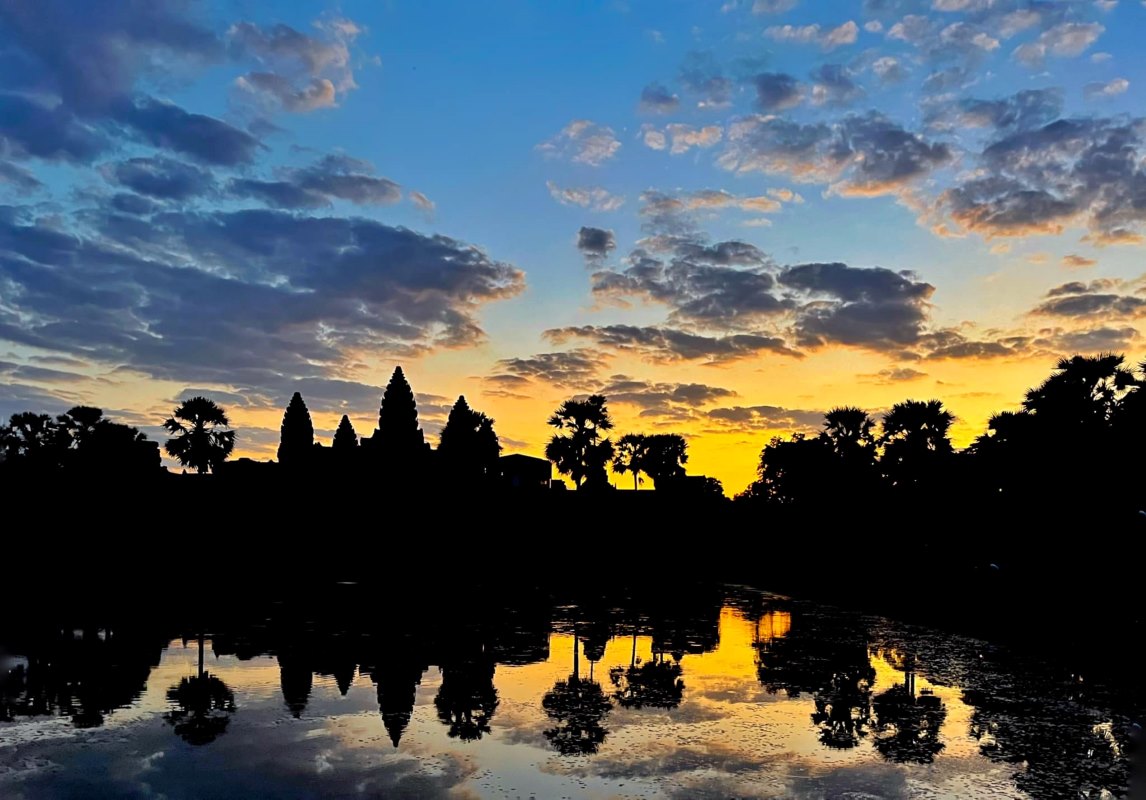
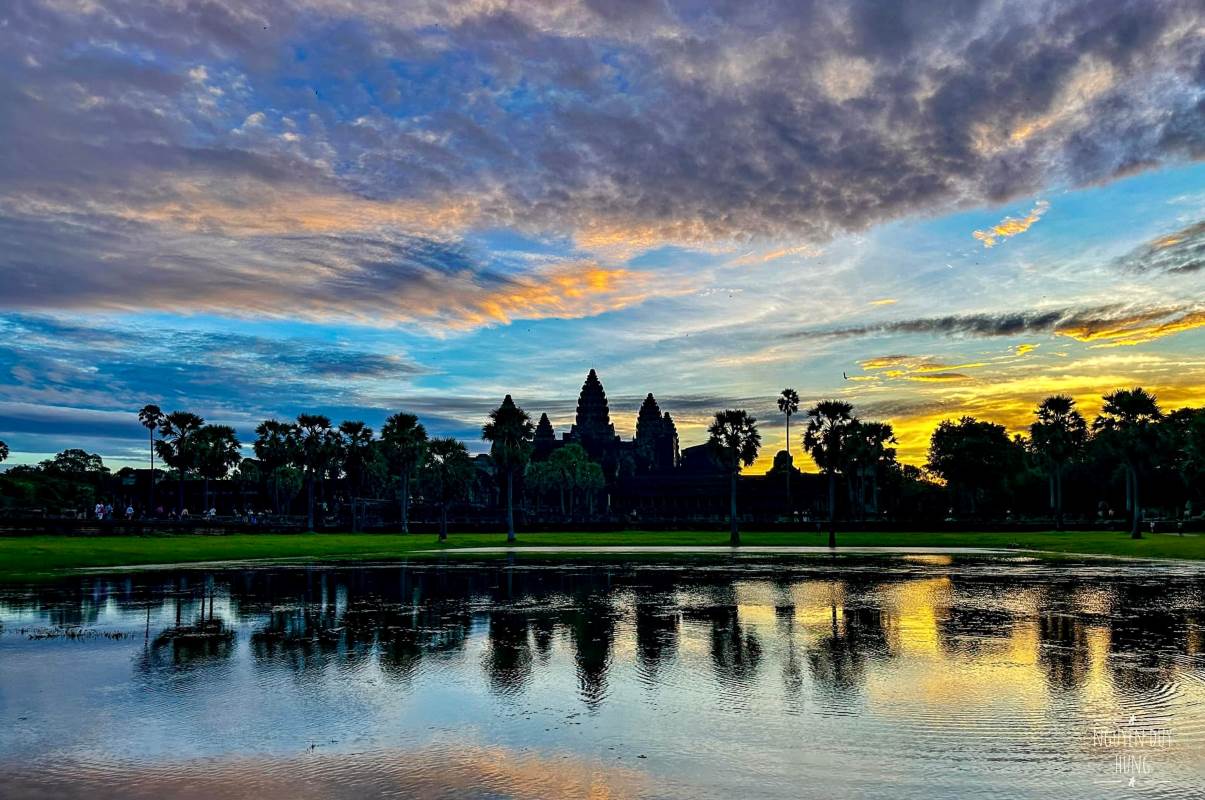
Discover Timeless Cambodia where ancient history and authentic charm come together. Begin your journey at the awe-inspiring Angkor Wat, the world’s largest religious monument and a symbol of Khmer brilliance. Let the roots of nature and time embrace you at Ta Prohm, and admire the intricate pink sandstone carvings of Banteay Srei. In Siem Reap, experience local culture through vibrant night markets, traditional Apsara dance, and flavorful street food.

Travel south to Phnom Penh, where the grandeur of the Royal Palace contrasts with the somber reflections at the Killing Fields and Tuol Sleng Museum – a reminder of Cambodia’s resilience. Drift along the Tonle Sap Lake, meeting floating villages that reflect a way of life tied to the water.

For nature and relaxation, the pristine beaches of Koh Rong and Koh Rong Samloem offer crystal-clear waters and tropical serenity. Or explore the colonial beauty and artistic soul of Battambang, a quiet city with hidden gems.

Whether you seek history, nature, or connection, Cambodia offers timeless stories waiting to be discovered deeply moving, beautifully enduring.

181.035
Total Area (Km2)
17.2
Population (Million People)
24
Cities
3
World Heritages
24
Ethnic Minorities
60
Sea Islands
Cambodia - MAP
Cambodia’s Weather & Best Time to Visit

Best Time to Visit Cambodia The best time to visit Cambodia is from November to March, when the country enjoys its most pleasant weather. During this period, rainfall is minimal, and temperatures remain relatively moderate—making it ideal for sightseeing and outdoor activities.Cambodia experiences a tropical monsoon climate with two distinct seasons: hot and dry, and hot and wet. If you're not used to tropical conditions, be prepared for consistently warm and often humid weather throughout the year.☀️ Dry Season: November to April Driven by the northeast monsoon, the dry season is characterized by clear skies and minimal rainfall.November to January: Cooler and more comfortable; ideal for exploring temples and countryside.November is typically the coolest month of the year.February to April: Hot and dry, with increasing dust levels, especially in rural areas.April is the hottest month, often reaching peak temperatures.🌧️ Wet Season: May to October The southwest monsoon ushers in the wet season, delivering about 75% of Cambodia’s annual rainfall.Expect lush landscapes, dramatic skies, and short, heavy afternoon showers.July to September are the wettest months, with high humidity and regular downpours.

Region
1Jan
2Feb
3Mar
4Apr
5May
6Jun
7Jul
8Aug
9Sep
10Oct
11Nov
12Dec
Koh Kong
Siem Riep
Sihanoukville
Phnom Penh
Pleasant weather, no rainPleasant weather, no rain
High heat and humidityHigh heat and humidity
Tropical climate, possible intermittent rainTropical climate, possible intermittent rain
Tropical climate, high chances of rainTropical climate, high chances of rain
Possible risk of typhoons and stormsPossible risk of typhoons and storms
Cool to cold temperature (at night)Cool to cold temperature (at night)
Best Places To Visit In Cambodia
Cambodia - A Must-Visit Destination in Asia
Discover Cambodia and Beyond with Luxe Travel Asia Cambodia is one of the most captivating holiday destinations in Southeast Asia and a must-visit during your journey through Indochina. From the awe-inspiring Angkor temples to the tranquil waters of Tonle Sap Lake, the majestic Bousra Waterfall in Mondulkiri, the relaxing beaches of Sihanoukville, the haunting Killing Fields, and the scenic beauty of Bokor National Park, Cambodia promises a truly unforgettable travel experience.To make your adventure even more enriching, Luxe Travel Asia recommends combining Cambodia with neighboring countries such as Vietnam, Laos, or Thailand in a single, seamless tour package. Whether you're planning a 3- or 4-country itinerary, we specialize in crafting fully personalized holidays to match your interests and travel style.Contact us at info@luxetravelasia.com for your 100% tailor-made Indochina journey.
Best Of Thailand – Laos – Vietnam – Cambodia – 33D/32N
A Golden Decorative Structure Inside The White Temple (Wat Rong Khun) - Chiang Rai - Thailand., Wat Rong Khun (The White Temple) - Chiang Rai - Thailand., The Blue Temple (Wat Rong Suea Ten) - Chiang Rai - Thailand, ...
5.0 Excellent Tour- 15 Reviews
2310$
2290$
View tour
Vietnam – Cambodia Tour In Depth -15D/14N
Hanoi, Halong Bay, Hoi An, ...
5.0 Excellent Tour- 21 Reviews
2585$
2568$
View tour
Southeast Asia Tour: Vietnam-Cambodia-Thailand -18D/17N
5.0 Excellent Tour- 15 Reviews
3123$
2994$
View tour
Capital City Of Cambodia

The capital city of Cambodia is Phnom Penh, a vibrant and historically rich metropolis located at the confluence of the Mekong and Tonle Sap rivers. As the largest city in the country, Phnom Penh serves as the political, economic, cultural, and diplomatic center of Cambodia.

Once known as the “Pearl of Asia” during French colonial times, the city retains much of its colonial charm through its elegant architecture, tree-lined boulevards, and riverside promenades. Today, Phnom Penh is a dynamic city where ancient traditions blend seamlessly with rapid urban development.

Visitors can explore iconic landmarks such as the Royal Palace and Silver Pagoda, admire Khmer art and history at the National Museum, and reflect on Cambodia’s turbulent past at the Tuol Sleng Genocide Museum and Choeung Ek Killing Fields. The city also offers a wide range of culinary experiences, bustling local markets, modern shopping centers, and a lively nightlife scene.

Phnom Penh is not only the gateway to Cambodia’s other attractions, such as Siem Reap and Sihanoukville, but also a fascinating destination in its own right, offering an insightful glimpse into the heart of modern Cambodia.

Currency Of Cambodia

The currency of Cambodia is the Cambodian Riel, abbreviated as KHR.

While the Riel is the official currency, US dollars (USD) are widely accepted and commonly used throughout the country, especially in tourist areas, hotels, restaurants, and shops. Prices are often quoted in USD, and small change is usually given back in Riel. As of recent exchange rates, 1 USD is roughly equivalent to 4,000 KHR, though this can fluctuate slightly.

For travelers, it’s convenient to carry both USD (in small denominations) and some Riel for everyday purchases like tuk-tuk rides, market items, and street food. ATMs in Cambodia typically dispense both currencies, and credit cards are increasingly accepted in major cities and tourist destinations.

Languages Of Cambodia

The official language of Cambodia is Khmer (also known as Cambodian). It is spoken by the vast majority of the population and is used in government, education, media, and daily communication. Khmer has its own unique script and is one of the oldest languages in Southeast Asia.

In addition to Khmer, other languages are also spoken in Cambodia:

  • English: Widely taught in schools and commonly spoken in tourist areas, hotels, and businesses.

  • French: A legacy of Cambodia’s colonial past, still used by some older generations and in certain government and legal contexts.

  • Chinese, Vietnamese, and Thai: Spoken among ethnic minority communities and in border regions.

  • Ethnic Minority Languages: In rural and mountainous areas, especially in the northeast, various indigenous groups speak their own languages such as Bunong, Tampuan, and Kreung.

English is increasingly becoming a second language, especially among the younger generation, due to Cambodia’s growing integration with the global community.

Religions Of Cambodia

The main religion of Cambodia is Theravada Buddhism, which is deeply rooted in the country’s history and culture.

Here’s a breakdown of religions in Cambodia:

  1. Theravada BuddhismAbout 95% of the population

    • It is the official religion of Cambodia.

    • Buddhist practices influence daily life, traditions, festivals, and even government ceremonies.

    • Most Cambodian men traditionally spend some time as monks during their lifetime.

  2. IslamPrimarily practiced by the Cham ethnic minority

    • The Cham people, living mainly in Kampong Cham and Kampot provinces, follow Sunni Islam.

    • They have mosques, religious schools, and distinct cultural customs.

  3. ChristianityA small but growing minority

    • Includes both Catholic and Protestant communities.

    • Christian missions have been active since colonial times and continue today, especially in urban areas.

  4. Folk religions and Animism

    • Practiced by some indigenous ethnic groups in remote areas like Ratanakiri and Mondulkiri.

    • Involves the worship of natural spirits, ancestors, and local deities.

While Buddhism is dominant, Cambodia is generally tolerant of other religions, and religious freedom is protected by the constitution.

Cultures & Traditions Of Cambodia

Cultures & Traditions of Cambodia reflect a rich blend of ancient heritage, spiritual beliefs, and everyday customs rooted in centuries-old Khmer civilization.

1. Khmer Culture and Angkor Heritage

Cambodia’s cultural identity is strongly shaped by the legacy of the Khmer Empire, most famously seen in the awe-inspiring temples of Angkor Wat. These temples not only showcase impressive architecture but also serve as a symbol of national pride and spiritual devotion.

2. Buddhism and Daily Life

Theravada Buddhism is central to Cambodian life. Monks in saffron robes are a common sight, and many traditions revolve around the temple (called wat). Cambodians often make offerings at temples and participate in Buddhist festivals such as Pchum Ben (Ancestor’s Day) and Khmer New Year.

3. Traditional Dance & Music

Cambodian classical dance, such as the Apsara dance, is a refined art form featuring slow, graceful movements and ornate costumes. Folk dances like Robam Trot and Peacock Dance are often performed during celebrations. Traditional instruments like the roneat (xylophone) and tro (bowed string instrument) are key to Cambodian music.

4. Dress and Customs

The sampot is the traditional Cambodian garment, similar to a long wrap skirt. Women often wear it during festivals or formal events. Cambodians also greet one another with the respectful gesture called “Sampeah” — a prayer-like pose with a slight bow.

5. Cambodian Cuisine

Food plays an important role in Cambodian culture. Meals often include rice, freshwater fish, and flavorful herbs. Dishes like Amok (fish curry steamed in banana leaves) and Bai Sach Chrouk (grilled pork with rice) reflect the Khmer culinary identity. Sharing food with family and guests is a valued tradition.

6. Festivals and Celebrations

Major festivals include:

  • Khmer New Year (Chaul Chnam Thmey) in April – a joyful time of water play, dancing, and temple visits.

  • Water Festival (Bon Om Touk) in November – celebrates the Tonle Sap River’s reversal with boat races and fireworks.

  • Pchum Ben – a 15-day spiritual festival to honor ancestors.

7. Family and Social Structure

Cambodian society is family-oriented and hierarchical. Elders are highly respected, and extended families often live together. Weddings, funerals, and communal gatherings are deeply ceremonial and involve many traditional practices.

8. Superstitions and Spirit Beliefs

Many Cambodians believe in spiritual forces and ghosts (spirits called neak ta or arak). Traditional rituals or blessings from monks are often used to protect homes, ensure good fortune, or heal illnesses.

Summary

Cambodia’s culture is a harmonious blend of spiritual values, artistic expression, and communal life. Whether through its elegant dance, temple rituals, or festive traditions, Cambodia offers travelers a deeply meaningful cultural experience.

Festivals & Events In Cambodia

Cambodia boasts a rich calendar of traditional festivals and vibrant cultural events, many of which are tied to Buddhist beliefs and agricultural cycles. These festivals provide a unique window into Cambodian life, offering travelers memorable experiences filled with color, ritual, and community spirit.

  1. Khmer New Year (Choul Chnam Thmey)Mid-April
    This is Cambodia’s most important and widely celebrated festival. Lasting three days, it marks the end of the harvest season and the beginning of the new year according to the traditional Khmer calendar. Expect water fights, traditional games, offerings at pagodas, and vibrant street celebrations across the country.

  2. Pchum Ben (Ancestors’ Day)September or October
    A deeply spiritual 15-day festival where Cambodians honor their deceased ancestors by making offerings at pagodas. It is a time for families to gather, remember loved ones, and perform religious ceremonies.

  3. Royal Ploughing Ceremony (Preah Reach Pithi Chrot Preah Neangkol)May
    Held in Phnom Penh, this ancient royal ritual marks the beginning of the rice-growing season. Sacred cows are led to fields and offered various foods to predict the upcoming harvest. It is attended by royalty and top government officials.

  4. Water Festival (Bon Om Touk)November
    Celebrated when the Tonle Sap River reverses its flow, this three-day festival includes boat races, concerts, and fireworks in Phnom Penh and other river towns. It’s a celebration of water, life, and the natural rhythm of Cambodia’s unique hydrology.

  5. Visak Bochea DayApril or May
    This Buddhist holiday commemorates the birth, enlightenment, and death of Buddha. Cambodians gather at temples to pray, offer alms, and participate in candlelit processions.

  6. Meak Bochea DayFebruary
    Another significant Buddhist celebration marking a key event in Buddha’s life. Monks and devotees join in ceremonies and rituals at pagodas across the country.

  7. Independence DayNovember 9
    Celebrates Cambodia’s independence from France in 1953. The main ceremony takes place at the Independence Monument in Phnom Penh, with parades and fireworks in the evening.

These festivals offer an extraordinary opportunity for visitors to immerse themselves in Cambodian culture, religion, and tradition. If you’re planning a trip to Cambodia, try to time your visit to coincide with one of these fascinating events

Health & Safety In Cambodia

When traveling to Cambodia, ensuring your health and safety is essential for a smooth and enjoyable experience. While the country is generally safe and welcoming, it’s important to take a few precautions and stay informed about local conditions.

1. Health Tips:

  • Vaccinations:
    Before your trip, consult your doctor about recommended vaccines. Common ones include Hepatitis A and B, Typhoid, Tetanus, and Rabies (if planning rural travel). COVID-19 vaccinations are also advised.

  • Food & Water Safety:
    Avoid drinking tap water. Stick to bottled or purified water, even for brushing teeth. Eat freshly cooked food and be cautious with street food—choose vendors with good hygiene practices.

  • Mosquito Protection:
    Cambodia is a tropical country, so dengue fever and malaria can be risks in certain areas, especially during the rainy season. Use mosquito repellent, wear long sleeves and pants in the evening, and sleep under a mosquito net in rural areas.

  • Travel Insurance:
    Always have comprehensive travel insurance that covers medical emergencies, hospitalizations, and evacuation if necessary.

  • Pharmacies & Medical Care:
    Major cities like Phnom Penh and Siem Reap have international clinics and pharmacies. However, rural areas have limited facilities, so bring basic medications with you.

2. Safety Tips:

  • Petty Theft:
    Be cautious in crowded areas, especially at markets or tourist sites. Use a money belt or crossbody bag, and avoid displaying valuables like jewelry or smartphones in public.

  • Scams:
    As with any tourist destination, scams can occur. Be wary of overcharging tuk-tuks, unofficial tour guides, or fake charities. Always agree on prices in advance.

  • Traffic Safety:
    Roads in Cambodia can be chaotic. Always wear a helmet if riding a motorbike and avoid traveling at night, especially in remote areas. Consider hiring a driver for longer trips.

  • Natural Hazards:
    Flooding can occur during the rainy season (May to October), and some rural roads may become impassable. Check weather conditions before traveling to remote areas.

  • Respect Local Laws & Customs:
    Cambodia has strict laws regarding drug use and public behavior. Dress modestly when visiting temples, and always ask permission before taking photos of monks or locals.

By taking these simple health and safety measures, you’ll be well-prepared to enjoy Cambodia’s warm hospitality, beautiful landscapes, and rich cultural experiences with peace of mind.

Post & Communications Of Cambodia

Cambodia has developed significantly in terms of postal and communication services in recent years. Whether you’re staying connected with loved ones, sending postcards, or needing mobile data while traveling, you’ll find convenient options throughout the country.

Postal Services

  • Cambodia Post:
    The national postal service, Cambodia Post, operates throughout the country. Major cities like Phnom Penh, Siem Reap, Battambang, and Sihanoukville have central post offices offering international and domestic mail services.

  • Sending Letters & Parcels:
    Sending postcards and letters abroad is affordable, though delivery times can vary (1–3 weeks depending on the destination). For important or time-sensitive parcels, consider using express services like DHL, FedEx, or EMS.

  • Opening Hours:
    Most post offices are open from 8:00 AM to 5:00 PM, Monday to Friday, and half-day on Saturdays. They are usually closed on Sundays and public holidays.

Telecommunications & Internet

  • Mobile Networks:
    Cambodia has a competitive mobile market with several reliable providers, including:

    • Smart Axiata

    • Cellcard (Mobitel)

    • Metfone

    These providers offer SIM cards for tourists with affordable prepaid packages for calls, texts, and 4G/5G internet. SIM cards can be purchased at airports, convenience stores, or phone shops with a passport.

  • Internet & Wi-Fi:

    • Wi-Fi is widely available in hotels, cafés, restaurants, and even some buses.

    • Internet speed is generally good in cities, with 4G coverage reaching most towns.

    • Rural areas may have slower or limited connections.

  • International Calls:
    Making international calls from Cambodia can be expensive via local networks. It’s more cost-effective to use internet-based services such as WhatsApp, Skype, or Telegram over Wi-Fi or mobile data.

Useful Tips

  • When mailing items, always double-check the recipient’s address format and consider registered mail for important documents.

  • For long-term stays, mobile internet plans are flexible and can be topped up easily via apps or scratch cards.

  • Emergency numbers:

    • Police: 117

    • Ambulance: 119

    • Fire: 118

Staying connected in Cambodia is easy and affordable, with reliable postal and mobile services supporting both short-term travelers and long-term residents

Travel Formalities Of Cambodia

Traveling to Cambodia is relatively easy and welcoming for most international visitors. The country has streamlined its visa processes and improved border entry systems to boost tourism. Below are the key formalities you need to know before visiting Cambodia:

Visa Requirements

  • Visa on Arrival (VoA):
    Most nationalities can obtain a visa upon arrival at major international airports (Phnom Penh, Siem Reap, Sihanoukville) and land border checkpoints.

    • Tourist Visa (T-class): Valid for 30 days

    • Fee: Around $30 USD (cash only)

    • Requirements: Valid passport (at least 6 months), recent passport-size photo

  • E-Visa:
    Cambodia offers an easy-to-use online e-visa system via www.evisa.gov.kh for tourism purposes.

    • Processing time: Typically 3 business days

    • Valid at most international airports and certain land borders

  • Exemptions:
    Citizens of ASEAN countries such as Thailand, Vietnam, Laos, Malaysia, Indonesia, Singapore, and the Philippines may enter visa-free for stays ranging from 14 to 30 days, depending on nationality.

Entry Points

  • Airports:

    • Phnom Penh International Airport (PNH)

    • Siem Reap International Airport (SAI)

    • Sihanoukville International Airport (KOS)

  • Land Borders:
    Cambodia shares borders with Thailand, Vietnam, and Laos. Popular land crossings include:

    • Poipet–Aranyaprathet (Thailand)

    • Bavet–Moc Bai (Vietnam)

    • Dom Kralor–Veun Kham (Laos)

Customs Regulations

  • Duty-free allowances include:

    • 200 cigarettes or 50 cigars or 200g of tobacco

    • 2 liters of alcohol

    • Personal items for travel use

  • Prohibited Items:
    Firearms, illegal drugs, and culturally sensitive items (such as ancient artifacts) are strictly forbidden.

Health Declarations & COVID-19

As of 2025, COVID-19 restrictions have been lifted in most cases, but travelers should:

  • Be fully vaccinated (recommended)

  • Monitor official travel advisories for any updates

  • Carry travel insurance that covers medical expenses

Departure Formalities

  • There is currently no official airport departure tax for international travelers, as it is included in the airfare.

  • Make sure your visa is still valid or properly extended before leaving to avoid fines.

Useful Tips

  • Keep multiple copies of your passport and visa during your trip.

  • Make sure your passport has at least 6 months’ validity and blank pages for stamps.

  • Use USD for visa payments; ATMs are widely available but may charge small fees.

Traveling to Cambodia is smooth and tourist-friendly with flexible visa options and straightforward border procedures, making it an easy destination to explore for both first-time and seasoned travelers.

Travel Guide
Cambodia
FAQs
1. Why Travel with LuxeTravel Asia?

With more than 20 years of experience in the travel industry, LuxeTravel Asia proudly brings you premium services, local expertise, and exclusive experiences that make us the ideal partner for your journey through Vietnam and beyond.


100% Customized Itineraries

At LuxeTravel Asia, we believe that luxury travel means exploring the world your way. That’s why every itinerary we design is entirely tailor-made, curated by seasoned local experts who understand the nuances of each destination. Whether you dream of soaring above Halong Bay in a private helicopter or getting your hands muddy in a farming experience in Hoi An, we craft journeys that reflect your personal style and passions. From hidden gems to must-see highlights, we provide the insight, access, and flexibility to bring your ideal Vietnam trip to life.


Round-the-Clock Personalized Support

We’re with you every step of the way. Our team takes the time to understand your specific needs from dietary preferences to mobility requirements and selects accommodations and experiences accordingly. You’ll receive a response to your initial inquiry within 12 hours, and a personalized itinerary quote within 24 hours. Once you arrive, you’ll have a dedicated local specialist available 24/7 to support you, along with a 24-hour hotline in each country we serve. Your comfort, safety, and peace of mind are always our top priorities.


One-of-a-Kind Experiences

We don’t just follow travel trends we create them. LuxeTravel Asia invests continuously in product development to offer the most up-to-date, culturally rich, and immersive tours in the region. Every journey is crafted to highlight the very best of Southeast Asia’s cuisine, heritage, and hidden treasures. As residents of the countries we serve, we are passionate about sharing the authentic soul of each place with you beyond the guidebooks, beyond the crowds.

2. What do we offer in each Cambodia Luxury Tour Packages?
3. Premium and Unique Benefits of Cambodia Luxury Private Tours?
4. Why you need a Luxury Tour Operator in Cambodia?
5. What about Cambodia Visa Requirement?

Our Esteemed Partners