

Vietnam
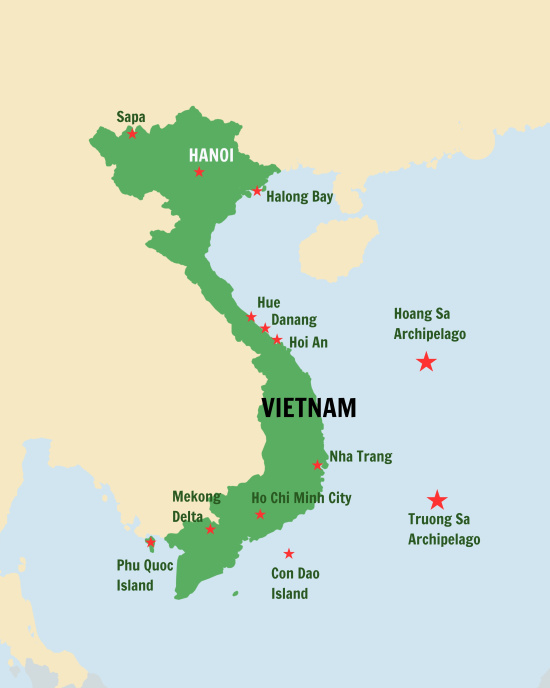
Vietnam unfolds as a land where history breathes in every street, where nature paints scenes of quiet poetry, and where modern life pulses with irresistible energy. Your journey begins in Hanoi, a capital woven from centuries of culture. Lose yourself in its labyrinth of ancient alleyways, where incense drifts from sacred temples, colonial façades whisper stories of the past, and every bowl of phở carries the soul of the city.
From here, sail into the legendary beauty of Halong Bay, a UNESCO masterpiece of emerald waters and towering limestone pillars. Drift between hidden caves and secluded lagoons, where sunrise light turns the bay into a shimmering dreamscape. Nearby, the tranquil countryside of Ninh Binh reveals an equally magical world, rivers winding through golden paddies, karsts rising like cathedrals, and ancient pagodas sheltering under mountain cliffs.
Continue your journey to the heart of Vietnam’s past in Hue, the poetic former imperial capital. Walk through moss-covered citadels and grand royal tombs shaded by frangipani trees. Then wander south to Hoi An, where lanterns glow beside the Thu Bon River and centuries-old craftsmanship lives on in vibrant tailor shops, temples, and wooden houses.
In the south, Ho Chi Minh City greets you with its modern skyline and restless spirit. Taste its creative cuisine, explore its lively markets, and uncover Vietnam’s resilience at historic sites that hold the memory of bygone eras. This is a city that moves fast yet warmly invites you into its rhythm.
Beyond the urban landscapes lies the serene world of the Mekong Delta, where life flows with the river. Glide through coconut groves, meet local artisans, and witness floating markets that carry generations of tradition. Or escape to Vietnam’s coastal jewels, the soft sands of Nha Trang, the tranquil bays of Con Dao, and the turquoise shores of Phu Quoc, each offering moments of pure tropical calm.
Whether you seek cultural immersion, natural wonder, or meaningful connection, Vietnam reveals itself as a destination both timeless and alive, a journey that lingers long after you leave, rich with memories shaped by heritage, beauty, and the warmth of its people.
| Region | 1Jan | 2Feb | 3Mar | 4Apr | 5May | 6Jun | 7Jul | 8Aug | 9Sep | 10Oct | 11Nov | 12Dec | |
|---|---|---|---|---|---|---|---|---|---|---|---|---|---|
| Hanoi |  | | | |  | |  | |  |  | | | |
| Halong Bay | | | | | | | | | | | | | |
| Sapa & the Tonkinese Alps |  | | | | | | | | | | | | |
| Hue | | | | | | | | | | | | | |
| Hoi An & Da Nang | | | | | | | | | | | | | |
| Nha Trang | | | | | | | | | | | | | |
| Dalat | | | | | | | | | | | | | |
| Ho Chi Minh City | | | | | | | | | | | | | |
| Mekong Delta | | | | | | | | | | | | | |
| Phu Quoc Island | | | | | | | | | | | | | |
| Con Dao Island | | | | | | | | | | | | | |
 Pleasant weather, no rain
 High heat and humidity
 Tropical climate, possible intermittent rain
 Tropical climate, high chances of rain
 Possible risk of typhoons and storms
 Cool to cold temperature (at night)


Hanoi, the vibrant capital of Vietnam, is a captivating blend of ancient traditions and modern development. Located in the north of the country, Hanoi has served as Vietnam’s political and cultural heart for over a thousand years. The city is known for its centuries-old architecture, peaceful lakes, tree-lined boulevards, and bustling Old Quarter, where narrow streets burst with life, street food, and local charm. Landmarks such as the Ho Chi Minh Mausoleum, the Temple of Literature, and the One Pillar Pagoda offer a glimpse into the nation’s rich history and heritage. Despite its rapid modernization, Hanoi retains a strong sense of identity, making it a must-visit destination for travelers seeking an authentic Vietnamese experience.
The official currency of Vietnam is the Vietnamese đồng, abbreviated as VND (₫).
Banknotes come in denominations from 1,000 VND up to 500,000 VND, with common notes including 10,000, 20,000, 50,000, 100,000, 200,000, and 500,000 VND. Coins are rarely used today.
As of 2025, 1 USD is roughly equivalent to about 25,000 VND, but exchange rates may vary, so travelers should check current rates before exchanging money. Credit cards are accepted in many hotels and restaurants, especially in big cities, but cash is still widely used in daily transactions.
The official language of Vietnam is Vietnamese (Tiếng Việt). It is the mother tongue of the majority ethnic group (the Kinh people) and is used in government, education, media, and daily life nationwide.
In addition to Vietnamese, Vietnam is home to 54 officially recognized ethnic groups, many of whom speak their own languages. Some commonly spoken minority languages include:
Tày
Mường
Hmong
Khmer
Nùng
Cham
Bahnar
Jarai
Foreign languages are also spoken, especially in cities and tourist areas:
English – Widely taught and increasingly used, especially among the younger generation.
French – A legacy of colonial history; still spoken by some older Vietnamese and used in certain fields.
Chinese, Korean, and Japanese – Spoken in communities and business sectors with foreign ties or tourism.
Overall, Vietnam is a linguistically diverse country, with Vietnamese as the unifying national language.
Vietnam is a multi-religious country with a long history of spiritual and cultural diversity. The main religions practiced in Vietnam include:
1. Buddhism
Major Branch: Mahayana Buddhism (primarily in the north), with some Theravāda Buddhism (mainly in the south and among Khmer ethnic groups).
Followers: Largest religious group in Vietnam.
Influence: Deeply intertwined with Vietnamese culture, festivals, and ethics. Pagodas are common throughout the country.
2. Confucianism
More a philosophy than a religion, Confucianism shaped Vietnam’s education system, family values, and government structures for centuries.
Strong influence during feudal times, particularly in regard to social hierarchy and ancestor worship.
3. Taoism
Introduced from China, often blended with Buddhism and local beliefs.
Practices include fortune telling, feng shui, and veneration of deities.
4. Catholicism (Roman Catholic)
Introduced by European missionaries in the 16th century (especially French missionaries).
Accounts for about 7% of the population.
Southern Vietnam, especially around Ho Chi Minh City, has a significant Catholic community.
5. Protestantism
Introduced in the 20th century.
Growth mostly among ethnic minorities in the Central Highlands.
Smaller in number compared to Catholicism but steadily growing.
6. Cao Đài (Caodaism)
A uniquely Vietnamese syncretic religion founded in 1926 in Tây Ninh.
Combines elements of Buddhism, Christianity, Taoism, and Confucianism.
Known for its colorful temples and universal philosophy.
7. Hòa Hảo Buddhism
Founded in 1939 in the Mekong Delta.
A reformist Buddhist movement emphasizing simplicity and social justice.
Strong presence in southern Vietnam.
8. Islam
Practiced mainly by the Cham ethnic minority in the south-central coastal region and in the Mekong Delta.
Two main groups: Bani (more syncretic) and orthodox Sunni Muslims.
Relatively small in number but active in cultural preservation.
9. Indigenous and Folk Religions
Ancestor Worship: Deeply rooted in Vietnamese culture, regardless of religious affiliation.
Folk Beliefs: Include worship of Mother Goddesses (Đạo Mẫu), local spirits, nature deities, and village tutelary gods.
Festivals, rituals, and altars in homes reflect these practices.
Vietnam’s culture and traditions are deeply rooted in its long history, influenced by native customs, Chinese Confucianism, Buddhism, French colonialism, and modern global trends. Below is an overview of the cultures and traditions of Vietnam:
1. Family Structure & Values
Family is central to Vietnamese life. The extended family often lives together or nearby.
Respect for elders is a core value. Decisions are often made with elders’ opinions in mind.
Ancestor worship is practiced across religions; many families have an ancestral altar at home
2. Traditional Festivals
Vietnam celebrates many festivals based on the lunar calendar, most of which reflect agricultural roots and religious beliefs.
Tết Nguyên Đán (Lunar New Year)
Most important holiday, marking the arrival of spring. Families reunite, clean homes, offer sacrifices to ancestors, and give “lì xì” (lucky money).Mid-Autumn Festival (Tết Trung Thu)
Celebrated with lion dances, mooncakes, and lantern parades for children.Hung Kings’ Temple Festival
Honors the legendary founding kings of Vietnam, held annually in Phú Thọ province.Vu Lan (Ghost Festival)
A Buddhist festival to honor deceased parents and ancestors.
3. Traditional Clothing
Áo dài: Vietnam’s iconic long dress worn by women (and men on special occasions). It symbolizes elegance and tradition.
Áo bà ba: A simple southern traditional outfit, practical for rural life.
Ethnic costumes: Each of Vietnam’s 54 ethnic groups has unique traditional clothing, especially visible during festivals.
4. Vietnamese Cuisine
Focuses on fresh herbs, balanced flavors (sweet, sour, salty, spicy), and regional specialties.
Northern Vietnam: Subtle flavors – e.g., Phở, Bún chả
Central Vietnam: Spicy and complex – e.g., Bún bò Huế, Mì Quảng
Southern Vietnam: Sweet and vibrant – e.g., Hủ tiếu, Cơm tấm
Rice is the staple food.
Fish sauce (nước mắm) is essential in nearly every meal.
5. Religion & Spiritual Practices
Ancestor worship, Buddhism, Confucianism, Taoism, and folk beliefs blend in daily life.
Temples, pagodas, and altars are everywhere, from mountains to city streets.
Belief in spiritual balance and harmony with nature is reflected in feng shui practices.
6. Social Etiquette & Customs
Politeness, humility, and respect are highly valued.
Greeting: A slight bow or handshake with both hands (especially with elders).
Giving and receiving items (especially money or gifts) with both hands is respectful.
Avoiding confrontation or public criticism is part of maintaining “face.”
7. Arts & Performing Traditions
Water puppet shows (Múa rối nước): Unique to Vietnam, originating from the Red River Delta.
Traditional music & instruments: Such as đàn tranh, đàn bầu, and folk singing styles like ca trù, hát chèo.
Calligraphy is popular during Tết.
8. Rural Traditions & Agriculture
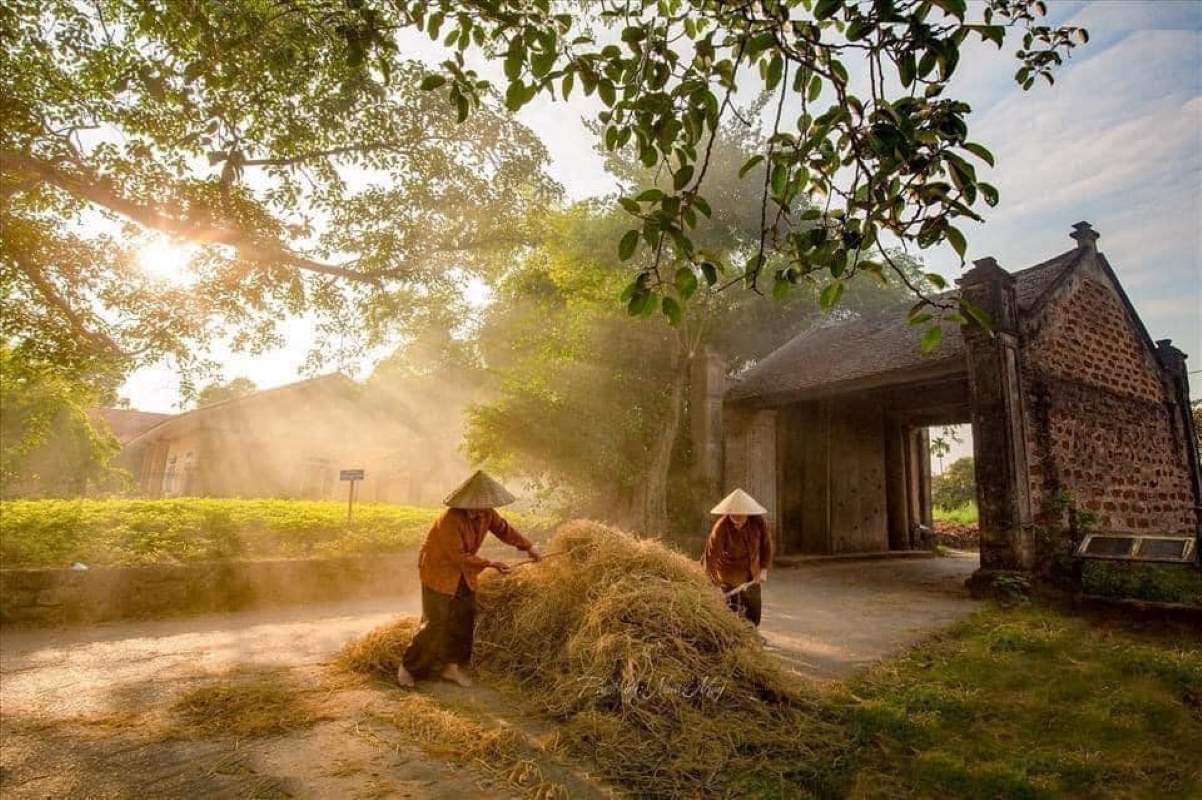
Village life still centers around rice farming, with festivals tied to planting and harvest seasons.
Craft villages (e.g., Bat Trang for ceramics, Van Phuc for silk) maintain generations-old practices.
9. Modern Influences
Urban Vietnam blends tradition and modernity — young people celebrate Valentine’s Day and Halloween, while also observing Tết and ancestral rites.
Western fashion, pop culture, and technology mix with local customs, especially in big cities like Hanoi and Ho Chi Minh City.
1. Tết Nguyên Đán (Lunar New Year)
Tết is the most important and widely celebrated festival in Vietnam, usually falling in late January or early February. It marks the beginning of the lunar new year. Families reunite, clean and decorate their homes, cook traditional foods like bánh chưng and bánh tét, offer prayers to ancestors, and exchange red envelopes with lucky money. Streets are adorned with flowers, markets are lively, and the atmosphere is full of hope and celebration.
2. Mid-Autumn Festival (Tết Trung Thu)
Celebrated on the 15th day of the 8th lunar month, this festival is especially for children. They parade with colorful lanterns, enjoy lion dances, and eat mooncakes. Traditionally, it’s also a time to admire the full moon and celebrate family unity. Major celebrations take place in Hanoi’s Old Quarter and Ho Chi Minh City’s District 5.
3. Hung Kings’ Temple Festival
Held annually on the 10th day of the 3rd lunar month in Phú Thọ province, this festival honors the mythical Hung Kings—the legendary founders of Vietnam. Pilgrims and officials gather to offer incense and traditional sacrifices at the Hung Temple complex. Folk games, music, and processions are part of the celebration, promoting national pride and unity.
4. Perfume Pagoda Festival
One of the longest and most spiritual festivals in Vietnam, this pilgrimage takes place from the 6th day of the 1st lunar month through March. Devotees travel by boat and foot to the Huong (Perfume) Pagoda complex, located in a scenic mountain area southwest of Hanoi. Visitors pray for peace, prosperity, and good fortune in the new year.
5. Vu Lan Festival (Ghost Festival)
Taking place in the 7th lunar month, Vu Lan is a Buddhist event dedicated to filial piety and honoring deceased ancestors and parents. People visit pagodas, make offerings, and release floating lanterns to guide lost souls. It is especially touching for those wishing to remember their loved ones and express gratitude.
6. Buddha’s Birthday
Celebrated on the 15th day of the 4th lunar month, Buddha’s Birthday is a major Buddhist festival marked with colorful processions, prayers, and rituals at temples throughout Vietnam. Devotees bathe statues of baby Buddha and make offerings. Cities like Hue, Hanoi, and Ho Chi Minh City host some of the most vibrant ceremonies.
7. Lim Festival
Held in Bắc Ninh province in February (near the 13th day of the 1st lunar month), this festival showcases “quan họ” folk singing—a UNESCO-recognized tradition. Singers dressed in traditional attire perform on boats or in pagodas, accompanied by village games like bamboo swings, wrestling, and human chess.
8. Ok Om Bok Festival
This Khmer festival is celebrated by ethnic communities in the Mekong Delta, particularly in Sóc Trăng and Trà Vinh, in the 10th lunar month. It’s a harvest celebration to thank the Moon God, featuring boat races, sky lantern releases, and traditional dances. The Ngo boat race is a highlight, drawing large crowds.
9. Hue Festival
Held every two years in the imperial city of Hue, this international arts and culture festival revives royal traditions and promotes heritage. The festival features áo dài shows, street parades, reenactments of imperial ceremonies, traditional music and dance, and international performances, turning Hue into a vibrant cultural hub.
10. Da Nang International Fireworks Festival (DIFF)
This annual summer event brings together fireworks teams from around the world to compete in dazzling displays over the Han River. Alongside the fireworks, the festival includes concerts, parades, street food fairs, and art installations, attracting thousands of visitors to Da Nang.
11. Gong Culture Festival (Lễ hội Cồng Chiêng Tây Nguyên)
Held in the Central Highlands provinces such as Gia Lai and Đắk Lắk, this festival honors the cultural heritage of the region’s ethnic minorities. The gong culture, recognized by UNESCO, features rhythmic performances using traditional gongs and drums, alongside dances, rituals, and local cuisine.
12. Modern Festivals & Events
In addition to traditional festivals, Vietnam also hosts many modern and international events. These include the Vietnam International Travel Mart (VITM) in Hanoi, Tet Street Festivals, international fashion and film weeks, and cultural expos in major cities. These events help promote tourism and showcase Vietnam’s vibrant cultural scene to global audiences.
1. General Health Care
Vietnam has improved its healthcare infrastructure significantly in recent years. Major cities like Hanoi, Ho Chi Minh City, and Da Nang offer international-standard hospitals and clinics. However, rural and remote areas may have limited medical facilities. For travelers, it is advisable to carry basic medications and purchase travel insurance that includes medical evacuation.
2. Vaccinations & Preventive Care
Before traveling to Vietnam, it’s recommended to be up to date on routine vaccinations such as measles, mumps, rubella (MMR), tetanus, diphtheria, and hepatitis A and B. Depending on travel plans, additional vaccines like typhoid, Japanese encephalitis, or rabies may be advised. Consult a travel clinic or healthcare provider at least 4–6 weeks before your trip.
3. Drinking Water & Food Safety
Tap water in Vietnam is not safe for direct consumption. Stick to bottled or boiled water and avoid ice in drinks unless you are sure of its origin. Street food is popular and often delicious, but choose vendors with high turnover and good hygiene. Always wash hands before eating or use hand sanitizer.
4. Common Health Risks
Travelers should watch out for mosquito-borne illnesses like dengue fever, particularly during the rainy season. In some rural areas, malaria may also be a concern, though risk is generally low. Heatstroke and dehydration are common among tourists not used to the tropical climate—stay hydrated and wear sun protection.
5. Road Safety
Traffic in Vietnam can be chaotic, especially in cities. Motorbikes dominate the roads, and traffic laws are not always enforced. Travelers should use caution when crossing streets and consider using taxis or ride-hailing apps like Grab instead of renting motorbikes unless experienced. Always wear a helmet if riding.
6. Natural Disasters & Weather Hazards
Vietnam is prone to typhoons and heavy flooding during the rainy season (May to October). Monitor weather forecasts and follow local advice during storms or natural disasters. In mountainous areas, landslides can occur during or after heavy rain.
7. Personal Safety & Crime
Vietnam is generally a safe country with a low rate of violent crime. However, petty theft and scams targeting tourists can occur, especially in busy areas like markets, beaches, or tourist attractions. Keep valuables secure, avoid displaying large amounts of cash, and be cautious of overly friendly strangers offering unsolicited help or deals.
8. Laws & Local Customs
Avoid illegal drugs entirely—Vietnam has very strict anti-drug laws with severe penalties. Prostitution is also illegal. Dress modestly when visiting religious or rural areas. Public displays of affection are best kept minimal. Be respectful of local customs and traditions to ensure a positive experience.
9. Emergency Numbers
Police: 113
Ambulance: 115
Fire: 114
Most operators speak only Vietnamese. In tourist areas, hotel staff or tour guides can assist in emergencies.
10. Travel Insurance
Comprehensive travel insurance covering health, theft, delays, and cancellation is highly recommended. For adventure activities like trekking, diving, or motorbike riding, ensure your policy includes those.
1. Postal Services
Vietnam has a reliable and affordable postal system. The national provider is Vietnam Post, which operates post offices in cities, towns, and even rural areas. Standard letters and parcels can be sent both domestically and internationally, with delivery times depending on distance and service level. EMS (Express Mail Service) is available for faster international shipping. Private courier services such as DHL, FedEx, UPS, and J&T Express also operate in major cities.
2. Sending & Receiving Mail
Postcards and letters to international destinations typically take 1–2 weeks. For tourists, most hotels and souvenir shops offer to send postcards on your behalf. When receiving packages from abroad, customs clearance may apply, and you might need to pay import duties for certain items.
3. Mobile Communication
Vietnam has a well-developed mobile phone network with extensive 4G (and growing 5G) coverage, even in remote regions. Major mobile operators include Viettel, Vinaphone, Mobifone, and Vietnamobile. SIM cards are inexpensive and easy to purchase at the airport or convenience stores—just bring your passport for registration. Top-up cards are widely available.
4. Internet & Wi-Fi
Vietnam has good internet connectivity, with broadband and fiber-optic networks in urban areas. Wi-Fi is widely available in hotels, cafes, restaurants, and even buses and trains. Connection speed is generally fast in cities but may vary in rural or mountainous areas.
5. International Calling
You can make international calls from mobile phones, landlines, or internet-based services. However, VoIP apps like WhatsApp, Viber, Skype, and Zalo (Vietnam’s local messaging app) are more commonly used due to lower cost and better accessibility.
6. Zalo & Social Media
Zalo is the most popular local communication app in Vietnam, used for texting, calling, and even business messaging. Other common platforms include Facebook, Messenger, Instagram, and TikTok, all widely accessible and actively used.
7. News & Media
Vietnam has a wide range of local newspapers, online news platforms, and TV channels in Vietnamese. Some offer English-language content, such as VNExpress International, Vietnam News, and Tuoi Tre News. Satellite and cable TV are available in many hotels, including international news channels like CNN and BBC.
8. Internet Censorship & Restrictions
Vietnam allows access to most global websites, but some politically sensitive content may be restricted. VPN services are available if access to certain platforms is necessary.
1. Passport Requirements
All travelers entering Vietnam must possess a valid passport with at least 6 months’ validity from the date of entry. Your passport should also have at least one blank page for visa stamping.
2. Visa Requirements
Vietnam offers several visa options depending on your nationality, purpose of visit, and length of stay:
Visa-free entry is granted to citizens of certain countries (e.g., Japan, South Korea, Germany, France, Italy, Spain, the UK, and most ASEAN nations) for stays ranging from 14 to 45 days, depending on the country.
E-Visa: Available for citizens of over 80 countries. It allows single or multiple entry and a stay of up to 90 days. Applications can be submitted online via the official Vietnamese government portal.
Visa on Arrival (VOA): Still used for some travelers arriving by air with a pre-approval letter from a travel agency or sponsor, especially for business or group tours.
Tourist and Business Visas: For longer stays or specific purposes, you can apply at a Vietnamese embassy or consulate in advance.
3. Entry Points
Travelers can enter Vietnam through major international airports such as:
Noi Bai (Hanoi)
Tan Son Nhat (Ho Chi Minh City)
Da Nang International Airport
Phu Quoc International Airport (visa-free entry for up to 30 days if staying only on the island)
Vietnam also has land border crossings with China, Laos, and Cambodia, as well as seaports for cruise and boat entries.
4. Customs Regulations
Visitors are allowed to bring in reasonable quantities of personal items, duty-free goods (e.g., up to 1.5 liters of alcohol, 200 cigarettes), and currency under US$5,000 (or equivalent). Items such as drones, large camera equipment, and professional gear may require declaration. Prohibited items include drugs, pornography, anti-government materials, and certain religious publications.
5. Travel Insurance
Although not strictly required, comprehensive travel insurance is highly recommended, covering medical care, trip cancellations, theft, and COVID-related issues. Some visas or tours may require proof of insurance upon booking or entry.
6. COVID-19 Travel Updates
As of mid-2025, Vietnam has lifted all COVID-related entry restrictions, but travelers should still check for the latest updates and health regulations from airlines or local authorities before travel.
7. Currency Declaration
Amounts of over VND 15 million or US$5,000 (or foreign currency equivalent) must be declared at customs when entering or exiting Vietnam. Undeclared funds may be confiscated.
8. Extensions & Overstays
Tourist visa extensions can sometimes be arranged through local immigration offices or travel agencies, but approval is not guaranteed. Overstaying your visa can result in fines, deportation, or being banned from future entry.
9. Local Registration
All travelers are required to register their stay with local authorities. This is usually handled automatically by your hotel or accommodation provider. If staying at a private residence, your host must assist with registration at the local police office.
With more than 20 years of experience in the travel industry, LuxeTravel Asia proudly brings you premium services, local expertise, and exclusive experiences that make us the ideal partner for your journey through Vietnam and beyond.
100% Customized Itineraries
At LuxeTravel Asia, we believe that luxury travel means exploring the world your way. That’s why every itinerary we design is entirely tailor-made, curated by seasoned local experts who understand the nuances of each destination. Whether you dream of soaring above Halong Bay in a private helicopter or getting your hands muddy in a farming experience in Hoi An, we craft journeys that reflect your personal style and passions. From hidden gems to must-see highlights, we provide the insight, access, and flexibility to bring your ideal Vietnam trip to life.
Round-the-Clock Personalized Support
We’re with you every step of the way. Our team takes the time to understand your specific needs from dietary preferences to mobility requirements and selects accommodations and experiences accordingly. You’ll receive a response to your initial inquiry within 12 hours, and a personalized itinerary quote within 24 hours. Once you arrive, you’ll have a dedicated local specialist available 24/7 to support you, along with a 24-hour hotline in each country we serve. Your comfort, safety, and peace of mind are always our top priorities.
One-of-a-Kind Experiences
We don’t just follow travel trends we create them. LuxeTravel Asia invests continuously in product development to offer the most up-to-date, culturally rich, and immersive tours in the region. Every journey is crafted to highlight the very best of Southeast Asia’s cuisine, heritage, and hidden treasures. As residents of the countries we serve, we are passionate about sharing the authentic soul of each place with you beyond the guidebooks, beyond the crowds.
At LuxeTravel Asia, we specialize in privately guided, fully customized holidays paired with meticulous, personalized service crafted for travelers who seek authenticity, comfort, and refined experiences.
Authentic Encounters with Vietnam
Discover Vietnam’s rich tapestry through meaningful, immersive experiences:
Marvel at the majestic mountains and lush highlands.
Step back in time amidst the imperial architecture of Hue and the lantern-lit alleys of Hoi An.
Float through bustling river markets and connect with local traditions.
Savor regional delicacies shaped by centuries of culinary heritage.
Walk barefoot on untouched island beaches and immerse yourself in diverse cultures and living heritage.
We don’t just take you to the landmarks, we help you feel the soul of the destination.
Private & Luxurious Transportation
We understand that seamless, comfortable travel plays a vital role in luxury experiences.
That’s why we offer a curated fleet of high-end transportation options from executive cars and Mercedes-Benz sedans to yachts, helicopters, and private jets. While most agencies limit your options, we empower you to choose the vehicle that best matches your preferences, itinerary, and style. Every mile of your journey with LuxeTravel Asia is as indulgent as the destination itself.
Exceptional Service, Every Step of the Way
With over two decades in high-end travel design, our expert travel advisors bring insight, passion, and local understanding to your trip. We don’t just build itineraries, we craft stories. Whether you’re traveling solo, with a partner, or in a small group, our team is dedicated to ensuring your experience is seamless, stress-free, and memorable. LuxeTravel Asia is proud to be the trusted choice of discerning travelers from around the world.
Luxury Accommodations, Handpicked for You
We collaborate with Vietnam’s finest hospitality brands to bring you unmatched comfort and convenience across the country:
In the North: Sofitel Metropole Hanoi, Intercontinental West Lake, Park Hyatt, Emperor Cruises Halong.
In Central Vietnam: Six Senses Ninh Van Bay, La Residence Hue, Vedana Lagoon, Hyatt Regency Danang, Pilgrimage Village, and more.
In the South: Park Hyatt Saigon, Pullman Saigon Centre, Six Senses Con Dao, Chen Sea Resort Phu Quoc, among others.
Every stay is curated to match your tastes from modern elegance to peaceful eco-retreats.
Gastronomic Discovery
Vietnamese cuisine is as diverse as its landscape, shaped by history, geography, and regional culture.
On our luxury tours, you’ll embark on a culinary journey across three regions:
The North with its subtle and balanced flavors.
The Central Coast known for bold, spicy dishes inspired by royal traditions.
The South where vibrant, sweet-savory flavors reflect a tropical abundance.
Whether dining in Michelin-rated restaurants or enjoying a private chef’s table in a countryside villa, you’ll experience the full spectrum of Vietnam’s culinary heritage in style.
Your Journey, Your Way – The Power of Private Travel
Freedom to Follow Your Curiosity
Private tours grant you the freedom and flexibility to travel on your own terms. You’re not bound by fixed schedules or generic itineraries, you explore what truly inspires you, at your own pace. Whether it’s ticking off bucket-list experiences or discovering hidden gems, your journey is shaped entirely around your interests.
Tailor-Made for Your Escape
After the whirlwind of daily life, it’s time to escape to your own real-life movie set. Vietnam, a coastal gem of Southeast Asia, offers an idyllic retreat for every kind of traveler from dramatic highlands to quiet fishing villages, ancient towns to tropical islands.
With over 4,000 islands scattered along its coastline, Vietnam is a sanctuary for those seeking tranquility and seclusion. Think crystal-clear waters, powdery white sand, and untouched scenery. More than just a destination, these remote islands offer a chance to truly disconnect and reconnect whether you’re relaxing in a hammock, savoring fresh seafood by the sea, or wandering through local life untouched by mass tourism.
Insider Access & Fewer Travel Pitfalls
With a local guide by your side, you’re not just a visitor, you’re an insider. They’ll bridge any language gap, help you avoid common tourist scams, and provide real-time tips you won’t find online. From navigating rural backroads to dining where locals eat, private guides unlock the Vietnam that guidebooks often miss.
Even the most seasoned traveler may overlook hidden risks or cultural nuances. Our experienced guides know which paths to take and which to avoid ensuring you travel smart, safe, and with confidence.
Local Expertise, Personalized Insight
Luxury travel is about more than comfort, it’s about connection. Our handpicked local experts bring an unmatched depth of knowledge to every journey. Vietnam still holds many untouched, lesser-known treasures that only a local can unveil. Whether it’s a mountain village barely touched by tourism, a quiet temple lost in time, or a beach without footprints your guide will match you with places that align perfectly with your preferences.
Flexible Timing, Unrushed Moments
One of the greatest advantages of private travel is the freedom to adapt. Want to sleep in and enjoy a leisurely breakfast? Extend your time at a scenic viewpoint? Or skip a stop that no longer excites you? Your itinerary is fluid, not fixed.
Unlike large group tours that stick to rigid timetables, private tours are built around you. Stay longer, leave earlier, make spontaneous stops for photos, or simply spend time soaking in the culture your guide adjusts to your rhythm.
Vietnam’s Endless Possibilities
From ancient temples and French-colonial architecture to breathtaking beaches, mountain retreats, and UNESCO World Heritage sites, Vietnam offers a rich variety of experiences many of which are far from the tourist trail. For solo travelers, couples, or families looking to explore the less-traveled paths, Vietnam’s safety and hospitality make it an ideal destination for private adventures.
No matter your style: culinary, cultural, coastal, or countryside, Vietnam invites you to slow down, look deeper, and travel with intention.
Tucked along the eastern coastline of the Pacific Ocean, Vietnam is a compact yet captivating destination offering a harmonious blend of nature, culture, and comfort. With its diverse landscapes and child-friendly activities, Vietnam stands out as an ideal choice for families seeking both adventure and tranquility. From mountains to beaches, bustling cities to peaceful countryside, Vietnam invites families to discover a new world together safely and memorably.
Peace of Mind in a Peaceful Nation
Vietnam is internationally recognized as one of the most peaceful and politically stable countries in Asia.
According to Touradar, Vietnam ranks 9th among the safest destinations in Asia and 44th globally as of 2018. The country’s firm political consensus and zero tolerance for terrorism have created an environment of calm and confidence for international travelers. There are no terrorism threats or civil unrest, allowing you and your loved ones to enjoy your holiday free from worry.
This makes Vietnam not only a destination of wonder, but also a sanctuary of peace perfect for families traveling with children.
Real Insight from Local Experts
Planning a smooth family vacation doesn’t have to be stressful. Our passionate, travel-savvy team offers local insights and honest advice to help you make the best decisions from choosing accommodations that suit young children to recommending engaging, family-friendly tours.
You’ll also receive practical tips to avoid common travel scams, overpriced services, or confusing tourist traps. We’re here to make your journey smooth and smart from start to finish.
24/7 Personalized Support You Can Count On
Time is precious especially on holiday. That’s why we offer round-the-clock assistance to every traveler, no matter your time zone. Whether you’re inquiring about a tour, need last-minute changes, or have a question while on the road, our dedicated team is always just a message or call away.
We aim to acknowledge all inquiries within 12 hours and provide fully customized quotes within 24 hours. Once your trip begins, you’ll receive personal care and support from arrival to departure so you and your family can focus on what matters most: making memories.
Here is the information about Visa Requirement to Vietnam
The entry requirements
– Passport must be valid for at least 6 months beyond arrival date.
– Passport has 2 blank pages for visa stamp.
The available methods
– Visa at local embassy
Please contact the local embassy in the country where are residing.
– Visa on arrival
You can complete your visa application in just a few simple steps, receive the visa approval letter by email in 3-5 working days and print out the documents to pick up the visa upon arrival at Vietnam airport.
E-Visa:
In February 2017, Vietnam launched the e-Visa program to simplify the process to enter the country. Now citizens of 46 countries, can apply online and get their e-Visa electronically.
What do I need to apply for a Vietnam e-Visa?
You are required to have the following in order to submit your application:
– A Passport (Valid for at least 6 months after arrival to Vietnam)
– A Credit / Debit card / Paypal account
– Digital Passport Scan (main page)
– Digital ID/Passport image
How long does it take to obtain an e-Visa?
It depends on the method of processing time you choose. There are three options:
– Standard Processing: 5 business days.
– Rush Processing: 4 business days.
– Super Rush Processing: 3 business days.
How long is the Vietnam e-Visa valid for?
The Vietnam e-Visa is valid for 30 days after arrival and it is a single entry visa.
The visa cost for Vietnam e-Visa is 25 USD. Additionally, there is a service fee of 20 USD for standard processing. For rush processing and super rush processing the service fee is 30 USD and 60 USD, respectively.
LuxeTravel Asia can arrange for you your visa on arrival to Vietnam by sending you the pre-approved letter. With this letter you can get a Vietnam visa stamp upon arrival at Tan Son Nhat Airport, Danang airport or Noi Bai International airport in Hanoi. This letter is complimentary for our tour guests only. Upon arrival at your airport, you can expect to fill out a simple form. Kindly prepare two passport sized photos for each traveler and a USD$25 stamp fee per person. Expect to wait about 15 minutes for processing.
Kindly contact a LuxeTravel Asia advisor if you want us to arrange this visa on arrival pre-approved letter once your booking has been confirmed and provide us with the following information:
1) Full name on passport
2) Passport number
3) Date of birth
4) Nationality
5) Date of arrival
6) Flight number and time
7) Fax number or your email address.
*Special note:
Please make sure that you have your passport, that your passport is still valid for six months and contains two empty white pages.
Upon receiving the pre-approved visa, we will send it to you right away. Kindly print it out and show it when needed upon arrival at the airport in Vietnam.
Please feel free to contact us for Pre-approval letter for Vietnam Visa WITHOUT FEE for tourists from Canada, Australia, India, New Zealand or India.
Our Vietnam tour packages typically include:
Handpicked 3–5 star or luxury hotels
Private English-speaking guides in each destination
All entrance fees to attractions and activities
Private transportation throughout the itinerary
Domestic flights or trains (if required)
Daily breakfast and optional meal upgrades
Airport pick-up and drop-off
24/7 local support from LuxeTravel Asia
Yes, all Vietnam itineraries are fully customizable.
We tailor each trip based on your interests, preferred travel pace, budget, and special requests (family trips, honeymoon, luxury, photography, food-focused itineraries, etc.).
Top destinations include:
Hanoi: Old Quarter, culture, street food
Ha Long Bay: Cruise, kayaking, luxury overnight boats
Sapa / Ha Giang: Mountains, rice terraces, ethnic culture
Ninh Binh: Rivers, temples, limestone karsts
Hue: Citadel, royal heritage
Hoi An: Ancient town, lanterns, beaches
Da Nang: Beaches and mountains
Ho Chi Minh City: Markets, history, nightlife
Mekong Delta: Floating markets, rural life
We also offer off-the-beaten-path destinations upon request.
Vietnam spans three climates, making it a year-round destination:
North (Hanoi, Ha Long, Sapa): Best from October to April
Central (Hue, Hoi An, Da Nang): Best from February to August
South (Ho Chi Minh City, Mekong): Best from December to April
We help choose the best destinations for your travel month.
Yes. All LuxeTravel Asia tours include licensed English-speaking guides, experienced in history, culture, food, and local insights.
Very much so. Vietnam is safe, welcoming, and full of activities for families, such as:
Lantern making in Hoi An
Water puppet shows
Cycling through rice fields
Mekong boat trips
Beach resorts in Da Nang / Phu Quoc
We can modify the itinerary to fit the pace of children or seniors.
Depending on your itinerary, transportation may include:
Private air-conditioned vehicles
Domestic flights
Luxury overnight cruises (Ha Long Bay)
Trains (Reunification Express)
Boats in the Mekong and Ninh Binh
All arrangements prioritize comfort and safety.
Yes, Vietnam is considered very safe for tourists.
With LuxeTravel Asia, you also have 24/7 on-ground assistance throughout your trip.
Absolutely. Vietnam is ideal for multi-country Indochina tours.
Popular combinations include:
Vietnam + Cambodia
Vietnam + Laos
Vietnam + Thailand
Vietnam + Cambodia + Laos
We arrange cross-border flights, visas, and logistics to ensure a smooth journey.
We recommend:
Lightweight clothing for warm areas
Light jacket for northern evenings (Dec–Mar)
Comfortable walking shoes
Modest clothing for temples
Swimwear (beaches and cruises)
Sunscreen and insect repellent
You can book through our website, WhatsApp, or email.
Our travel experts will design your tailor-made itinerary and guide you through all booking steps with secure online payment options.
Our Esteemed Partners


