

 Ho Chi Minh City – A Pearl Of The Far East
1. Overview of Ho Chi Minh City
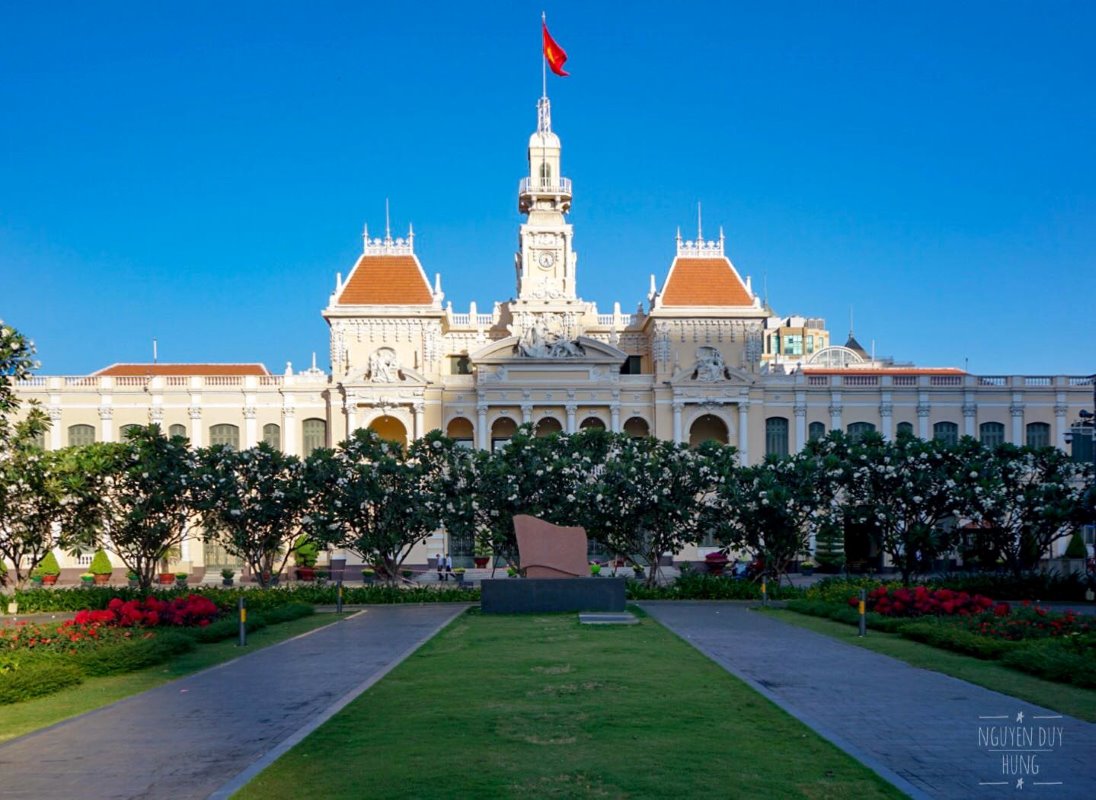
Ho Chi Minh City (HCMC), still often called Saigon by locals and travelers, is the largest city in Vietnam and the country’s economic powerhouse. Located in the southern region of the country, it is known for its dynamic energy, soaring skyscrapers, French colonial architecture, historic landmarks, and buzzing street life. This modern metropolis pulses with contrasts—between old temples and glass towers, traditional markets and luxury malls, sidewalk vendors and rooftop lounges.
2. Location and Accessibility
HCMC is located in southern Vietnam, near the Mekong Delta, about 1,760 km south of Hanoi. It is served by Tan Son Nhat International Airport (SGN), Vietnam’s busiest airport with international and domestic connections. The city is also connected by train, long-distance buses, and highways to key regions such as the Central Highlands and the southern coast.
3. History and Culture
Founded in the 17th century as a small fishing village, Saigon developed into a major French colonial city. After the reunification of North and South Vietnam in 1975, the city was renamed Ho Chi Minh City in honor of the revolutionary leader. Despite the name change, “Saigon” remains widely used. The city showcases a diverse cultural landscape with Buddhist temples, Catholic churches, Chinese pagodas, French villas, and Communist-era structures.
4. Climate and Best Time to Visit
HCMC has a tropical climate with two main seasons:
Dry Season (December to April): The best time to visit, with sunny skies, low humidity, and temperatures between 28–35°C.
Rainy Season (May to November): Short, intense downpours in the afternoons, but travel is still manageable.
There are no extreme weather patterns like typhoons in the south, making HCMC a year-round destination.
5. Highlights and Attractions
Notre-Dame Cathedral Basilica of Saigon: Built by the French in the 1880s, this red-brick cathedral is a central landmark.
Saigon Central Post Office: A beautiful colonial building designed by Gustave Eiffel.
Ben Thanh Market: A bustling marketplace for souvenirs, clothes, and street food.
Reunification Palace: A historic site marking the end of the Vietnam War in 1975.
War Remnants Museum: Offers powerful insights into the Vietnam War from the Vietnamese perspective.
Bitexco Financial Tower Skydeck: A panoramic viewpoint offering stunning views of the city skyline.
Nguyen Hue Walking Street: A modern boulevard lined with shops, fountains, and entertainment.
6. Cultural Experiences
Visit Cholon (Chinatown) and explore temples like Thien Hau Pagoda.
Attend a traditional ao dai fashion show or water puppet performance.
Explore local markets like Tan Dinh or Binh Tay for textiles and spices.
Take part in a Vietnamese cooking class or street food tour with a local guide.
Experience Tet (Lunar New Year) or other festivals in the lively streets.
7. Local Cuisine and Food Scene
HCMC is a paradise for food lovers, offering everything from street eats to fine dining:
Com tam (broken rice with grilled pork)
Hu tieu Nam Vang (Phnom Penh-style noodle soup)
Banh mi (Vietnamese baguette sandwich)
Goi cuon (fresh spring rolls)
Bo la lot (grilled beef in betel leaf)
Seafood and BBQ skewers on Vinh Khanh Street
Don’t miss the local coffee culture—especially iced milk coffee (ca phe sua da) and egg coffee, served in traditional cafes and trendy shops alike.
8. Accommodation Options
Luxury: The Reverie Saigon, Park Hyatt Saigon, Sofitel Saigon Plaza
Mid-range: Liberty Central, Fusion Suites, Silverland Jolie
Budget: The Common Room Project, Long Hostel, Boholand Hostel
Most travelers stay in District 1 (central, lively), District 3 (local flavor and trees), or District 5 (Chinatown charm).
9. Day Trips from HCMC
Cu Chi Tunnels: Explore the underground network used during the Vietnam War.
Mekong Delta: Visit riverside villages, floating markets, and tropical orchards.
Can Gio Mangrove Forest: A UNESCO biosphere reserve with wildlife and boat rides.
Vung Tau: A beachside city just 2 hours away, great for day or weekend trips.
Tay Ninh & Cao Dai Temple: Learn about Vietnam’s unique Cao Dai religion and admire its colorful architecture.
10. Shopping and Souvenirs
Saigon Square and Ben Thanh Market: Clothes, bags, coffee, and trinkets
Saigon Centre / Takashimaya Mall: Luxury brands and high-end goods
L’Usine and Maison Marou: Unique concept stores for fashion, gifts, and gourmet chocolate
Ao dai tailors: Get a custom-fitted Vietnamese traditional dress
11. Transportation Within the City
Grab or taxis: Convenient for short distances
Public buses: Affordable, but limited for tourists
Scooter rental: Popular, but only for experienced drivers
Hop-on-hop-off buses: Great for sightseeing
Walking: Ideal in the central districts, especially around Nguyen Hue and Dong Khoi Street
12. Nightlife and Entertainment
HCMC boasts one of the most vibrant nightlife scenes in Asia:
Bui Vien Street (Backpacker District): Bars, clubs, live music
Rooftop bars: Chill Skybar, Saigon Saigon Rooftop, EON 51
Live music & art: Acoustic Bar, Saigon Opera House, Soul Live Project
Luxury nightclubs: Envy Club, Bam Bam, Kasho Club
13. Safety and Health
HCMC is generally safe but be cautious of petty theft like bag snatching or pickpocketing in busy areas. Use reputable taxis or Grab, and avoid carrying too many valuables. Tap water is not drinkable—use bottled water. There are international clinics and hospitals such as FV Hospital and Columbia Asia in the city.
14. Sustainable Travel Tips
Avoid single-use plastic when possible—bring your own water bottle and bag.
Support social enterprises and ethical local tours.
Stay in hotels with sustainability initiatives.
Be respectful when visiting temples or sites—dress modestly and behave calmly.
15. Practical Information
Currency: Vietnamese Dong (VND)
SIM Cards: Affordable and available at the airport (Viettel, Vinaphone, Mobifone)
Power Voltage: 220V with Type A, C, or F plugs
Tipping: Not mandatory, but appreciated in restaurants and with guides
Language: Vietnamese is spoken widely; English is common in tourist areas
16. Conclusion
Ho Chi Minh City is a captivating metropolis that seamlessly combines old-world charm and modern vibrancy. From historic war relics and bustling markets to rooftop lounges and innovative cuisine, the city offers something for every traveler. Whether you’re here for business, leisure, culture, or food, Saigon will leave you energized and inspired.
Suggested Itineraries


Our Esteemed Partners


