Chiang Mai – The Cultural Capital of Northern ThailandChiang Mai, the largest city in Northern Thailand, offers a completely different atmosphere from Bangkok and the southern islands. Nestled in a lush mountain basin at approximately 1,000 feet above sea level, Chiang Mai is known for its temperate climate, rich Lanna heritage, spiritual atmosphere, and natural beauty. Founded in 1296 as the capital of the Lanna Kingdom, the city retains its old-world charm with hundreds of temples, winding alleyways, vibrant markets, and a strong connection to traditional Thai culture.
Often described as Thailand’s cultural and spiritual heart, Chiang Mai is a peaceful yet vibrant city that seamlessly blends ancient heritage with a growing modern arts scene, wellness culture, and a reputation as a hub for digital nomads.
By Air: Chiang Mai International Airport (CNX) has frequent flights from Bangkok (about 1 hr) and direct international flights from destinations like Singapore, Kuala Lumpur, Hong Kong, Seoul, and more.
By Train: The overnight sleeper train from Bangkok is a scenic and popular choice for budget or slow travel enthusiasts (approx. 11–13 hours).
By Bus: Long-distance buses run regularly from Bangkok and other major cities, though journeys can be long and winding.
By Car: Self-driving or private transfers via mountain roads is possible but slower than air.
Wat Phra That Doi Suthep: This 14th-century temple perched high on a mountain offers panoramic views of the city. Visitors can climb 300+ steps or take a funicular. Its golden chedi (stupa) is one of the most sacred pilgrimage sites in Thailand.
Chiang Mai Old City Temples:
Wat Chedi Luang: A historic ruined stupa dating back to the 15th century.
Wat Phra Singh: Home to a revered Buddha image and classic Lanna-style architecture.
Wat Chiang Man: The city’s oldest temple, dating to its founding in 1296.
Sunday Walking Street: This vibrant market stretches from Tha Phae Gate to Wat Phra Singh, packed with crafts, food, and street performances.
Phuping Palace & Hill Tribe Villages: Located further up from Doi Suthep, these offer royal gardens and insight into ethnic minority cultures like the Hmong.
Chiang Mai’s cultural richness is best experienced in its many museums and art spaces:
Chiang Mai City Arts & Cultural Centre: A perfect introduction to Lanna history and Thai heritage.
Chiang Mai National Museum: Home to a large collection of Northern Thai artifacts.
Lanna Folklife Museum: Focuses on the traditions, textiles, and daily life of the Lanna people.
Museum of World Insects and Natural Wonders: A quirky but fascinating private collection.
Art in Paradise: A 3D art museum offering interactive, illusion-based installations.
Chiang Mai is a paradise for outdoor enthusiasts and eco-tourists. Highlights include:
Doi Inthanon National Park: Home to Thailand’s highest peak (8,415 ft), stunning waterfalls, hill tribe villages, and cool mountain air—perfect for hiking and bird watching.
Queen Sirikit Botanical Garden: Thailand’s largest botanic garden, with forest trails and canopy walks.
Royal Flora Ratchaphruek: A beautifully landscaped park with international gardens and pavilions.
Mae Sa Waterfall: A peaceful natural retreat within easy reach from the city.
Chiang Mai is famous for ethical elephant tourism. The best sanctuaries focus on rescue, rehabilitation, and education:
Elephant Nature Park: A pioneering sanctuary with no riding and a strong animal welfare focus.
Elephant Jungle Sanctuary: Offers full- or half-day visits and hands-on feeding and bathing experiences.
Always choose sanctuaries with strict ethical standards—avoid any that offer elephant riding or performances.
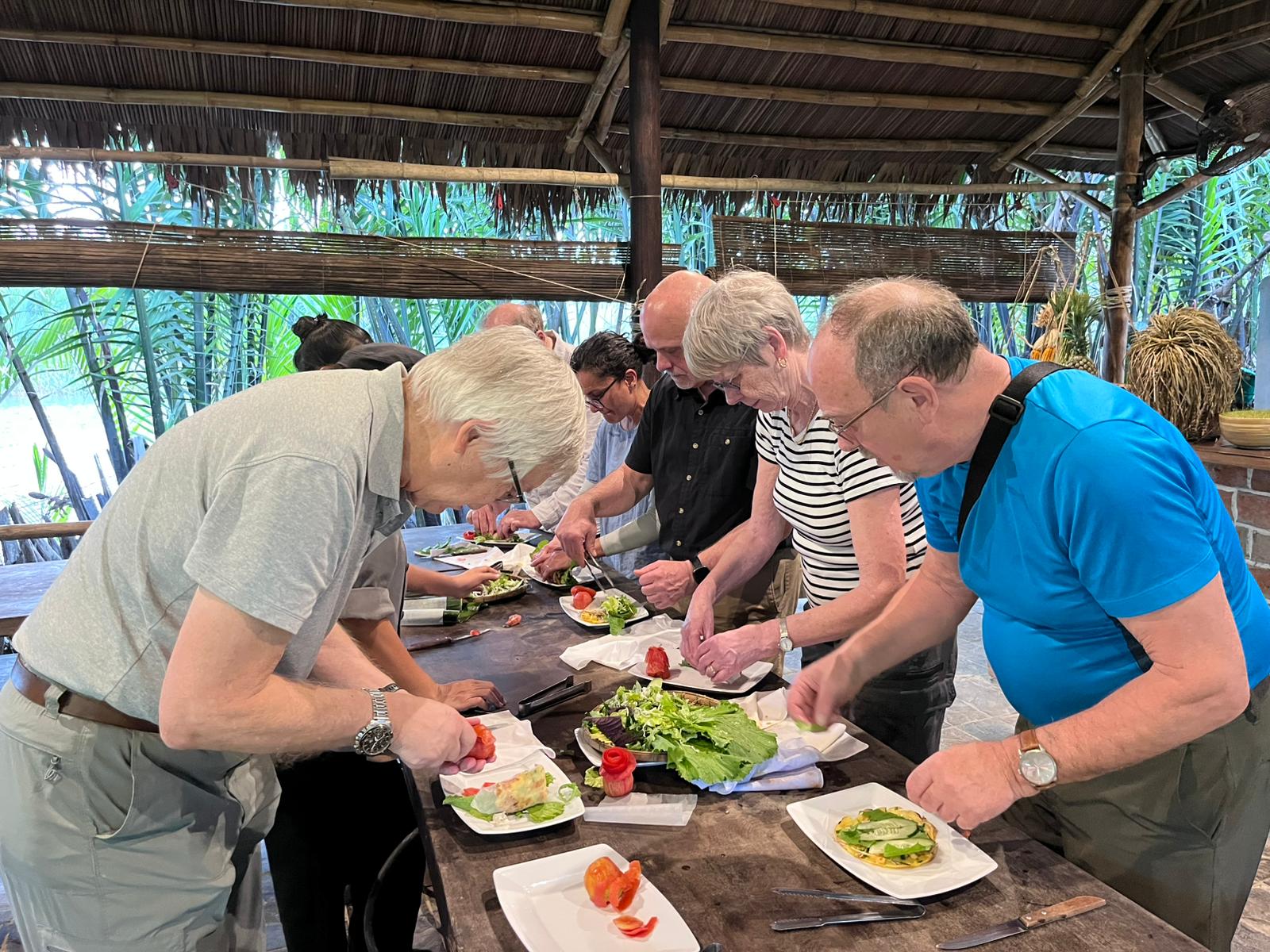
Thai Cooking Classes: Learn to prepare dishes like green curry, pad thai, or mango sticky rice at local farms or in city kitchens.
Traditional Thai Massage & Wellness: Chiang Mai has many spas and massage schools, including the famous Old Medicine Hospital.
Bamboo Rafting, Ziplining, and Rock Climbing: Available in the surrounding countryside, especially near Mae Wang or Chiang Dao.
Biking Tours & Trekking: Explore rural villages, rice paddies, and jungle trails with guided tours.
Chiang Mai is a city of festivals, some of which are among the most spectacular in Asia:
Chiang Mai Flower Festival (February): A colorful parade celebrating the region’s blooming season.
Songkran (Thai New Year, April): A city-wide water fight and spiritual cleansing festival.
Loy Krathong & Yi Peng (November): Thousands of floating lanterns fill the sky and waterways in a magical celebration of gratitude and renewal.
Bo Sang Umbrella Festival (January): Celebrates the village’s traditional paper umbrella-making craft.
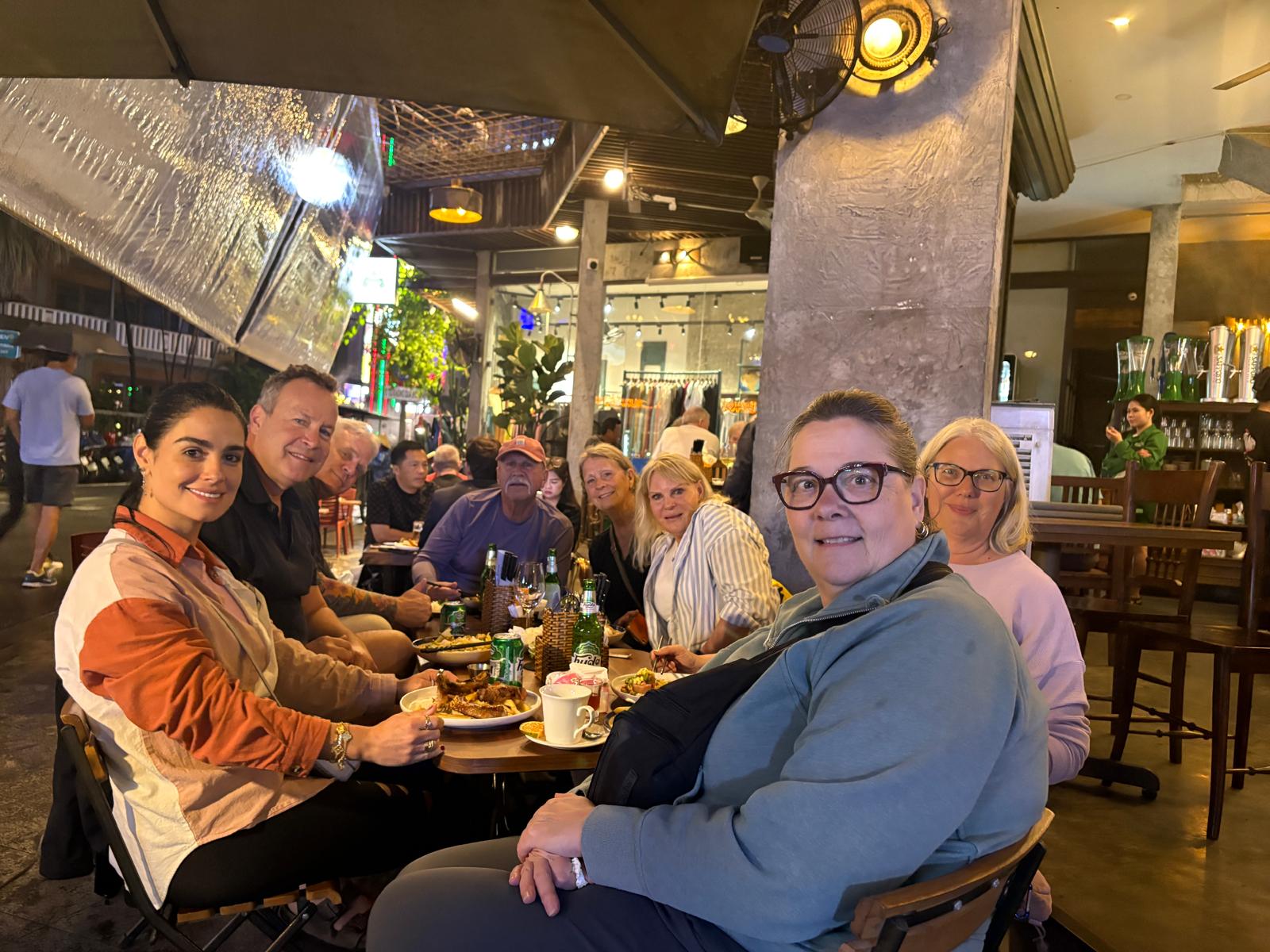
Chiang Mai is a culinary hub:
Northern Thai Specialties: Try khao soi (curry noodle soup), sai ua (spicy sausage), and nam prik noom (green chili dip).
Street Food & Night Bazaars: The Night Bazaar and Saturday Market are packed with vendors offering grilled meats, fresh smoothies, and snacks.
Cafés & International Cuisine: Chiang Mai has a booming coffee and café culture, alongside vegan, Japanese, Italian, and fusion eateries.
Nightlife: From riverside jazz bars to student pubs and rooftop lounges, there’s something for every traveler.
Luxury: 137 Pillars House, Four Seasons Chiang Mai, Anantara Chiang Mai Resort.
Boutique: Tamarind Village, U Nimman Chiang Mai, Rachamankha.
Budget: The Common Hostel, Green Tiger House, Haus Hostel.
Eco-Lodges & Resorts: Found in nearby countryside and national parks for those seeking a nature escape.
Chiang Mai is ideal for travelers seeking:
Culture and history beyond Bangkok
Active adventures and nature immersion
A relaxed, friendly atmosphere
Authentic cuisine and wellness experiences
Festivals and artistic inspiration
Whether you’re hiking in the hills, releasing lanterns into the night sky, or discovering Buddhist temples, Chiang Mai delivers a Thailand experience that’s soulful, scenic, and unforgettable.