


 Siem Reap – Gateway to Angkor and Soul of Cambodia
Overview
Located in northwestern Cambodia, Siem Reap is a vibrant and historic city that attracts millions of visitors each year, primarily for its proximity to the world-famous Angkor Wat. But beyond the temples, Siem Reap enchants travelers with its lively markets, French colonial charm, unique local culture, and a thriving arts and culinary scene. From serene countryside rides to buzzing night markets, Siem Reap is both peaceful and electric—a place where ancient traditions and modern creativity coexist beautifully.
When to Go & Weather
Siem Reap experiences a tropical climate with two distinct seasons:
Dry Season (November to March): Best time to visit. Cooler temperatures (high 80s to low 90s °F / 27–33°C), low humidity, and minimal rain. This is peak tourist season, so expect crowds.
Hot Season (April to May): Extremely hot, often exceeding 38°C (100°F), making long outdoor temple tours uncomfortable.
Wet Season (June to October): Fewer tourists, lush scenery, and lower prices, but daily showers are common. Travel may be affected by occasional flooding.
Tip: Visit early in the dry season (Nov–Jan) for cooler weather and manageable crowds.
Traveling with Children
Siem Reap is a family-friendly destination with a wide variety of attractions for kids beyond Angkor Wat:
Angkor Wat & Beng Mealea Temples: Great for older children—especially the jungle-covered Ta Prohm, which feels like a real-life Indiana Jones set.
Banteay Srei Butterfly Centre
Angkor Wat Putt (mini-golf)
Cambodian Cultural Village
Quad bike tours and horseback riding
Jungle zip-lining
Swimming pools at resorts
Boat trips on Tonlé Sap Lake
Getting There
Siem Reap is accessible via the Siem Reap–Angkor International Airport (SAI), with direct flights from Bangkok, Kuala Lumpur, Hanoi, and other Southeast Asian hubs.
Land crossings from Thailand (Poipet border) are common for overland travelers. Buses and vans connect Siem Reap with Phnom Penh (6–7 hours) and Battambang.
🚕 Getting Around
Tuk-tuks: The most popular and convenient way to explore the city and Angkor temples. Negotiate a full-day rate (~$15–25).
Bicycles: Ideal for exploring at your own pace. Be cautious during the rainy season.
Motorbike taxis & e-bikes: Available for short trips.
Car rentals with driver: Can be arranged through hotels or local agencies.
Money & Costs
Siem Reap is affordable for all types of travelers:
Budget travel: $30–50/day (guesthouse, street food, tuk-tuks)
Mid-range: $50–100/day (boutique hotel, restaurant dining, guided tours)
Luxury: $150+/day (5-star stays, fine dining, private guides)
U.S. dollars are widely accepted. The Cambodian Riel is used mainly for small change.
Top Things to See & Do
Angkor Wat & Angkor Archaeological Park
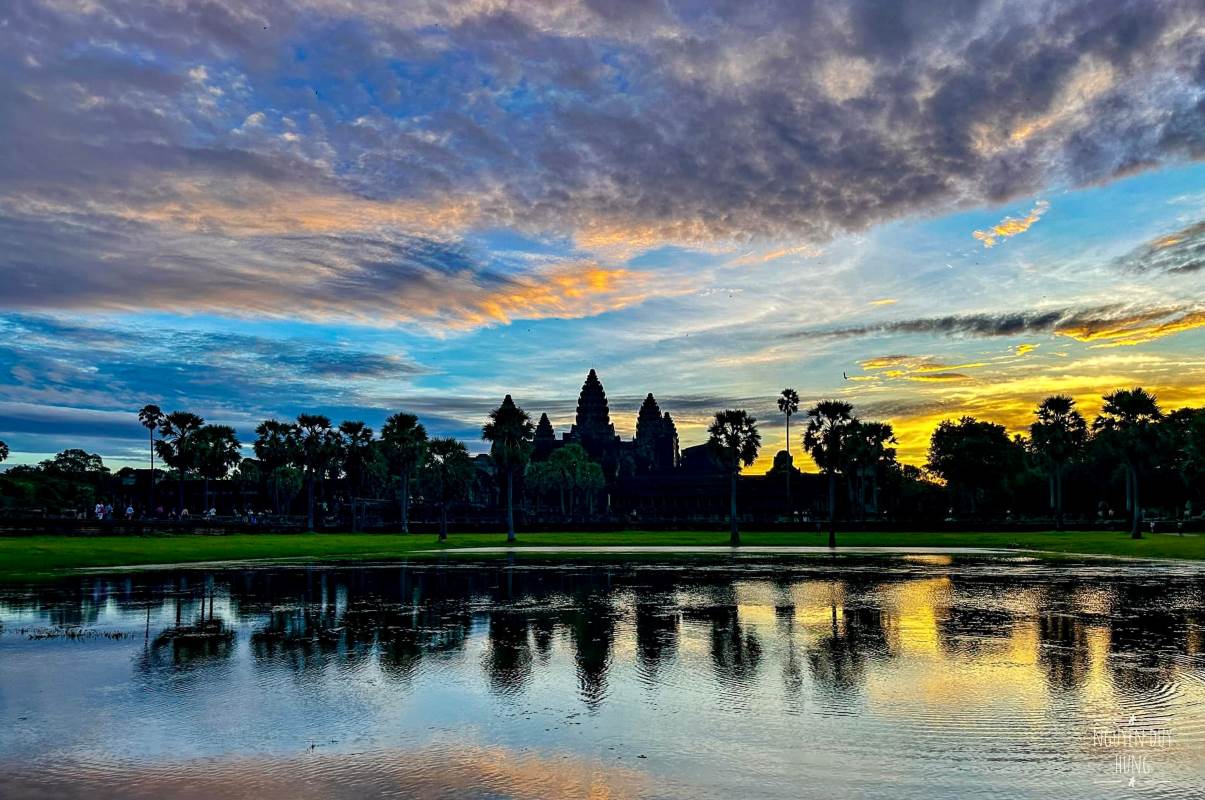
The crown jewel of Cambodia and a UNESCO World Heritage site. Arrive at dawn for the iconic sunrise and explore lesser-known temples like Bayon, Ta Prohm, and Preah Khan over 1–3 days.Tonlé Sap Lake
Southeast Asia’s largest freshwater lake, with floating villages and scenic boat rides ($15–25 per person). Best visited during the wet season when water levels are high.Landmine Museum
Offers powerful insights into Cambodia’s history and ongoing landmine removal efforts. Also supports amputee children through education and care.Apsara Dance Performance
Traditional Khmer dance shows held at cultural venues and restaurants, an elegant way to experience Cambodia’s performing arts.Happy Ranch Horse Farm
Ride through rice fields, pagodas, and traditional villages on horseback (1–4 hour tours).Cooking Class
Learn to prepare Khmer dishes like Fish Amok and Mango Salad. Classes are small, hands-on, and a fun way to connect with Cambodian culture.Made in Cambodia Market
A curated shopping experience offering 100% local products, perfect for ethical souvenirs, crafts, and street food in a lively, festive setting.
Culture & Lifestyle
Siem Reap is a proud guardian of Khmer heritage. The city pulses with creativity, from art galleries and traditional workshops to street performances and spiritual rituals. Monks in saffron robes, artisan markets, and laid-back riverside cafés reflect a city that honors its past while embracing its future. Khmer hospitality is warm, gracious, and heartfelt.
Tips & Recommendations
Buy an Angkor Pass (1, 3, or 7-day options) at the official ticket office.
Dress modestly when visiting temples (shoulders and knees covered).
Stay hydrated and wear sun protection during temple visits.
Use hotel-recommended or metered tuk-tuks to avoid scams.
Respect local customs—avoid touching monks or pointing feet toward Buddha statues.
Travel insurance is highly recommended.
Siem Reap is more than just temples, it’s a vibrant city with soul, resilience, and beauty. Whether you’re wandering ancient ruins, cruising floating villages, or learning to cook Khmer cuisine, your time in Siem Reap will leave lasting memories. Let it be a journey through Cambodia’s past and a celebration of its enduring spirit.
Siem Reap – Gateway to Angkor and Soul of Cambodia
Overview
Siem Reap is Cambodia’s cultural and historical heart, best known as the gateway to the world-renowned Angkor Archaeological Park. But beyond the temples lies a vibrant city brimming with charm, creativity, and warmth. Once a quiet riverside town, Siem Reap has transformed into a traveler’s haven—where ancient ruins meet buzzing night markets, boutique hotels, artisan cafés, and an emerging arts scene. Whether you’re here for history, adventure, or relaxation, Siem Reap is the perfect base to experience the essence of Cambodia.
When to Visit
The best time to visit Siem Reap is during the dry season from November to March, when temperatures are moderate and the skies are clear—ideal for temple explorations. April is the hottest month, with highs often reaching 38–40°C. From May to October, the wet season arrives with afternoon downpours and lush green landscapes. While travel is still possible, pack light rain gear and expect humidity. Fewer tourists during this period mean better hotel deals and quieter temple visits.
Getting There
Siem Reap International Airport (SAI) connects to major Asian cities like Bangkok, Kuala Lumpur, Hanoi, and Ho Chi Minh City. Visas are available on arrival or online through Cambodia’s e-Visa system. Overland travel is also possible from Phnom Penh (about 6 hours by bus or van) or via cross-border routes from Thailand at Poipet. Shared vans, sleeper buses, and private taxis are common options for travelers arriving from nearby destinations.
Getting Around
Tuk-tuks are the most popular and convenient mode of transport in Siem Reap. A day trip around Angkor temples typically costs $15–25, depending on distance and itinerary. Bicycle rentals are perfect for exploring at your own pace, while e-bikes and motorbikes are available for more adventurous travelers. Ride-hailing apps like Grab or PassApp are useful in the town center.
Accommodation
Siem Reap offers accommodation for every budget. Dorm beds and guesthouses start from $5–10, while charming mid-range hotels with pools range from $25–50 per night. Upscale resorts and boutique villas with spa services and jungle settings can range from $80 to over $300. Popular areas include Old Market (Psar Chas), Wat Bo, and the quieter Sala Kamreuk district, all within easy reach of the main attractions.
Dining & Restaurants
The food scene in Siem Reap is diverse and dynamic. Enjoy everything from local street food like Nom Banh Chok (Khmer noodles) and Beef Lok Lak to high-end dining in atmospheric colonial villas. Pub Street is the nightlife hub, packed with international eateries and bars. For a more refined experience, try restaurants like Cuisine Wat Damnak, offering creative Khmer tasting menus. Vegetarian, vegan, and gluten-free options are widely available.
Shopping & Galleries
Explore the Angkor Night Market or Made in Cambodia Market for authentic souvenirs, handmade crafts, silk scarves, and locally designed clothing. Artisans Angkor is a must-visit for ethically made silk, wood carvings, and lacquerware. Siem Reap is also home to a growing number of contemporary art galleries and social enterprises supporting local artists and disadvantaged communities.
Top Attractions
Angkor Wat & Angkor Archaeological Park: The star attraction, spanning over 400 square kilometers and home to awe-inspiring temples like Angkor Wat, Bayon, Ta Prohm, and Preah Khan.
Tonle Sap Lake & Floating Villages: A unique glimpse into life on Southeast Asia’s largest freshwater lake, with stilt houses, floating schools, and rich biodiversity.
Angkor National Museum: A modern museum offering valuable context and history before or after visiting the temples.
Phare – The Cambodian Circus: An incredible social enterprise featuring circus performances that blend storytelling, acrobatics, and theater—a must-see evening experience.
Cambodia Landmine Museum: A sobering but important stop, offering insight into Cambodia’s post-conflict recovery and efforts to clear landmines.
Wat Preah Prom Rath & Pagodas: Discover local spirituality at one of Siem Reap’s active Buddhist pagodas, beautifully painted and welcoming to respectful visitors.
Culture & Lifestyle
Siem Reap is more than a tourist town—it’s a center of culture, resilience, and renewal. From the rise of ethical tourism and sustainable business models to the revival of classical Apsara dance, the city pulses with creativity and community. Local monks collecting alms in the early morning and traditional music echoing in temple courtyards reflect a lifestyle deeply rooted in Buddhist values and rural heritage.
Tips & Recommendations
Purchase a multi-day Angkor Pass (1/3/7-day options) for better value and flexibility.
Wear breathable clothes and bring a scarf or hat when visiting temples.
Respect dress codes: shoulders and knees should be covered at sacred sites.
Stay hydrated and bring sunscreen, especially during temple excursions.
Use official tuk-tuk drivers or book through your hotel to avoid scams.
Learn a few Khmer phrases—it goes a long way with locals.
Whether you’re tracing ancient roots at Angkor, enjoying Khmer fusion cuisine, or soaking in sunset views over rice paddies, Siem Reap offers a journey that is both unforgettable and soulful. Let it be more than a stop, let it be the highlight of your Cambodia experience.
Our Esteemed Partners


