


Thailand
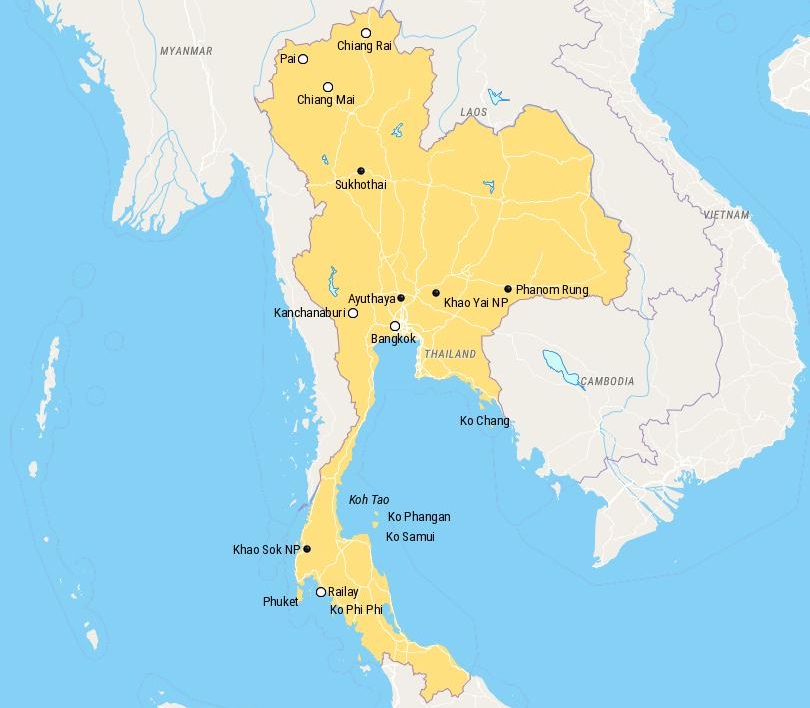
Thailand, the wondrous kingdom and Southeast Asia’s most popular tourist destination, stands out as the only nation in the region never colonized by a European power. With its rich history, vibrant culture, and diverse landscapes, Thailand offers something for every traveler, from budget backpackers to luxury seekers.
For culture enthusiasts, Thailand offers an array of magnificent Buddhist temples, bustling local markets, and hands-on cooking classes that unlock the secrets of Thai cuisine. Nature lovers will be drawn to the country’s spectacular islands, world-class beaches, and lush national parks, home to exotic wildlife and breathtaking scenery. Idyllic destinations like Phuket, Pattaya, and Koh Samui promise sun-drenched serenity and endless relaxation.
In Bangkok, the dynamic capital, tradition meets modernity. Spend the day exploring ancient temples and the evening enjoying rooftop bars or vibrant night markets. Shoppers can revel in the city’s eclectic mix of local bazaars and luxury malls. And wherever you go, the warm hospitality and signature smiles of the Thai people will make you feel right at home.
At LuxeTravel Asia, we craft personalized journeys across Thailand, from luxury escapes and cultural discoveries to outdoor adventures. Let our decade of expertise and passion for travel create your perfect Thai experience.
Top Highlights:
Bangkok – Temples by day, rooftop bars by night
Southern Islands – Phuket, Krabi, Koh Samui, Koh Phi Phi & more
Ancient Cities – Chiang Mai, Ayutthaya, Sukhothai
Northern Highlands – Chiang Rai, Pai, Mae Hong Son: hill tribe visits & trekking
National Parks – Khao Yai, Khao Sok, Erawan, Ao Phang-Nga
| Region | 1Jan | 2Feb | 3Mar | 4Apr | 5May | 6Jun | 7Jul | 8Aug | 9Sep | 10Oct | 11Nov | 12Dec | |
|---|---|---|---|---|---|---|---|---|---|---|---|---|---|
| Ayutthaya |  | | |  | |  | |  | | | | | |
| Bangkok | | | | | | | | | | | | | |
| Chiang Mai | | | | | | | | | | | | | |
| Khao Lak | | | | | | | | | | | | | |
| Koh Samui | | | | | | | | | | | | | |
| Krabi | | | | | | | | | | | | | |
| Phuket | | | | | | | | | | | | | |
| Udon Thani | | | | | | | | | | | | | |
 Pleasant weather, no rain
 High heat and humidity
 Tropical climate, possible intermittent rain
 Tropical climate, high chances of rain
 Possible risk of typhoons and storms
 Cool to cold temperature (at night)
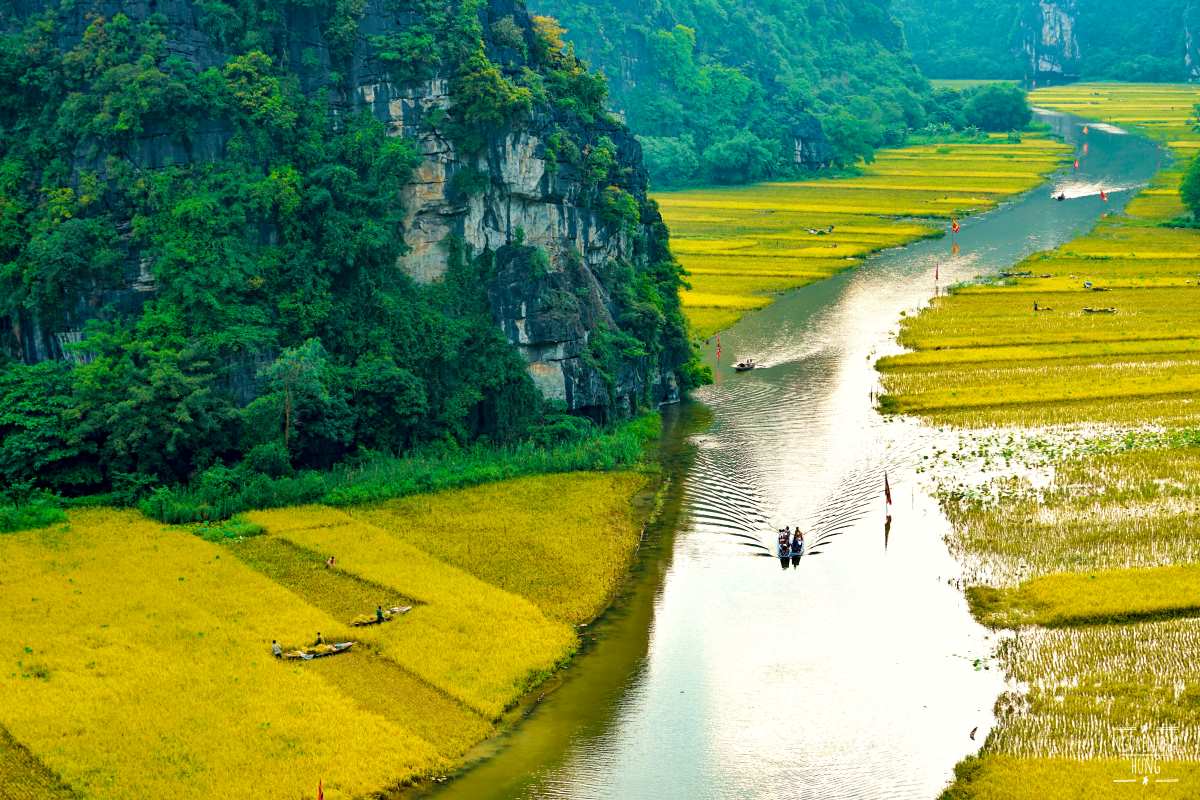
Bangkok – The Vibrant Capital of Thailand
Bangkok, officially known as Krung Thep Maha Nakhon, is the dynamic and colorful capital of Thailand. Home to over 10 million residents, it is the country’s political, economic, and cultural heart. This bustling metropolis offers a unique blend of ancient tradition and modern innovation, where glittering royal palaces and centuries-old temples stand in harmony with sleek skyscrapers and lively shopping malls.
A visit to Bangkok is incomplete without exploring its spiritual heritage, including the Grand Palace, Wat Phra Kaew (Temple of the Emerald Buddha), and Wat Arun along the Chao Phraya River. The city’s rich history is reflected in its traditional canal-side communities, charming floating markets, and vibrant street life.
Bangkok is also a paradise for food lovers, with world-famous street food stalls, night markets, and fine-dining restaurants that serve both Thai and international cuisine. From the bustling Chinatown to the trendy cafes of Sukhumvit, there’s always something new to discover.
Despite its fast pace, Bangkok maintains a warm, welcoming atmosphere, earning Thailand its nickname “The Land of Smiles.” With its exciting mix of culture, cuisine, shopping, and entertainment, Bangkok is truly a city that captivates every traveler.
The currency of Thailand is the Thai Baht, abbreviated as THB.
Symbol: ฿
1 Baht = 100 satang
Banknotes commonly used: ฿20, ฿50, ฿100, ฿500, and ฿1,000
Coins: ฿1, ฿2, ฿5, ฿10, and smaller denominations like 25 and 50 satang (less commonly used)
The Thai Baht is widely accepted throughout the country, and foreign currencies are not generally used in daily transactions. Currency exchange is easy at airports, banks, hotels, and licensed exchange booths. Credit cards are accepted in cities and tourist areas, though cash is often preferred for small purchases, local markets, or rural areas.
Let me know if you’d like this info written in paragraph form for a website or travel document.
The official language of Thailand is Thai (also known as Siamese), spoken by the vast majority of the population. Thai is a tonal language with its own unique script, used in government, education, media, and daily communication.
In addition to Thai, there are several regional languages and dialects spoken across the country:
Isan (Northeastern Thai): Closely related to Lao, spoken in the northeast region.
Northern Thai (Kam Mueang): Common in Chiang Mai and northern provinces.
Southern Thai (Pak Tai): Spoken in the southern region.
Karen, Khmer, and Malay: Spoken by some ethnic minority groups.
English is widely taught in schools and is commonly used in tourist areas, major cities, and by younger generations. However, English proficiency can vary, especially in rural areas.
Thailand’s linguistic diversity reflects its rich cultural heritage and the presence of various ethnic communities. Travelers will find that even basic Thai greetings (like “Sawasdee”) are warmly appreciated by locals.
Thailand is a deeply spiritual country, with religion playing an important role in daily life and cultural identity. The predominant religion is Theravāda Buddhism, practiced by over 90% of the population. It influences Thai art, architecture, festivals, and social values. Monks are highly respected, and temples (known as “wats”) are central to community life.
Other religions practiced in Thailand include:
Islam (about 4–5%): Mainly in the southern provinces such as Pattani, Yala, and Narathiwat.
Christianity: A small percentage of the population, including both Roman Catholic and Protestant communities.
Hinduism: Although few identify as Hindu, many Hindu deities and rituals are integrated into Thai culture.
Sikhism: A small but active community, mostly found in Bangkok.
Animism and Traditional Beliefs: Especially among hill tribes and rural areas, belief in spirits, nature worship, and ancestral reverence coexist with formal religions.
Thailand is known for its religious tolerance, and freedom of religion is protected by the constitution. Visitors are often welcomed to explore temples and observe religious customs, provided they show proper respect and dress modestly.
Thailand’s culture is rich, vibrant, and deeply rooted in Buddhist traditions. Respect for religion, monarchy, and family are the cornerstones of Thai society. One of the most notable customs is the “wai”, a gesture of greeting and respect where palms are pressed together in a prayer-like fashion.
Buddhism shapes everyday life. Merit-making, visiting temples, and giving alms to monks are common practices. Traditional festivals, such as Songkran (Thai New Year in April) and Loy Krathong (Festival of Lights in November), are widely celebrated with water fights, lanterns, and floral offerings.
Thai cuisine is also a key cultural element, known for its balance of sweet, sour, salty, and spicy flavors. Meals are often shared, emphasizing community and togetherness.
Family plays a central role, and there’s a strong sense of duty toward elders. Hierarchical respect, especially for age and status, is ingrained in social interactions.
Thailand also celebrates diverse regional cultures, from the Lanna traditions of the North to the Malay-influenced customs in the South. Traditional dance, music, silk weaving, and martial arts like Muay Thai add to the richness of Thai heritage.
Despite modernization, Thais are proud of their traditions and maintain a balance between modern life and cultural values.
Thailand is a land of festivals, where celebrations occur throughout the year and across regions, each reflecting the country’s spiritual roots, agricultural cycles, royal traditions, and diverse local cultures. These events are not just tourist attractions, they’re an essential part of daily Thai life.
The most famous festival is Songkran, the Thai New Year, celebrated from April 13–15. Originally a time for cleansing and renewing blessings, Songkran has evolved into a nationwide water festival, where streets transform into joyful battlefields of water fights. Yet beneath the fun lies a spiritual side: people clean their homes, visit temples, pour water over Buddha statues, and gently sprinkle water on elders to show respect and seek good fortune.
In November, Loy Krathong (Festival of Lights) lights up rivers and lakes with thousands of floating floral baskets made from banana leaves, candles, and incense sticks. These krathongs are offered to the water goddess as a way to wash away misfortune. In the north, especially in Chiang Mai, the festival coincides with Yi Peng, where thousands of paper lanterns are released into the sky, creating a magical, unforgettable atmosphere.
Buddhist holy days like Visakha Bucha, Makha Bucha, and Asalha Bucha mark important milestones in the life of the Buddha. On these days, Thais gather at temples for candlelit processions and to make merit.
Regional festivals are equally captivating. The Phi Ta Khon Festival in Loei (Isan region) is a blend of spirituality and fun, where locals wear ghostly masks and colorful costumes to welcome spirits and ensure good harvests. The Surin Elephant Round-Up showcases the importance of elephants in Thai history and culture through parades, demonstrations of strength, and re-enactments of ancient battles.
In Phuket, the Vegetarian Festival in October is known for its intense spiritual rituals. Devotees purify their bodies by observing a strict vegetarian diet and perform dramatic acts of self-mortification, such as walking on fire or piercing their cheeks, in acts of devotion believed to bring good luck.
Other events include the Royal Ploughing Ceremony in Bangkok, which marks the rice-growing season and symbolizes prosperity, and King’s and Queen’s Birthday Celebrations, which bring communities together in unity and national pride.
Whether spiritual, seasonal, or celebratory, Thailand’s festivals offer a fascinating window into its soul, rich with color, meaning, and the joyful warmth of its people.
Thailand is generally a safe and welcoming destination for international travelers. With millions of visitors each year, the country offers well-developed tourist infrastructure, modern hospitals, and a relatively low crime rate. However, like any international trip, staying informed and practicing caution will ensure a smooth and enjoyable experience.
Health Precautions:
Thailand has excellent healthcare facilities, especially in major cities like Bangkok, Chiang Mai, and Phuket. Many hospitals offer international services with English-speaking staff. Travel insurance that includes medical coverage is strongly recommended before departure.
Basic vaccinations such as hepatitis A, hepatitis B, typhoid, tetanus, and rabies (if visiting rural areas) are advisable. While malaria is not a major concern in urban areas or popular tourist destinations, it may exist in remote jungle regions, so consult your doctor for up-to-date advice.
Drink only bottled or filtered water, and avoid consuming raw or undercooked food from street vendors unless it’s freshly prepared and hot. Thailand’s tropical climate can also increase the risk of dehydration, so staying hydrated and using sun protection is important.
Safety Tips:
Thailand is known for its hospitality, but it’s wise to stay alert, especially in crowded areas. Petty theft like pickpocketing can occur in busy markets or on public transport, keep your belongings secure.
When using tuk-tuks or taxis, insist on using the meter or agree on a price beforehand to avoid overcharging. Ride-hailing apps like Grab are a safer and more transparent alternative.
Traffic in Thailand can be chaotic. Be extremely cautious if renting motorbikes, particularly in tourist hotspots like Phuket and Koh Phangan. Helmets are mandatory, and international driver’s licenses are required.
Avoid involvement with drugs at all costs, possession of even small quantities can result in severe penalties. Prostitution is illegal in Thailand, even if widely visible, and involvement can pose health and legal risks.
Emergency Numbers:
General Emergency: 191
Tourist Police: 1155 (English-speaking support)
Ambulance: 1669
Lastly, always respect Thai laws and local customs. Showing reverence to the monarchy and Buddhism is essential, disrespect can lead to legal consequences.
With a little awareness and preparation, Thailand can be a safe, healthy, and truly unforgettable journey.
Thailand offers reliable and modern postal and communication services, making it easy for travelers to stay connected and send mail both domestically and internationally.
Postal Services:
Thailand Post is the official national postal service, and it provides efficient mail and parcel delivery across the country. Post offices are widely available in cities, towns, and even smaller villages. They are typically open Monday to Friday from 8:00 AM to 4:30 PM, with some branches also open on Saturdays.
Sending postcards, letters, or souvenirs back home is convenient and affordable. Standard international airmail delivery takes 7–14 days depending on the destination. Express Mail Service (EMS) is available for faster delivery with tracking.
Private courier companies like DHL, FedEx, and UPS also operate in Thailand, especially in major cities like Bangkok, Chiang Mai, and Phuket, offering faster international shipping at higher rates.
Internet & Mobile Communication:
Thailand has a strong telecommunications network, including widespread 4G and emerging 5G coverage in urban areas. Free Wi-Fi is common in hotels, cafes, airports, and shopping malls.
Travelers can easily stay connected by purchasing a local SIM card upon arrival at airports or convenience stores like 7-Eleven. The main mobile providers, AIS, TrueMove H, and DTAC, offer affordable prepaid SIM cards with various data packages, including tourist SIMs designed for short-term visitors.
Useful Tips:
SIM cards require passport registration.
Top-up credit is widely available and simple to use.
Voice-over-internet apps (like WhatsApp, Viber, or LINE) are popular and work well with Wi-Fi or mobile data.
Internet cafes still exist in tourist areas but are becoming less common.
International Calling Codes:
Thailand’s country code is +66.
To call Thailand from abroad: Dial your country’s international access code +66 + local number (omit the leading 0).
To call abroad from Thailand: Dial 001 or +, followed by the country code and number.
Whether you need to mail a package or connect online, Thailand’s communication system is efficient, traveler-friendly, and affordable.
Thailand welcomes millions of international visitors each year and offers relatively easy entry requirements for tourists. However, it’s important to understand the formalities before your trip to ensure a smooth arrival.
Passport & Visa Requirements:
To enter Thailand, all travelers must hold a passport valid for at least 6 months beyond the date of arrival. Many nationalities, including those from the US, UK, EU, Australia, Canada, and several ASEAN countries, are eligible for visa exemption and can stay in Thailand for up to 30 days without a visa when entering by air, or 15–30 days by land, depending on nationality.
Travelers who plan to stay longer or are not eligible for visa exemption must apply for a tourist visa at a Thai embassy or consulate in advance. Tourist visas usually allow stays of up to 60 days and can often be extended once within Thailand.
Visa on Arrival (VOA):
Nationals of certain countries may apply for a Visa on Arrival at designated checkpoints for a stay of up to 15 days. You’ll need to provide a passport-size photo, proof of accommodation, a confirmed return ticket, and evidence of sufficient funds.
E-Visa System:
Thailand now offers an online e-visa application process for certain nationalities, making it more convenient to apply in advance without visiting an embassy.
Arrival Card & Customs:
An arrival/departure card is no longer required for most travelers entering via air. However, customs regulations still apply: travelers are allowed to bring personal items and limited duty-free goods. Prohibited items include narcotics, counterfeit goods, and pornography.
Health & Travel Insurance:
While not mandatory for all travelers, comprehensive travel insurance is highly recommended. During certain periods (e.g., health crises), proof of insurance or vaccination may be required.
Important Reminders:
Overstaying a visa is a serious offense and can result in fines or bans.
Always check for updates on visa policies before travel at the official Thai immigration website.
Thailand’s entry procedures are straightforward, but being well-prepared will help ensure a safe and hassle-free journey.
Our Thailand tour packages typically include:
Handpicked 3–5 star or luxury hotels
Private English-speaking guides
All entrance fees to attractions
Private transportation throughout the itinerary
Domestic flights (if required)
Daily breakfast and optional meal upgrades
Airport pick-up and drop-off
24/7 local support from LuxeTravel Asia
Absolutely. All Thailand tours are fully customizable.
We tailor the itinerary based on your interests; beaches, culture, temples, food, shopping, or adventure, as well as your travel dates, budget, and style.
Popular destinations include:
Bangkok: Temples, markets, city tours, food experiences
Chiang Mai & Chiang Rai: Nature, elephants, mountains, temples
Phuket: Beaches, island hopping, luxury resorts
Krabi: Railay Beach, Phi Phi Islands
Koh Samui: Relaxation, beaches, wellness resorts
Ayutthaya: UNESCO temples and historical sites
We can also add off-the-beaten-path cities like Pai, Kanchanaburi, Lampang, or Hua Hin.
Many nationalities can enter Thailand visa-free for stays of 30 to 45 days.
Others may require a visa or an e-Visa.
When you book with LuxeTravel Asia, we guide you through all updated visa requirements for your nationality.
The best time is generally November to April during the cool and dry season.
Beach destinations vary:
Phuket/Krabi: Best from November–April
Koh Samui: Best from January–August
We’ll recommend the best destinations based on your travel month.
Yes, all tours include licensed English-speaking guides who are experts in Thai culture, history, and local experiences.
Absolutely. Thailand is one of the most family-friendly destinations in Asia.
We offer activities such as:
Elephant sanctuaries (ethical only)
Cooking classes
Island trips and snorkeling
Theme parks and aquariums
Cultural workshops
We provide comfortable, air-conditioned private vehicles, plus:
Domestic flights
Ferries and speedboats for islands
Luxury vans for families or small groups
Optional VIP fast-track airport services
Yes, Thailand is considered very safe for travelers.
With LuxeTravel Asia, you have 24/7 on-ground assistance in case you need any help.
Definitely. Thailand is a major hub for multi-country trips.
Popular combinations include:
Thailand + Cambodia
Thailand + Laos
Thailand + Vietnam
Thailand + Cambodia + Vietnam
We arrange all flights, transfers, visas, and logistics for a seamless journey.
We recommend:
Light, breathable clothing
Comfortable walking shoes
Swimwear and beachwear
Modest clothing for temples
Sun protection (hat, sunscreen)
Insect repellent
Light jacket for cooler northern evenings
Contact us via our website, WhatsApp, or email.
Our specialists will design your tailor-made itinerary and arrange everything with secure online payment options.
Our Esteemed Partners


