


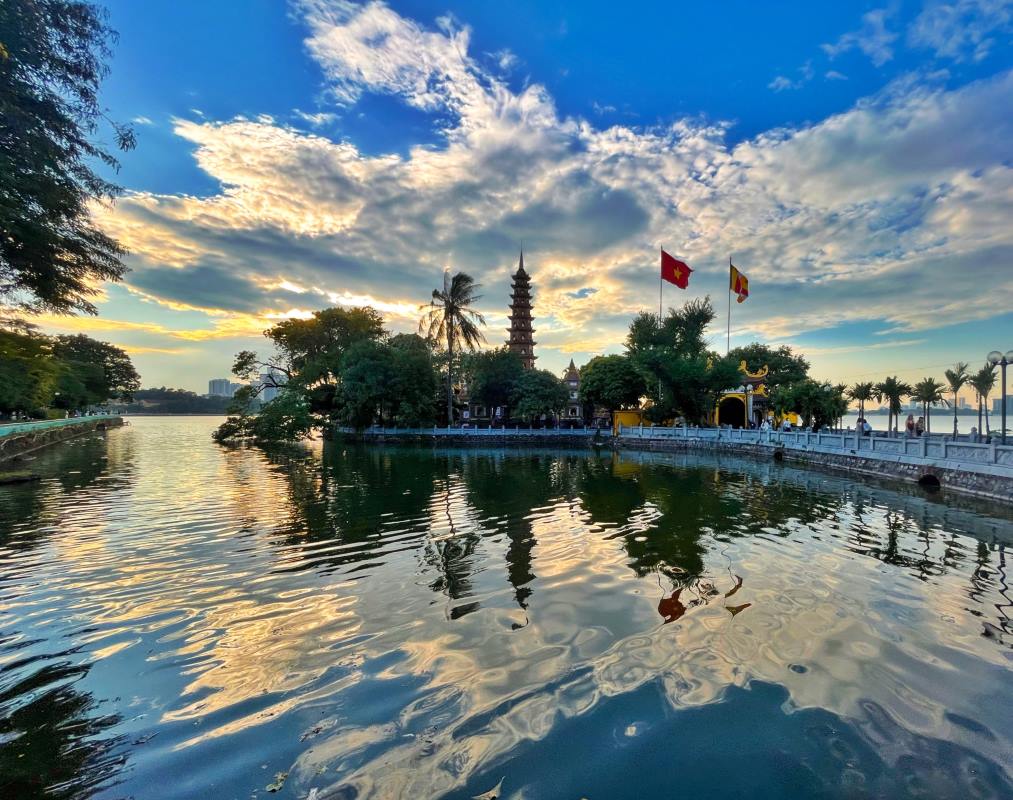
 Hanoi – The City For Peace
1. Overview of Hanoi
Hanoi, the capital city of Vietnam, is a vibrant blend of ancient heritage and modern charm. As the cultural and political heart of the country, Hanoi offers a unique experience that harmoniously combines centuries-old temples, bustling street life, and elegant French colonial architecture. This city of lakes and tree-lined boulevards provides travelers with a deep dive into Vietnam’s historical soul and contemporary spirit.
2. Location and Accessibility
Hanoi is located in northern Vietnam, on the western bank of the Red River, about 1,760 km north of Ho Chi Minh City. It serves as a major gateway to other destinations such as Halong Bay, Sapa, Ninh Binh, and Ha Giang. Travelers can reach Hanoi via Noi Bai International Airport (HAN), which connects to numerous domestic and international destinations. The city is also accessible by train, long-distance bus, and car.
3. History and Culture
As one of the oldest capitals in Southeast Asia, Hanoi has more than 1,000 years of history, dating back to the Ly Dynasty. The city has witnessed major historical periods, including Chinese domination, French colonization, and the Vietnam War, all of which have left their cultural and architectural marks. Today, Hanoi is a melting pot of Confucian, Buddhist, Taoist, and colonial influences.
4. Climate and Best Time to Visit
Hanoi has a humid subtropical climate with four distinct seasons. Spring (March to April) and autumn (September to November) are considered the best times to visit due to mild temperatures, lower humidity, and clear skies. Summers (May to August) can be hot and rainy, while winters (December to February) are cool and sometimes misty.
5. Highlights and Attractions
Hoan Kiem Lake & Ngoc Son Temple: A peaceful lake in the center of the city with a historic temple on a small island.
Old Quarter: A maze of 36 streets known for traditional crafts, street food, and colonial architecture.
Ho Chi Minh Mausoleum: The resting place of the revolutionary leader and a pilgrimage site for many Vietnamese.
Temple of Literature: Vietnam’s first university, dating back to 1070, dedicated to Confucius.
One Pillar Pagoda: A unique lotus-shaped wooden pagoda built on a single stone pillar.
West Lake: The largest lake in Hanoi, popular for its scenic beauty and upscale cafes.
Vietnam Museum of Ethnology: A showcase of the country’s 54 ethnic groups.
6. Cultural Experiences
Attend a water puppet show at Thang Long Theater
Visit a local morning market or join a cooking class
Walk through Dong Xuan Market for souvenirs and local specialties
Join a traditional tea ceremony or calligraphy session
Experience a cyclo ride through the Old Quarter
7. Local Cuisine
Hanoi is known as the birthplace of many iconic Vietnamese dishes.
Pho: Rice noodle soup with beef or chicken
Bun Cha: Grilled pork with rice noodles and herbs
Cha Ca La Vong: Grilled turmeric fish served with dill
Banh Cuon: Steamed rice rolls stuffed with minced pork and mushrooms
Egg Coffee (Ca Phe Trung): A rich, creamy Hanoi specialty
8. Accommodation Options
Luxury: Sofitel Legend Metropole, Capella Hanoi, Apricot Hotel
Mid-Range: La Sinfonía del Rey, The Chi Boutique Hotel, Hanoi Pearl Hotel
Budget: Hanoi La Siesta Hostels, Little Charm Hanoi Hostel, Nexy Hostel
Most accommodations are conveniently located near the Old Quarter, Hoan Kiem Lake, or West Lake.
9. Day Trips from Hanoi
Ninh Binh (Tam Coc – Trang An): Just 2 hours away, known for limestone karsts and rice paddies
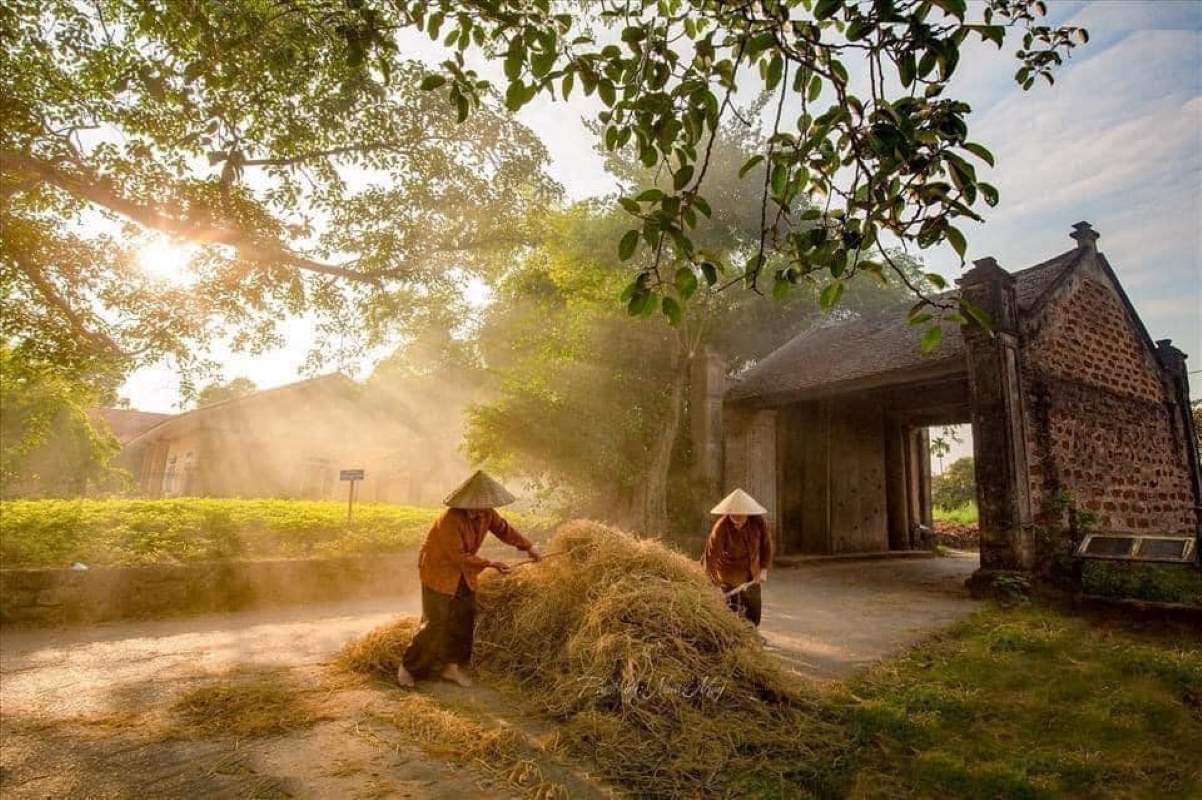
Duong Lam Ancient Village: A preserved rural village reflecting old Vietnamese architecture
Bat Trang Pottery Village: A centuries-old ceramic village, great for pottery-making workshops
Perfume Pagoda: A spiritual pilgrimage site nestled in limestone mountains
Ba Vi National Park: A green escape with trekking routes and French ruins
10. Shopping and Souvenirs
Silk products from Van Phuc Village
Lacquerware, handmade paper, and wood carvings
Traditional Vietnamese áo dài (long dress)
Unique coffee blends and ceramic cups
Embroidered linens and local art from Hanoi galleries
11. Transportation within Hanoi
Walking: Ideal for exploring the Old Quarter and Hoan Kiem area
Cyclo: A fun way to sightsee at a slower pace
Taxi & Ride-hailing: Available via apps like Grab
Public Bus: Affordable but limited for tourists
E-bike/Scooter rental: Best for experienced riders familiar with chaotic traffic
12. Nightlife and Entertainment
Explore the vibrant Ta Hien Street for beer and local nightlife
Enjoy jazz at Minh’s Jazz Club or Binh Minh’s Jazz
Watch traditional performances at the Vietnam National Tuong Theatre
Rooftop bars like Skyline, Twilight Sky Bar, or Lounge 88 offer fantastic city views
13. Travel Tips and Etiquette
Dress modestly when visiting temples and mausoleums
Crossing streets requires confidence and steady pace
Bargaining is expected in local markets
Tipping is appreciated but not compulsory
Always carry some cash (VND), though cards are accepted in most hotels and restaurants
14. Safety and Health
Hanoi is generally safe for travelers. Petty theft is rare but stay alert in crowded areas. Be cautious when riding scooters or crossing streets. Use bottled water and be selective with street food if you have a sensitive stomach. Hospitals and pharmacies are widely available, and most tourist areas have English-speaking medical staff.
15. Sustainable Travel Tips
Bring a reusable water bottle
Support local artisans and businesses
Avoid single-use plastics when shopping
Respect heritage sites and avoid climbing on ancient structures
Use eco-friendly transport options when available
16. Conclusion
Hanoi stands as a captivating destination where history whispers through its ancient temples, and the energy of daily life fills every street corner. Whether you’re a food lover, a culture enthusiast, or an architecture admirer, Hanoi has something that lingers in your heart long after you leave.
Travel Guides
Transportation
How to get there
Noi Bai International Airport is the gateway to the city located in the Northeast District of Soc Son. It takes a 40-minute drive from the airport to downtown Hanoi. Upon arrival, travelers have several options to reach the city center such as a taxi, bus, or book a private car.
Ways to get around the city
– Private car: The most popular idea of transporting in Hanoi is to book a private car with a private driver. Transport service companies here offer a selection of vehicles from a 7-seat SUV to 50-seat coaches. Visitors can indeed save their time and money with a packaged car booking rather than ponder to search for a vehicle at every move whilst struggling with the language barrier, payment method, and skepticism about service quality, …
– Motorcycles: Hanoi is best known for its fascinating motorbike culture. If you are adventurous enough to try the nerve of involving in the chaos of Hanoi’s traffic, then hiring a motorbike is recommended. You may want to seriously reconsider driving your own vehicle, otherwise, plenty of local services offer a much safer and better-planned ride with experienced drivers so that you can enjoy the scenery while on the back of the bike.
– Walking: This is certainly a universally good way to explore any place on Earth. Once arrive in downtown Hanoi, visitors can be enthralled by a maze of street alleys displayed with numerous shop signs. This unique characteristic of Hanoi can only be thoroughly explored by a walk. Heed not the lack of sidewalk in the city center, Hanoi is a friendly and safe place to get around on foot. It is astonishing to immerse yourselves into the crowds of vehicles and overcome the nerve of crossing the most chaotic streets in the world. Visitors can book walking tours or stroll around by themselves instead of renting a car or motorbike.
Best times to visit
Hanoi’s weather is at its best from September to November when the ideal temperatures range from 25ºC to 30ºC and from February to April when the temperatures range from 15ºC to 20ºC. Bear in mind that Hanoi has high humidity year-round and be well-prepared to adapt if needed.
Places Of Interest
HO CHI MINH MAUSOLEUM
Inspired by that of Lenin in Moscow, Russia, the Mausoleum of Ho Chi Minh was built in 1975 to host the embalmed body of the country’s hero. On the 2nd of September, 1945 right at the site of his final resting place, Ho Chi Minh read the declaration of Independence marking the birth of Vietnam’s present-day nation. The mausoleum is part of a massive complex in honor of Ho Chi Minh in which significant sites not to miss are: the magnificent Presidential Palace, the residence of Ho Chi Minh, and the One pillar pagoda. Whereas taking queue to visit the Mausoleum, behold the landmarks shrouding the city’s main square with government buildings dated back to the early 20th century.
Suggested Itineraries


Our Esteemed Partners


